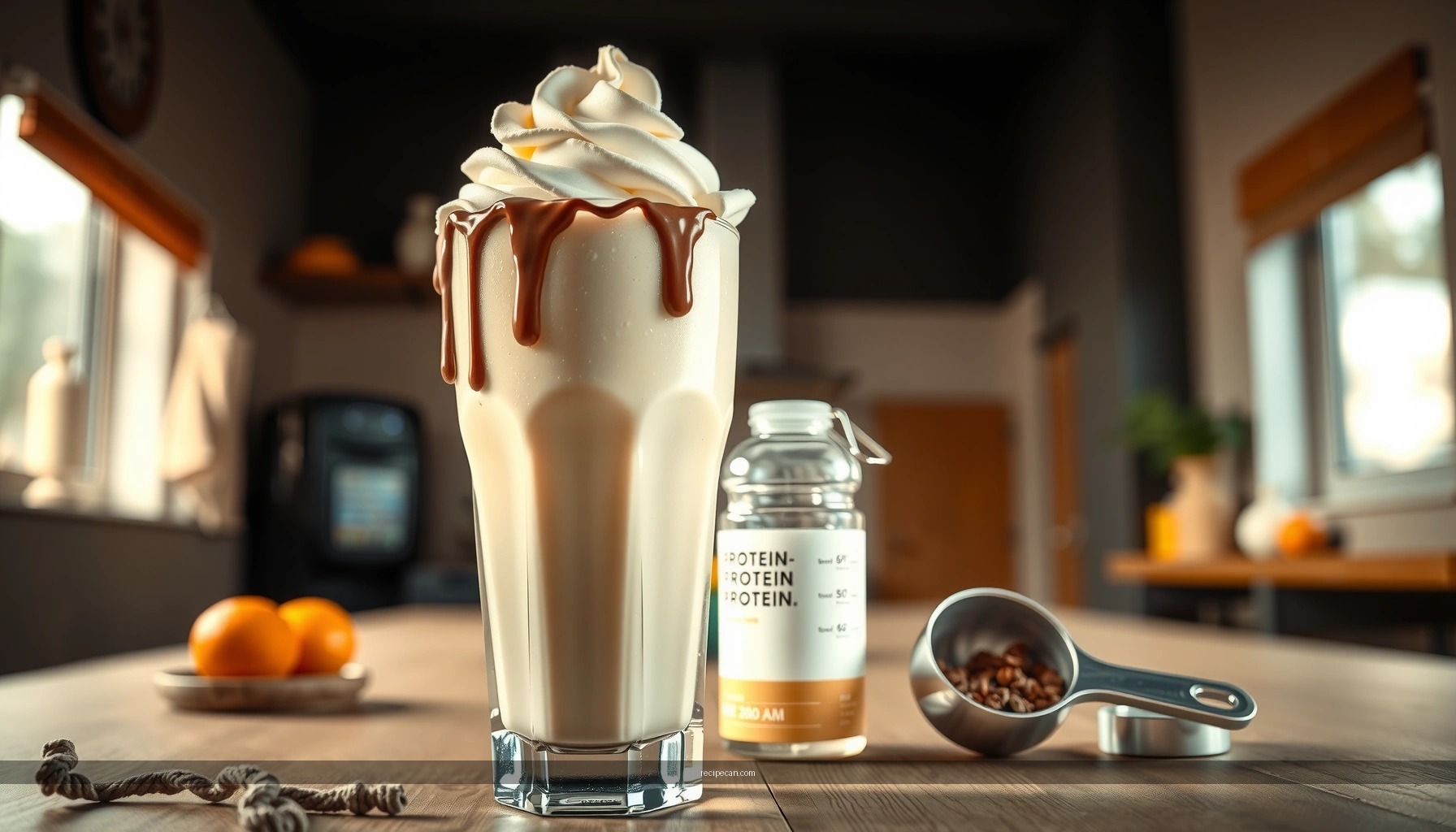
Need protein milkshake recipes that actually deliver high protein without complicated prep? This guide gives you easy, no-fuss shake formulas—complete with ingredient swaps and quick flavor upgrades—so you can hit your target macros fast. If you want the best results for busy days, these are the go-to recipes that consistently taste good and keep you full.
Protein milkshake recipes are one of the fastest ways to hit your daily protein target—blend your milk (or milk alternative) with a quality protein powder and a few high-impact mix-ins. With the right base, protein type, and thickness strategy, you can create shakes that taste like dessert while still supporting muscle, recovery, and satiety.
Protein milkshakes work because they’re modular: you control protein grams, calories, texture, and flavor in minutes. Below, you’ll find practical guidance on choosing ingredients and building shakes that are both enjoyable and nutrition-forward, including easy 5-minute recipes and customization ideas you can reuse all week.
Choose Your Base Milk

Your base determines the shake’s texture, protein density, calorie load, and how well the powder mixes. A “high-protein” shake isn’t just about the protein powder—it’s also about the liquid you blend it with.
– Use dairy milk for extra creaminess or opt for unsweetened almond/soy milk
– Dairy milk (especially 2% or skim) typically blends into a smoother, thicker shake and naturally adds protein.
– Unsweetened soy milk is a strong alternative because it’s usually closer to dairy milk for protein than almond milk.
– Unsweetened almond milk tends to be lower in protein and calories, which can be beneficial if you’re keeping calories tight, but you’ll often need to rely more heavily on the protein powder for total protein.
– Pick a base based on your protein and calorie goals
Consider these decision rules:
1. Max protein per cup: choose low-fat cow’s milk or soy milk.
2. Lower calories while keeping flavor: choose unsweetened almond milk plus a high-protein powder.
3. Best “dessert-like” mouthfeel: choose 2% milk or add thickness with Greek yogurt or frozen fruit.
Practical mixing tip: If your shake tastes gritty, the base may be too low in liquid viscosity (common with some almond milks). Add 2–4 extra ounces of liquid, or blend a little longer.
Why this matters (nutrition perspective): Total protein per serving is the sum of everything in the blender—milk + powder + yogurt—so the base choice can make or break your “high-protein” target without changing the recipe.
Protein Contribution of Common Milk Bases (per 8 fl oz / 240 ml)
| # | Milk Base (Unsweetened unless noted) | Protein (g) | Calories (kcal) | Use Case Fit |
|---|---|---|---|---|
| 1 | Skim milk | 8.3 | 83 | High-protein, low-fat ★★★★★ |
| 2 | 2% milk | 8.2 | 122 | Creamy texture ★★★★☆ |
| 3 | Soy milk (unsweetened) | 7.0 | 80 | Vegan + high protein ★★★★☆ |
| 4 | Oat milk (unsweetened) | 3.9 | 120 | Creaminess, moderate protein ★★★☆☆ |
| 5 | Almond milk (unsweetened) | 1.4 | 30 | Low protein base; rely on powder ★★☆☆☆ |
| 6 | Coconut milk beverage (unsweetened) | 1.0 | 45 | Flavorful, very low protein ★★☆☆☆ |
| 7 | Greek yogurt (as a blend base) | 10.0 | 100 | Very thick + high protein ★★★★★ |
Select the Right Protein Powder

Protein powder is the engine of your shake. Picking the right one improves digestibility, flavor compatibility, and how smoothly it blends.
– Choose whey for a classic, fast-digesting option or plant-based blends for vegan shakes
– Whey protein (including whey isolate) is typically the most straightforward for texture and flavor. It tends to dissolve quickly and can produce a creamier mouthfeel.
– Plant-based blends (pea, rice, soy) can be excellent for vegan protein shakes, but they vary in flavor and mixability. Some have a thicker, earthier profile—pairing them with strongly flavored add-ins (cocoa, berries, cinnamon) often improves taste.
– Match flavor (vanilla/chocolate/neutral) to the add-ins you plan to use
A reliable pairing strategy:
– Vanilla protein → banana, peanut butter, cinnamon, oats, honey
– Chocolate protein → cocoa, berries, coffee-style flavors (without needing actual coffee), almond butter
– Neutral/unsweetened protein → “choose-your-own” flavors with extracts, spices, or fruit
Analytical note: If you’re aiming for consistent nutrition, check labels for serving size, grams of protein per scoop, and added sugars. Some “flavored” powders add sweeteners and thickeners; others are more neutral. Your sweetness control will depend on that.
5-Minute Classic Protein Milkshake Recipes
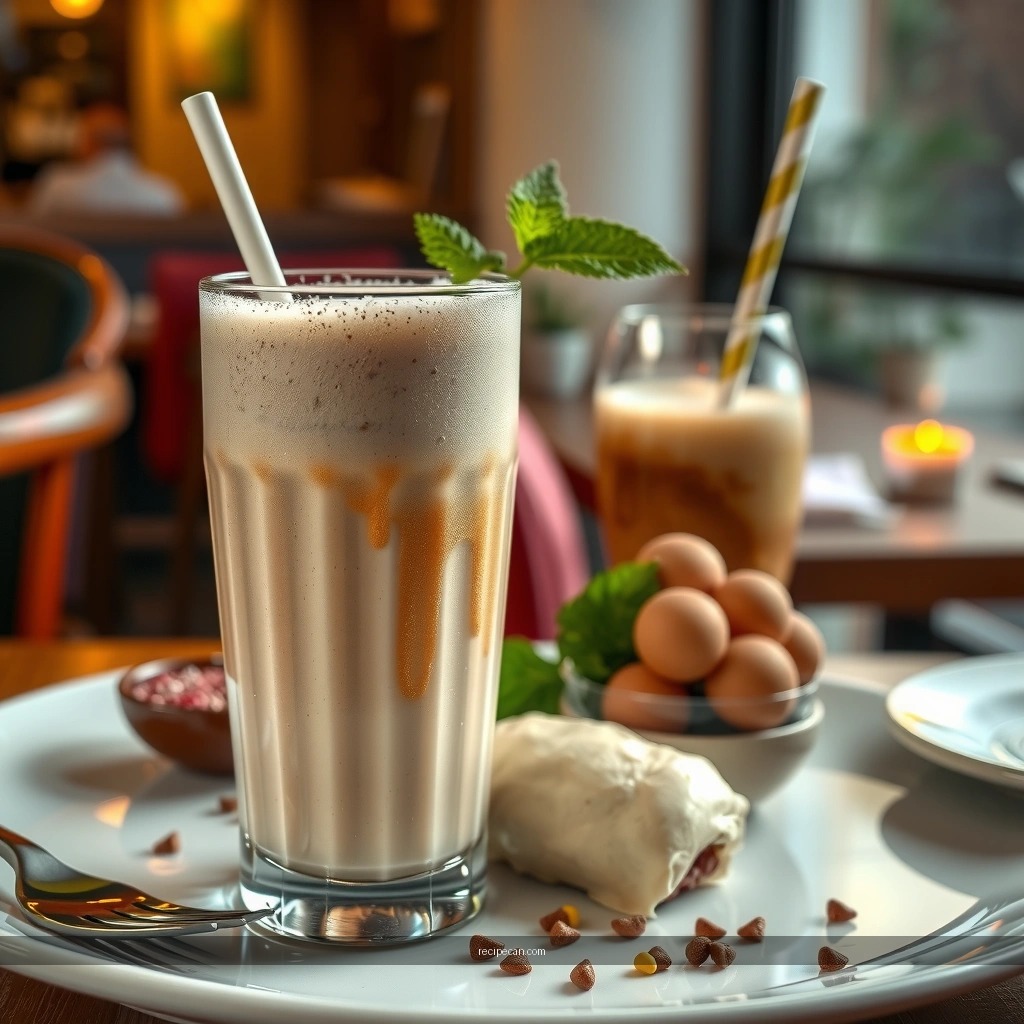
These recipes are built for speed—mix, blend, and go. Each one is designed to create a thick, satisfying shake without complicated steps.
1) Vanilla “Creamy Shake” (Banana-Peanut Butter)
What it delivers: A dessert-like profile with easy, high-protein ingredients.
– 8–12 oz milk (dairy milk or unsweetened soy milk)
– 1 scoop vanilla protein powder
– 1 small banana (fresh or frozen)
– 1–2 tbsp peanut butter
– Optional: 1/4 tsp vanilla extract or a pinch of cinnamon
– Optional for thickness: 1–2 tbsp Greek yogurt or 4–6 ice cubes
Blend: 30–60 seconds until smooth.
Why it works: Banana contributes natural sweetness and body, while peanut butter adds fat for satiety and a creamier texture.
2) Chocolate “Thick Shake” (Cocoa-Berry)
What it delivers: A rich, thick shake with antioxidant-rich fruit and a “thicker than milk” feel.
– 8–12 oz milk (try dairy milk, soy milk, or oat milk for extra creaminess)
– 1 scoop chocolate protein powder
– 1–1.5 cups frozen berries
– 1 tbsp unsweetened cocoa powder (optional if your protein powder is cocoa-forward)
– Optional: 1/2 cup Greek yogurt for extra thickness
– Optional: pinch of salt (amplifies chocolate flavor)
Blend: 45–90 seconds; scrape down once if needed.
Texture control: If it’s too thick, add 1–2 oz milk at a time. If it’s too thin, add more frozen berries or ice.
Add Flavor, Thickness, and Texture
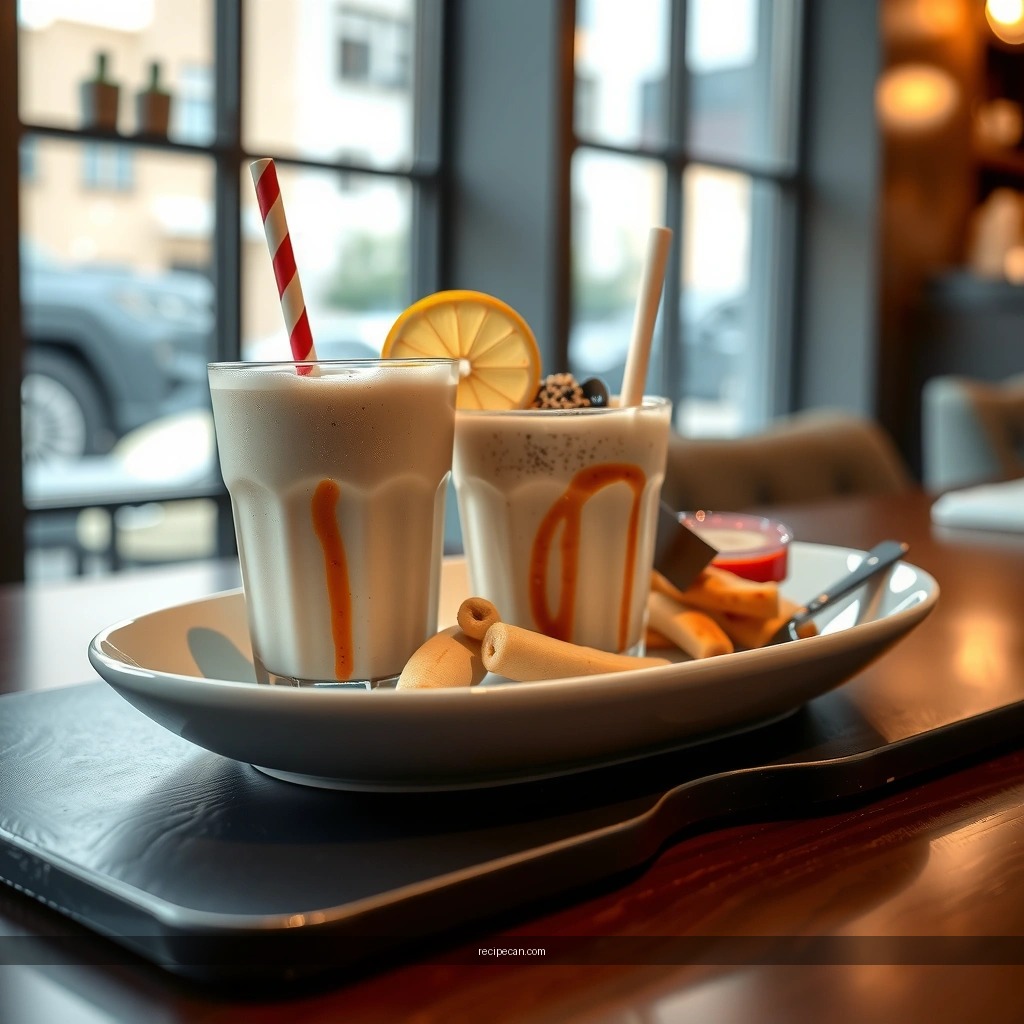
Texture is where most people struggle—powder can be chalky, thin shakes can feel watery, and sweetness can overpower flavor. The good news: you can engineer both taste and consistency.
– Boost thickness with ice, frozen fruit, or Greek yogurt
Use one thickness lever at a time:
– Ice for a “frosty” texture
– Frozen fruit for sweetness + thickness + natural flavor
– Greek yogurt for thickness and extra protein
A simple formula: if your shake doesn’t taste “thick enough,” add either frozen fruit (most consistent) or Greek yogurt (most protein-dense).
– Add flavor with cinnamon, cocoa, vanilla extract, or a pinch of salt
High-impact additions:
– Cinnamon (1/4–1/2 tsp) → boosts “warm dessert” notes without extra sugar
– Unsweetened cocoa (1 tbsp) → makes chocolate shakes taste richer
– Vanilla extract (1/2 tsp) → rounds out vanilla protein flavors
– Pinch of salt → reduces flatness and makes chocolate/peanut butter taste more vivid
Actionable troubleshooting:
– Gritty texture: increase liquid slightly and blend longer.
– Too bitter (common with some plant proteins): pair with banana, berries, or add a touch of honey.
– Too thin: add frozen fruit or a spoon of Greek yogurt; avoid just adding more liquid repeatedly.
Nutrition Tips and Simple Customizations
The best part about protein milkshake recipes is that they scale. You can tailor each shake to your training schedule and nutritional targets.
– Adjust sweetness with honey, dates, or zero-calorie sweeteners as needed
Sweetness should support flavor, not overwhelm it.
– Honey (1–2 tsp) → natural sweetness that blends well
– Dates (1–2 soft medjool dates) → caramel-like thickness (remove pits, soak if needed)
– Zero-calorie sweeteners → useful when calories are the limiting factor (follow label dosing)
If you’re using a sweetened protein powder, start with less added sweetener—taste first, then adjust.
– Increase protein by adding more powder or using higher-protein milk/Greek yogurt
Your fastest protein upgrades:
– Add an extra 1/4–1/2 scoop (only if your powder tolerates it well)
– Switch base milk from almond milk to soy milk or skim/2% milk
– Add Greek yogurt (it improves thickness and boosts protein simultaneously)
Reality check: Doubling protein powder can sometimes increase thickness and alter taste (and may upset some people’s digestion). A gradual approach (smaller increments) usually produces better consistency and stomach comfort.
Storage and Best Practices
Protein shakes are best fresh, but they can be planned in advance when needed—important for busy schedules.
– Drink immediately for the best texture, or refrigerate up to 24 hours
Over time, proteins and fibers can settle, and thickness can increase. For best results:
– Blend right before drinking if texture matters most (e.g., post-workout).
– If meal-prepping, pour into a sealed container and refrigerate promptly.
– Re-blend with a splash of milk if it thickens while storing
If the shake becomes too thick after refrigeration:
– Add 1–2 tbsp to 1/4 cup milk (depending on how thick it gets)
– Re-blend 10–20 seconds (or shake vigorously if you don’t have a blender)
Best practice: Keep add-ins consistent (especially sweeteners and dairy). Switching ingredients can change how quickly the shake thickens during storage.
Protein milkshake recipes are quick to customize and a reliable way to hit your protein goals without sacrificing flavor. Pick a base that matches your protein and calorie targets, choose a protein powder whose flavor complements your mix-ins, and use thickness tools like frozen fruit or Greek yogurt. Blend one classic recipe today—then iterate with small, deliberate changes until your shake consistently delivers the taste and nutrition you want for workouts, busy mornings, or smart snack planning.
References
- Google Scholar Google Scholar
https://scholar.google.com/scholar?q=protein+milkshake+recipes - Google Scholar Google Scholar
https://scholar.google.com/scholar?q=high-protein+milkshake+whey+protein+nutrition - Google Scholar Google Scholar
https://scholar.google.com/scholar?q=protein+shake+muscle+mass+randomized+controlled+trial - Milkshake
https://en.wikipedia.org/wiki/Milkshake - Protein supplement
https://en.wikipedia.org/wiki/Protein_shake - https://pubmed.ncbi.nlm.nih.gov/?term=protein+shake+whey
https://pubmed.ncbi.nlm.nih.gov/?term=protein+shake+whey - https://pubmed.ncbi.nlm.nih.gov/?term=whey+protein+supplementation+muscle+mass
https://pubmed.ncbi.nlm.nih.gov/?term=whey+protein+supplementation+muscle+mass - https://www.britannica.com/food/milkshake
https://www.britannica.com/food/milkshake - Hormone therapy: Is it right for you? – Mayo Clinic
https://www.mayoclinic.org/healthy-lifestyle/nutrition-and-healthy-eating/in-depth/protein-supplements/art-20046372 - https://www.sciencedirect.com/search?qs=protein%20milkshake%20whey
https://www.sciencedirect.com/search?qs=protein%20milkshake%20whey