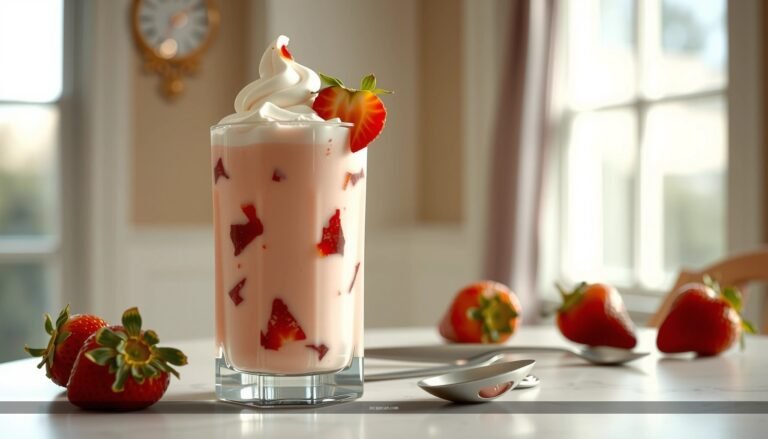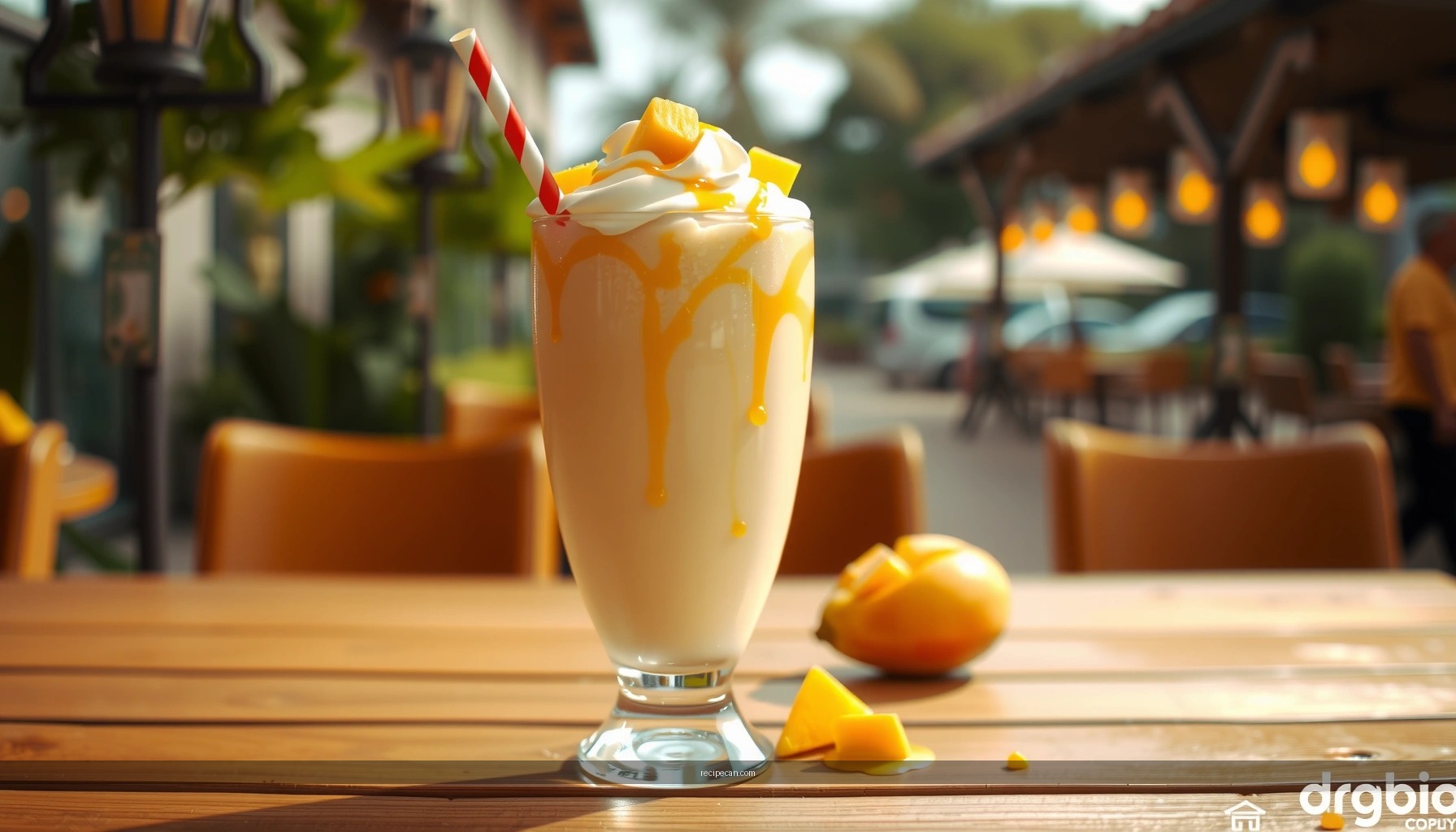
If you’re searching for a mango milkshake recipe that’s truly creamy, quick, and reliably refreshing, this is the one. You’ll get a straightforward method that delivers a smooth, thick shake with bold mango flavor—without complicated steps or specialty ingredients. Stick to the instructions and you’ll know exactly how to blend, sweeten, and serve it for peak results.
Mango milkshake is easy to make—blend ripe mango with milk and a sweetener until smooth, then adjust thickness to your preference for an instantly creamy, refreshing drink. Below is a complete guide with ingredient ratios, texture-control tips, and practical variations so you can consistently nail the best mango milkshake flavor and mouthfeel.
In a food context, mango milkshake is essentially a “cold emulsion”: crushed mango provides fiber and aroma, milk (or a plant-based alternative) provides fat and protein structure, and blending determines how well that mix turns into a uniform, spoon-thick drink. The small choices—ripeness, ice level, blend time, and sweetness balance—are what separate an average smoothie-like shake from a true creamy mango milkshake.
Mango Ripeness Signals vs. Milkshake Performance (Practical Guide)
| # | Mango Condition (What You’ll Notice) | Typical Flavor | Best Use in Shake | Milkshake Rating |
|---|---|---|---|---|
| 1 | Fragrant, slightly soft to gentle pressure | Honey-sweet, tropical, low tartness | Best for full sweetness + creamy blend | ★★★★★ |
| 2 | Ripe color, firm but yields slightly when pressed | Sweet with mild tang | Good base; adjust sweetener | ★★★★☆ |
| 3 | Mostly firm, little aroma | Less sweet, slightly grassy | Use with extra ripe mango or sweetener | ★★★☆☆ |
| 4 | Under-ripe (hard), very sour/tart | Sharp, tart, can taste “green” | Not ideal—may need balancing and longer blending | ★★☆☆☆ |
| 5 | Very ripe, maximum softness (slightly jammy) | Intensely sweet, aromatic, creamy texture | Great for thickness; reduce ice/milk as needed | ★★★★★ |
| 6 | Frozen mango chunks (store-bought or homemade) | Consistent sweetness; slightly less nuanced aroma | Ideal for chilled thickness without extra ice | ★★★★☆ |
| 7 | Canned mango slices (in juice) | Sweet and soft; may be less “fresh” | Convenient; reduce added sweetener | ★★★☆☆ |
Choose the Best Mango for Mango Milkshake

The quality of your mango is the single biggest lever for an outstanding mango milkshake. When mango flavor is muted or watery, even perfect blending won’t deliver that signature tropical sweetness.
– Use ripe, fragrant mangoes for maximum sweetness and flavor
A ripe mango should smell strongly fruity near the stem and feel slightly soft under gentle pressure. This ripeness translates into more sugar, better aroma compounds, and a smoother puree with fewer fibrous bits.
– Peel and cut the mango into chunks for easier blending
Uniform chunks blend more evenly, reducing the chance of “mango string” texture. Aim for pieces that are small enough to blend quickly—especially if your blender tends to stall or needs frequent scraping.
– For extra creaminess, mix fresh mango with a few frozen pieces
Frozen mango boosts thickness and chill without diluting flavor. A practical approach is to start with fresh mango for taste and add a small handful of frozen chunks for body—then blend and adjust milk or ice depending on the thickness you want.
Ingredients for a Creamy Mango Milkshake
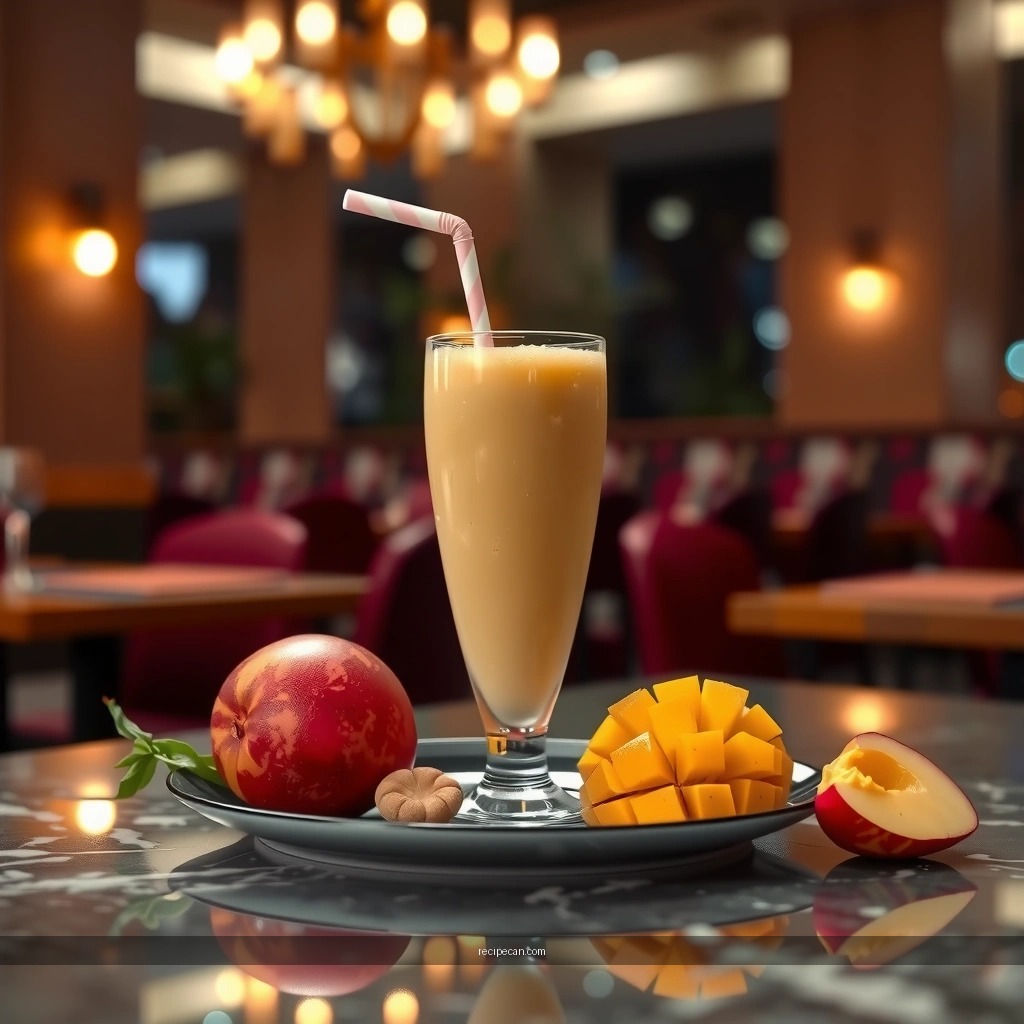
A classic mango milkshake ingredient set is simple, but choosing the right ratios keeps it creamy rather than icy or watery. You can build it with dairy or a plant-based base while maintaining a smooth texture.
– Mango + milk (dairy or plant-based) for a smooth base
Use whole milk for the creamiest result, or choose a thicker plant milk (like oat milk) to avoid a thinner mouthfeel. If you use low-fat milk, consider adding a spoon of yogurt or condensed milk to restore richness.
– Sweetener to taste (honey, sugar, or condensed milk)
Mango sweetness varies by ripeness, so add sweetener gradually. Condensed milk is especially effective for achieving a “milkshake shop” creaminess, because it brings both sugar and body.
– Optional add-ins: yogurt, vanilla extract, or a pinch of salt
Yogurt adds tang and protein that can stabilize the emulsion and enhance texture. Vanilla rounds out mango aromatics, while a pinch of salt can make the fruit taste brighter—without tasting salty.
Recommended baseline ratio (for 2 servings):
– Mango (peeled, chopped): ~2 cups
– Milk: ~3/4 to 1 cup (start at 3/4 cup)
– Sweetener: 1–2 tablespoons, adjusted to taste
Step-by-Step Mango Milkshake Recipe

This method is designed for reliability: blend thoroughly, then fine-tune thickness and sweetness. If your goal is a smooth mango milkshake (not a fibrous smoothie), these steps matter.
– Blend mango, milk, and sweetener until fully smooth
Add mango first, then milk, then sweetener. Blend on high until you see no visible chunks. Stop, scrape down the sides, and blend again if needed—this helps prevent unmixed mango from creating graininess.
– Adjust thickness by adding more milk or more mango
If the shake is too thick, add milk one tablespoon at a time. If it’s too thin, add more mango or a small handful of frozen mango. The key is incremental adjustments so the shake stays cohesive.
– Taste and tweak sweetness before serving
Taste after blending, not before. Mango flavors bloom when mixed with cold dairy, but tartness may still show—especially with under-ripe fruit. Add sweetener gradually, then blend for 10–15 seconds more to integrate.
For consistency, aim for a texture that pours slowly from a spoon—thick enough to feel indulgent, yet smooth enough to drink through a straw.
Achieving the Perfect Texture
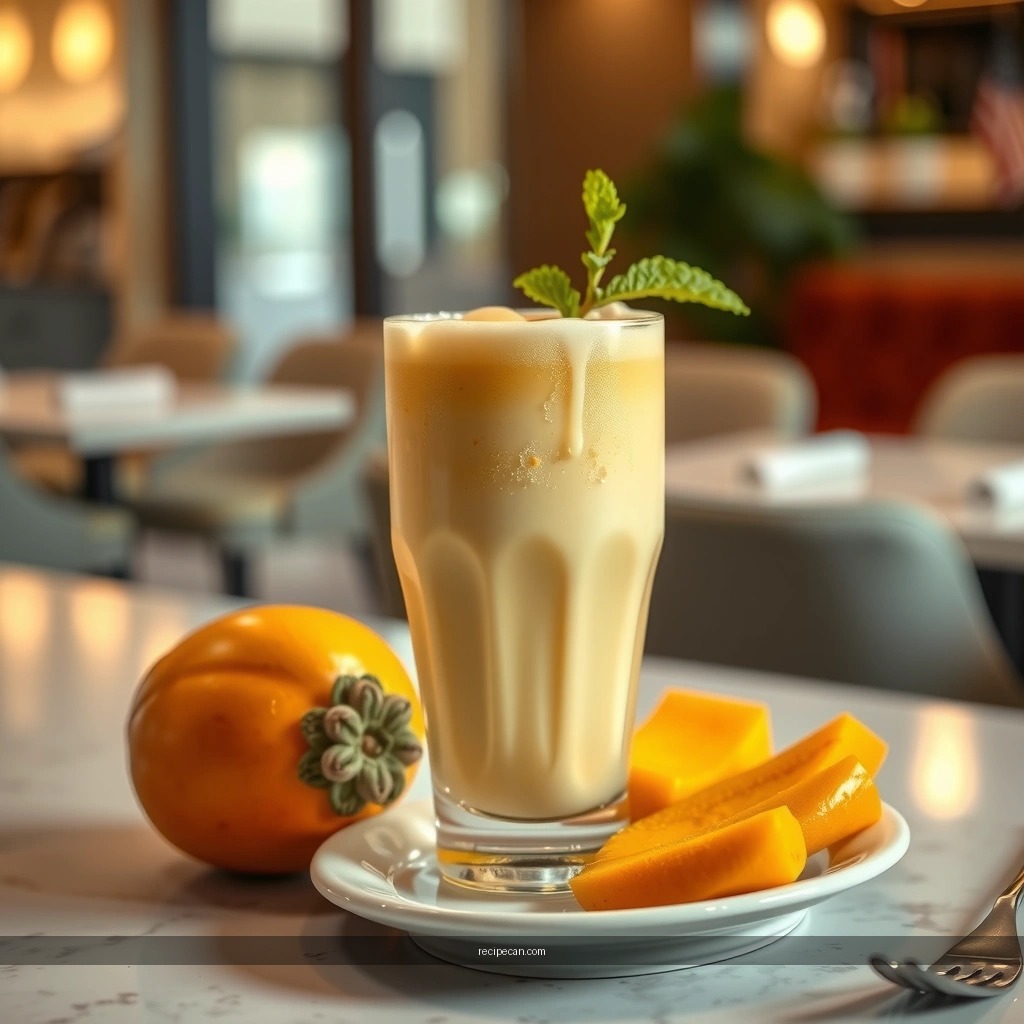
A creamy mango milkshake is less about adding “cream” and more about controlling chilling, fiber breakdown, and blend time. Texture is where most homemade shakes succeed or fail.
– Use ice or frozen mango to thicken and chill the shake
Frozen mango is usually better than loose ice because it adds flavor and thickness with less dilution. If you do use ice, start small (a few cubes) and blend quickly, then reassess thickness.
– Blend longer for a silkier, less fibrous result
Mango contains naturally fibrous strands, especially near the pit. Blending long enough and scraping the blender jar ensures those fibers fully break down. If your blender struggles, strain the shake once through a fine mesh and then stir back—this is a professional trick for ultra-smooth results.
– Serve immediately for the best consistency
As the shake warms slightly, it can loosen in thickness. Serve chilled glasses right away and garnish to keep the presentation appetizing and the mouthfeel at peak creaminess.
If you’re preparing for guests, you can pre-chill the glasses and portion the ingredients, then blend right before serving for best texture.
Flavor Variations to Try
Mango milkshake is highly customizable, and small additions can significantly shift flavor balance—from creamy-tangy to spiced aromatic to extra-indulgent dessert-style.
– Add yogurt for a tangy, creamier mango milkshake
Use plain yogurt (or Greek yogurt) for a thicker, lightly tangy profile. Start with 1–2 tablespoons for 2 servings and increase if you want a more “lassi-inspired” drink.
– Sprinkle cardamom or cinnamon for a warm, aromatic twist
Cardamom pairs naturally with mango, adding an aromatic depth that feels especially good during warm weather evenings. Cinnamon adds a familiar sweetness; use a light hand (a pinch) so it doesn’t overpower the fruit.
– Make it extra indulgent with condensed milk or a scoop of ice cream
Condensed milk makes the shake sweeter and thicker, while ice cream (vanilla or mango-leaning flavors) boosts fat content and dessert-like texture. If using ice cream, reduce added milk to prevent the shake from becoming overly soft.
Practical variation idea:
– “Creamy Yogurt Mango Shake”: Add 3–4 tablespoons yogurt and blend until fully uniform.
– “Cardamom Mango Shake”: Add 1/4 teaspoon ground cardamom (or slightly less) and a small pinch of salt to brighten flavor.
Serving and Storage Tips
Great mango milkshake is a fresh, cold experience—so how you serve and store it affects both texture and satisfaction.
– Serve in chilled glasses with mango slices or a straw garnish
Chilled glassware helps maintain thickness longer. Mango slices or a mint sprig improve visual appeal and reinforce the fruit-forward profile. A wide straw works well for spoon-thick shakes.
– For best taste, drink right after blending
Blended mango can lose some structural stability as it warms and settles. If it sits, give it a quick stir or re-blend briefly to restore uniformity.
– Store leftovers in the fridge and stir well before sipping
Transfer to an airtight container and refrigerate promptly. Expect slight separation (normal for fruit-and-dairy emulsions). Stir thoroughly before drinking; if it thickens too much, add a splash of milk and whisk/blend briefly.
As a practical guideline for planning: mango milkshake is best within 24 hours for texture quality, though flavor will remain enjoyable beyond that depending on mango ripeness and dairy freshness.
Mango milkshake is a quick, creamy blend of ripe mango, milk, and sweetener—customizable for thickness and flavor. Try the step-by-step recipe, adjust the texture to your liking, and then explore a variation like yogurt or cardamom. Make it today and share your favorite twist!
References
- Google Scholar Google Scholar
https://scholar.google.com/scholar?q=Mango+milkshake+recipe - Google Scholar Google Scholar
https://scholar.google.com/scholar?q=mango+smoothie+dairy+beverage+formulation - Google Scholar Google Scholar
https://scholar.google.com/scholar?q=mango+fruit+milk+drink+blending+emulsification - Milkshake
https://en.wikipedia.org/wiki/Milkshake - Mango
https://en.wikipedia.org/wiki/Mango - Smoothie
https://en.wikipedia.org/wiki/Smoothie - Lassi
https://en.wikipedia.org/wiki/Lassi - Condensed milk
https://en.wikipedia.org/wiki/Sweetened_condensed_milk - Milk
https://en.wikipedia.org/wiki/Milk - https://en.wikipedia.org/wiki/Ice_cream
https://en.wikipedia.org/wiki/Ice_cream