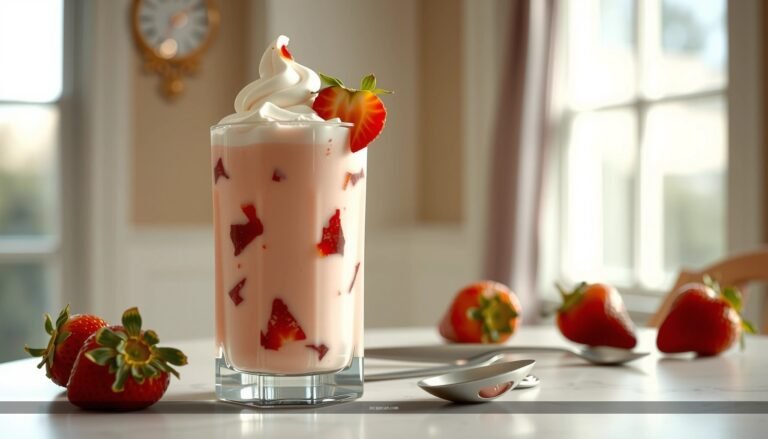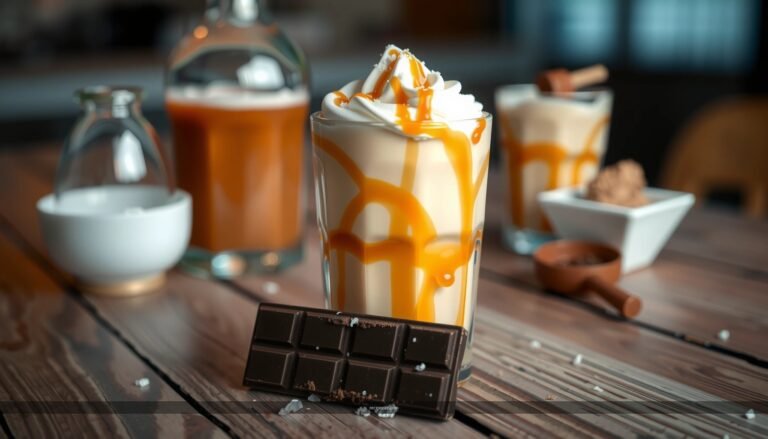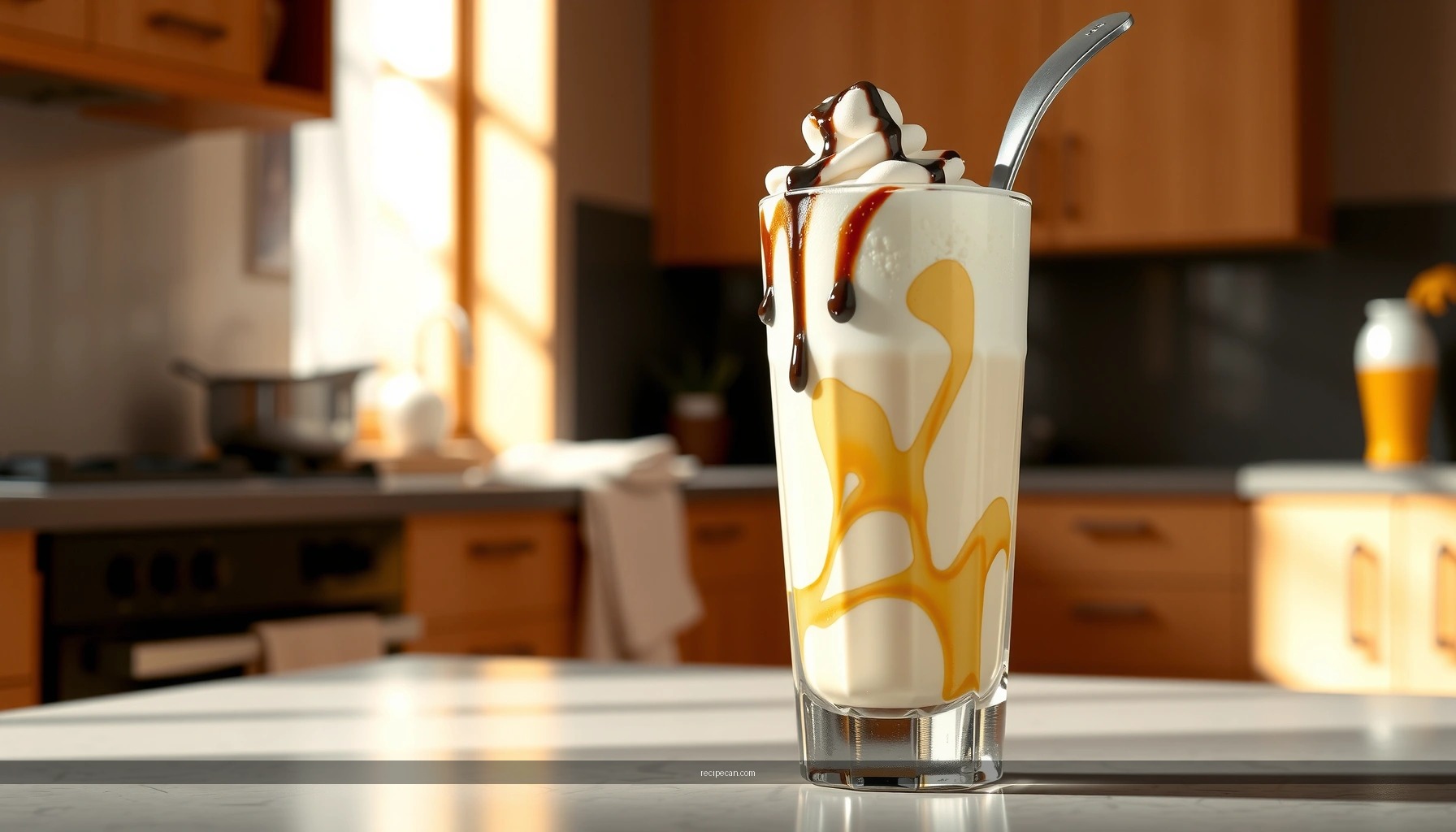
This simple, creamy homemade milkshake recipe delivers the best results if you want a thick, spoonable shake in minutes with classic flavor and minimal prep. Follow the straightforward method for a smooth texture, the right sweetness, and a perfectly balanced dairy base. You’ll also get clear guidance on choosing ingredients so your milkshake turns out reliably—no guesswork, no watery disappointment.
Make a classic homemade milkshake by blending cold milk, ice cream, and your favorite flavor until smooth—then serve immediately for the best thickness. With the right milk-to-ice-cream ratio (and small, controlled adjustments), you can consistently achieve that “counter-top diner” texture instead of a watery shake.
Choose Your Milkshake Base

A great milkshake starts with the right ingredients and the right temperatures. In analytical terms, texture is controlled by fat content, frozen solids, and how quickly ice crystals melt during blending and serving. For most people, the easiest path to a reliable classic milkshake is: cold milk + cold ice cream + a simple base flavor.
Vanilla ice cream for a classic foundation
Vanilla is versatile and makes it easier to fine-tune chocolate, fruit, or cookie flavors without overpowering them. If you want a more complex “dessert-like” profile, try using premium vanilla ice cream with higher butterfat—this usually improves mouthfeel and reduces graininess.
Whole milk (or your preferred alternative) for richness
Whole milk creates a creamier body because of its higher fat content compared with low-fat options. If you use dairy-free milk, choose one designed for barista-style or “unsweetened oat” for better creaminess; otherwise the shake can turn thin and icy.
Start with a ratio of about 2 parts ice cream to 1 part milk
That baseline works because it keeps enough frozen dairy solids to create a thick, scoopable blend. If you typically find your shakes too thick, reduce the ice cream slightly. If your shakes are too thin, keep the ice cream steady and reduce the milk.
Milk + Ice Cream: Typical Fat & Thickness Impact (Practical Guide)
| # | Milkshake Base Choice | Milk Fat (Approx.) | Ice Cream Fat (Approx.) | Expected Thickness |
|---|---|---|---|---|
| 1 | Whole milk + vanilla ice cream | ~3.25% | ~14% | Very thick |
| 2 | 2% milk + vanilla ice cream | ~1.9% | ~14% | Thick |
| 3 | Skim milk + vanilla ice cream | ~0.1% | ~14% | Medium-thick |
| 4 | Oat milk + vanilla ice cream | ~2–5% | ~14% | Thick |
| 5 | Almond milk + vanilla ice cream | ~1–2% | ~14% | Medium-thick |
| 6 | Whole milk + low-fat frozen dessert | ~3.25% | ~6–10% | More likely thin |
| 7 | Cold milk + super-premium high-fat ice cream | ~3.25% | ~16–18% | Extra thick |
Add Flavor and Mix-Ins
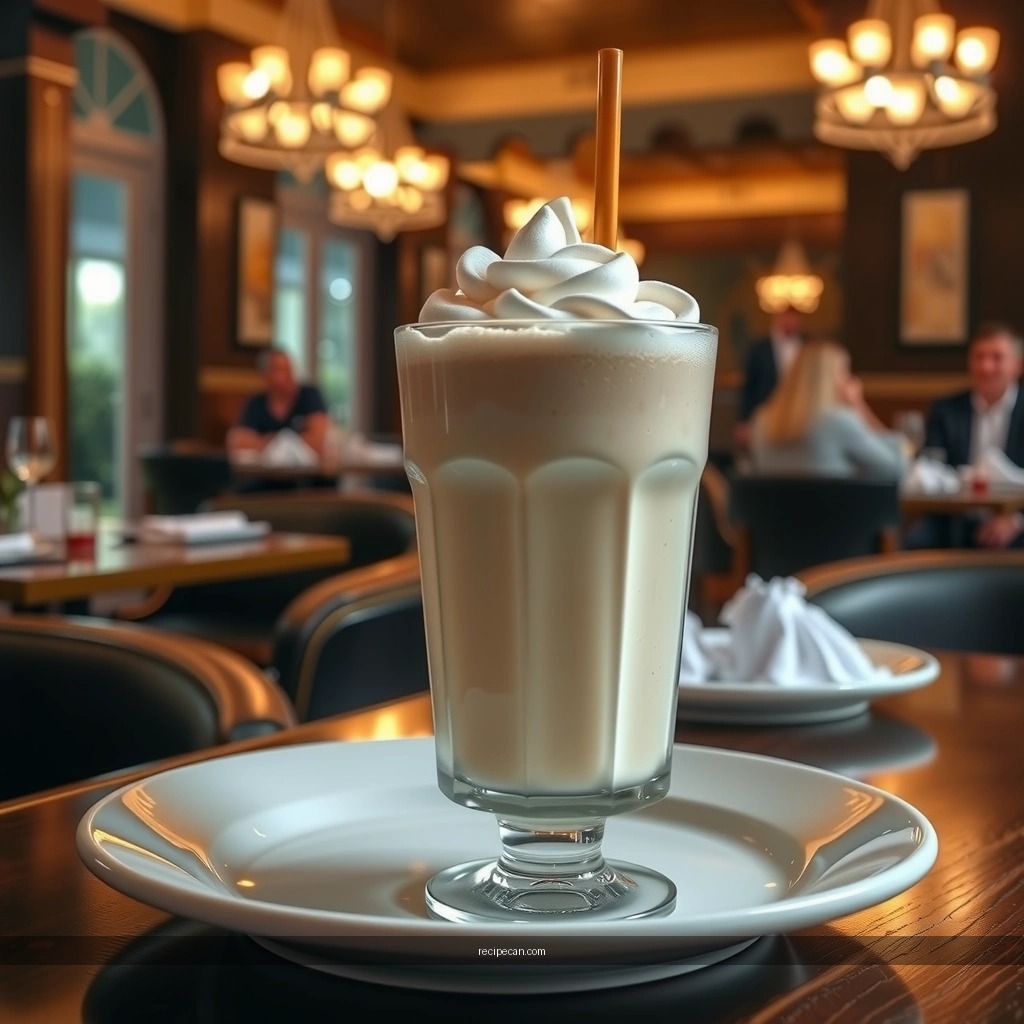
Flavor is where a basic milkshake becomes yours. The key is to add flavor in a way that doesn’t compromise emulsification and texture. In practice, you’re balancing sweetness, cocoa or fruit acidity, and the extra water released by mix-ins.
Start with a flavor profile you can scale
Chocolate, vanilla, and strawberry are the most forgiving. Chocolate works well with cocoa powder or chocolate syrup; vanilla shines with vanilla extract; strawberry is best when you use less watery fruit or strawberry jam.
– For chocolate milkshake, aim for cocoa powder plus a little syrup if you want “fudge-like” sweetness.
– For vanilla milkshake, use pure vanilla extract rather than vanilla-flavored sugar syrups for cleaner flavor.
– For strawberry milkshake, blend frozen strawberries or use a concentrated strawberry ingredient to avoid dilution.
Mix-ins: use them strategically
Popular mix-ins—chocolate syrup swirls, cookie crumbles, brownies, or fresh fruit—can add texture and contrast. But they also change thickness because pieces soak up liquid and release moisture.
Good options for thick, blendable results:
– Chocolate syrup (adds flavor without adding solids that require lots of liquid)
– Cookie crumbles (start with small amounts; they can thicken the shake as they hydrate)
– Fresh or frozen fruit (use frozen for thickness, and keep portion sizes moderate)
Avoid overloading for blendability
If you add too many chunks, your blender can leave uneven bits or force you to blend longer—both can warm the ingredients and thin the shake. A safe rule: keep mix-ins to roughly 2–3 tablespoons per serving for “classic-thick” results, then adjust based on your blender power and the mix-in type.
Blend for the Right Consistency
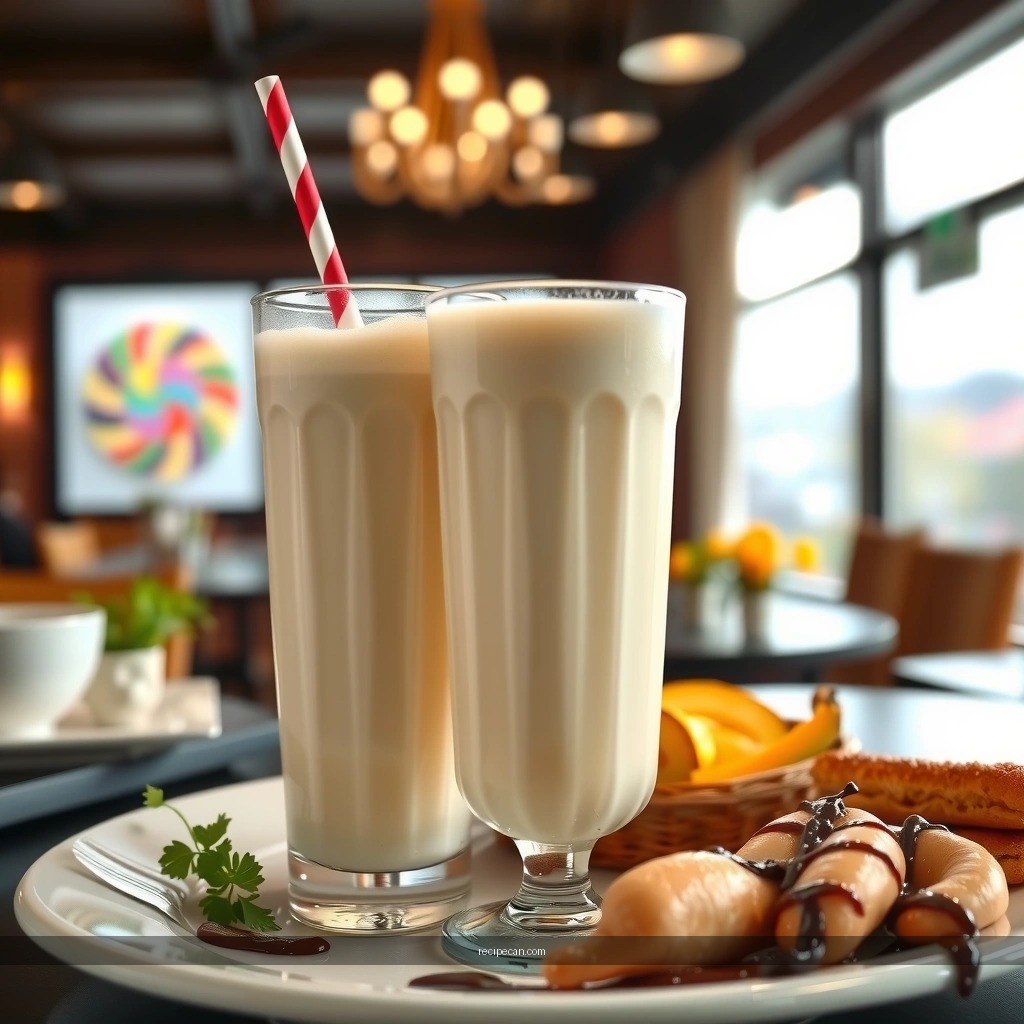
Milkshake texture is time- and temperature-dependent. Blend long enough to fully emulsify fats and liquids, but not so long that the ice cream warms and melts. That’s why the same recipe can behave differently depending on blender friction and batch size.
Blend 30–60 seconds until smooth
For most home blenders, 30–60 seconds hits the sweet spot. You’re looking for a creamy, uniform texture with no icy pockets.
If it’s too thick, add milk 1 tablespoon at a time
This is one of the most important technique points. Adding milk gradually prevents you from overshooting into a “soda-like” thinness. Milk also changes sweetness perception—so go slow to keep flavors balanced.
If it’s too thin, correct with more frozen body
To thicken a thin shake, add more ice cream and/or a few ice cubes. Ice cubes can help quickly, but too many can water down flavor—so prioritize extra ice cream first.
Operational tip: blend, stop, and assess
Don’t blend continuously on autopilot. Pause briefly, check consistency, then blend again for 5–10 seconds if needed. This reduces overheating and gives you control.
Make It Extra Thick (Without Losing Flavor)
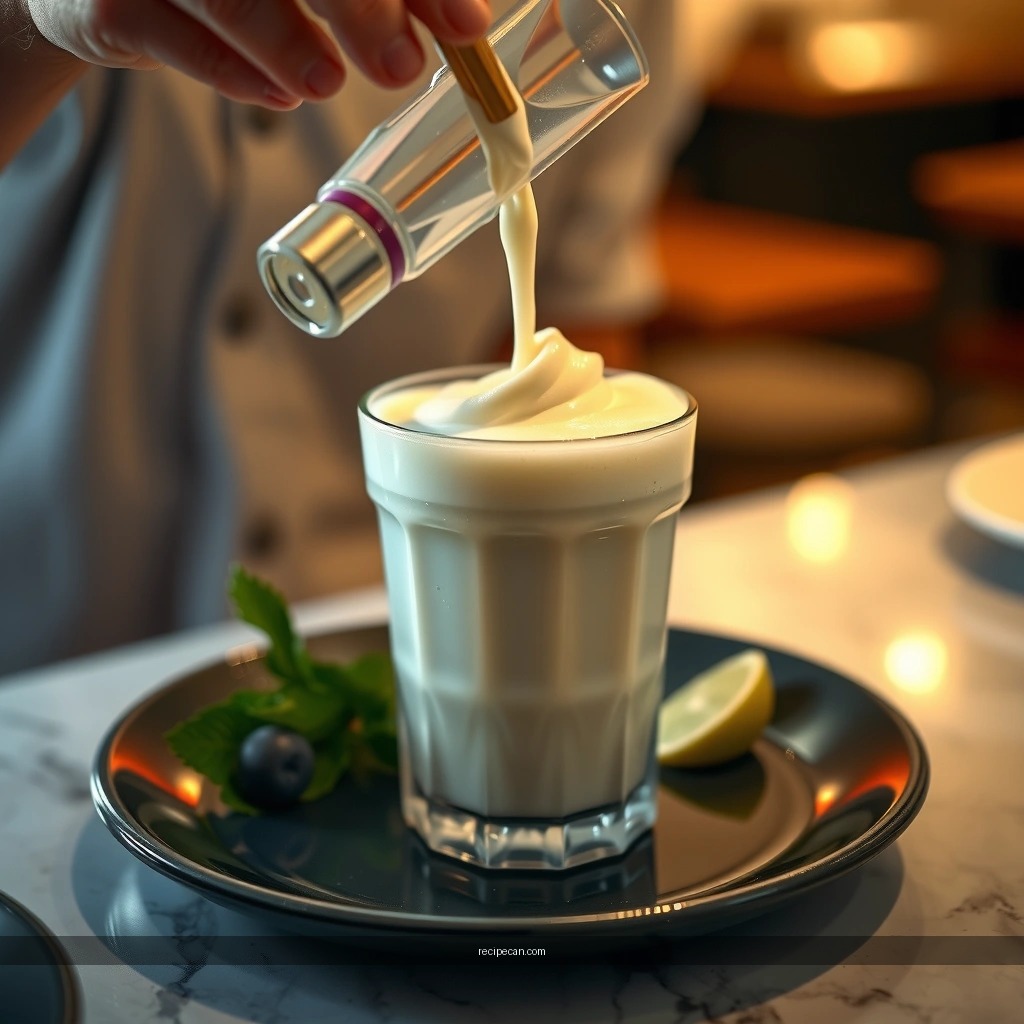
Thicker doesn’t have to mean heavier. The goal is to increase frozen solids and reduce dilution, while keeping your flavor compounds evenly distributed.
Chill ingredients beforehand
Cold ingredients reduce melt rate. If your ice cream is slightly soft, your shake will thin faster. For best results, keep ice cream in the coldest part of the freezer and use milk straight from the refrigerator.
Use fewer mix-ins that release extra liquid
Juicy fruit is the most common culprit. Frozen fruit generally releases less liquid than fresh, but even frozen strawberries can thin the shake if you use too much. If you love fruit, consider combining:
– Frozen fruit (smaller portion)
– A flavor concentrate (like jam or a modest amount of syrup)
Optional thickening methods that preserve flavor
– Add an extra scoop of ice cream (most reliable, best flavor retention)
– Use malt powder for a “classic diner” thickness and depth (it adds body without relying only on water content)
If you want thickness with a dessert-forward flavor, malt powder is often the most efficient lever—just add gradually and taste as you go.
Serve and Finish Like a Pro
Serving is not an afterthought—milkshakes are time-sensitive desserts. Once poured, heat transfer and ice crystal melting begin immediately, which can shift texture from thick and creamy to thin and airy.
Pour into a chilled glass
A chilled glass slows melting at the surface and helps maintain thickness. If you don’t have time to chill glassware, even a quick rinse with cold water can help.
Top with whipped cream, sprinkles, or syrup
Toppings add aroma and visual appeal, but keep them aligned with your shake’s flavor:
– Whipped cream + chocolate drizzle for a classic cocoa profile
– Sprinkles for a playful vanilla or strawberry shake
– A small extra swirl of syrup for “layered” presentation
Serve right away
This is the single most repeatable success factor. A milkshake is best in the first couple of minutes after blending, when texture is at its most stable.
Troubleshooting Common Milkshake Problems
Even when you follow a good base recipe, outcomes vary. The fastest way to master homemade milkshakes is to troubleshoot methodically—by diagnosing the texture problem and adjusting the relevant variable (time, temperature, ratio, or blend power).
Grainy texture
Cause: under-blending, overly hard ice cream, or insufficient emulsification.
Fix: blend longer within the 30–60 second target, and start with softer but still cold ice cream (not melted). If your ice cream is rock-hard, let it sit 2–3 minutes before measuring.
Weak flavor
Cause: insufficient flavoring or dilution from extra milk.
Fix: add flavor in small increments—1 teaspoon at a time for cocoa, syrup, or extracts—then blend briefly (5–10 seconds) to fully integrate.
Separated shake (looks watery or split)
Cause: blend delayed after ingredients warmed, or ingredients not cold enough.
Fix: blend immediately after adding ingredients, and ensure both milk and ice cream are cold. If separation occurs, re-blend right away; the blender can often re-emulsify fats and liquids.
A quick “quality control” check
Before serving, observe:
– Is it uniform (not icy)?
– Does it hold thickness when you lift the blender cup slightly?
– Does it pour slowly rather than immediately rushing like juice?
These simple checks reduce guesswork and improve consistency.
Homemade milkshakes are all about the right blend: cold milk, ice cream, and your chosen flavor, mixed until smooth and served fresh. Pick your base, add flavor and mix-ins, adjust thickness as you go, and finish with toppings—then try one variation today (vanilla, chocolate, or strawberry) and make it your own.
References
- Milkshake
https://en.wikipedia.org/wiki/Milkshake - https://www.britannica.com/topic/milkshake
https://www.britannica.com/topic/milkshake - Search recipes – BBC Food
https://www.bbc.co.uk/food/search?q=milkshake - https://www.theguardian.com/search?q=milkshake
https://www.theguardian.com/search?q=milkshake - https://www.nytimes.com/search?query=milkshake%20recipe
https://www.nytimes.com/search?query=milkshake%20recipe - https://pubmed.ncbi.nlm.nih.gov/?term=milkshake
https://pubmed.ncbi.nlm.nih.gov/?term=milkshake - https://www.sciencedirect.com/search?qs=milkshake&show=25
https://www.sciencedirect.com/search?qs=milkshake&show=25 - Google Scholar Google Scholar
https://scholar.google.com/scholar?q=milkshake+recipe - Google Scholar Google Scholar
https://scholar.google.com/scholar?q=milkshake+nutrition+composition - Google Scholar Google Scholar
https://scholar.google.com/scholar?q=milkshake+ingredients+and+preparation