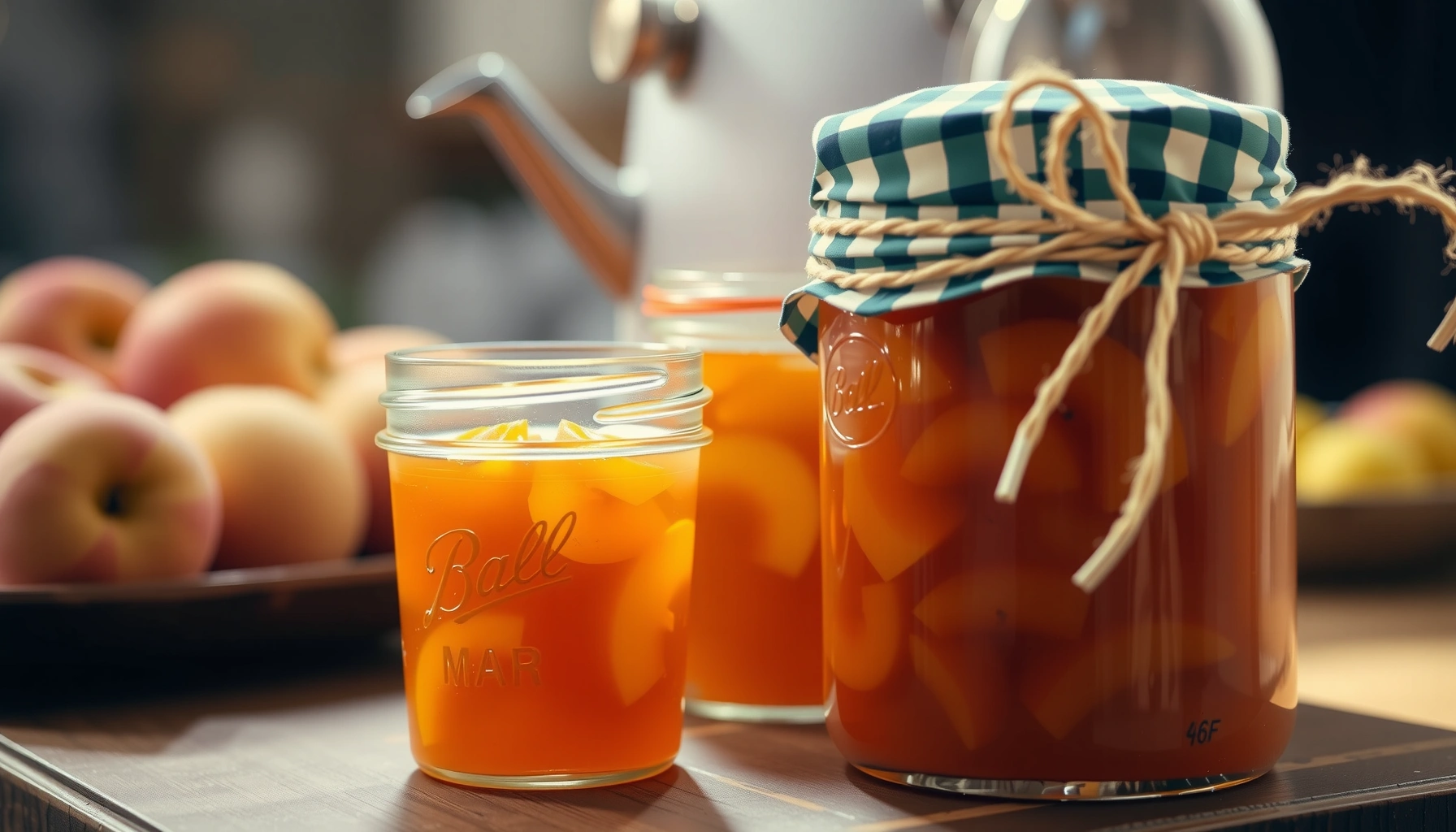
Ball peach jam is the clear winner when you want a sweet, spoonable spread with canning confidence, and this recipe delivers it with straightforward, step-by-step instructions. You’ll learn exactly how to cook the peaches into jam, hit the right set, and safely can it for pantry-ready results. If your goal is easy Ball peach jam that tastes like peak summer, this is the version that answers that question.
Make classic Ball-style peach jam by simmering ripe peaches with sugar and lemon until thick, then water-bath canning in sterilized jars for a safe, shelf-stable result. This guide walks you through the exact cooking cues (not just time), proper jar prep for reliable seals, and storage so you can enjoy homemade peach jam all year.
Ingredients for Ball Peach Jam
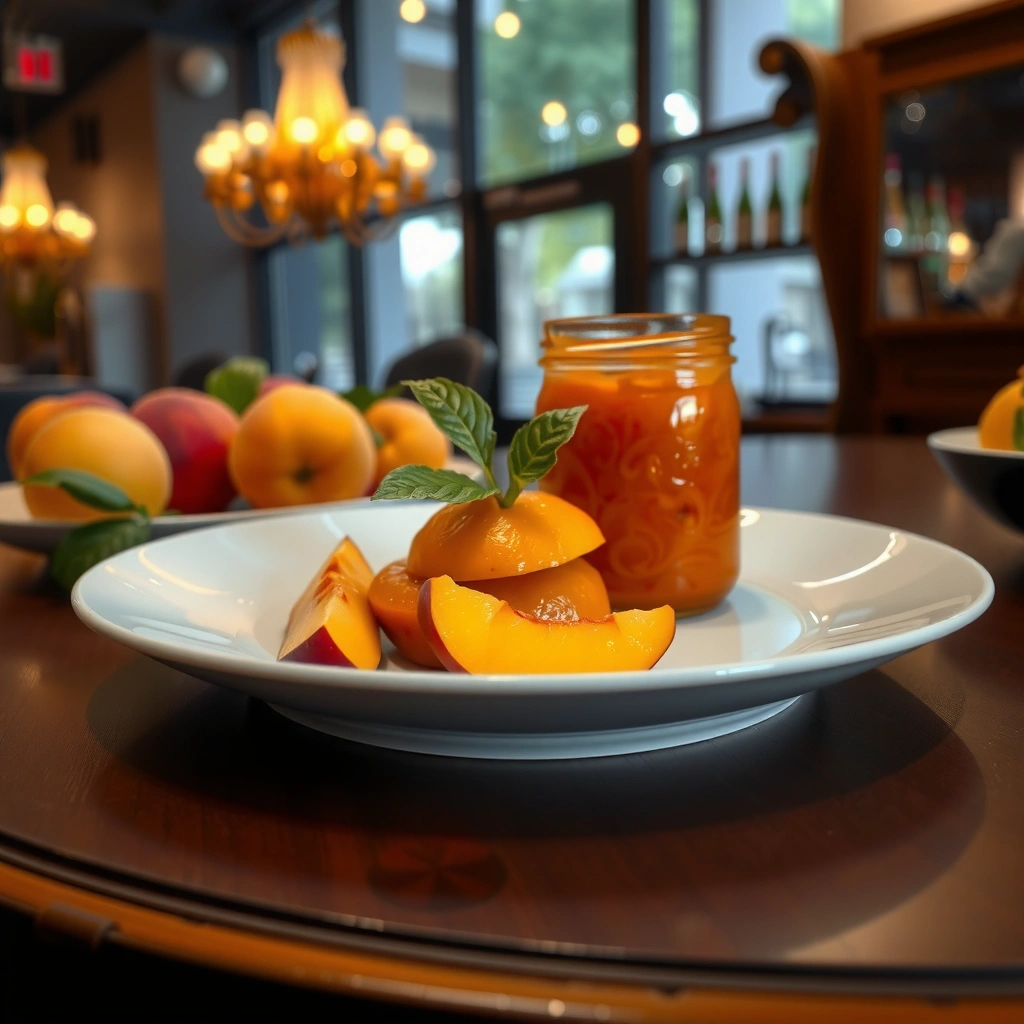
– Use ripe, juicy peaches, plus sugar and lemon juice for natural brightness
– Optional: a small amount of pectin (if needed for your preferred thickness)
To make peach jam that gels cleanly and tastes “like peaches,” focus on three drivers: fruit ripeness, sugar balance, and enough natural acidity. Ripe peaches contribute natural pectin and sweetness; lemon juice boosts acidity, improving flavor brightness and helping set.
Core ingredient guidance (for consistent results):
– Peaches: Use fully ripe freestone or clingstone peaches (freestone is usually easier for clean slices). Slightly overripe peaches are fine as long as they’re not fermented or moldy.
– Sugar: Standard canning recipes rely on sugar for structure and safe preservation. If you prefer a less-sweet jam, consider a tested “reduced sugar” pectin product and follow its directions exactly.
– Lemon juice: Provides acidity and enhances flavor. Bottled lemon juice is consistent for canning; fresh lemon is also acceptable if you’re confident in acidity, but bottled is more predictable.
– Pectin (optional): If your peaches are very ripe (and lower in natural pectin) or you want a firmer jam texture, pectin can help. Choose canning-tested pectin and add it according to the package instructions (timing matters).
Quick reference: yield and thickness expectations
Your final yield varies with peach water content and how finely you mash/slice. Jam that’s cooked to “sheeting from a spoon” will spread on toast; jam that’s cooked a bit further will mound and hold shape.
Typical Jam Outcomes from Peach Ripeness & Cooking Cues
| # | Peach Condition | Cook Cue | Likely Set Strength | Outcome |
|---|---|---|---|---|
| 1 | Fully ripe, juicy | Thick “sheeting” off spoon; wrinkles on cold plate | Medium | Balanced spreadable jam |
| 2 | Slightly under-ripe | Jam reaches gel stage slightly sooner | High | More “firm” consistency |
| 3 | Overripe but not damaged | Longer simmer may be needed for set | Low–Medium | May be softer if undercooked |
| 4 | Mixed ripeness batch | Prioritize the cold-plate wrinkle test | Medium | Most consistent results when tested |
| 5 | Very watery peaches | Expect extra evaporation time | Low if rushed | Runny risk without full cook |
| 6 | Add tested canning pectin | Gel quickly after boil | High | Consistent thickness every batch |
| 7 | Overcooked jam | Too stiff; may pull into a gel mass | Very high | Thick, harder-to-spread texture |
Prep and Sterilize Your Jars
– Sterilize jars and keep them warm until you’re ready to fill
– Prepare lids and bands according to canning guidelines for best seals
Jar preparation is where “easy” becomes “reliable.” Even the best peach jam can fail to seal if jars are dirty, cold, or rim surfaces aren’t perfect.
What to do (step-by-step best practice):
1. Wash jars in hot soapy water, rinse well, and inspect for chips or cracks.
2. Sterilize jars using your canning method (many Ball-style recipes use sterilized jars; follow the system you’re using). Keep jars hot so they don’t crack when filled.
3. Keep lids controlled: Use new lids for each batch if recommended by your lid system. Bands are reusable in many systems, but lids are designed for one-time sealing performance.
4. Avoid rim contamination: Don’t touch the sealing surface. If you do, replace the lid or wipe it clean according to guideline safety standards.
5. Set up a filling station: Place a towel on your counter, arrange jars in the order you’ll fill them, and keep a ladle, headspace measuring tool (optional), and damp clean cloth ready.
Seal-readiness checklist:
– Jars are hot (not steaming hot to the point of splashing, but warm enough to prevent thermal shock).
– Rims are clean and dry.
– Lids sit flat without gaps.
– No sticky peach residue on the rim area.
How to Cook the Peach Jam
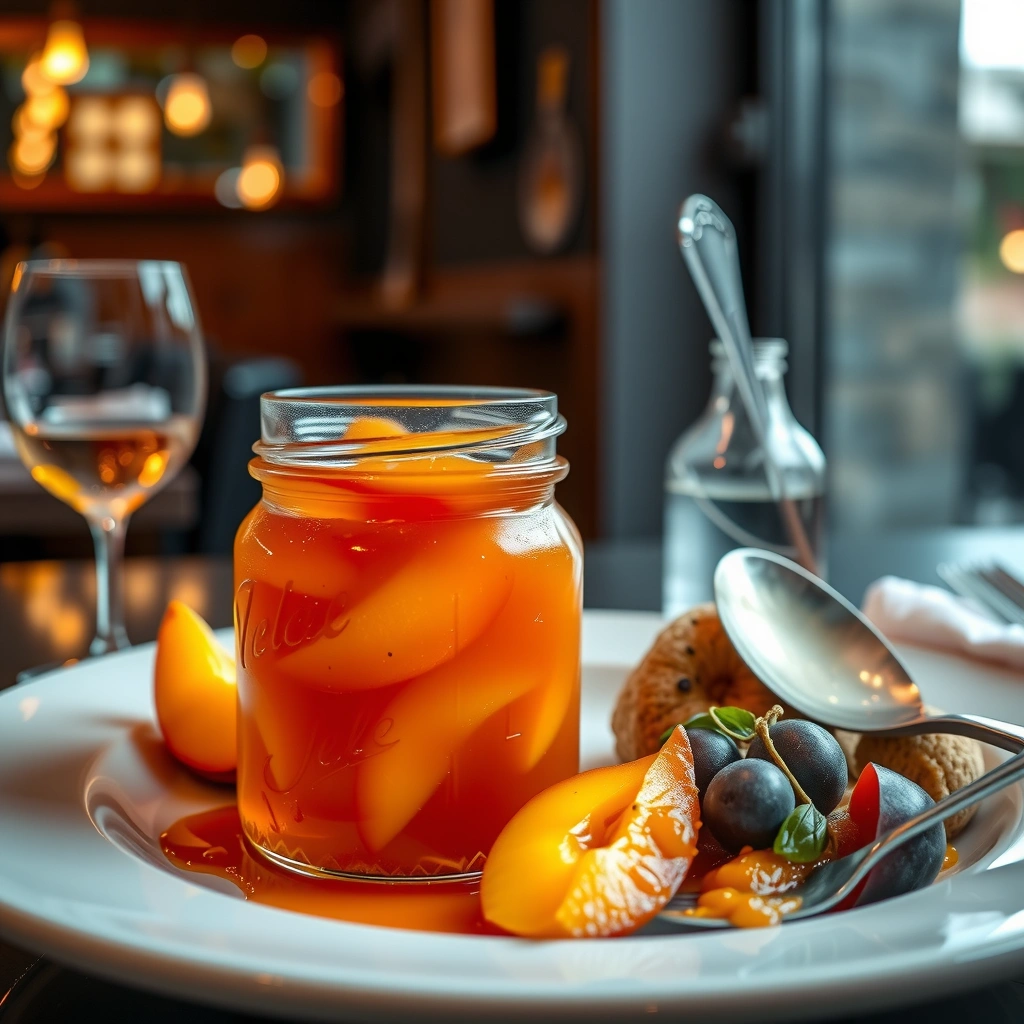
– Simmer peaches and sugar until the fruit softens and the mixture thickens
– Stir frequently and watch consistency to reach a jam-like texture
Cooking is the heart of peach jam—your goal is the jam stage, not merely “boil for X minutes.” Sugar concentration, peach moisture, and heat level all affect set.
A practical cooking workflow:
1. Prepare peaches: Peel if you prefer smooth jam; leave skins on if you want a more rustic texture. Chop into small pieces to help the jam cook evenly.
2. Combine peaches and sugar: Stir to dissolve sugar before turning the heat up too high. Dissolving earlier reduces scorching risk.
3. Simmer and mash: As peaches soften, use a potato masher for a classic “chunky jam” texture, or blend lightly for a finer consistency.
4. Add lemon juice: Stir in lemon juice to brighten flavor and support setting.
5. Cook to jam thickness: Stir frequently, especially as it thickens. Skim foam if desired for appearance.
Use jam “tests” (recommended because fruit variability is real):
– Cold plate test: Chill a small plate in the freezer. Spoon a bit of jam onto the plate, let it sit 30–60 seconds, then push with your finger. If it wrinkles and doesn’t run back immediately, it’s close to gel stage.
– Spoon sheet test: Jam should cling and sheet off a spoon rather than drip like syrup.
Optional pectin timing (if using):
– For pectin “set quickly,” you’ll typically bring the mixture to a boil, stir in pectin, then boil briefly per package instructions. Changing timing can impact texture—so follow the pectin directions exactly.
Common professional-level pitfall:
– Under-evaporation is the most frequent cause of runny jam. If your peaches are watery, you may need extra simmer time beyond the “average” recommendation—always judge by set cues.
Canning the Jam (Ball Method)
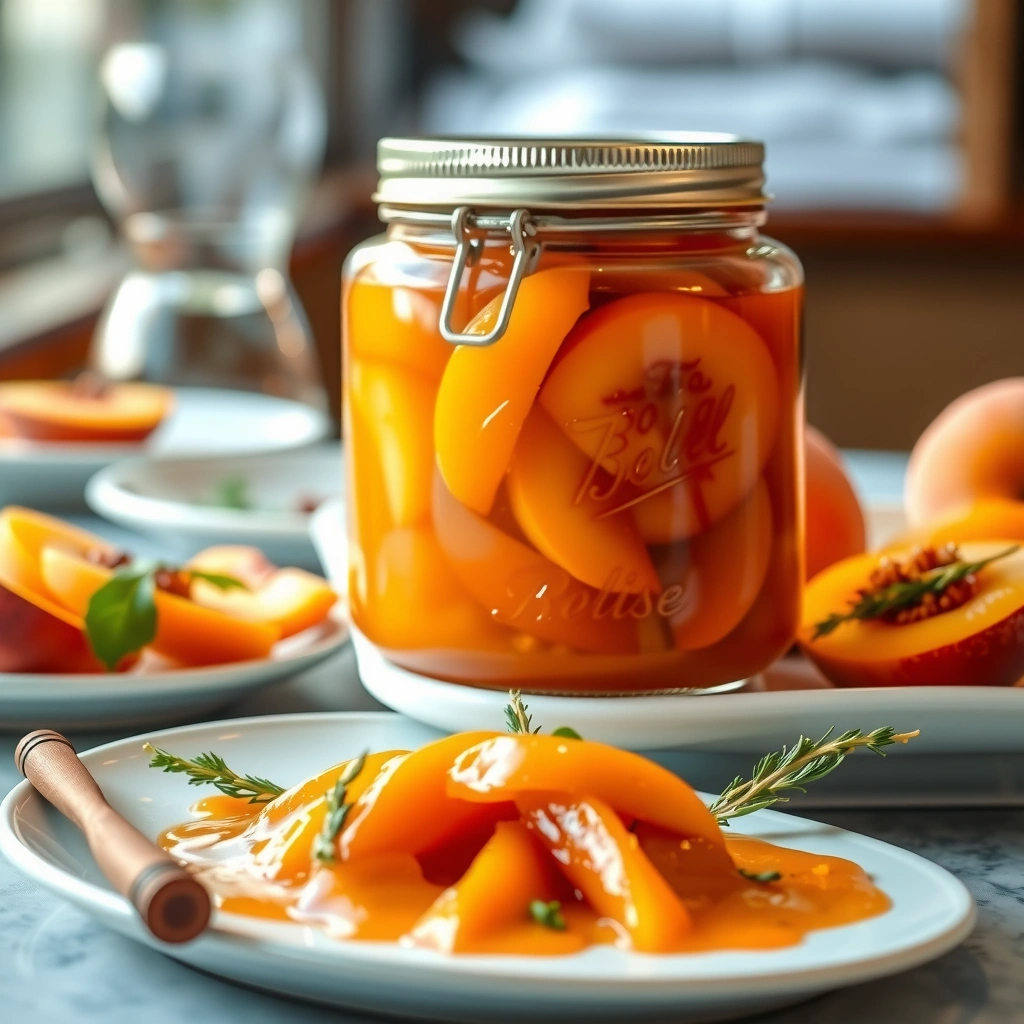
– Ladle hot jam into hot jars, leaving proper headspace
– Remove air bubbles, wipe rims clean, then seal with lids and bands
Canning success is mostly about process control: hot filling, accurate headspace, clean rims, and correct water-bath time. Treat each jar as a safety-critical step.
Fill and seal workflow:
1. Keep everything hot: Jam should be hot when ladled. Jars should be hot to reduce cracking risk.
2. Ladle with attention to headspace: Leave the headspace recommended for jam in your canning system (commonly around 1/4 inch for many jam recipes). Too little headspace can cause messy seals; too much can prevent proper vacuum formation.
3. Remove air bubbles: Use a non-metallic spatula or bubble remover tool to release trapped air along the sides.
4. Wipe rims: Ensure lids will contact clean, smooth jar rims. Wipe with a clean, damp cloth if any jam has spilled.
5. Apply lids and bands: Center lids on jars, then screw bands on “snug” (not overly tight).
6. Process immediately: Don’t let filled jars sit out while the water bath heats—batch timing matters.
Visualizing the seal process:
As jars cool after water-bath processing, a vacuum forms under the lid. Proper headspace and rim cleanliness are the main variables you control to make that vacuum happen consistently.
Processing Time and Storage Tips
– Process jars in a water bath for the recommended time based on size
– Cool undisturbed, then store sealed jars in a cool, dark place
Processing converts your kitchen effort into a shelf-stable product, and it’s where food safety is decided. Use a tested recipe and follow the official processing times for your jar size and altitude.
Water-bath processing essentials:
1. Use boiling water: Your canner should reach a steady boil before starting timing.
2. Maintain boil throughout: Don’t lift the lid during processing.
3. Time by jar size: Pint and half-pint processing times often differ.
4. Altitude matters: Higher elevations require longer processing to compensate for lower boiling points. Use the altitude adjustment table from Ball/National Center resources.
Cooling and storage best practices:
– Cool undisturbed: Place jars on a towel or cooling rack with space between them. Avoid bumping, retightening bands, or pressing lids.
– Check seals after 12–24 hours: Sealed lids will be concave and won’t flex when pressed.
– Label and store properly: Store sealed jars in a cool, dark place. Label with date and batch notes (e.g., “ripe peaches + no pectin”).
– Rotate stock: For best flavor and quality, use within about a year (even though properly canned jam can remain safe longer).
Troubleshooting Common Jam Issues
– If it’s too runny, cook a bit longer or check pectin amount next time
– If jars don’t seal, refrigerate and use promptly, then review headspace/rim cleanliness
Even experienced cooks troubleshoot—jam is a living product influenced by fruit chemistry. Use these corrective actions to dial in your next batch.
1) Jam is too runny
Likely causes:
– Under-cooked jam stage (most common)
– Watery peaches
– Low natural pectin with very ripe fruit
– Incorrect pectin amount or timing (if used)
What to do next time:
– Add a few minutes and re-check with cold plate or spoon tests.
– Consider a tested pectin option if you want a firmer set consistently.
– Ensure you bring to a full boil when required (depending on your pectin type).
2) Jars didn’t seal
Likely causes:
– Dirty or sticky rims
– Too much or too little headspace
– Lids not seated correctly
– Jars cooled too aggressively or were disturbed during cooling
– Incorrect processing time
What to do now:
– Refrigerate unsealed jars promptly and use within a short window.
– Review your last run: headspace accuracy and rim cleanliness are usually the fastest fixes.
3) Foam or uneven texture
Foam is typically cosmetic, but uneven texture can come from inconsistent chopping or insufficient cooking.
– Skim foam during cooking for a cleaner look.
– Chop fruit evenly and stir regularly as thickness increases.
4) Overly firm jam
This usually happens when jam is cooked beyond gel stage.
– Reduce cook time next batch and stop when the cold plate test shows wrinkles.
– Remember jam firms as it cools—so avoid chasing “extreme thickness” during active boiling.
Homemade ball peach jam is all about simmering to the right thickness and canning correctly for a reliable seal. Follow the steps for prep, cook until jammy, and process/store properly—then make your next batch with confidence. Try this recipe today, and save a few jars for gifting or enjoying during peach season.
References
- https://en.wikipedia.org/wiki/Peach_preserves
https://en.wikipedia.org/wiki/Peach_preserves - | National Center for Home Food Preservation
https://nchfp.uga.edu/how/can_jam_jelly.html - | National Center for Home Food Preservation
https://nchfp.uga.edu/how/can_06/peach_preserves.html - https://www.ars.usda.gov/observations/food-conditions-and-quality/better-nutrition-through-home-canning/
https://www.ars.usda.gov/observations/food-conditions-and-quality/better-nutrition-through-home-canning/ - https://extension.umn.edu/preserving-and-preparing/canning-jam-and-jelly
https://extension.umn.edu/preserving-and-preparing/canning-jam-and-jelly - https://extension.psu.edu/preserving-jam-and-jelly-by-the-water-bath-method
https://extension.psu.edu/preserving-jam-and-jelly-by-the-water-bath-method - https://extension.oregonstate.edu/food/preserving-food/fruit-preserves-jams-and-jellies
https://extension.oregonstate.edu/food/preserving-food/fruit-preserves-jams-and-jellies - Google Scholar Google Scholar
https://scholar.google.com/scholar?q=peach+jam+recipe - Google Scholar Google Scholar
https://scholar.google.com/scholar?q=home+canning+jam+jelly+pectin+ball+peach - Google Scholar Google Scholar
https://scholar.google.com/scholar?q=ball+peach+jam+recipe