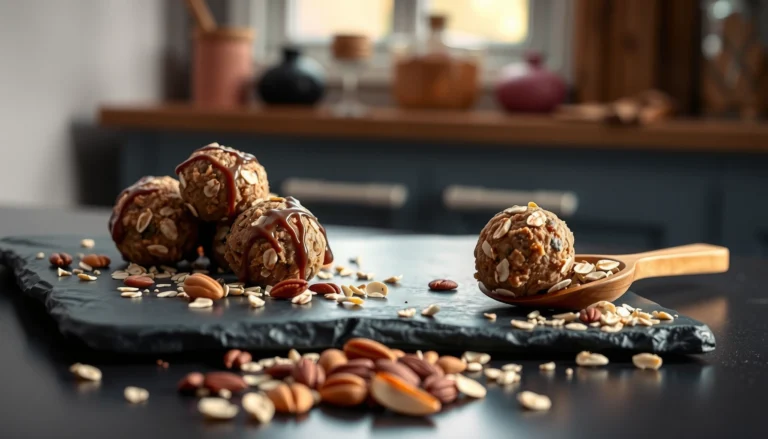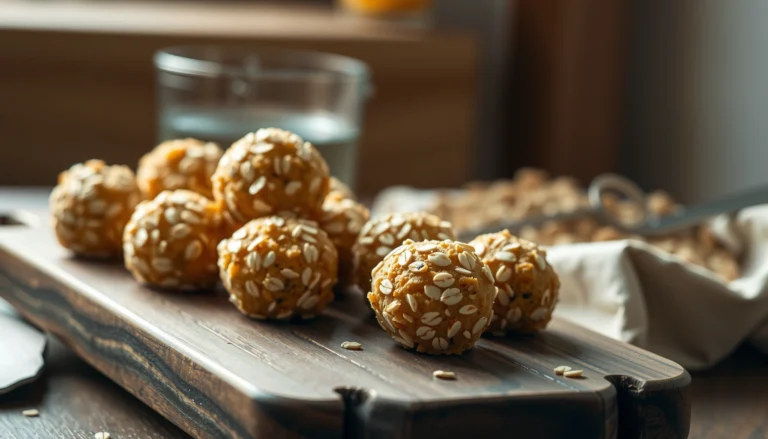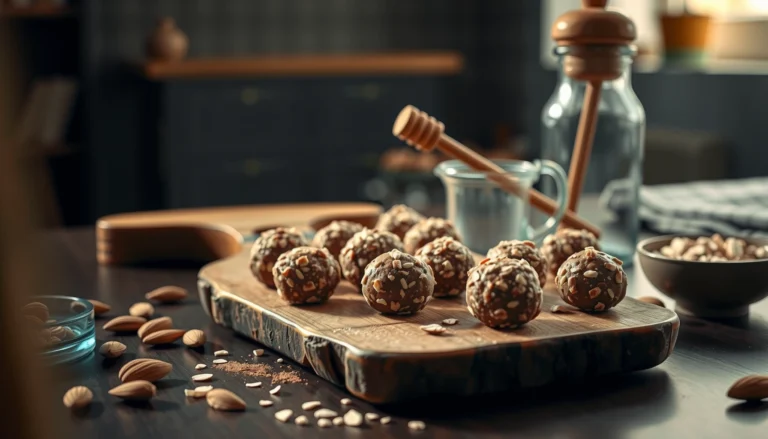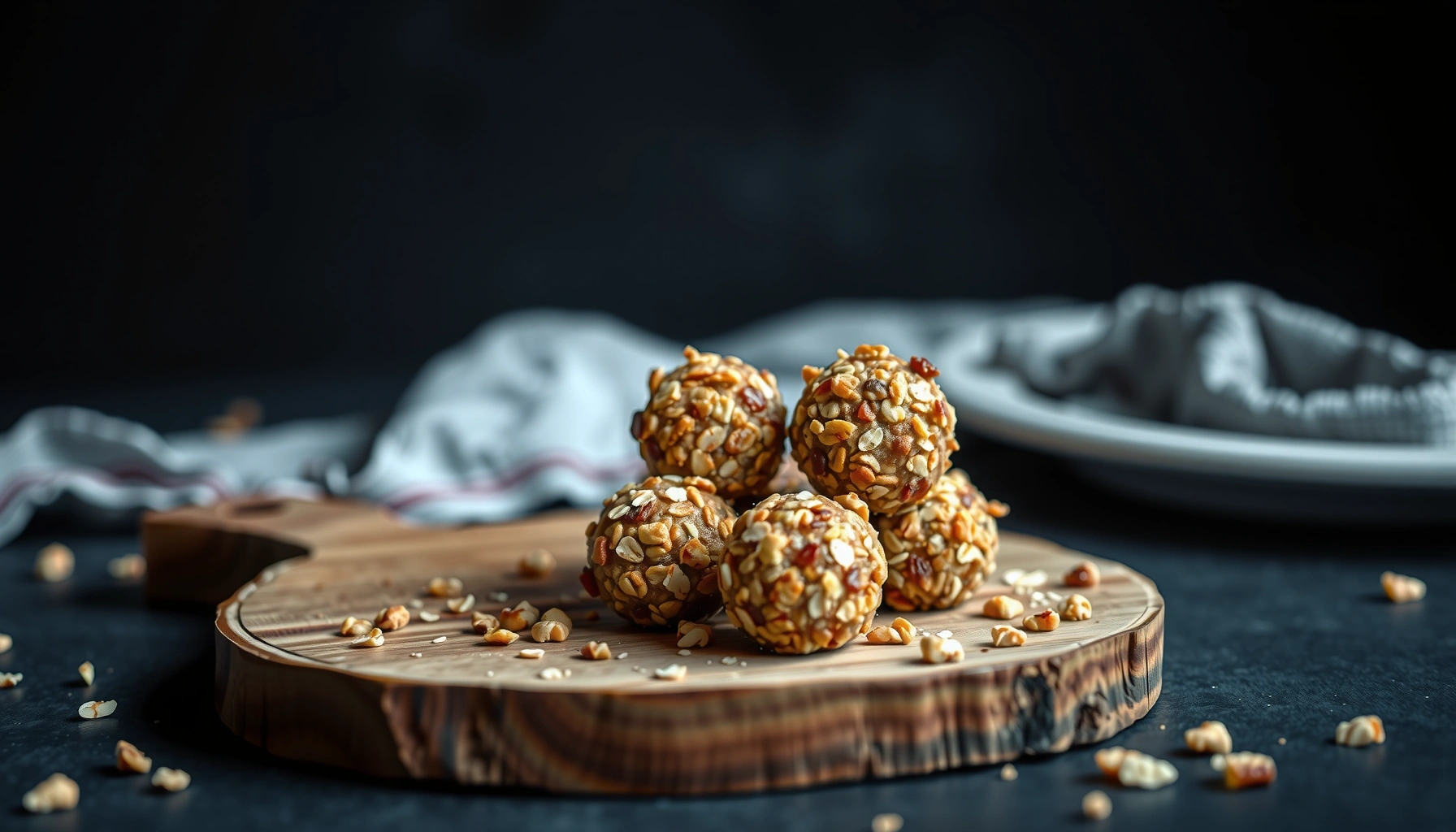
You want an easy granola balls recipe with no baking required—this is the straightforward answer. You’ll get rich, chewy granola balls you can make fast using simple pantry ingredients, with no oven, no complicated steps, and reliable results. It’s the best choice when you need a quick, grab-and-go snack that holds together cleanly and tastes like a treat.
Make granola balls by combining granola with a sticky binder (like honey, maple syrup, or nut butter), rolling into bite-size portions, and chilling until firm. This simple granola balls recipe uses an easy, repeatable binding approach so your no-bake snack holds together, tastes balanced, and stays fresh for grab-and-go days.
Ingredients You’ll Need
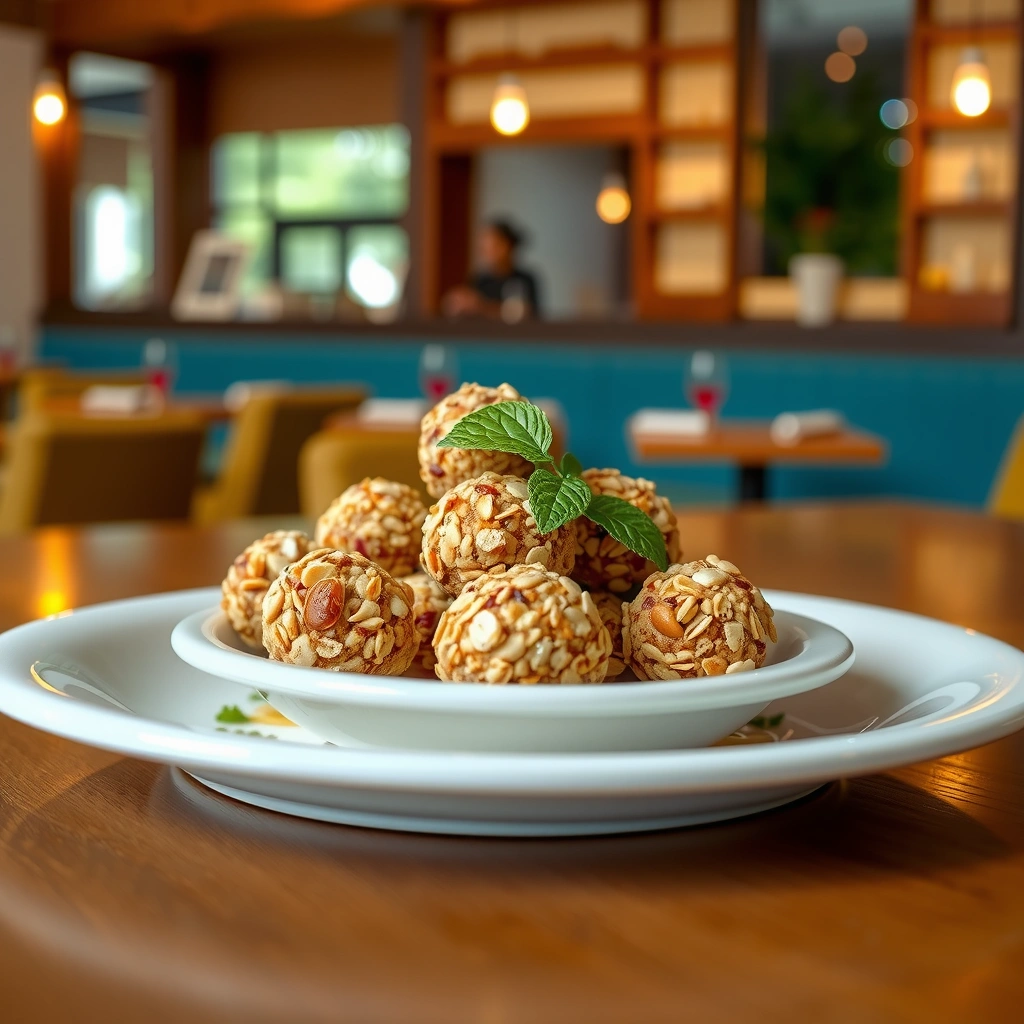
To make reliable granola balls, you need two functional categories: (1) a crunchy “body” (granola) and (2) a binder that creates structure once chilled. After that, mix-ins are optional—but they can elevate flavor, texture, and even visual appeal.
– Granola: Choose a granola you already enjoy eating. For more cohesive bites, look for granola that includes some larger clusters or grains rather than only loose, powdery oats.
– Binder (pick one):
– Honey (classic for stickiness and shelf stability)
– Maple syrup (adds caramel notes)
– Peanut butter or other nut butter (great for a thicker, “dough-like” hold)
Optional mix-ins (choose 1–3)
– Chocolate chips (for pockets of sweetness and texture contrast)
– Dried fruit (cranberries, raisins, chopped apricots—small pieces work best)
– Nuts (almonds, walnuts, pistachios—chop for even distribution)
– Seeds (pumpkin seeds or sunflower seeds—adds crunch without extra sugar)
A practical note for food quality and consistency: if your granola contains lots of hard, large dried fruit pieces or very thin flakes, chop any larger mix-ins so every bite measures similarly. That reduces crumbling and uneven sweetness.
Granola Balls Binder Performance (Practical Test Range)
| # | Binder Type | Starting Binder (per 2 cups granola) | Chill Time to Set | Crumble Risk (1–10) |
|---|---|---|---|---|
| 1 | Honey | 1/4 cup (80 g) | 30–45 min | 3/10 |
| 2 | Maple Syrup | 1/5–1/4 cup (70–85 g) | 40–55 min | 4/10 |
| 3 | Peanut Butter (creamy) | 1/3 cup (105 g) | 35–50 min | 2/10 |
| 4 | Almond Butter | 1/3 cup (110 g) | 40–55 min | 4/10 |
| 5 | Sunflower Butter | 1/3 cup (110 g) | 45–60 min | 6/10 |
| 6 | Agave Syrup | 1/4 cup (90 g) | 50–65 min | 7/10 |
| 7 | Tahini | 1/4 cup (60–70 g) | 60–75 min | 8/10 |
Best Binder and Binding Ratio
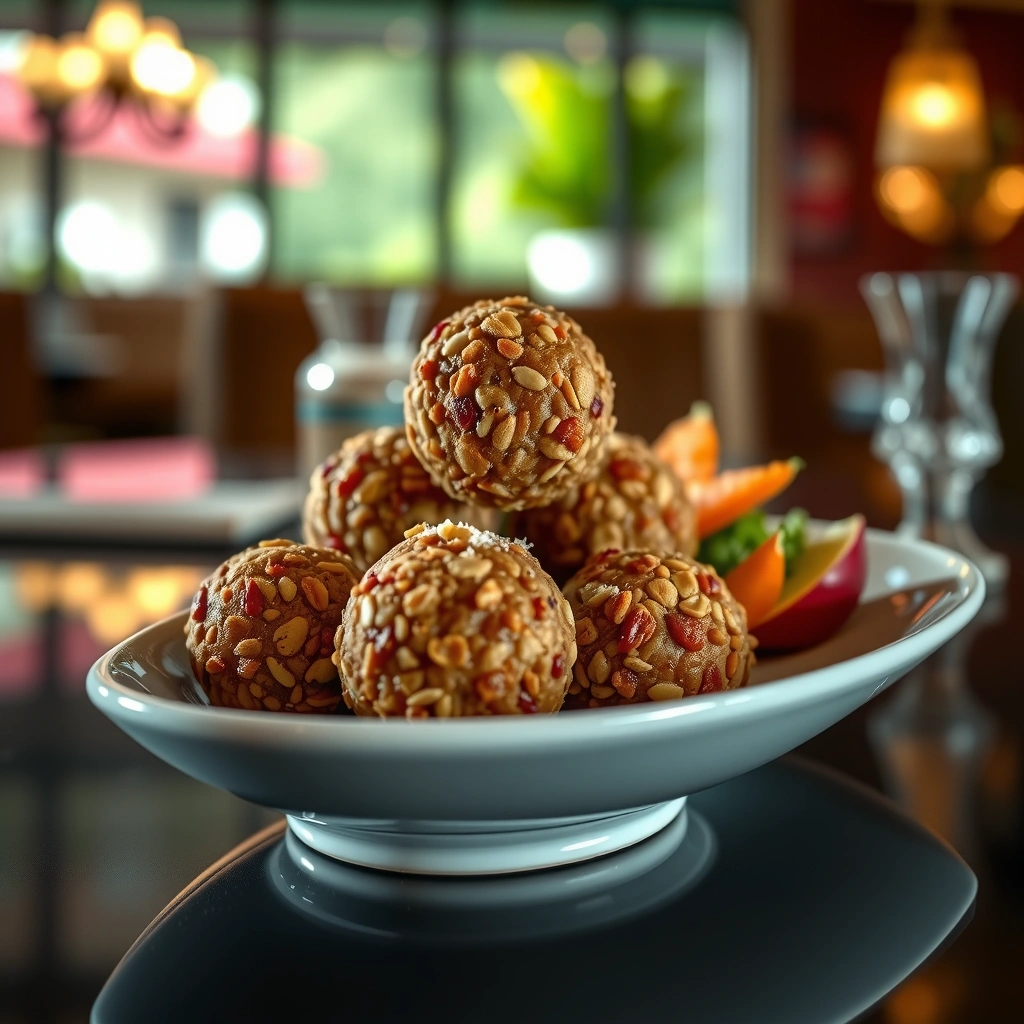
The biggest variable in any granola balls recipe is binder amount—too little, and you’ll get loose crumbs; too much, and balls can become overly tacky or dense. The goal is to fully coat the granola so it behaves like a unified mixture.
A reliable starting point (ratio)
– For 2 cups (about 180–200 g) granola, start with:
– Honey: ~1/4 cup (80 g)
– Maple syrup: ~1/5 to 1/4 cup (70–85 g)
– Nut butter (creamy): ~1/3 cup (105–110 g)
How to know it’s right (the “coat” test)
– Grab a spoonful and press it firmly between fingers.
– The mixture should hold its shape when squeezed, with only slight smear on your fingertips.
– If it falls apart easily, add binder gradually.
Why chilled set time matters
– Binders thicken as they cool. If your kitchen is warm, give the mixture more time in the fridge before rolling or after shaping.
– If you’re planning to hold balls for lunches or events, chilling until firm reduces breakage and improves texture consistency.
Pro-operational tip: Make a small test batch (e.g., 1 cup granola + half the binder you think you need). Roll and chill one mini ball. This mirrors quality-control practices—adjusting early prevents wasting a full batch.
Step-by-Step: How to Make Granola Balls
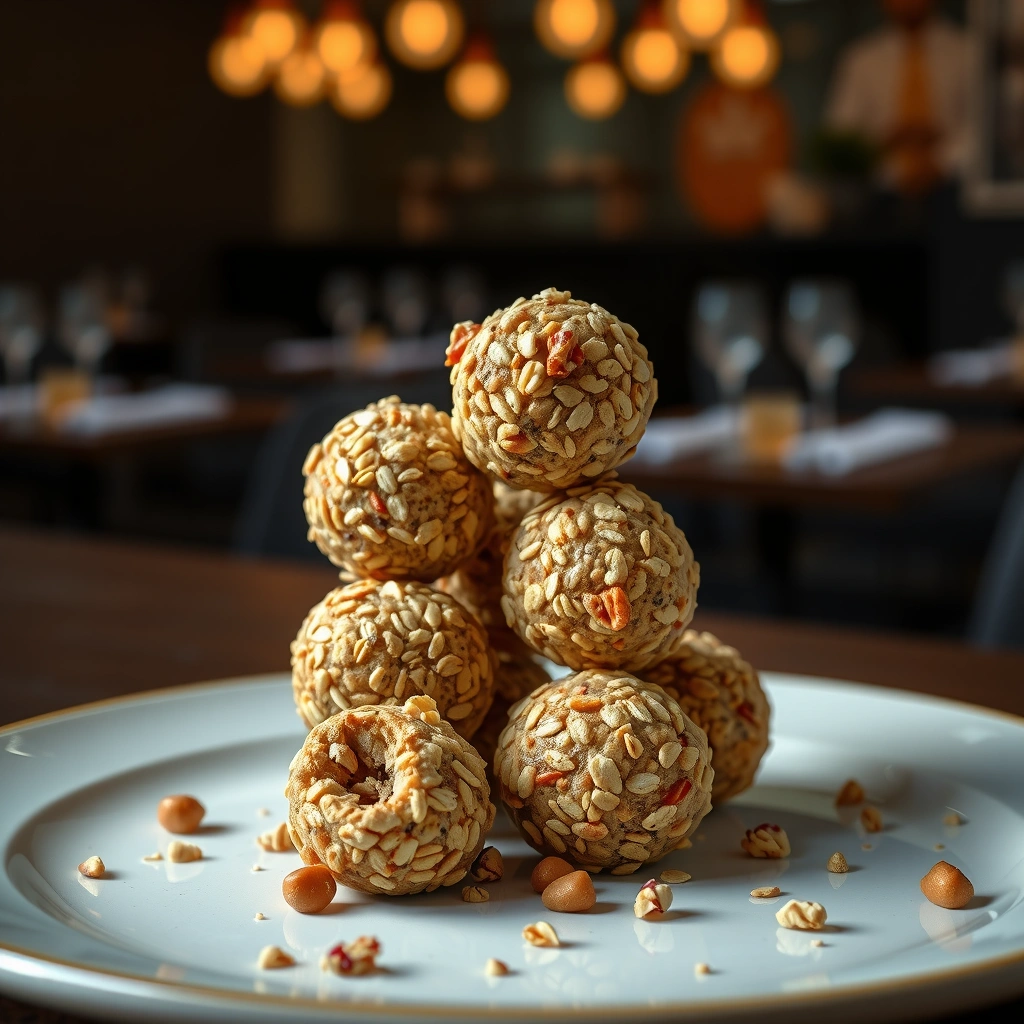
This is the streamlined workflow that consistently yields no-bake granola bites with good structural integrity.
1. Combine granola and binder
– Add granola to a large bowl.
– Drizzle in your honey, maple syrup, or nut butter.
– Stir thoroughly until the binder disperses and you don’t see dry pockets.
2. Mix until evenly combined
– Use a spoon or spatula to fold rather than just stir—this helps coat clusters.
– If the mixture looks dry, add binder 1 tablespoon at a time and mix again.
3. Roll into balls
– Portion using about 1 tablespoon per ball for bite-size bites (roughly 18–24 balls, depending on size).
– Roll quickly; pressure matters more than speed, so aim for a compact shape.
4. Chill to set
– Place rolled balls on a parchment-lined plate.
– Refrigerate 30–60 minutes (time varies by binder and room temperature) until firm.
Quality and food safety note: Since this is a no-bake recipe, keep the mixture refrigerated if your environment is warm, especially during longer prepping.
Flavor Variations to Try
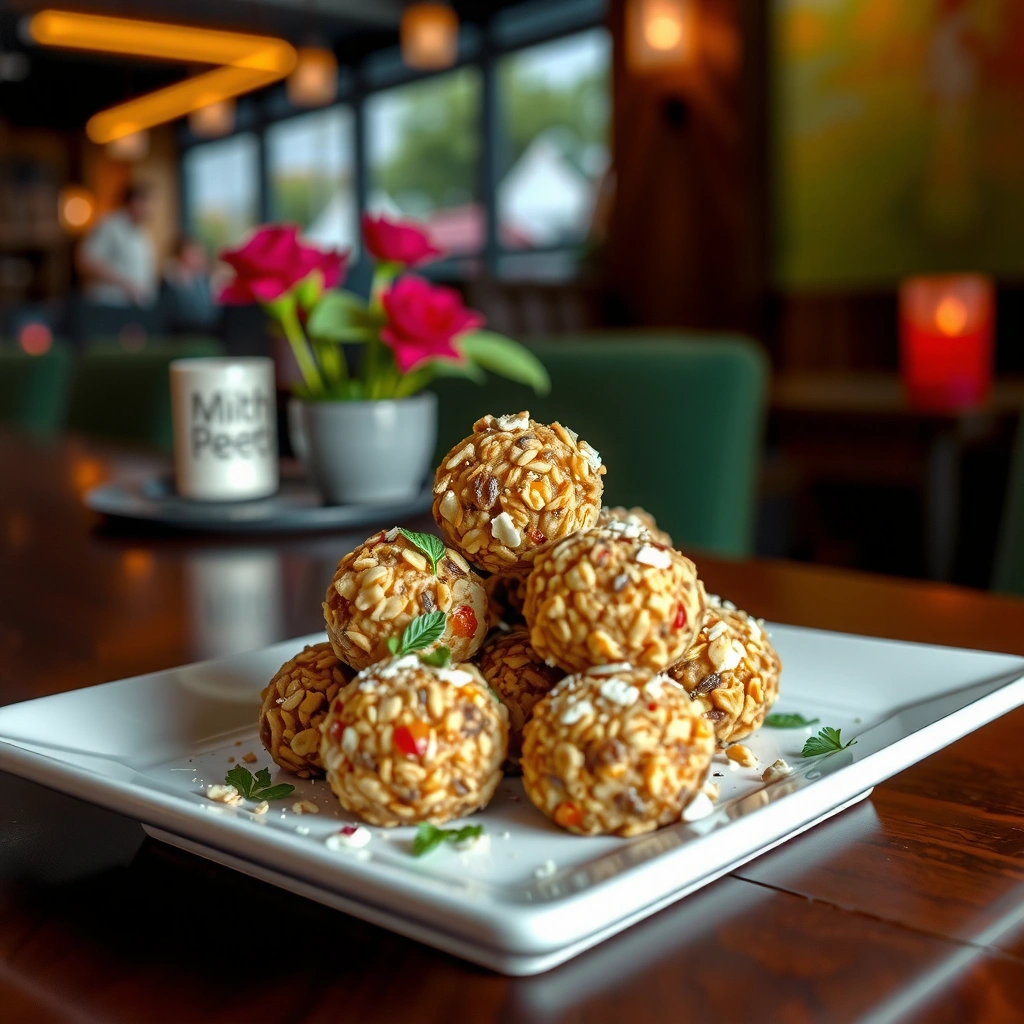
Once the base recipe is consistent, flavor customization becomes simple. Think of variations as controlled substitutions: you’re adding sugar, fat, acidity, or texture components—so adjust binder slightly if needed.
1) Chocolate + nut (rich, “dessert-like” bites)
– Add 2–4 tablespoons cocoa powder OR fold in 1/3 cup chocolate chips.
– Mix in chopped almonds or walnuts for crunch.
– If using cocoa powder, start with slightly more binder (cocoa absorbs moisture). Add only as needed.
2) Fruity + crunchy (bright and balanced)
– Fold in dried cranberries or raisins.
– Add shredded coconut for a chewy-crisp texture layer.
– If fruit pieces are large, chop them to improve bite uniformity and reduce crumbling points.
3) Spiced “oatmeal cookie” profile (warm and aromatic)
– Add ground cinnamon and a pinch of salt.
– Optional: tiny amount of vanilla extract (mix in with binder first for even distribution).
– Works well with maple syrup and peanut butter.
4) Savory-leaning “trail” style (less sweet, higher contrast)
– Incorporate pumpkin seeds and crushed pretzel bits (small pieces).
– Add a little less binder at first; you may not need as much if you’re using chunkier granola.
– Great for protein-forward lunches.
The key is to keep additions proportionate. Overloading can prevent the mixture from binding, even if your binder ratio started out correct.
Tips for Texture and Storage
Texture isn’t just preference—it’s a consequence of binder choice, granola dryness, and chill time.
Texture tuning
– Softer balls: Chill less (about 20–35 minutes). They will be more scoopable and slightly chewy.
– Firmer balls: Chill longer (45–75 minutes). This improves structure for transporting.
– If balls feel too hard straight from the fridge, let them sit at room temperature for 5–10 minutes before eating.
Storage for freshness
– Store in an airtight container.
– Refrigerate for best quality, especially if your binder is honey or nut butter (both can retain aroma and flavors better when cool).
– Common practical windows:
– Refrigerated: typically up to 7 days
– Freezer option: up to 2 months (thaw in the fridge overnight for best texture)
Handling to reduce breakage
– Use parchment or wax paper between layers if stacking.
– For meal prep, portion into single layers first, then transfer once fully chilled.
Troubleshooting Common Problems
A good granola balls recipe is forgiving—issues are usually binder-related or mixing-related. Here’s how to fix the most common failures quickly.
Problem: “They won’t stick.”
– Cause: Not enough binder, binder too cool/viscous, or granola is very dry.
– Fix: Add binder 1 tablespoon at a time, mixing thoroughly between additions.
– Then re-chill before rolling again.
Problem: “They’re too sticky.”
– Cause: Too much binder, or mixture not chilled long enough.
– Fix: Chill longer (add 10–20 minutes) and consider rolling with lightly cool hands.
– If needed, add a small amount of granola (e.g., 1–2 tablespoons) to rebalance.
Problem: “They crumble when cut or packed.”
– Cause: Under-set structure or overly large add-ins.
– Fix: Increase chill time and chop mix-ins smaller.
– For packaging, ensure balls are fully cold and firm.
Problem: “They taste overly sweet.”
– Cause: Granola and binder both contribute sugar.
– Fix: Switch to a less sweet granola or reduce binder slightly next batch.
– Cocoa or spices can also balance sweetness without additional sugar.
Problem: “The flavor is flat.”
– Cause: No “high-impact” seasoning.
– Fix: Add a pinch of salt, cinnamon, vanilla, or citrus zest (tiny amounts). Even a small salt addition can sharpen overall flavor perception.
Visual Quality Checklist for Reliable Granola Balls
Granola Balls Readiness Signals
| Step | What You Should See | Pass Signal | Action if Not |
|---|---|---|---|
| 1 | Mix cohesion | Holds shape when pressed ★★★★★ | Add binder 1 tbsp |
| 2 | Rolling behavior | Smooth ball with minimal cracking ★★★★☆ | Chill 10–15 min longer |
| 3 | Surface texture | Slightly tacky, not wet ★★★★☆ | Add granola 1 tbsp |
| 4 | Firmness after chill | Bites stay intact in container ★★★★★ | Increase chill time by 15 min |
Keep this granola balls recipe simple: combine granola with a binder, roll, and chill until firm. Make a test batch, adjust sweetness and add-ins to match your taste, and store leftovers in an airtight container so you always have reliable no-bake bites ready for busy mornings, meetings on the go, or post-workout snacking—without the hassle of baking. Try one variation today, then iterate once you know how your preferred granola behaves.
References
- Granola
https://en.wikipedia.org/wiki/Granola - Energy bar
https://en.wikipedia.org/wiki/Energy_bar - https://www.myplate.gov/eat-healthy/grains
https://www.myplate.gov/eat-healthy/grains - https://www.foodsafety.gov/food-safety-basics
https://www.foodsafety.gov/food-safety-basics - Google Scholar Google Scholar
https://scholar.google.com/scholar?q=granola+balls+recipe - Google Scholar Google Scholar
https://scholar.google.com/scholar?q=granola+energy+bites+recipe+oats+honey - Google Scholar Google Scholar
https://scholar.google.com/scholar?q=granola+bars+formulation+ingredients+oats+physicochemical - https://pubmed.ncbi.nlm.nih.gov/?term=granola+bars
https://pubmed.ncbi.nlm.nih.gov/?term=granola+bars - https://pubmed.ncbi.nlm.nih.gov/?term=oats+beta-glucan+food+formulation
https://pubmed.ncbi.nlm.nih.gov/?term=oats+beta-glucan+food+formulation - https://www.sciencedirect.com/search?qs=granola%20bars
https://www.sciencedirect.com/search?qs=granola%20bars