
Looking for an oat balls recipe that delivers easy homemade bites with no fuss? This guide gives you a reliable, step-by-step method for making oat balls that hold together, taste great, and can be customized to your sweetness and mix-ins. If you want a quick snack you can make in one go—without complicated prep—this is the straightforward answer.
Oat balls are a quick, customizable no-bake snack: mix oats with a binder like nut butter or honey, roll into bite-size balls, then chill briefly for the right texture. This oat balls recipe walks you through the exact ingredients, step-by-step method, binding and texture control, flavor variations, and storage so you can reliably make meal-prep friendly homemade snack bites.
Ingredients for Oat Balls

The foundation of any great oat balls recipe is balance: rolled oats for structure, plus one binder to hold everything together. Once you nail that ratio, the rest becomes easy personalization.
– Choose rolled oats and a sweetener/binder like honey, maple syrup, or nut butter
– Rolled oats (not instant) provide the right chew and bite.
– Honey or maple syrup add sweetness and a sticky base; nut butter adds richness and improves firmness.
– Optional add-ins: chocolate chips, raisins, cinnamon, or vanilla
– Use add-ins that complement the binder you choose. For example, chocolate chips pair well with peanut butter or cocoa-heavy mixes.
– Dried fruit like raisins adds natural sweetness but can slightly soften the texture—plan to chill a little longer if needed.
– Keep salt and flavorings minimal for balanced taste
– A small pinch of salt makes flavors “pop” and prevents the recipe from tasting flat—especially with sweet binders.
– If you add vanilla or spices (like cinnamon), start small and taste the mixture before chilling.
Practical ingredient notes (for more consistent results)
– Oats texture: If you want a smoother bite, pulse part of the oats in a blender for 5–8 seconds before mixing. You’ll still keep some whole oat pieces for structure.
– Binder choice changes texture:
– Nut butter → thicker, firmer, less sticky after chilling
– Honey/maple → more tacky while warm, sets nicely after refrigeration
– Caution with watery add-ins: If you add yogurt, fruit purées, or extra liquid, you’ll likely need more oats to maintain shape.
Oat Ball Batch Planning: What Typically Affects Firmness
| # | What You Adjust | Typical Effect on Shape | Recommended Range | Impact Score |
|---|---|---|---|---|
| 1 | Oats type (rolled vs instant) | Rolled holds shape better | Rolled only | + High |
| 2 | Binder level (1:1 vs slightly more) | More binder = softer, stickier | Slightly less for firmer balls | + Medium |
| 3 | Chilling time | Longer chill improves firmness | 20–30 minutes minimum | + High |
| 4 | Add-ins (chips/raisins) volume | Too many = less binding | Keep to ~1/4–1/3 cup per batch | + Medium |
| 5 | Liquid exposure (mixing too wet) | Extra moisture reduces structure | Add liquid only in teaspoons | – Medium |
| 6 | Roll size consistency | Uniform size sets evenly | ~1.5–2 tbsp per ball | + Medium |
| 7 | Oat processing (partial pulsing) | Slightly smoother, still holds | Pulse 1/3 for texture control | + Low |
Step-by-Step Oat Balls Recipe

This is the simplest approach that produces consistent homemade snack bites. You don’t need baking, special equipment, or complicated techniques—just careful mixing and short chilling.
– Combine dry ingredients, then mix in binder and any liquids until thick
– Start with rolled oats (the bulk of the structure).
– Add your optional flavorings (cinnamon) and salt pinch.
– Stir in your binder (honey/maple/nut butter) until the mixture becomes thick and holds together when pressed.
– Add add-ins like chocolate chips or raisins only after the base mixture is cohesive.
– Roll into bite-sized balls and place on a lined tray
– Scoop and roll quickly with lightly oiled hands or a small spoon to avoid sticking.
– Place each ball on parchment or a silicone mat to prevent adhesion and flattening.
– Chill briefly to help them firm up before eating
– Refrigerate for at least 20 minutes for best texture.
– If you prefer a softer center, shorten chilling slightly; for firmer bites, extend the chill.
A dependable “base ratio” approach (so it works every time)
While recipes vary by preference, a reliable structure is:
– Oats: the main body (you’re essentially building “dough” with oats)
– Binder: enough to wet and bind the oats without making it soupy
– Add-ins: capped so they don’t overpower binding
If your mix looks loose, it usually needs more oats; if it’s crumbly, it needs a bit more binder (or a teaspoon of liquid).
Best Binding Tips and Texture
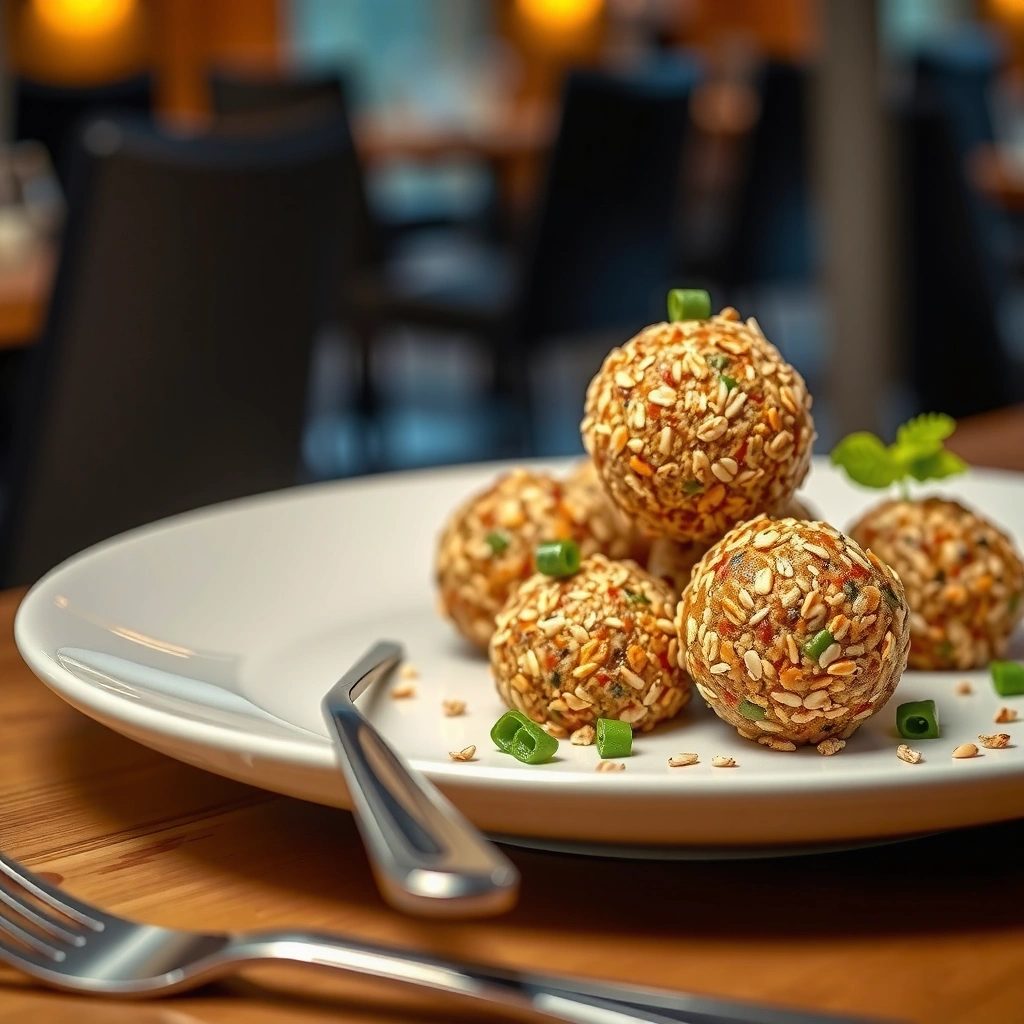
Binding is the make-or-break element in an oat balls recipe. Even with the same ingredients, humidity, oat freshness, and binder thickness can shift your results—so it helps to know what “correct” should look and feel like.
– If the mixture is too dry, add a teaspoon of water or nut butter
– Dry mixtures won’t roll smoothly and will crack.
– Add liquid in small increments (about 1 teaspoon at a time), mixing thoroughly between additions.
– If it’s too sticky, add more oats and chill longer
– Sticky batter spreads rather than holding a ball shape.
– Stir in oats gradually until the mixture clumps, then chill to firm it.
– For firmer oat balls, refrigerate 20–30 minutes
– This is the standard window where oats rehydrate slightly and the binder sets.
– Firmer balls are ideal for meal prep, lunchboxes, and grab-and-go snacking.
Texture targets you can aim for
– Soft-chewy: Less chilling time, slightly more binder
– Firm and sliceable: Full 20–30 minutes, slightly drier mix (more oats)
– Chunky bites: Keep add-ins large and avoid over-mixing once chips/raisins are added
Pro technique: “press test”
Before rolling every ball, do a quick press test:
1. Take a small scoop.
2. Press it firmly between fingers.
3. If it holds its shape without crumbling, you’re ready to roll. If not, adjust binder or oats accordingly.
Flavor Variations to Try

The beauty of homemade oat balls is that flavor customization is almost plug-and-play. Use the same base method, then adjust only the “flavor layer” while keeping the binding structure intact.
– Chocolate oat balls: add cocoa powder and chocolate chips
– Mix in cocoa powder to deepen flavor.
– Use chocolate chips sparingly so the mix doesn’t become too loose.
– Optional upgrade: a tiny splash of vanilla to round out chocolate notes.
– Peanut butter oat balls: increase nut butter and add a pinch of salt
– Peanut butter naturally strengthens binding.
– Salt is especially important here; it prevents a one-note sweetness.
– For extra protein-friendly appeal, consider adding a small amount of ground flax or chia (but start with modest amounts to avoid dryness).
– Cinnamon vanilla: mix in cinnamon and a splash of vanilla extract
– Cinnamon pairs well with honey or maple.
– Vanilla adds a bakery-style aroma without changing structure—so it’s a safe flavor add-in.
Variation planning tip
If you change a flavor component (like adding cocoa), you may need a small adjustment:
– Cocoa powder can absorb moisture → consider slightly more binder or a small pinch of liquid if the mix turns dry.
– Strong additions (like lots of chips/raisins) reduce oat-to-binder contact → keep add-ins within a reasonable volume.
Storage and Make-Ahead Instructions
Oat balls are naturally suited for meal prep because they keep well once chilled. Store them properly to maintain texture and flavor.
– Store in an airtight container in the fridge for up to 5 days
– Cold storage helps retain firmness and prevents binders (especially honey-based mixes) from getting overly soft.
– Freeze for longer storage and thaw in the fridge overnight
– Freeze oat balls on a tray first (so they don’t stick together), then transfer to a freezer bag or container.
– Thawing in the fridge helps them re-set with less texture change.
– Re-roll or press lightly if they lose shape after chilling
– It’s normal for a few balls to settle as they cool.
– A quick press into shape or a light re-roll restores the rounded form.
Food safety and quality note
If you use nut butter or add dairy-based ingredients (generally not needed for this recipe), follow standard refrigeration timelines. For the classic oat balls approach (oats + binder + optional mix-ins), the up to 5-day fridge guideline is a practical, quality-focused benchmark.
Serving Ideas
Serving matters because oat balls can function as breakfast, dessert, or an afternoon performance snack. A little pairing strategy turns a simple bite into a satisfying routine.
– Eat as a quick snack with fruit or yogurt
– Add berries or sliced banana for freshness and contrast.
– Yogurt boosts creaminess and turns the snack into a more complete meal.
– Pack into lunchboxes for an easy grab-and-go bite
– Choose firmer, fully chilled oat balls for better transport.
– If needed, separate layers with parchment.
– Serve as a dessert alternative with a drizzle of nut butter or honey
– The key is restraint: a small drizzle elevates sweetness without overpowering.
– Chocolate varieties are especially good with a light nut butter swirl.
Business-style “workflow” tip (for consistency)
If you’re meal-prepping for a work week, make one batch and divide into containers by flavor:
– Standard batch
– Chocolate batch
– Cinnamon vanilla batch
This reduces “decision fatigue” and improves adherence to your snack plan.
Oat balls are easy to make, highly customizable, and ideal for meal-prep snacking because the same simple mixing and rolling process can produce multiple flavors and textures. Start with rolled oats and your chosen binder, adjust binding using small increments (more oats if sticky, a teaspoon of liquid if dry), chill for best structure, and store in the fridge for up to 5 days or freeze for longer. Once you find the texture you like, repeat the method and rotate variations—your week-long supply of homemade snack bites will be ready with minimal effort.
References
- Google Scholar Google Scholar
https://scholar.google.com/scholar?q=oat+balls+recipe - Google Scholar Google Scholar
https://scholar.google.com/scholar?q=oat+energy+bites+recipe - Google Scholar Google Scholar
https://scholar.google.com/scholar?q=rolled+oats+beta-glucan+health+effects - Oat
https://en.wikipedia.org/wiki/Oat - Rolled oats
https://en.wikipedia.org/wiki/Rolled_oats - https://www.britannica.com/plant/oat
https://www.britannica.com/plant/oat - USDA FoodData Central
https://fdc.nal.usda.gov/ - https://pubmed.ncbi.nlm.nih.gov/?term=oat+beta-glucan
https://pubmed.ncbi.nlm.nih.gov/?term=oat+beta-glucan - https://www.mayoclinic.org/healthy-lifestyle/nutrition-and-healthy-eating/in-depth/whole-grains/art-20045799
https://www.mayoclinic.org/healthy-lifestyle/nutrition-and-healthy-eating/in-depth/whole-grains/art-20045799 - oats – Search Results – PMC
https://www.ncbi.nlm.nih.gov/pmc/?term=oats


