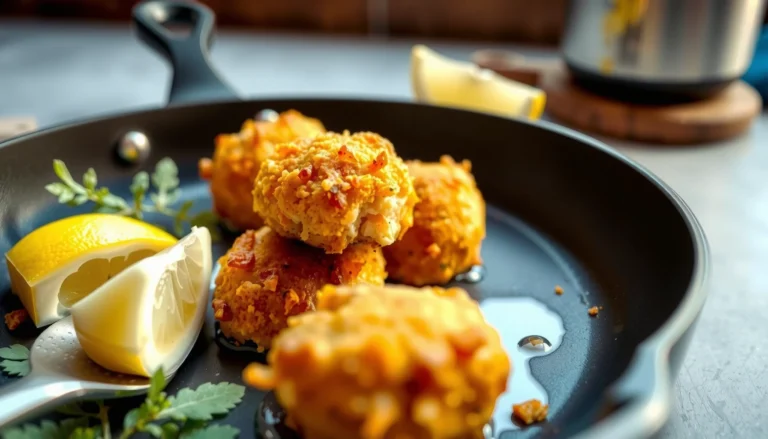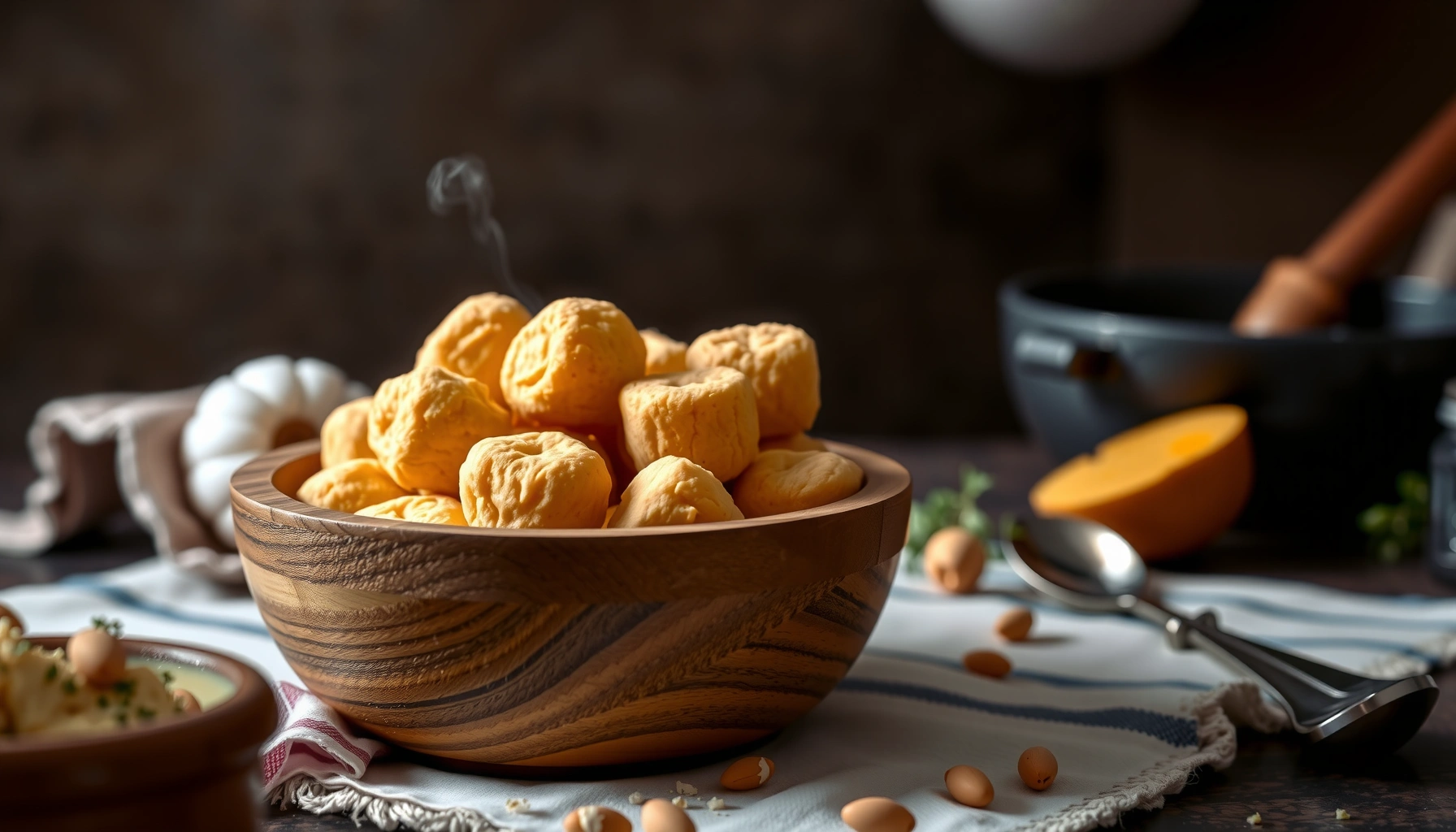
Get a foolproof Brazilian cheese balls recipe for pão de queijo with a chewy, airy center and crisp edges that actually holds up. This guide answers whether your dough will turn out right—by using the right starch, cheese blend, and technique for smooth, lump-free results. If you want the best batch for first-timers, follow this method and bake with confidence.
Bake pão de queijo until they’re puffed and deeply golden—using tapioca (polvilho) flour and real cheese—because that combination delivers the signature chewy center with a tender, crisp edge. In this recipe, you’ll learn the full process to mix the dough, shape the balls, and bake for reliable texture every time.
What You Need for Brazilian Cheese Balls
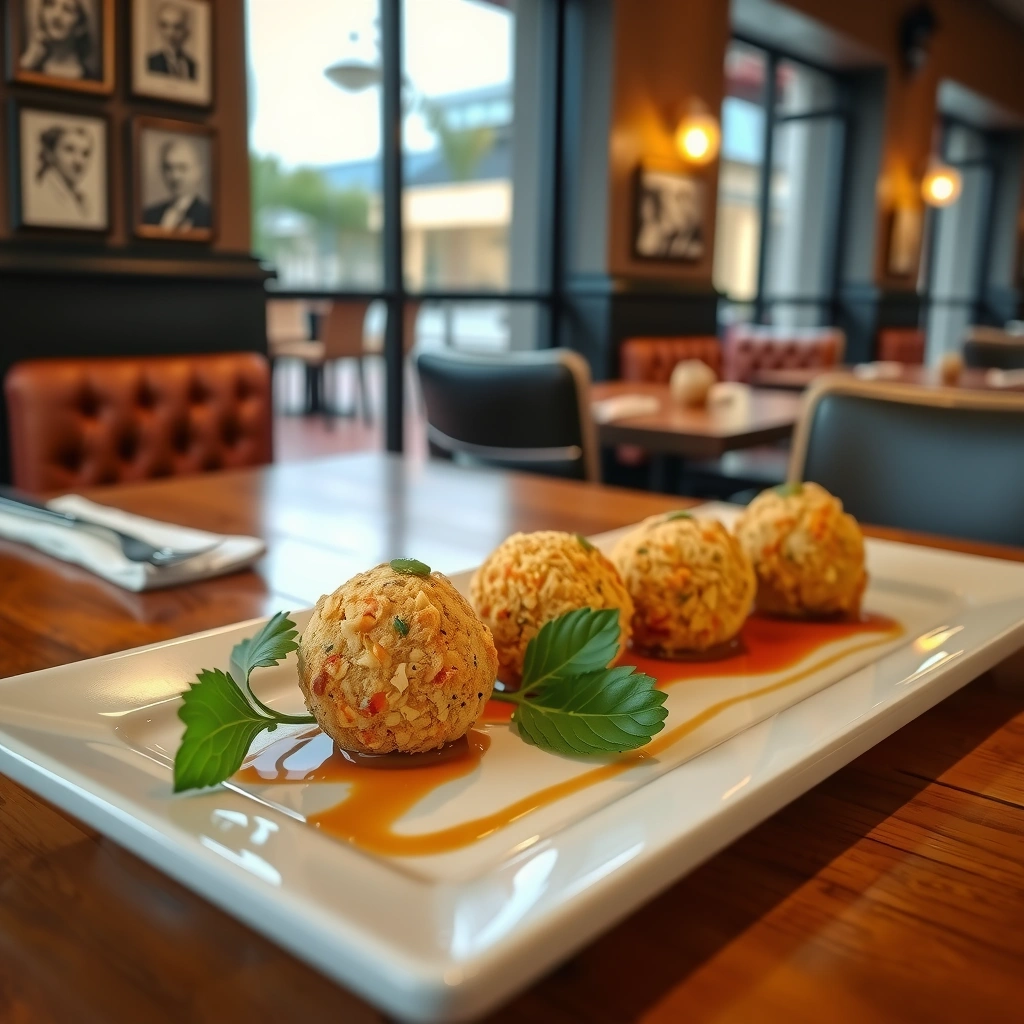
To make authentic Brazilian cheese balls (pão de queijo), the ingredients must support one goal: gelatinize the tapioca starch correctly while melting the right cheeses. That chemistry is what creates the airy interior and chewy bite people associate with this snack.
– Use tapioca flour (polvilho) for the signature texture
Look for polvilho azedo (fermented) for a more traditional, tangy flavor and a classic chewy spring. If you only find polvilho doce (sweet), you can still get great results—your pão de queijo may be slightly milder and less tangy, but the structure can still be excellent when mixed properly.
– Choose cheese options like queijo minas, mozzarella, or a mix
In Brazil, queijo minas curado is a classic choice, especially for a tangier profile. Minas-style cheeses provide melt and chew. If you want an easy substitute, mozzarella (especially whole-milk) helps with melt, stretch, and familiar flavor. A mix is often the best operational strategy: one cheese for flavor, one for melt and texture.
Practical ingredient strategy (businesslike and repeatable)
If your priority is consistent outcomes—especially if you’re baking for guests—use a two-cheese system:
– one cheese for fat + melt (e.g., mozzarella)
– one cheese for flavor + body (e.g., queijo minas or a well-flavored aged cow cheese)
This reduces the “one-ingredient risk” that can happen when a single cheese behaves differently by brand, age, or moisture.
Cheese Selection Impact on Pão de Queijo (Results Guide)
| # | Cheese Approach | Melt Level | Chew & Spring | Best Use Case | Baking Rating |
|---|---|---|---|---|---|
| 1 | Queijo Minas Curado Only | Medium | ★★★☆☆ | Traditional tang + firm chew | 4.6 ★ |
| 2 | Whole-Milk Mozzarella Only | High | ★★★☆☆ | Very melty centers | 4.3 ★ |
| 3 | Queijo Minas : Mozzarella (50:50) | Medium-High | ★★★★☆ | Most balanced, classic bite | 4.9 ★ |
| 4 | Aged Gouda (High-Fat) Only | Medium | ★★☆☆☆ | Slightly denser, richer flavor | 3.4 ★ |
| 5 | Cream Cheese + Mozzarella Blend | High | ★★★☆☆ | Soft texture, less classic chew | 3.8 ★ |
| 6 | Fresh Parmesan-Style (Low Moisture) | Low-Medium | ★★☆☆☆ | Leaner texture, less puff | 3.1 ★ |
| 7 | Mozzarella + Small Amount Minas | Medium-High | ★★★★☆ | Easy upgrade without exotic cheese | 4.7 ★ |
Ingredients and Flavor Tips
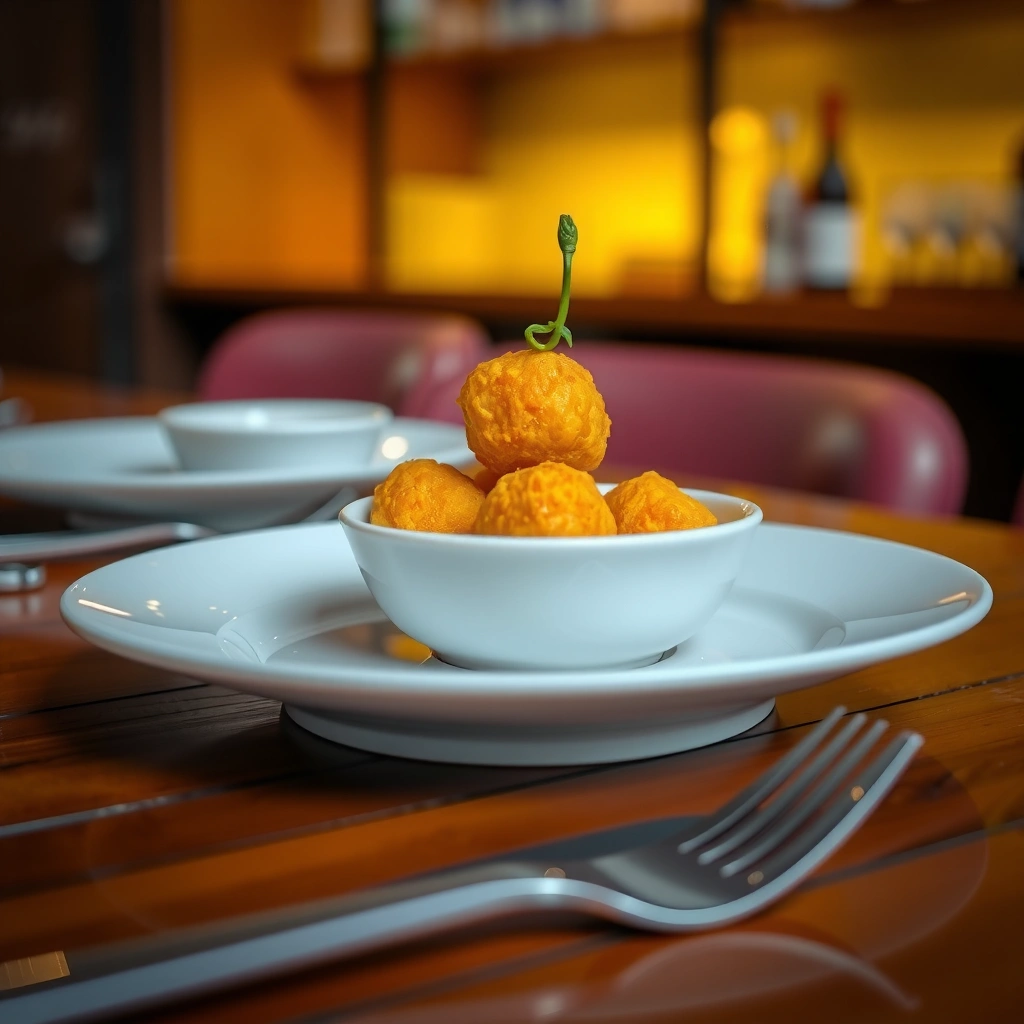
Beyond the core “tapioca + cheese + eggs,” you can dial in flavor and performance without compromising texture.
– Add eggs for structure and richness
Eggs do two jobs: they provide emulsification (helping the fats and starch form a cohesive dough) and structure during baking. For pão de queijo, you want a dough that’s thick, sticky, and moldable—eggs help prevent it from becoming crumbly or too loose.
– Season lightly with salt and optional garlic for extra flavor
Traditional pão de queijo is not heavily salted; it’s seasoned for balance. Because cheese already brings salt, start conservatively. If you want garlic, use it in small amounts (powder or finely grated fresh) so it enhances rather than overwhelms the cheese’s profile.
– Use the right liquid technique (critical to texture)
Many problems (flat balls, gummy centers, or overly dense results) trace back to how the liquid is handled. Warm liquids help gelatinize tapioca starch and create the elastic dough base that traps steam during baking.
Actionable flavor upgrades that still respect authenticity:
– Add a pinch of black pepper for subtle complexity.
– Use grated hard cheese (small portion only) if you want a stronger savory note—just don’t replace your main melting cheese entirely.
– For a Brazilian-style feel, consider a mild herb finish (e.g., tiny amount of dried oregano) after baking—keep it minimal to avoid shifting the classic identity.
Step-by-Step: How to Make Pão de Queijo
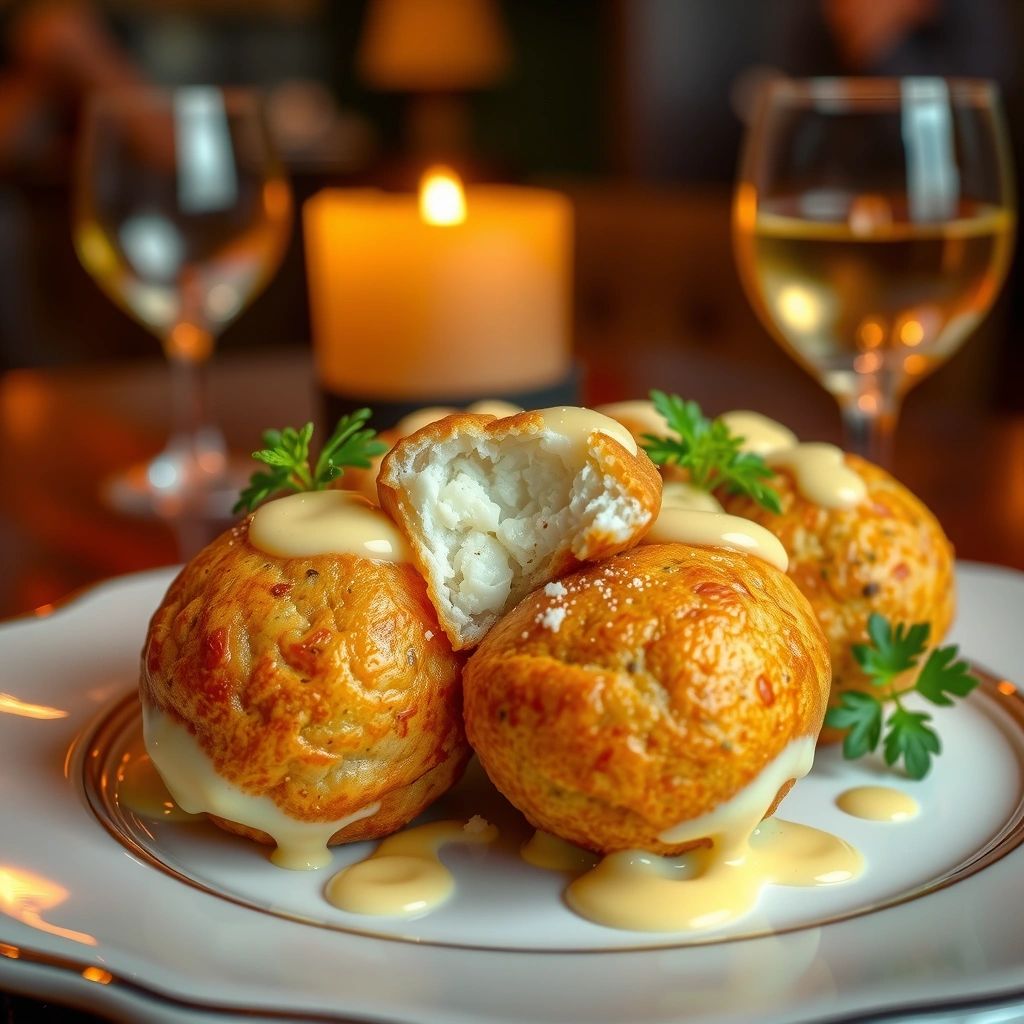
The method is where authenticity becomes repeatability. Think of this as a controlled mixing process designed to activate tapioca starch and evenly distribute cheese.
– Warm liquids first, then mix into the tapioca flour
Heat your milk and/or water (often with a portion of oil or butter) until hot and steamy—then pour into the tapioca flour. Stir thoroughly until you get a consistent, glossy base. This step is the backbone of chewy texture; skipping it or letting the liquid cool too much can lead to dense results.
– Combine cheeses and eggs until a smooth, dough-like mixture forms
Once the tapioca base is warm (not boiling), fold in eggs and cheese. Mix until:
– the mixture becomes thick and cohesive
– cheese is fully incorporated
– the dough looks smooth enough to portion without cracking
If your dough feels too stiff, it’s often fixable with a small amount of warm liquid—stiffness usually indicates either under-hydration or insufficient mixing time. If it’s too loose, adding a bit more tapioca flour helps, but do it gradually so you don’t overcompensate.
Operational tip for consistency:
After mixing, rest the dough 5–10 minutes. This allows starch hydration to finish, improving portioning and reducing defects from uneven dough viscosity.
Shaping and Baking Instructions
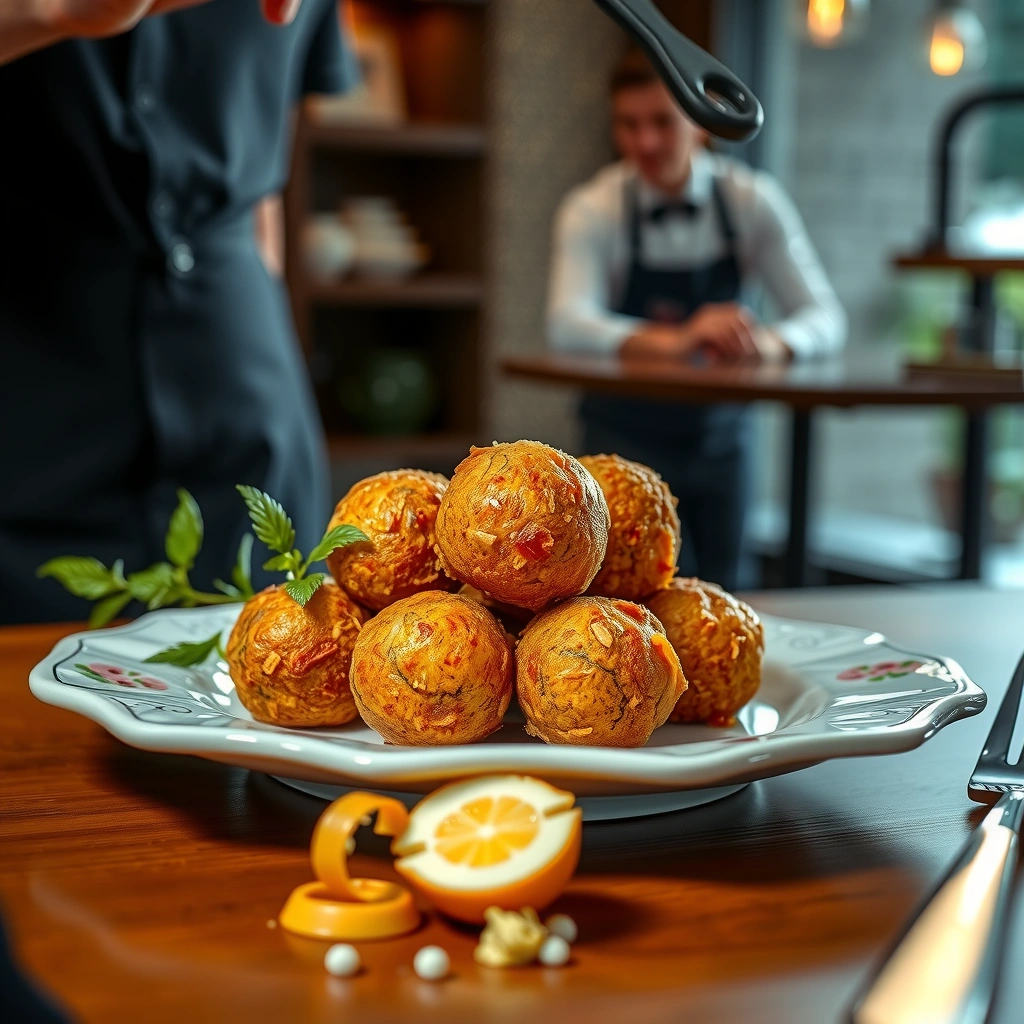
Shaping is deceptively important: uniform size equals uniform puffing and doneness.
– Portion into small balls for even baking
Aim for roughly uniform portions—commonly about 1.5–2 inches (4–5 cm) in diameter, depending on how large you want the snack. If you’re serving a crowd, smaller balls bake more consistently and are easier to portion evenly from tray to tray.
– Bake at high heat until puffed and lightly browned
Pão de queijo performs best with fully preheated high oven heat (typically around 400–450°F / 200–230°C). The early burst of heat creates steam inside the dough, lifting the balls. Watch for:
– visible puffing within the first 8–12 minutes
– golden spots on the exterior
– a set, springy surface that does not look wet or underbaked
Quality cue:
They should look airy and slightly blistered rather than smooth and flat. If they’re taking too long to brown, your oven may be running cool—or your balls may be larger than expected.
Texture Troubleshooting (Common Issues)
Even great recipes can misbehave due to flour variability, oven calibration, and mixing differences. The goal is to diagnose quickly and correct efficiently.
– Too dense? Check your tapioca flour freshness and mixing method
Dense pão de queijo often signals insufficient starch hydration or tapioca that’s lost performance over time. Tapioca flour can vary by brand and storage conditions. If your polvilho is older or has absorbed moisture, it can produce inconsistent dough behavior. Also confirm that you:
– poured hot liquid into the flour
– mixed thoroughly until the base is cohesive
– incorporated eggs and cheese evenly
Quick fixes:
– If the dough is thick and not elastic, mix longer and allow a short rest.
– If you consistently get dense centers, reassess how hot your liquids were and whether you preheated the oven.
– Not puffing? Ensure oven temperature is fully preheated
Puffing is driven by early steam and rapid set. If the oven is underheated or the tray goes in too early, the balls may expand slowly and end up heavy. Use a real oven thermometer if accuracy is questionable. Also avoid opening the oven frequently during the first half of baking.
Signs your oven is too cool:
– balls spread instead of rising
– surfaces brown later than expected
– centers feel gummy or under-set
Storage and Reheating
Pão de queijo is best fresh, but it can be stored and revived well—especially if you reheat using dry heat methods that restore texture.
– Store cooled cheese balls in an airtight container
Let them cool completely so condensation doesn’t soften the crust. Store at room temperature for short periods (if your kitchen is cool) or refrigerate for longer holding.
– Reheat in the oven or air fryer to restore the crispy edges
Reheating is where many people lose that “baked chew.” Use:
– air fryer for fastest crisping and puff revival
– oven for more even warming when reheating larger batches
Avoid microwaving when possible—it tends to turn the crust soft and can make the interior rubbery instead of springy.
Best practice for batch cooking:
Bake fully, cool, store, then reheat just until hot and re-puffed. Serve immediately for the most authentic bite.
Bake these Brazilian cheese balls right away for the best puff and chew, and don’t skip the tapioca flour and proper heat. Try the troubleshooting tips if they don’t come out perfect the first time, then share your results or variations!
Pão de queijo is one of those recipes where small technical details produce a big difference—especially how the hot liquid hydrates tapioca flour, how evenly you mix eggs and cheese, and how hot (and consistent) your oven temperature is. If you follow the method, portion with care, and reheat with dry heat, you’ll reliably get golden, puffed Brazilian cheese balls with a chewy center that tastes as authentic as it looks.
References
- Pão de queijo
https://en.wikipedia.org/wiki/P%C3%A3o_de_queijo - https://www.britannica.com/topic/pao-de-queijo
https://www.britannica.com/topic/pao-de-queijo - Google Scholar Google Scholar
https://scholar.google.com/scholar?q=brazilian+p%C3%A3o+de+queijo+recipe+cheese+balls - Google Scholar Google Scholar
https://scholar.google.com/scholar?q=p%C3%A3o+de+queijo+cheese+bread+tapioca+starch+method - Google Scholar Google Scholar
https://scholar.google.com/scholar?q=brazilian+cheese+breads+p%C3%A3o+de+queijo+processing+starch+gelatinization - https://pubmed.ncbi.nlm.nih.gov/?term=p%C3%A3o+de+queijo
https://pubmed.ncbi.nlm.nih.gov/?term=p%C3%A3o+de+queijo - https://pubmed.ncbi.nlm.nih.gov/?term=tapioca+starch+gelatinization+food
https://pubmed.ncbi.nlm.nih.gov/?term=tapioca+starch+gelatinization+food - https://pubmed.ncbi.nlm.nih.gov/?term=cassava+starch+gelatinization
https://pubmed.ncbi.nlm.nih.gov/?term=cassava+starch+gelatinization - https://scholar.google.com/scholar?q=brazilian+cheese+balls+recipe Google Scholar
https://scholar.google.com/scholar?q=brazilian+cheese+balls+recipe - brazilian cheese balls recipe – Search results
https://en.wikipedia.org/wiki/Special:Search?search=brazilian+cheese+balls+recipe