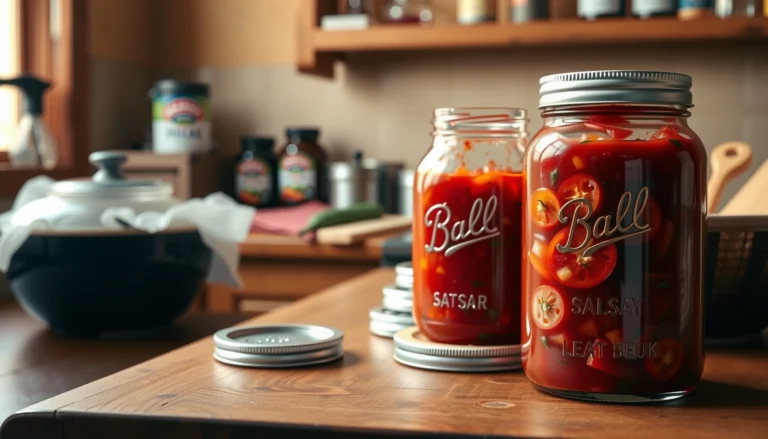
Find out how to use ball canning for salsa with a tested, step-by-step recipe that’s built for safe pressure-canning results. This guide walks you through preparing the salsa, packing the jars, and processing them so you end up with shelf-stable jars—not guesswork. If you want the ball canning method that produces consistent salsa every time, follow these exact steps.
You can safely ball-can salsa by using a tested, acidity-appropriate recipe and processing filled jars in a properly timed hot-water bath; do not rely on improvized “taste-only” salsa recipes. This step-by-step guide walks you through choosing the right ingredients, prepping Ball jars and lids correctly, cooking and packing salsa hot, and processing by altitude so you can enjoy shelf-stable salsa with confidence.
Pick the Right Salsa Ingredients and Style
When it comes to ball canning salsa, the difference between “tastes great” and “safe to store” is usually acidity and tested proportions. Salsa is a tomato-based food, but tomato varieties vary widely in natural acidity; that’s why reputable canning recipes standardize tomato amounts and include guidance that controls the safety critical factors.
Use a tested recipe (especially for acidity) to reduce food-safety risk
Start with a tested salsa canning recipe from a reliable source (such as the Ball Blue Book or Ball-issued salsa guidance). Tested recipes specify exact ratios of tomatoes, onions, peppers, and added acid (commonly bottled lemon juice or vinegar), along with processing times. If you change those ratios—adding more vegetables, increasing peppers, reducing vinegar/lemon juice, or thickening salsa with extra cooking—you can unintentionally move the salsa outside the validated safety parameters.
Include key components like tomatoes, onions, peppers, and seasoning for classic flavor
A reliable canning salsa typically includes:
– Tomatoes (often crushed or chopped, sometimes with measured tomato paste or tomato juice depending on the recipe)
– Onions (for sweetness and body)
– Peppers (jalapeño, serrano, or bell peppers depending on desired heat)
– Garlic (fresh or as directed by the recipe)
– Cilantro and spices (usually included as directed; keep amounts consistent with the tested method)
Practical guidance for choosing your salsa style
– Mild restaurant-style: stick to the tested pepper blend; for “mild,” you still want the same pepper-to-tomato ratio—just choose a milder pepper option per the recipe.
– Chunky vs. smooth: tested recipes usually define whether tomatoes are chopped/crushed and whether salsa is blended. If the recipe says “crushed,” blending can alter texture and sometimes heat penetration; only modify texture within the same validated method.
– Dialing heat safely: if you want hotter salsa, prioritize pepper type as specified by the tested recipe and avoid “more of everything.” Increasing peppers without recalculating can compromise the validated acidity/heat processing assumptions.
To help you map ingredient planning to what Ball-style canning recipes are designed to handle, here are typical testing targets for salsa canning outcomes (these are not your jar instructions, but they reflect the key composition factors that tested recipes stabilize).
Typical Composition Targets in Tested Tomato Salsa Canning (Non-Analytical Reference)
| # | Salsa Factor | What Tested Recipes Standardize | Why It Matters for Hot-Water Bath | Stability Signal |
|---|---|---|---|---|
| 1 | Acid Source Amount | Bottled lemon juice or vinegar measured per recipe | Supports safe acidity for shelf stability | Green |
| 2 | Tomato Portion | Measured tomato volume (crushed/chopped) | Affects acidity dilution and heating performance | Green |
| 3 | Vegetable Load | Onion/pepper amounts kept within validated ratios | Impacts density and temperature penetration | Red |
| 4 | Cooking/Heating Step | Salsa simmer to a specified thickening point | Improves uniformity before jar filling | Green |
| 5 | Salt and Seasoning | Seasoning amounts per recipe | Supports flavor consistency without changing safety controls | Green |
| 6 | Jar Fill Density | Packed evenly with hot salsa | Reduces cold spots and improves processing effectiveness | Green |
| 7 | Processing Time vs. Altitude | Adjusted hot-water bath time per altitude guidance | Compensates for boiling-point and penetration differences | Red |
Prep Jars, Lids, and Equipment
Ball canning is where process discipline matters most. Even the best salsa recipe can fail to seal if the jars, rims, or lid handling are off. Conversely, correct jar prep helps ensure that your hot-water bath results in consistent vacuum seals.
Inspect jars for cracks and wash jars thoroughly
Use new or previously used jars with intact rims. Look for:
– hairline cracks, chips, or rough spots on the rim
– warped or uneven rim surfaces
Wash jars with hot, soapy water and rinse well. Residue on the rim can prevent an airtight seal. Keep jars warm to reduce temperature shock when filling.
Heat jars and keep lids ready according to the manufacturer’s instructions
Follow Ball’s instructions for lid prep—commonly, lids are warmed to keep the sealing compound ready, but not “cooked.” Temperature extremes (boiling lids or using lids incorrectly) can reduce seal reliability. Prepare your canner setup in advance:
– Use a hot-water canner (or large stockpot) with a rack at the bottom
– Confirm you have enough water to cover jars by at least 1–2 inches
– Keep a kettle or extra hot water nearby in case you need to top off coverage
Equipment checklist for efficient salsa canning
– Jar lifter (to safely remove hot jars)
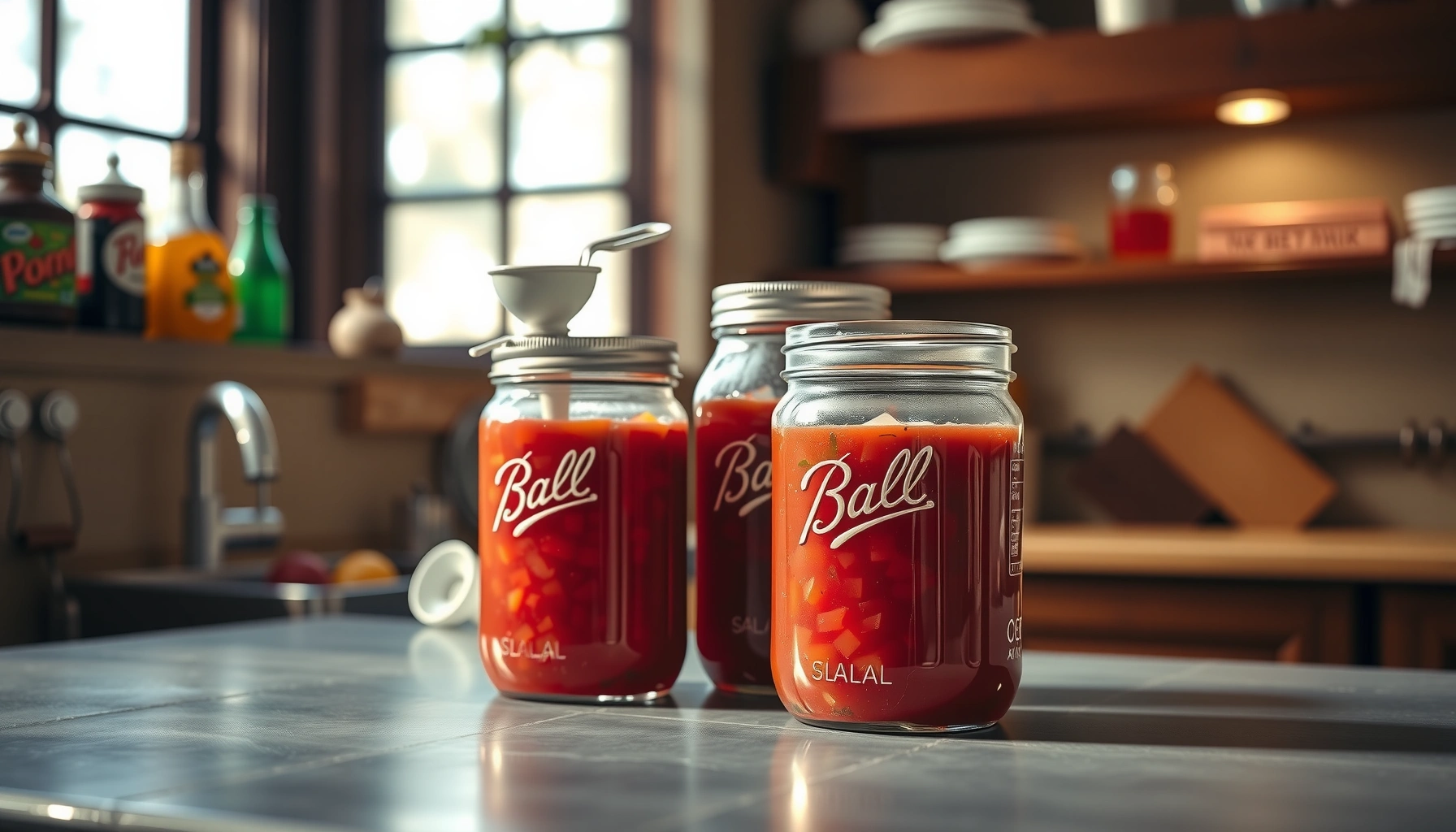
– Funnel (helps you fill without rim spills)
– Debubbler or non-metal utensil (if needed by the recipe)
– Clean, damp towel or paper towels (for quick rim wipe)
– Timer (hot-water bath accuracy depends on it)
Cook Your Salsa
Cooking salsa for canning is not just about flavor. The heat treatment before sealing helps uniformity, reduces the risk of underfilled jars, and helps keep the salsa at a safe, consistent temperature when you pack jars.
Cook ingredients until flavors meld and the mixture thickens slightly
A tested canning salsa recipe typically calls for cooking until the onions soften and flavors blend, and until the mixture reaches a specified “thick” consistency. Avoid shortcuts like adding thickeners (especially starches) unless the tested recipe includes them—thickeners can change heat penetration and texture behavior during processing.
Keep salsa hot while you fill jars to reduce temperature-related issues
Plan your workflow so you can fill promptly:
– Maintain salsa at a steady simmer or hot, just-before-filling state.
– Fill one batch of jars at a time to reduce cooling.
– If your salsa cools too much, reheat to the recipe’s indicated temperature before continuing.
Practical tip: stage your clean jars on a towel-lined surface, set out funnels and lids, and keep your canner water heating while salsa cooks so the hot-fill-to-process timeline stays tight.
Pack Jars and Leave Proper Headspace
Headspace and jar filling technique directly influence sealing success and long-term stability. Overfilling can cause leaking or broken seals; underfilling can interfere with vacuum formation and processing dynamics.
Fill jars with hot salsa, ensuring even distribution
Use a funnel and pack consistently:
– Spoon salsa in without trapping large air pockets.
– Avoid splashing sauce onto the rim.
– If the recipe calls for specific chunks (e.g., peppers and onions), keep them distributed rather than concentrating solids.
Leave the correct headspace and remove air bubbles before sealing
Follow the tested recipe’s specified headspace (often 1/2-inch for many tomato-based salsas, but always confirm in your recipe). Then:
– Run a debubbling tool along the inside wall if bubbles cling.
– Wipe jar rims with a clean, damp cloth if anything has touched them.
Then apply lids:
– Center the lid on the jar.
– Tighten bands “until fingertip tight”—snug, not overtightened. Overtightened bands can slow venting during processing.
Process in a Hot-Water Bath
Hot-water bath canning works for properly acidic, tested foods. Salsa must be processed according to validated instructions—especially because altitude changes effective processing conditions.
Use the correct processing time based on your altitude
Processing time is calculated so that each jar’s contents reach a safe temperature for long enough. Use the altitude table provided by your canning guide. In general, higher elevations require longer times because water boils at lower temperatures.
Make sure jars are fully submerged and covered with water during processing
Key rules for reliable processing:
– Start timing only once the water returns to a full boil.
– Ensure jars are covered by at least 1–2 inches of water.
– Keep water at a gentle, steady boil; avoid large rolling boil fluctuations that can cause siphoning.
After processing, lift jars carefully and avoid setting them on cold surfaces that could stress glass. Use a rack or towel-lined area to keep them stable.
Cool, Store, and Check Seals
The final stage is often underestimated, yet it determines whether you achieve a true vacuum seal and whether jars remain safe and intact long-term.
Cool jars undisturbed and allow lids to seal fully
Let jars cool without moving them. Disturbing jars while sealing can lead to incomplete vacuum formation. Typically, you’ll hear a firm “ping” as seals form, but the absence of the ping doesn’t automatically mean failure—confirm later.
Store sealed jars in a cool, dark place and refrigerate any that didn’t seal
After 12–24 hours:
– Remove bands (optional but helpful for preventing corrosion) and test lids by pressing the center.
– If the lid flexes or pops, refrigerate and use within a few days—do not store at room temperature.
– Store sealed jars in a cool, dark pantry or cabinet. For best quality, use within recommended timeframes from your source guide.
Label your jars with the canning date and recipe name (mild, medium, hot). That habit makes rotation easier and helps you track which salsa variations you enjoy most.
Quick “Ball-Canning Salsa” Workflow (Actionable Summary)
If you want a practical checklist to reduce errors, use this sequence:
1. Select a tested recipe with measured acid (lemon juice or vinegar).
2. Prep jars: inspect rims, wash thoroughly, keep warm.
3. Prepare lids exactly as directed.
4. Cook salsa per recipe until thickened as specified.
5. Keep salsa hot; fill jars with correct headspace.
6. Remove air bubbles; wipe rims clean; apply lids and bands fingertip-tight.
7. Process in boiling water for the exact time based on your altitude.
8. Cool undisturbed; verify seals; store properly or refrigerate failures.
This approach aligns each step—ingredients, packing, and processing—so you’re not relying on guesswork for shelf stability.
You’ll get shelf-stable salsa with the right tested recipe, accurate jar packing, and correct hot-water processing time (including altitude adjustments). Follow the steps carefully, avoid substitutions that change acidity or density, and you’ll be able to make a batch today—then enjoy reliably canned salsa all season.
References
- | National Center for Home Food Preservation
https://nchfp.uga.edu/how/can_04/salsa.html - | National Center for Home Food Preservation
https://nchfp.uga.edu/how/general/how-to-can/index.html - | National Center for Home Food Preservation
https://nchfp.uga.edu/how/general/choose-method-water-bath-vs-pressure.html - | National Center for Home Food Preservation
https://nchfp.uga.edu/how/can_ning/tomatoes/index.html - https://nchfp.uga.edu/publications/publications_usda.html
https://nchfp.uga.edu/publications/publications_usda.html - | National Center for Home Food Preservation
https://nchfp.uga.edu/how/can_04/salsa_recipes.html - | National Center for Home Food Preservation
https://nchfp.uga.edu/how/can_04/picante_sauce.html - Google Scholar Google Scholar
https://scholar.google.com/scholar?q=home+canning+salsa+water+bath+recommended+process+time - Google Scholar Google Scholar
https://scholar.google.com/scholar?q=salsa+canning+recipe+acidification+vinegar+lemon+juice - Google Scholar Google Scholar
https://scholar.google.com/scholar?q=Ball+blue+book+salsa+canning+recipe+water+bath