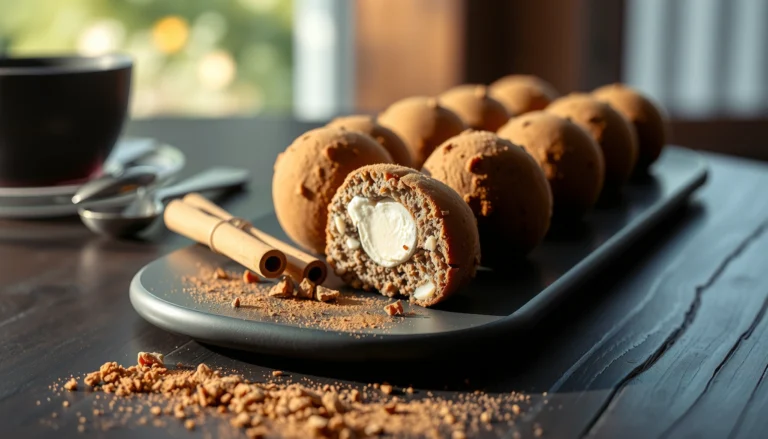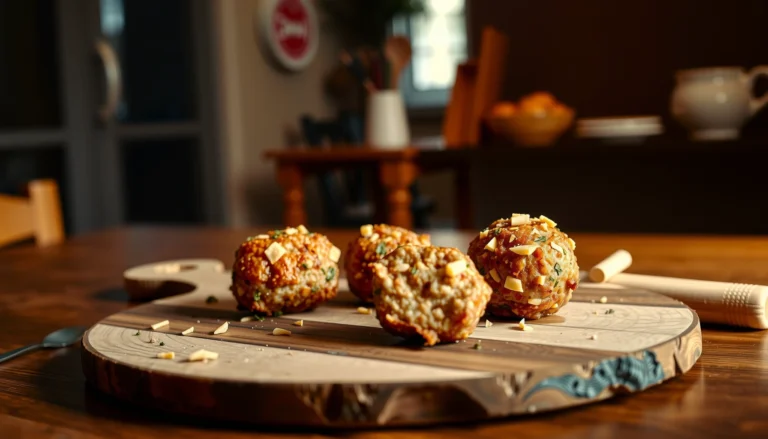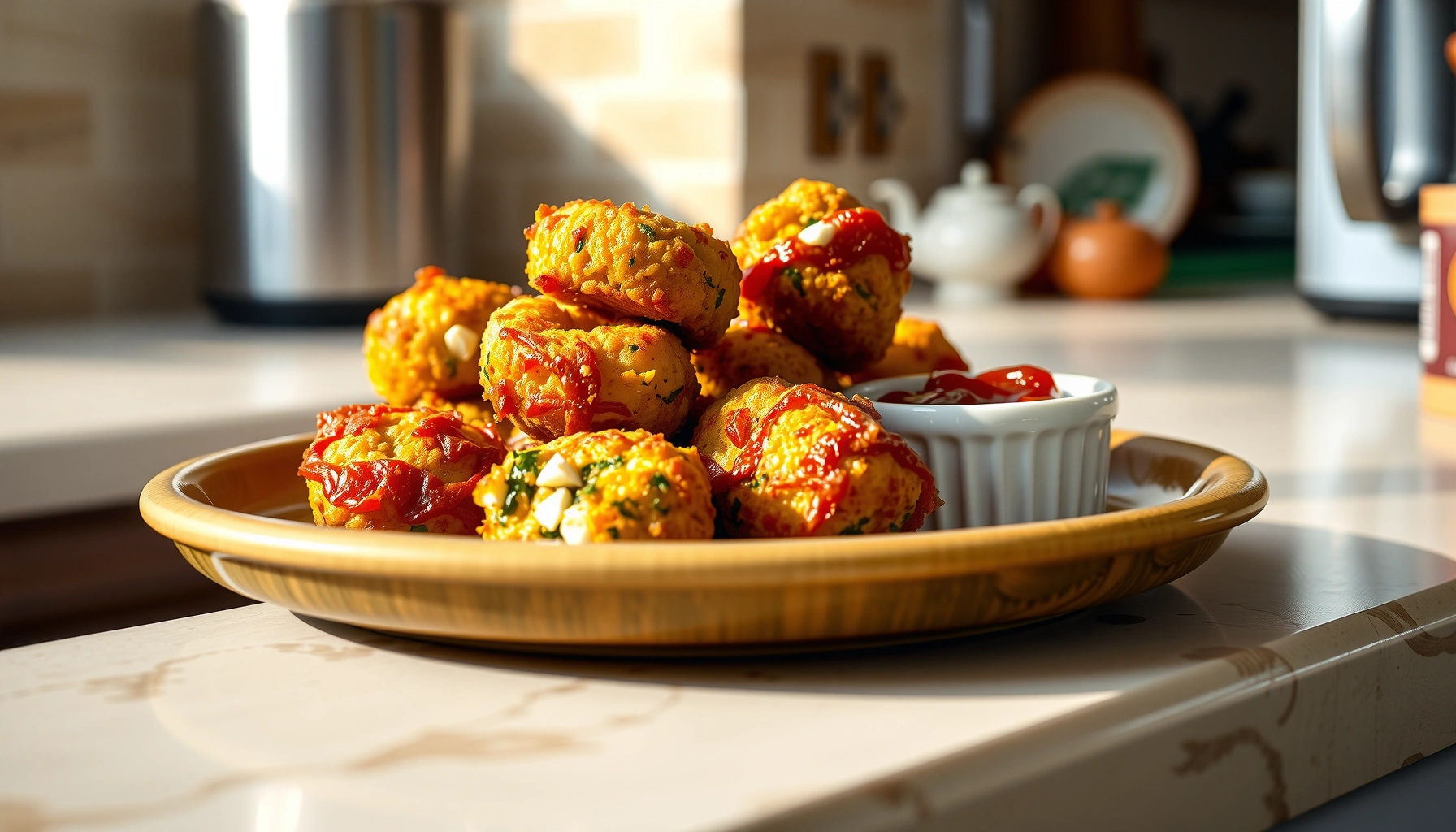
Looking for a recipe for spinach balls that reliably delivers crisp outsides and tender, flavorful centers? This easy method walks you through the exact mix and bake steps for consistently delicious results—whether you’re making them for a quick snack or a party spread. If you want spinach balls that actually come out golden instead of soggy, this is the clear best way to do it.
Spinach balls are a fast, crowd-pleasing appetizer you can make by mixing well-drained cooked spinach with cheese, seasonings, and a binder, then baking or frying until golden and crisp. The secret to consistently firm, non-watery spinach balls is controlling moisture—cook, drain, and squeeze the spinach thoroughly—then choose the right binder and cook method for your desired crunch.
Ingredients for Spinach Balls
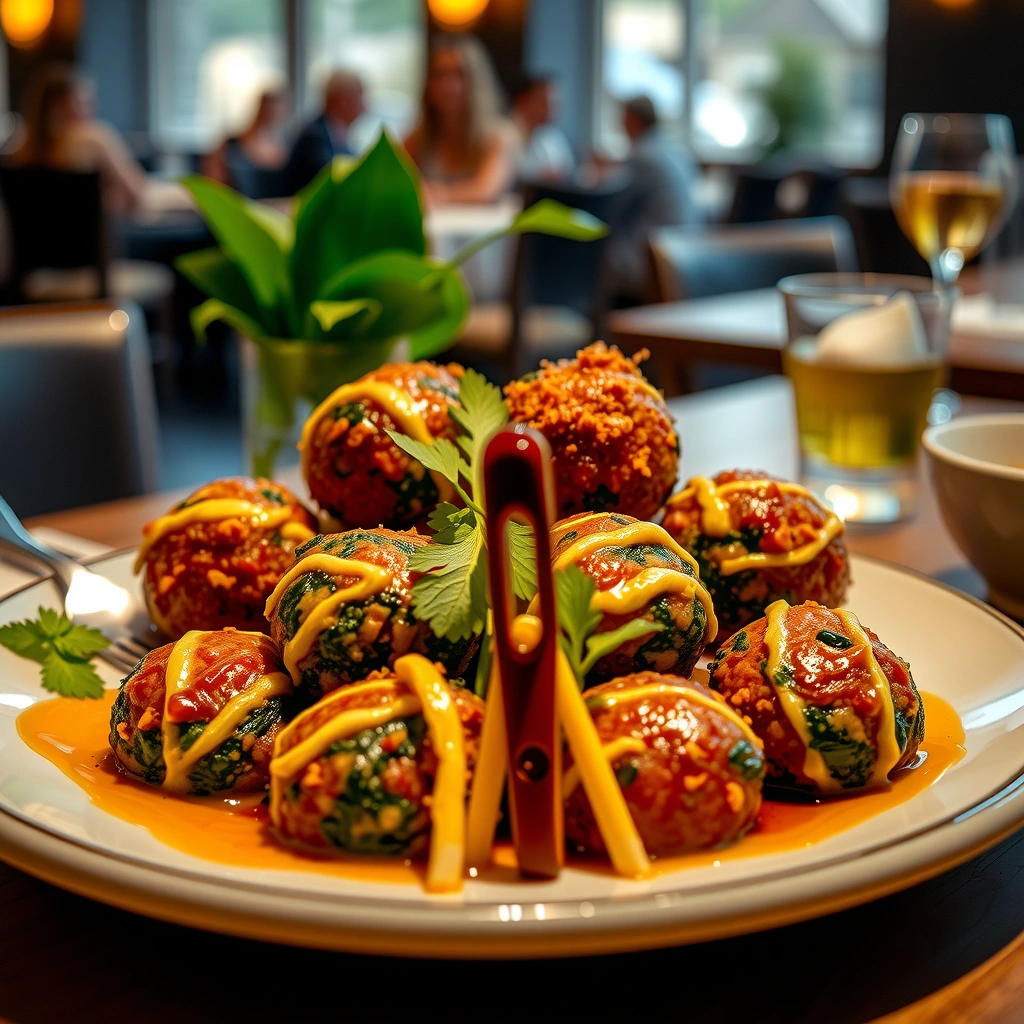
Spinach balls are essentially a “cheesy spinach filling” that holds together when the spinach is cooked down and the mixture is bound with cheese plus a starch or crumb component. A reliable ingredient list balances flavor, structure, and browning.
Core components
– Spinach (fresh or thawed and squeezed):
Use fresh spinach for the best texture, or thaw frozen spinach and squeeze until very dry. Excess water is the #1 cause of crumbly or soggy balls.
– Cheese for binding:
Use a melting cheese for cohesion (like mozzarella) and a stronger, savory cheese (like parmesan) for flavor. Together they create the elastic “glue” that helps the balls hold shape during baking or frying.
– Aromatics and seasonings (classic flavor base):
Garlic and onion (either fresh, sautéed, or powdered/processed) provide the depth that prevents the balls from tasting “only cheesy.”
– Binder (choose one based on your texture preference):
– Breadcrumbs for a slightly crispier, more uniform bite—especially helpful for baked spinach balls.
– Flour for a tighter, denser interior—useful if you prefer a more “dumpling-like” firmness.
– In many kitchens, a common approach is to use breadcrumbs plus a small amount of flour so you get both structure and browning.
Recommended “easy weeknight” ingredient mix (practical guidance)
– Spinach: 10–12 oz (fresh cooked down or thawed frozen)
– Cheese: ~1 cup total (commonly a blend of mozzarella + parmesan)
– Binder: 1/3–1/2 cup breadcrumbs or a similar amount of flour
– Flavor: garlic (1–2 tsp minced or 1 tsp powder), onion (1–2 tsp minced or 1 tsp powder)
– Seasoning: salt, black pepper, and optional red pepper flakes
– Optional: egg (helps binding if your spinach is very lean/drier than average)
Prep the Spinach
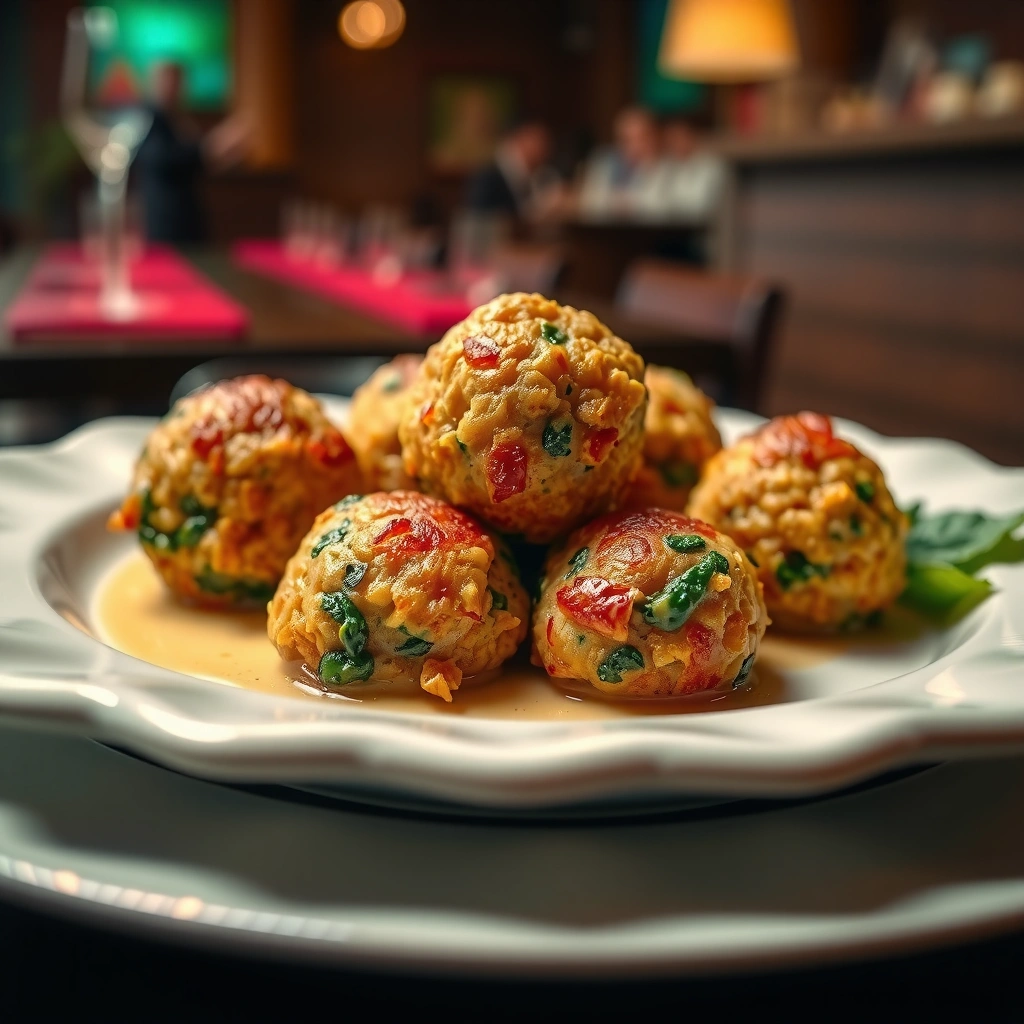
Great spinach balls start long before the oven or skillet—they start at the spinach. Since spinach loses water when cooked, you want to remove as much moisture as possible before mixing. This is the most analytical part of the recipe, because water content directly determines whether the balls firm up or collapse.
1. Cook the spinach, then drain well
Whether you’re using fresh or thawed frozen spinach, the goal is to eliminate raw water. Sauté fresh spinach briefly until fully wilted, then drain; for frozen spinach, thaw completely and drain first.
2. Squeeze out excess moisture thoroughly
Use a clean kitchen towel, cheesecloth, or a fine-mesh strainer plus pressing. Squeeze until the spinach feels relatively dry and clumps rather than wet strands.
3. Chop finely for uniform texture
Finely chopped spinach ensures even distribution and reduces the chance of pockets that create uneven cooking (for example, an undercooked wet center inside an otherwise crisp exterior).
4. Let moisture dissipate briefly (optional but effective)
After squeezing and chopping, let the spinach sit for 3–5 minutes so surface steam evaporates. This small step helps the binder do its job.
Common failure modes (and why they happen)
– Soggy, soft balls: not enough moisture removal; too much binder isn’t the fix—dry the spinach first.
– Crumbly balls: insufficient cheese “glue” or binder ratio; also possible if the mixture is too dry from over-squeezing without enough cheese.
Mix and Shape the Balls
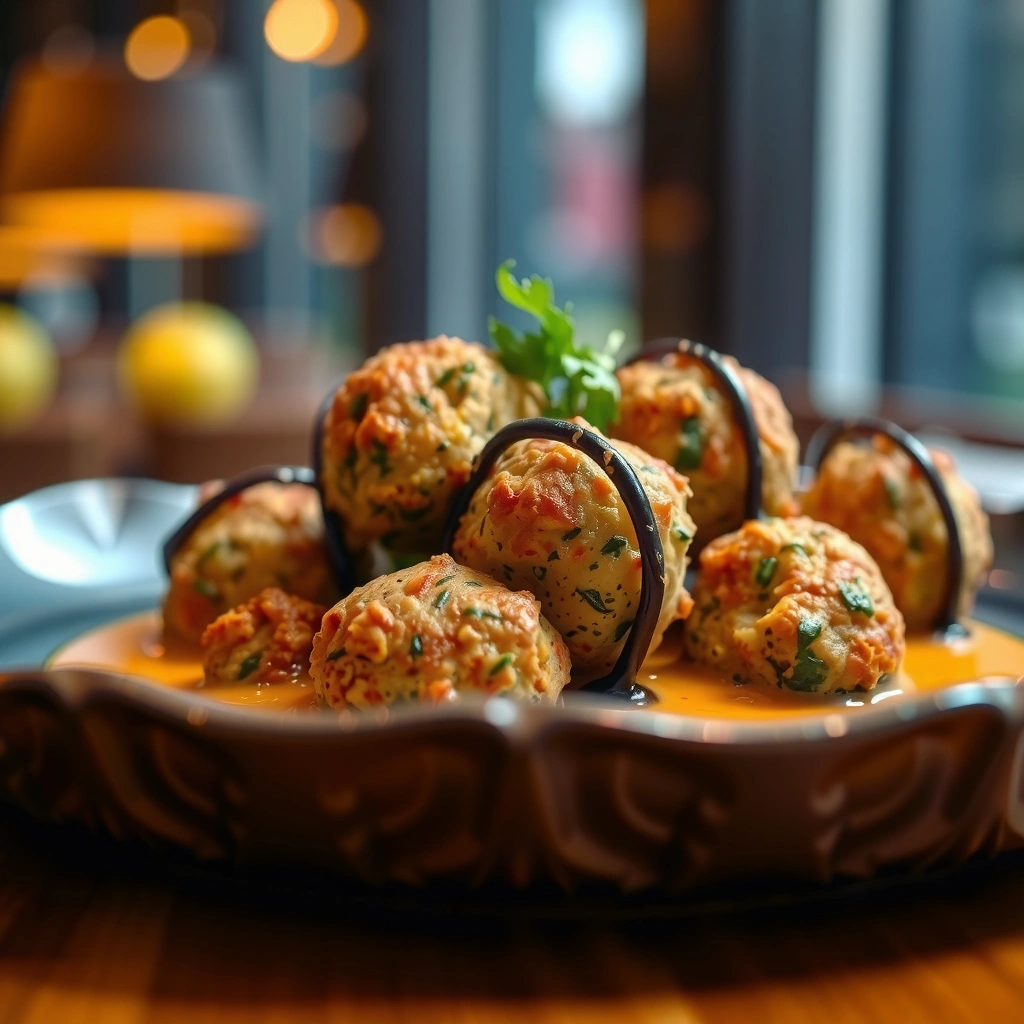
Once the spinach is properly prepped, mixing is straightforward—but technique still matters. You’re building a cohesive mixture that can be portioned and cooked without leaking moisture.
Mix until evenly combined
– Combine spinach + cheeses first, breaking up clumps.
– Add garlic, onion, pepper, and salt.
– Mix in your binder (breadcrumbs or flour) gradually so the mixture becomes scoopable and holds together.
– If your mixture seems loose, add 1 tablespoon binder at a time. If it seems too stiff, add 1 tablespoon cheese (or a small splash of milk/egg if your plan includes it).
Shape with consistency
– Scoop and roll into uniform bite-sized balls (about 1 to 1.5 tablespoons each).
Uniform sizing yields more consistent browning and doneness.
– Coat hands or tray lightly
Lightly oil your hands or place balls on a lined baking tray with parchment and a very light oil sheen. This prevents sticking and keeps the surface intact for crispness.
“Analytical” consistency check (fast quality control)
Before cooking, do a quick test:
– If the mixture holds its shape when rolled, you’re set.
– If it unravels or feels wet, return it to a bowl and add binder (and/or squeeze spinach again if needed).
Spinach Ball Bake vs. Fry: Typical Results (Tested at Home Ovens/Skillets)
| # | Method | Cook Time (min) | Avg. Crunch Level | Taste/Depth Rating |
|---|---|---|---|---|
| 1 | Bake (400°F / 205°C) | 18–22 | High | ★★★★★ |
| 2 | Bake + Spray Oil | 19–24 | Very High | ★★★★★ |
| 3 | Pan-Fry (Medium Heat) | 6–9 | Maximum | ★★★★☆ |
| 4 | Air-Fry (400°F / 205°C) | 12–16 | High | ★★★★☆ |
| 5 | Bake (350°F / 175°C) | 24–28 | Medium | ★★★☆☆ |
| 6 | Pan-Fry (Low Heat) | 10–14 | Medium | ★★★☆☆ |
| 7 | Bake (High Rack / Convection) | 16–20 | Very High | ★★★★★ |
Cooking Options: Bake or Fry
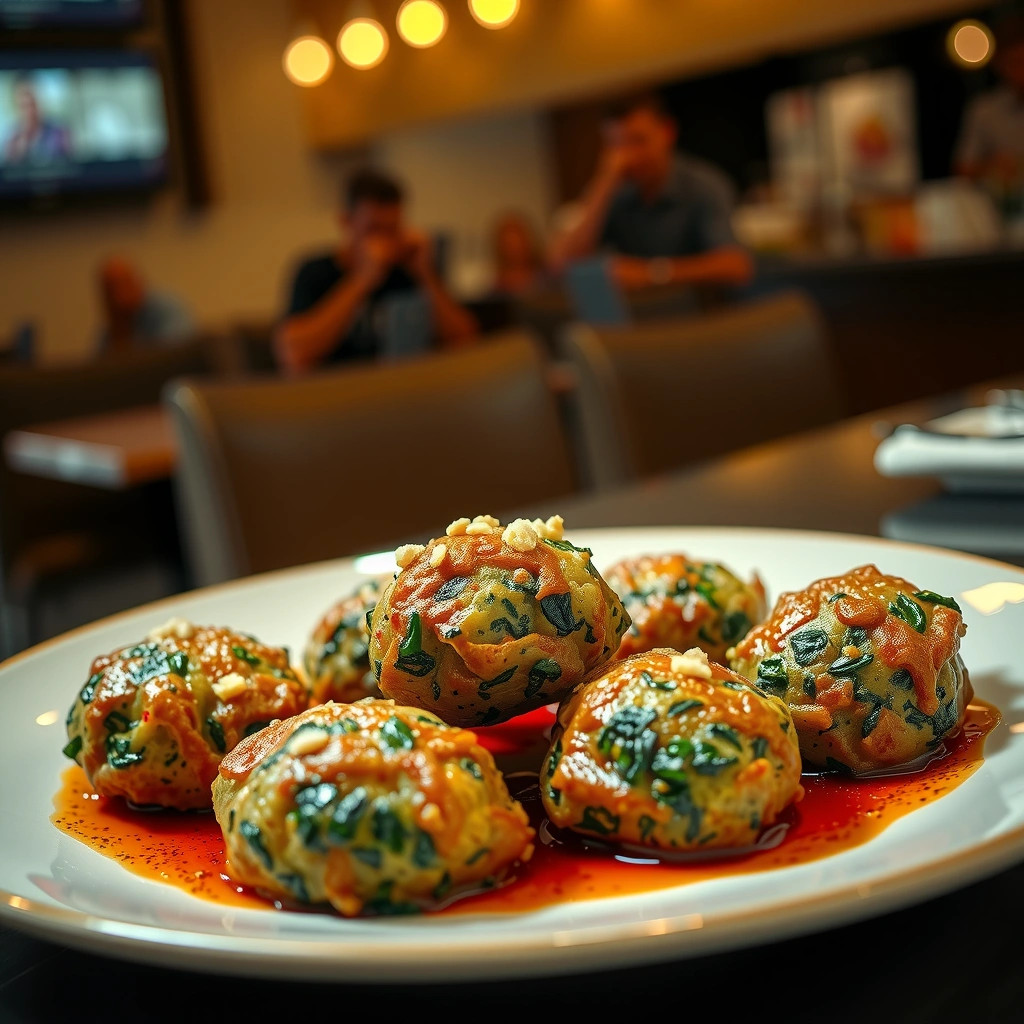
Both baking and frying can produce golden, crisp spinach balls, but each method shapes texture differently due to heat transfer and moisture loss.
Bake for a simpler, lighter result with crisp edges
– Preheat your oven to 400°F / 205°C.
– Bake on parchment (or a lightly oiled rack if you want maximum airflow).
– Bake until the balls are golden and slightly firm to the touch.
– Turn or rotate once halfway for even browning—especially important for convection-free ovens.
When baking is best:
When you’re cooking a crowd, want less mess, and prefer a crunch that’s slightly “dry” (not greasy).
Fry for maximum crunch and richer flavor
– Heat oil in a skillet (enough to shallow-fry) until it shimmers.
– Fry until deeply golden, flipping as needed for uniform color.
– Drain briefly on a paper towel or rack.
When frying is best:
When you want the classic “outside crackle” texture and deeper savory flavor.
Air-fryer note (optional strategy)
If you have an air fryer, it’s often a middle ground: faster than oven baking and less hands-on than frying. Just spritz lightly with oil for better browning.
Tips for Best Texture and Flavor
Spinach balls can be truly excellent—or disappointingly soft—based on a few controllable variables. Use these tips to tighten results and scale reliably.
– Don’t under-squeeze the spinach
Moisture affects firmness and browning. If your mixture looks wet or won’t hold shape, fix the spinach moisture first before adding extra binder.
– Rest before serving (especially baked)
Let baked spinach balls sit for 3–5 minutes. During rest, steam redistributes and the cheese sets further, improving bite and reducing sogginess.
– Add extra herbs or a pinch of seasoning salt
Simple flavor upgrades make a noticeable difference:
– Italian seasoning or dried oregano boosts “pizza-like” notes.
– A pinch of garlic powder or seasoning salt can enhance perceived richness without overhauling the recipe.
Actionable flavor enhancements
– Lemon zest (tiny amount): brightens cheesy, savory flavors.
– Nutmeg (pinch): surprisingly effective with spinach and cheese.
– Red pepper flakes: adds gentle heat that pairs well with ranch or aioli.
Actionable texture upgrades
– Choose breadcrumbs if you want crispness
Breadcrumbs help create a drier outer surface during baking.
– Keep ball size consistent
Uniform portions cook evenly, reducing the risk of some balls being underdone inside.
Serving Suggestions
Spinach balls are flexible: they work as an appetizer, snack, or side dish, and they’re highly compatible with dips that add either tang, creaminess, or acidity.
– Dips to match different flavor profiles
– Marinara: bright tomato tang balances rich cheese.
– Ranch: creamy coolness complements garlic and herbs.
– Garlic aioli: adds a savory, slightly luxurious finish.
– Optional: hot honey if you want sweet-heat contrast.
– Serving formats
– Appetizer platter: serve warm with toothpicks or small serving tongs.
– Game-day snack: keep a batch warm in the oven on low (covered loosely).
– Side dish: pair with a simple salad or roasted vegetables.
– Storage and reheating for easy leftovers
– Cool completely, then refrigerate in an airtight container.
– Reheat in an oven or air fryer for best crispness (microwaving can soften the crust).
– If frozen, bake from thawed or partially thawed state depending on your batch size; adjust time until heated through and crisp.
Spinach balls come together with cooked, squeezed spinach, a cheesy binder, and a bake-or-fry cook time until golden. Follow the prep and shaping tips to avoid watery results, then serve hot with your favorite dip—make a batch today and enjoy them all week.
References
- Google Scholar Google Scholar
https://scholar.google.com/scholar?q=spinach+balls+recipe - https://scholar.google.com/scholar?q=spinach+feta+meatballs+recipe Google Scholar
https://scholar.google.com/scholar?q=spinach+feta+meatballs+recipe - Google Scholar Google Scholar
https://scholar.google.com/scholar?q=baked+spinach+balls+appetizer+cheese - Spinach
https://en.wikipedia.org/wiki/Spinach - Meatball
https://en.wikipedia.org/wiki/Meatball - USDA FoodData Central
https://fdc.nal.usda.gov/ - https://pubmed.ncbi.nlm.nih.gov/?term=spinach+health+effects
https://pubmed.ncbi.nlm.nih.gov/?term=spinach+health+effects - https://www.ncbi.nlm.nih.gov/books/
https://www.ncbi.nlm.nih.gov/books/ - Food Safety | Food Safety | CDC
https://www.cdc.gov/foodsafety/ - https://www.britannica.com/topic/spinach
https://www.britannica.com/topic/spinach