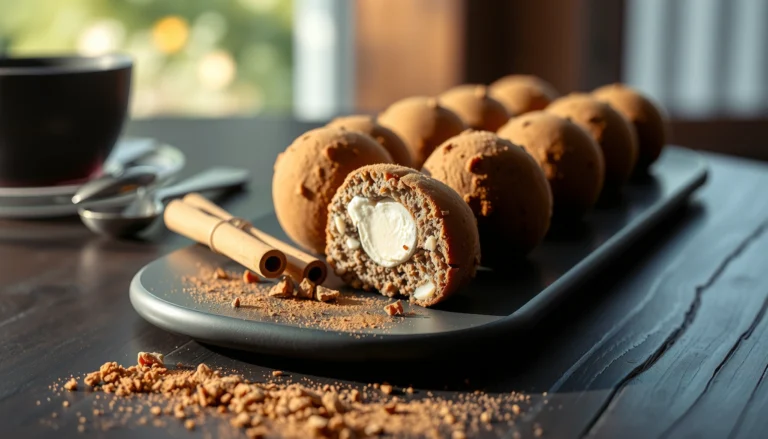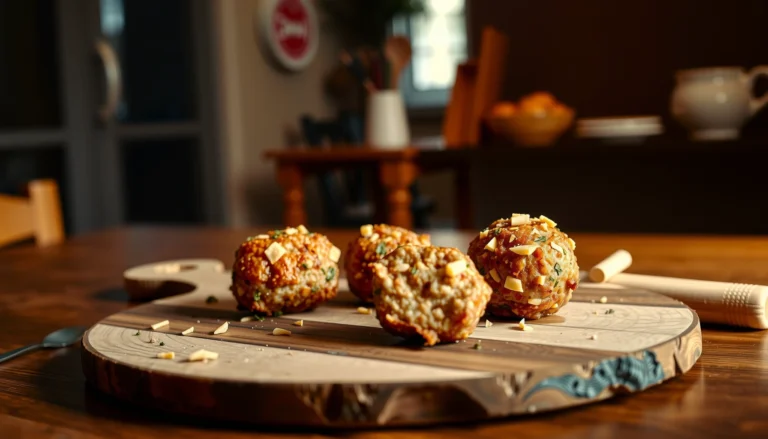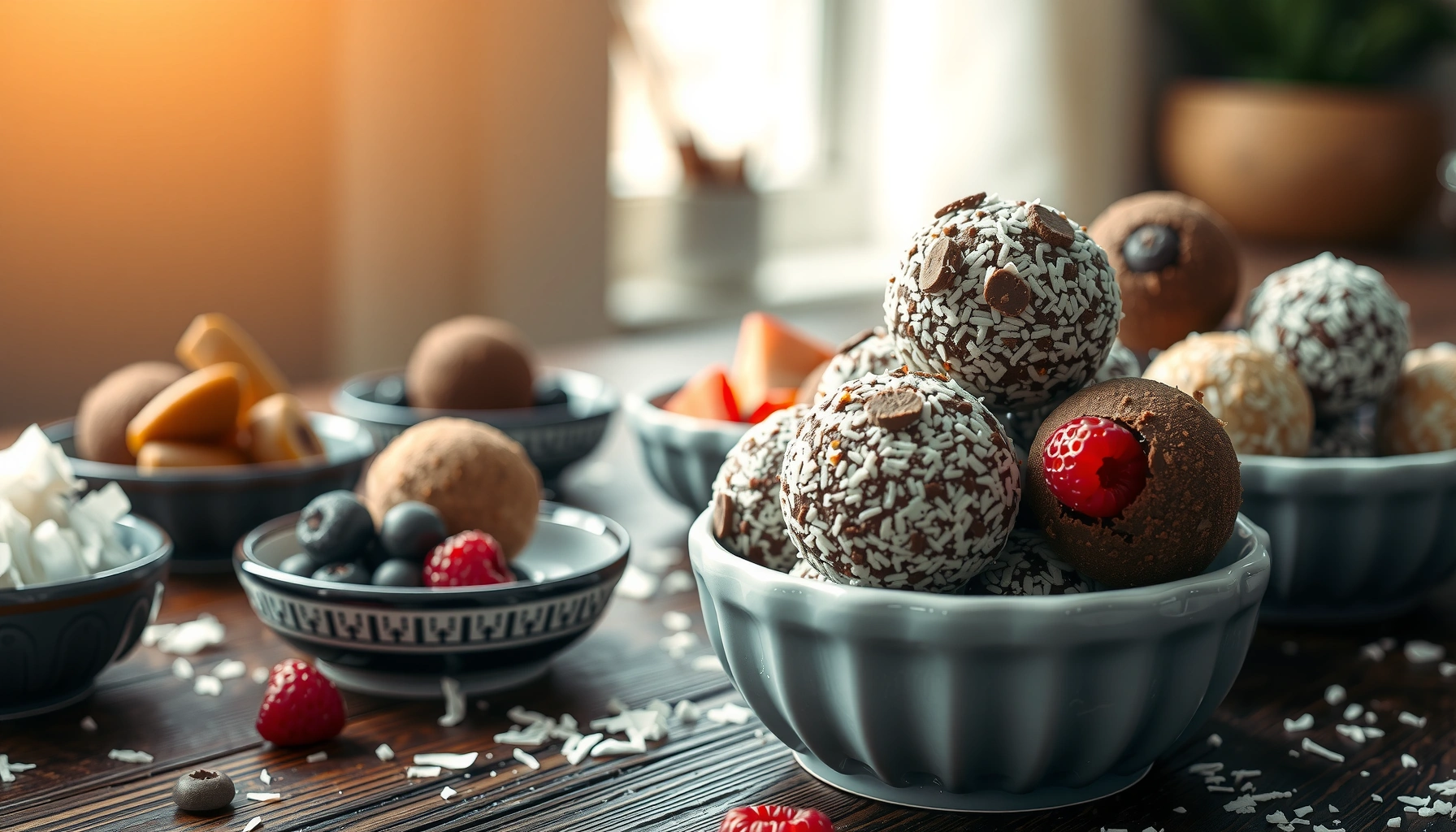
Find the best energy ball recipes that actually deliver quick, no-bake nutrition with zero cooking time. This guide picks the easiest, most reliably nutritious options—sweet enough to satisfy, filling enough to keep you on track. If you want fast energy balls you can make from pantry staples, you’ll get exactly what to mix, how to roll, and what to expect from each recipe.
Energy ball recipes are the simplest way to create healthy, grab-and-go snacks: combine, roll, and chill—no oven required. This guide breaks down practical ingredient strategies, proven starter templates, flavor combinations, and storage rules so your homemade energy balls stay firm, taste great, and fit real nutrition goals.
Energy balls work because they’re essentially a measured system: energy-dense components (oats, nuts, seeds, dried fruit) are bound by a sticky matrix (nut butter, dates, honey, tahini), then chilled to set the texture. When done well, they deliver steady fuel from carbohydrate plus fat (for satiety) and protein (for fullness and muscle support). With a few flexible templates and disciplined portioning, you can make batches for busy mornings, office afternoons, workouts, road trips, and meal-prep calendars.
Estimated Nutrition for Popular Energy Ball Base Types (per 2 balls)
| # | Energy Ball Base | Calories | Protein | Fiber | Carb Type | Satiety Score |
|---|---|---|---|---|---|---|
| 1 | Oats + Peanut Butter | 220 | 8 g | 4 g | Whole-grain | ★★★☆ |
| 2 | Dates + Walnuts + Cocoa | 250 | 6 g | 5 g | Natural sugars | ★★★★ |
| 3 | Oats + Chia + Almond Butter | 210 | 7 g | 6 g | Whole-grain | ★★★★ |
| 4 | Tahini + Soaked Oats + Lemon | 240 | 9 g | 3 g | Mixed | ★★★☆ |
| 5 | Protein Powder + Oats + Honey | 270 | 17 g | 3 g | Added sweeteners | ★★★★ |
| 6 | Coconut + Dried Berries + Cashews | 260 | 6 g | 4 g | Natural sugars | ★★★☆ |
| 7 | No-Nut Seed Base (Sunflower + Flax) | 200 | 7 g | 7 g | Whole-seed | ★★☆★ |
What Makes Great Energy Ball Recipes?

Great energy ball recipes reliably achieve three things: texture that holds together, balanced nutrition, and repeatable flavor. Because these are no-bake snacks, you don’t have the “set” of oven heat—so the binding strategy matters as much as the ingredients list.
Start with macro balance:
– Carbohydrates (oats, dried fruit, shredded coconut, seeds) provide quick-to-sustained energy. Whole-food carbs generally pair well with fiber for steadier appetite control.
– Healthy fats (nut butter, tahini, nuts, chia, flax) slow digestion and improve satiety—especially important for longer gaps between meals.
– Protein (nut butter, Greek yogurt, whey/plant protein powder, seeds) supports fullness and muscle maintenance, particularly when energy balls are used post-workout or as meal replacements.
Then ensure cohesion with binder ingredients:
– Nut butter (peanut, almond, cashew) naturally emulsifies and clings.
– Dates add both sweetness and a natural sticky structure—often the most forgiving binder for a “bite that stays together.”
– Honey/maple syrup help bind, but can make balls softer unless paired with enough oats or ground nuts and then chilled.
– Soaked oats and tahini can produce a no-nut, dairy-free binder when hydrated and mixed thoroughly.
A practical approach: aim for a dough-like consistency. If it crumbles, add binder (1 teaspoon at a time). If it feels wet and sticky, add base (1 tablespoon at a time: oats, ground nuts, or chia).
Essential Ingredients to Keep on Hand
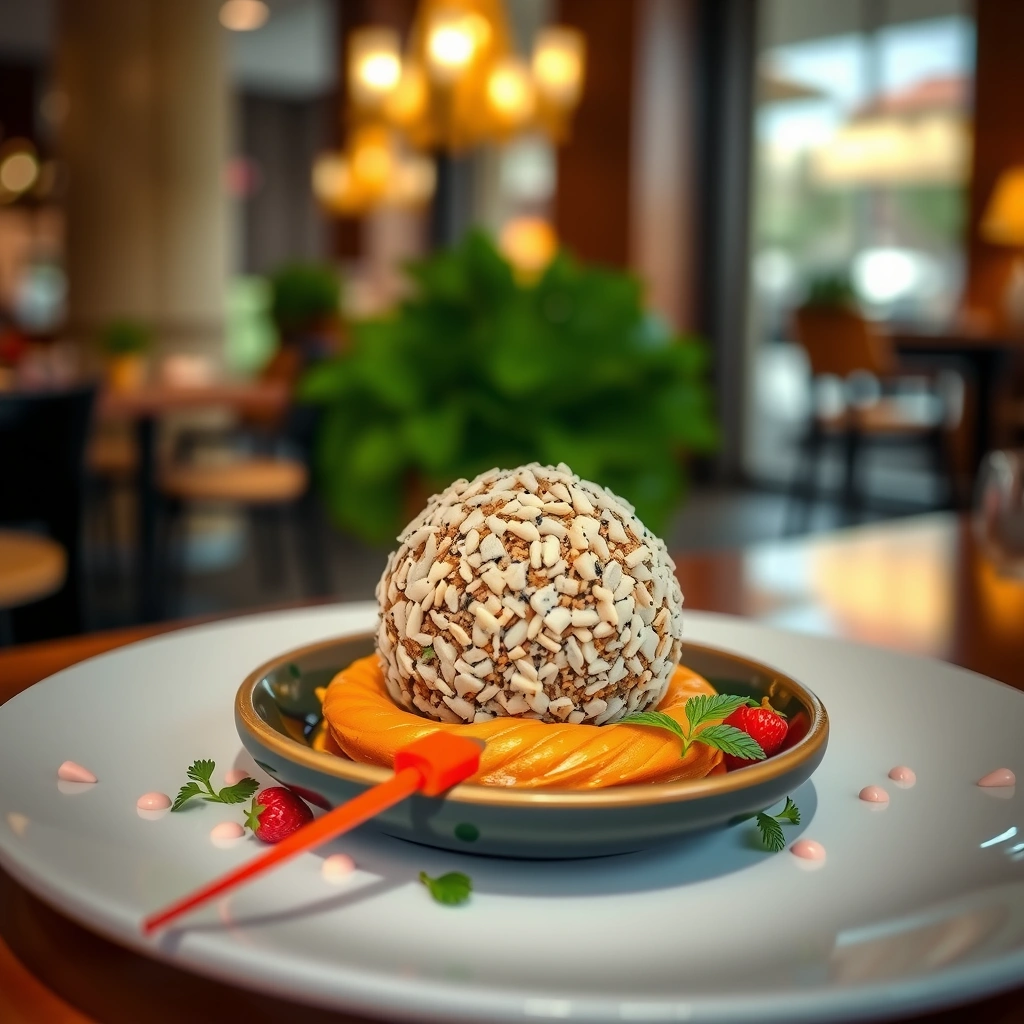
To make energy ball recipes quickly, keep a tight “core pantry” so you can mix-and-match without reinventing the wheel.
Choose base carbs (for structure and texture):
– Oats (rolled or quick) for a classic chewy bite
– Nuts (almonds, walnuts) ground into meal for thickness
– Seeds (pumpkin, sunflower, sesame) for crunch and micronutrients
– Dried fruit (dates, raisins, dried cherries) for sweetness and binding
Add flavor and nutrition (for identity and nutritional lift):
– Cocoa for chocolate depth (unsweetened)
– Cinnamon and vanilla for warmth and aroma
– Chia and flax for fiber and thickening power
– Salt (tiny amounts) to balance sweetness and enhance perception of flavor
Pro tip for operational consistency: keep one binder + one “texture” ingredient as your default. For example, dates + oats or nut butter + chia. Once that foundation is stable, you can vary flavors without compromising the final texture.
Easy Base Recipes (3 Starter Templates)
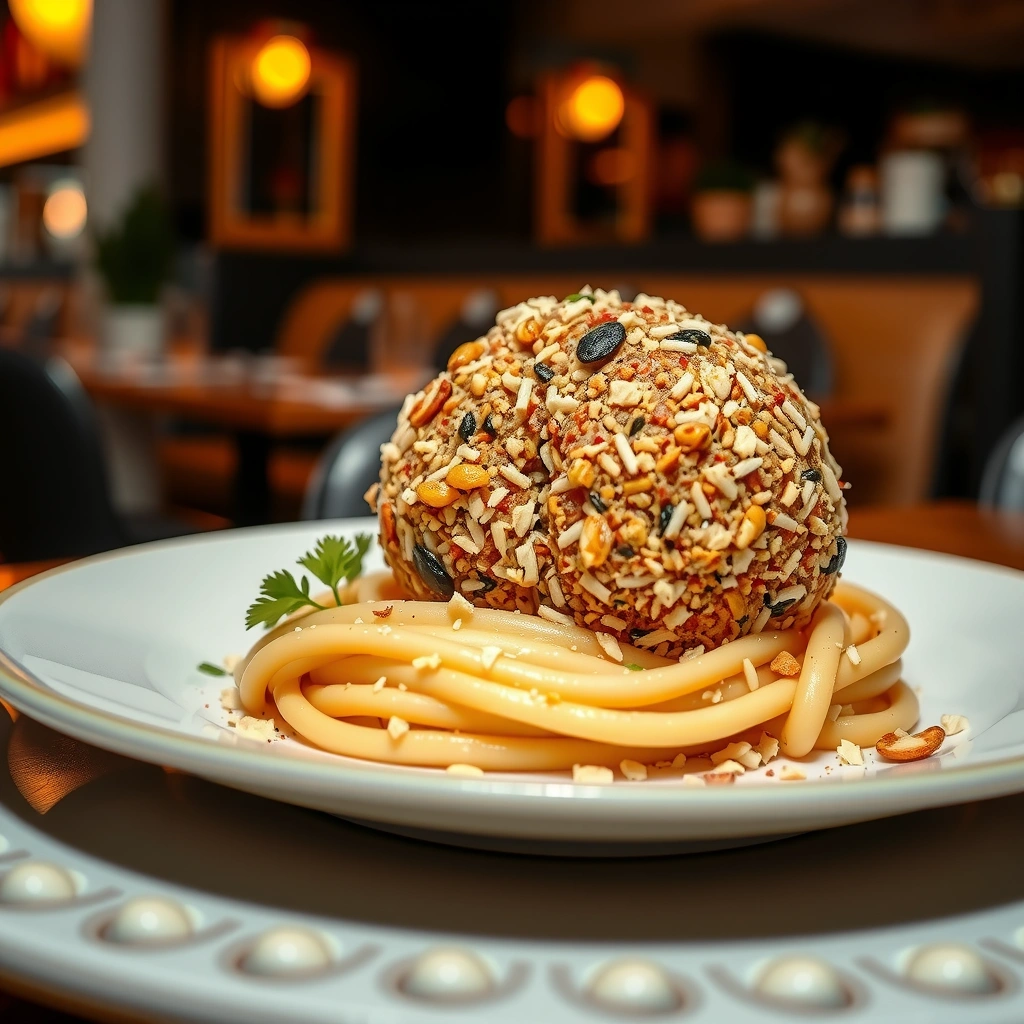
Below are three reliable starter templates that you can scale to meal-prep volumes. They’re intentionally flexible, so you can tailor to dietary needs while still producing energy balls that hold shape.
Template 1: Oats + Nut Butter + Honey/Maple + Mix-ins
Best for: classic, crowd-pleasing flavor; easy customization
How it works: oats provide structure; nut butter and syrup act as binders.
Typical build (per batch):
– Rolled or quick oats
– Nut butter
– Honey or maple syrup
– Mix-ins: chocolate chips, chopped nuts, dried fruit, or shredded coconut
Actionable consistency check:
If mixture doesn’t form when pressed, increase nut butter by 1 tablespoon or add 1–2 teaspoons warm water (to help syrup distribute) and mix again.
Template 2: Dates + Nuts + Cocoa + Optional Protein Powder
Best for: chewy, dessert-style balls with strong binding
How it works: dates hydrate and create a sticky matrix; cocoa builds flavor and color.
Typical build:
– Dates (pitted; soaked 10 minutes for easier blending, optional)
– Nuts (walnuts, almonds, cashews)
– Unsweetened cocoa
– Optional: protein powder (whey for dairy-based, plant for vegan)
Actionable note:
Protein powder absorbs moisture. If you add it, you’ll usually need slightly more date or a splash of water to keep the dough cohesive.
Template 3: Yogurt or Nut-Butter-Free Options Using Soaked Oats or Tahini (if desired)
Best for: dairy-free or nut-free adaptations without losing texture
How it works: hydrated oats or tahini provide structure and fat.
Options you can choose:
– Nut-butter-free with soaked oats: blend soaked oats with water until thick, then mix in ground seeds/chia for binding and body.
– Tahini-based: tahini plus hydrated oats (or date paste) creates a creamy, firm texture.
Actionable note:
Nut-free recipes often need a bit more time to chill. Plan on 30–60 minutes so the fats and fibers fully set.
Flavor Variations You Can Make in Minutes
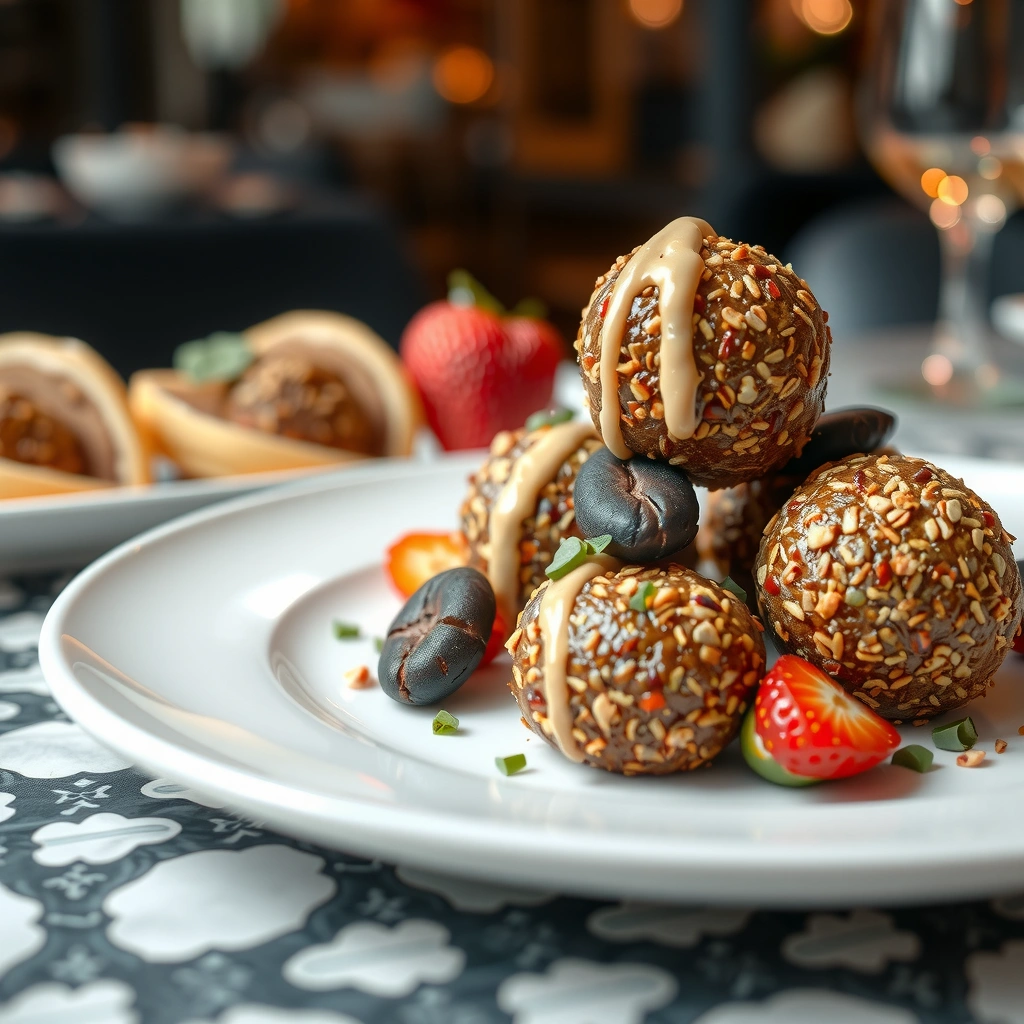
Once your base template is stable, flavor variation becomes “surface engineering”: adding aromatic compounds and texture accents without breaking binder ratios.
Chocolate
– Core: cocoa + vanilla
– Boost: add chocolate chips or cacao nibs for texture
– Optional nutrition: chia or flax for fiber, or a small amount of protein powder for more post-workout readiness
Peanut Butter
– Core: peanut butter + crushed peanuts
– Finish: a pinch of salt sharpens the profile and reduces “flat” sweetness
Coconut/Berry
– Core: shredded coconut + berries or berry powder
– Brightener: lime zest (small amount) makes the fruit flavor pop rather than taste purely sweet
– Texture: add toasted coconut for a more bakery-like bite
The best practice is to keep flavor changes within the same “family” of sweetness and moisture. For instance, if you switch from dates (very sticky) to berries (often less binding), increase binder slightly or add more oats/seed meal.
How to Form, Chill, and Store Energy Balls
Energy ball recipes succeed in the final third: forming accuracy, chilling time, and storage discipline. Even the best formula can soften if chilled improperly or stored incorrectly.
Forming
– Roll into bite-sized balls (roughly 1–1.5 tablespoons each for consistent portioning)
– Or press into bars using parchment-lined trays:
– Bars are often easier for slicing and portion control
– They also hold up well for lunches and meetings
Chilling
– Chill 20–60 minutes depending on binder type:
– Date- and nut-butter-based balls set faster because fats and sticky sugars firm quickly
– Nut-free seed or yogurt-based mixtures often benefit from longer chilling to fully hydrate and bind
Storage
– Fridge: best for 4–7 days for most homemade batches
– Freezer: ideal for up to 2–3 months; thaw in the fridge overnight for best texture
– Portion control: store in small containers or bag portions so you don’t repeatedly expose the whole batch to room temperature
Safety note for business environments (cafeterias, offices): if you’re preparing for shared settings, refrigerate promptly and label batches with date and ingredients. No-bake doesn’t mean “no food safety.”
Customizing for Your Goals (Diet & Macros)
Energy ball recipes are powerful because they adapt to different nutritional objectives—without requiring a specialized cookbook. Think in terms of what to adjust, not just what to add.
Adjust sweetness
– To reduce added sugar, use less honey/maple or choose no-sugar-added sweetened components where appropriate.
– For a low-sweet base, lean on:
– Cinnamon + vanilla for flavor intensity
– Unsweetened cocoa
– Chia/flax to keep texture satisfying despite lower sweetness
Increase protein
– Add whey (best for dairy-based diets) or plant protein powder (pea or blend powders are common).
– Keep an eye on moisture:
– Protein powder absorbs liquid, so add a teaspoon of water or increase date paste slightly to avoid dry, crumbly balls.
Increase fiber
– Boost fiber by adding chia or ground flax.
– Also consider switching part of the oats to seed meal for a more fiber-forward snack.
Calorie management without losing satisfaction
– Portion matters. If you’re targeting a specific macro, weigh one ball and standardize your recipe scale.
– Balls with higher fat (like nut-butter-heavy versions) are more calorie-dense—great for athletes, less ideal for strict calorie targets unless portioned carefully.
Binder-to-Base Troubleshooting for Energy Ball Texture
| # | If Your Mixture Does This… | Likely Cause | Fix (Small Adjustment) | Expected Result | Result Rating |
|---|---|---|---|---|---|
| 1 | Crumbles when rolled | Too little binder | Add 1 tsp nut butter or 1–2 tsp date paste | Balls hold together | ★★★★ |
| 2 | Too sticky to roll | Binder too high or base too low | Add 1 tbsp oats or ground nuts; chill 15 min | Cleaner handling | ★★★☆ |
| 3 | Holds shape but feels dry | Over-absorbing powders | Add 1–2 tsp water; mix thoroughly | Softer, chewy texture | ★★★★ |
| 4 | Too soft even after chilling | Not enough set time | Chill additional 20–30 minutes | Firmer bite | ★★★☆ |
| 5 | Cracks on the outside | Mixture too cold/dry | Let rest 5 minutes, then re-roll | Improved surface finish | ★★★☆ |
Energy ball recipes let you build a quick, nutritious snack from a few flexible ingredients. Pick one base template, add a flavor variation you love, then chill and store for ready-to-go energy—try making a batch this week and save your favorite combo for next time.
If you want maximum success on the first attempt, choose a binder you trust (dates or nut butter), measure your base and mix-ins, and treat texture like a controllable variable. With that approach, your energy balls won’t just be “healthy”—they’ll be consistent enough for regular use.
In conclusion, the best energy ball recipes balance carbs, fats, and protein while using reliable binders to create a stable, no-bake snack. Keep a streamlined pantry of base carbs and flavor boosters, start with one of the three templates, customize for your diet and macros, and follow practical chilling and storage steps. Do that, and you’ll have a repeatable system for delicious, nutritious energy balls that are genuinely convenient.
References
- Google Scholar Google Scholar
https://scholar.google.com/scholar?q=energy+ball+recipe+oat+date+nut+no-bake - Google Scholar Google Scholar
https://scholar.google.com/scholar?q=energy+balls+recipe+nutrition+composition - Google Scholar Google Scholar
https://scholar.google.com/scholar?q=energy+bites+recipe+formulation+macronutrients - Google Scholar Google Scholar
https://scholar.google.com/scholar?q=snack+food+energy+dense+confection+ball+recipe - Google Scholar Google Scholar
https://scholar.google.com/scholar?q=healthy+snack+energy+bites+clinical+trial - Google Scholar Google Scholar
https://scholar.google.com/scholar?q=designed+snack+foods+energy+balls+carbohydrate+fat+protein - Google Scholar Google Scholar
https://scholar.google.com/scholar?q=oat+date+energy+balls+glycemic+index - Google Scholar Google Scholar
https://scholar.google.com/scholar?q=nutrient+analysis+energy+balls+recipe - Google Scholar Google Scholar
https://scholar.google.com/scholar?q=low+sugar+energy+balls+recipe+study - Google Scholar Google Scholar
https://scholar.google.com/scholar?q=manufacturing+process+energy+snack+balls+no-bake