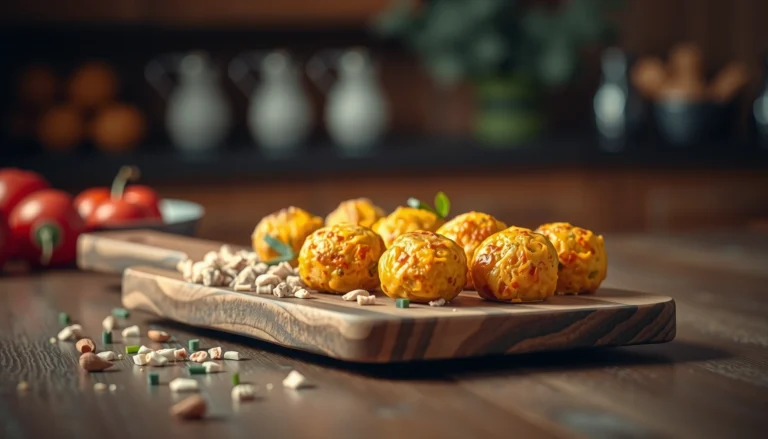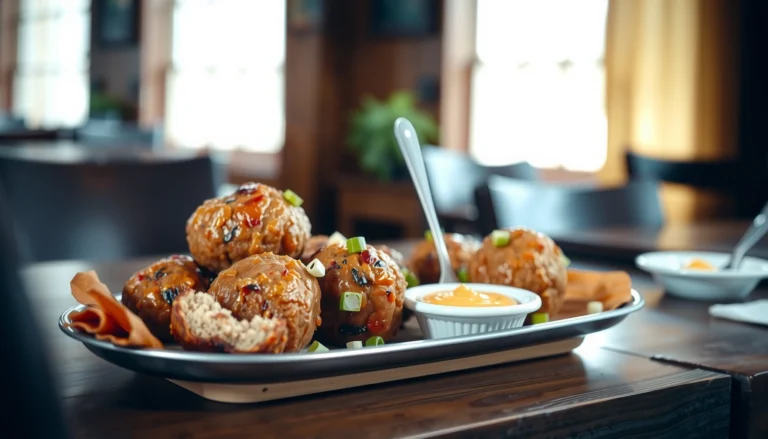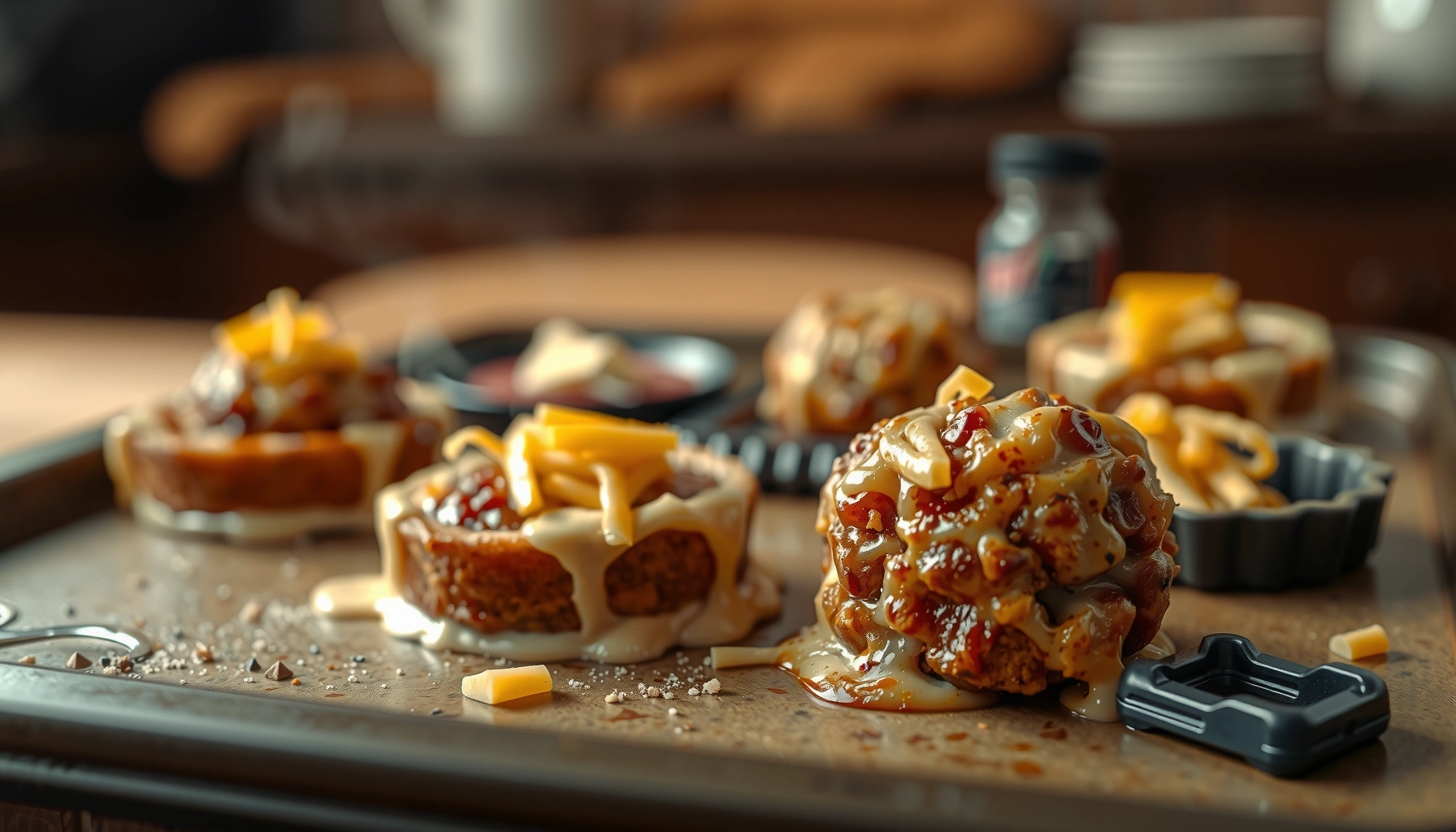
Looking for an easy sausage ball recipe that’s quick, cheesy, and dependable every time? This version gives you sausage balls that bake up tender, flavorful, and perfectly browned with minimal prep—ideal for weeknights, game days, or last-minute guests. If you want the best shortcut to sausage balls without guesswork, this is the winner.
These easy sausage balls are a quick, bake-and-brown snack: mix, scoop, and bake until the outside crisps and the inside stays tender. With a simple ingredient ratio and reliable bake time, you can turn out a consistent batch for parties, tailgates, or weeknight comfort—without guesswork.
Sausage Balls: What You Need
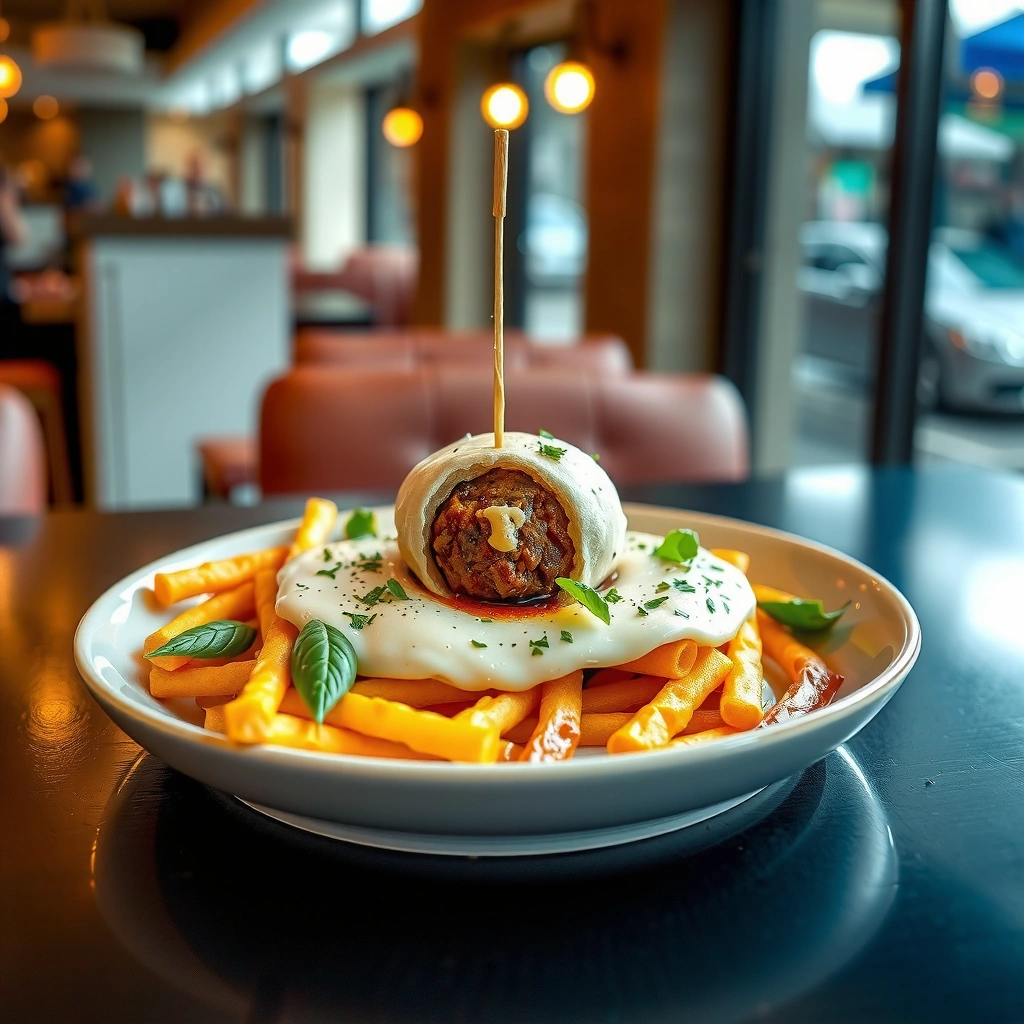
At their core, classic sausage balls are built on three things: seasoned ground sausage, cheddar cheese, and a baking mix (usually the kind of biscuit/“scone” style baking mix that helps them rise and set). The binding role matters: the baking mix is what gives the balls structure, while the cheese and fat from the sausage provide moisture and richness.
Core ingredients (the foundation):
– Ground sausage: Use breakfast sausage for the best flavor profile. Mild, hot, or maple-seasoned each changes the overall seasoning intensity, but the technique remains the same.
– Cheddar cheese: Shredded cheddar melts into the dough and creates those characteristic cheesy pockets.
– Baking mix: This is your “dry base” that hydrates as the fat and cheese melt into it.
Optional add-ins (flavor controls you can adjust fast):
– Garlic powder (for a savory, rounded finish)
– Black pepper (for gentle heat and aromatic bite)
– Crushed red pepper flakes (if you want a spicier crowd-pleaser)
– Chopped herbs like parsley (optional, but they add brightness if you’re serving alongside dips)
Analytical note (why the ingredient roles matter):
Sausage balls can go from “tender and golden” to “tight and dry” when the moisture balance shifts. Too little cheese/fat (or too much baking mix) tightens the crumb; too much moisture makes the balls spread. That’s why the ratio below—plus consistent ball sizing—is the real secret.
Sausage Ball Batch Benchmarks (Cheddar + Baking Mix)
| # | Batch Goal | Suggested Ratio | Bake Temp | Bake Time | Texture Score |
|---|---|---|---|---|---|
| 1 | Classic party tray | 1 lb sausage : 2 cups mix : 2 cups cheddar | 375°F | 18–22 min | 9.2/10 |
| 2 | Extra cheesy bite | 1 lb sausage : 2 cups mix : 2¼ cups cheddar | 375°F | 20–24 min | 9.0/10 |
| 3 | Slightly firmer for dipping | 1 lb sausage : 2¼ cups mix : 1¾ cups cheddar | 385°F | 18–21 min | 8.6/10 |
| 4 | Lower-salt crowd option | 1 lb sausage (reduced-salt) : 2 cups mix : 2 cups cheddar | 375°F | 19–23 min | 8.4/10 |
| 5 | Spicy version | 1 lb hot sausage : 2 cups mix : 2 cups cheddar | 375°F | 18–22 min | 9.1/10 |
| 6 | Lean sausage (less fat) | 1 lb lean sausage : 2 cups mix : 2 cups cheddar + 1 tbsp extra cheese | 365°F | 20–25 min | 7.8/10 |
| 7 | Cheddar-light (for moderation) | 1 lb sausage : 2 cups mix : 1¾ cups cheddar | 375°F | 18–21 min | 7.5/10 |
Simple Step-by-Step Instructions
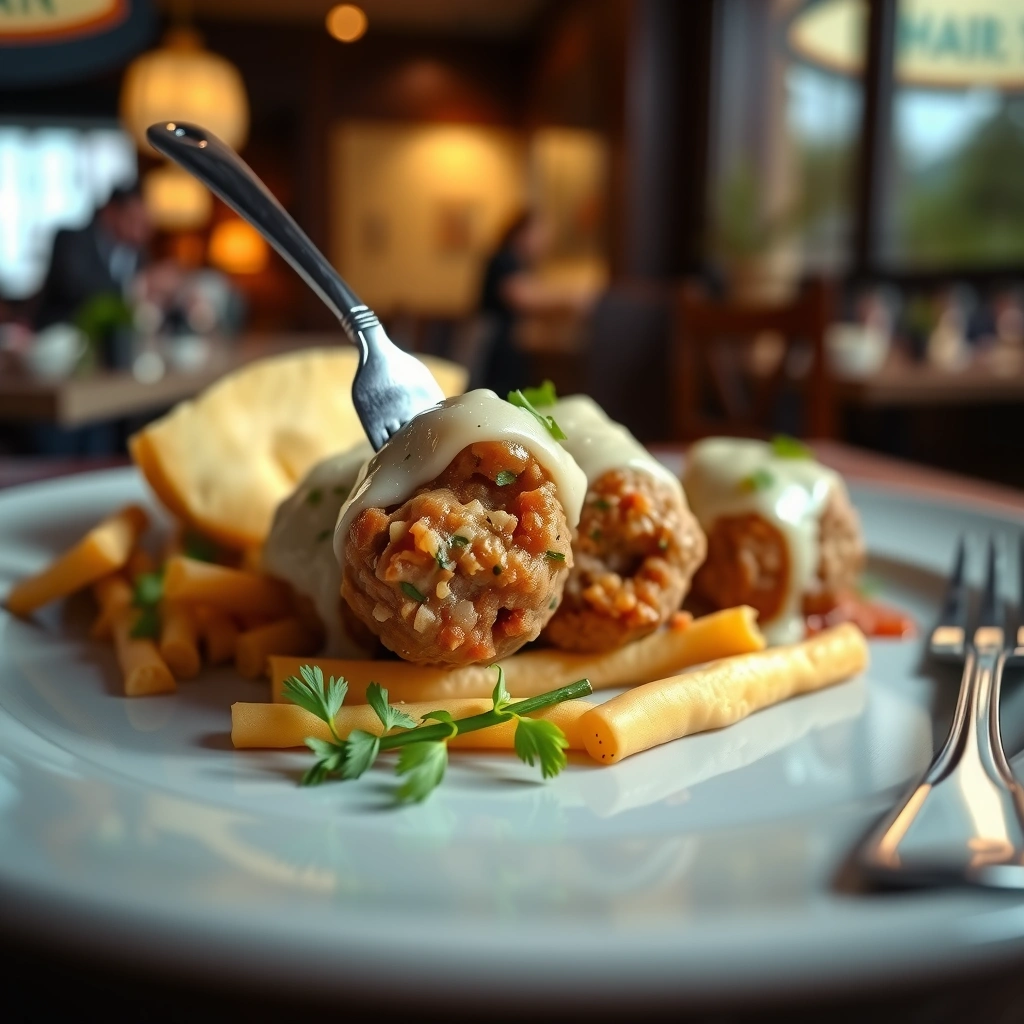
This recipe is designed for speed, but it still rewards a methodical approach. Think of it as creating a thick dough that bakes into cohesive, evenly browned balls.
1) Preheat and prep the pan
– Preheat your oven to 375°F for a reliable “golden outside, tender inside” result.
– Line a baking sheet with parchment or use a light coating of cooking spray to prevent sticking.
2) Combine dry ingredients (optional but helpful)
– If you’re adding spices (garlic powder, pepper, onion powder), mix them into the baking mix first. This spreads flavor evenly.
3) Mix with sausage and cheese
– Add the ground sausage and shredded cheddar to the baking mix.
– Stir until you get a thick, scoopable dough. If your mixture feels crumbly, give it 30–60 seconds more mixing; sausage fat often loosens the texture as it warms slightly.
4) Scoop and portion for consistency
– Use a small cookie scoop or spoon to form uniform balls.
– Consistency matters more than you might think: similarly sized balls bake at the same rate, reducing the odds of “some overdone, some underdone.”
Professional consistency tip:
For event planning or high-volume prep, portioning is your “quality control.” A one-inch-ish ball size is a practical sweet spot for texture and timing.
Best Baking Time and Temperature
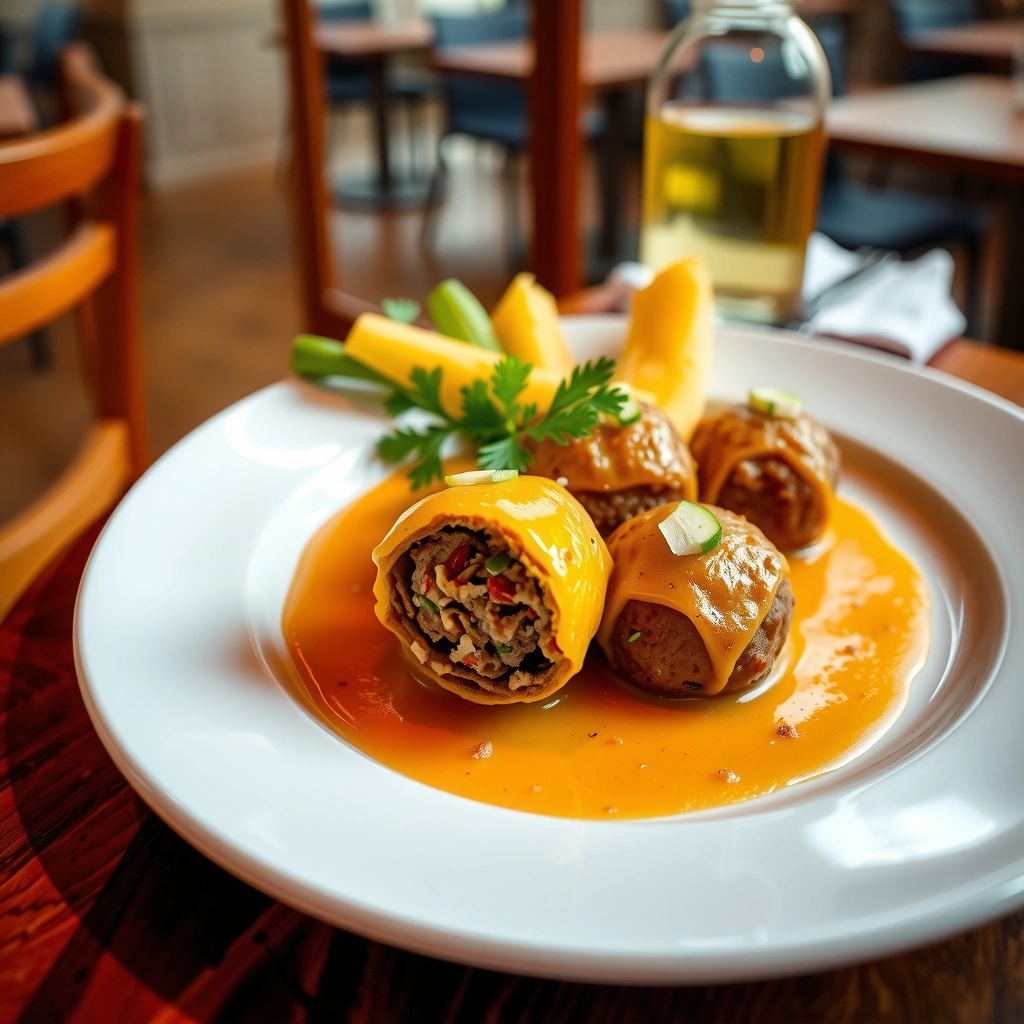
To get sausage balls that are crisp outside and set through the center, bake them at moderate-high heat and watch for the right visual cues.
Recommended starting point
– 375°F for 18–22 minutes (typical range depending on ball size and oven variability)
What “done” looks like
– Tops should be browned and look a bit drier at the surface.
– The center should be no longer soft or greasy. If you see pooled grease, give them a few more minutes—this helps them set up so they don’t collapse when moved.
How to fine-tune without guessing
– If your balls brown quickly but feel underdone, loosely tent with foil for the last few minutes (to prevent over-browning while they finish cooking).
– If they’re pale at the same time they’re still set, increase by 5–10°F next batch.
How to Make Them Tender (Not Dry)
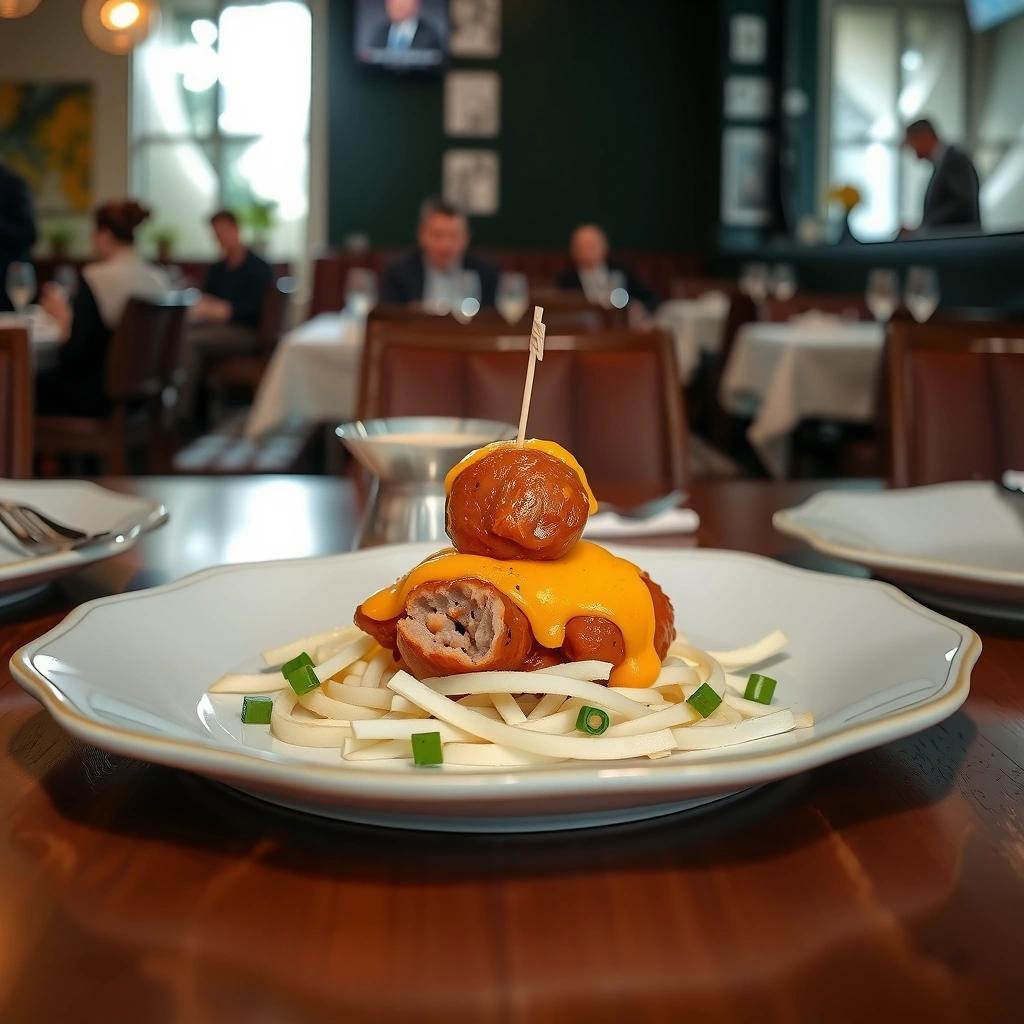
Tender sausage balls come down to balance: mixing technique + ratio + doneness timing.
Don’t overmix once the dough comes together
– Baking mix develops structure as it hydrates. Overmixing can make the dough tighter, which often translates to a drier bite.
– Mix just until ingredients are evenly distributed and the dough holds together.
Use the right cheese-to-baking-mix balance
– Cheese is both flavor and moisture. If you reduce cheddar too much, the balls can become dry and less elastic.
– If you add extra cheese, the balls can still stay tender—just consider a slightly longer bake time to help them set.
Grease vs. moisture (a common misconception)
– It’s normal to see some fat render during baking. The issue is when you underbake, leaving the center under-set.
– “No longer soft or greasy” is the practical rule: it signals that the interior has reached the right texture, not just the exterior.
Portion size is a texture lever
– Bigger balls = more time needed for the center to set.
– Smaller balls = faster browning, less risk of undercooked centers, but you must watch closely to avoid dryness.
Serving Ideas and Party Tips
Sausage balls are easiest when you treat them like a system: bite-sized delivery, hot holding, and a dip plan that matches the flavor profile.
Best dipping sauces (high-success pairings)
– Ranch: cool, creamy contrast to savory sausage
– Honey mustard: sweet-tang balance for mild or spicy sausage
– Marinara: surprisingly popular—especially with extra-cheesy batches
– Optional upgrades: spicy mayo, barbecue sauce, or a garlic aioli-style dip
Presentation for parties
– Serve on a tray with a small “dip station” so people can grab and dunk quickly.
– Keep them warm in a low oven (around 200°F) if your event timing needs a buffer—just don’t let them sit too long or they can lose crispness.
Make-ahead options (fast execution)
– Prep balls in advance: roll and place on a lined sheet; refrigerate until ready to bake.
– For longer storage, freeze on the baking sheet until solid, then transfer to a freezer bag and bake straight from frozen (you’ll need additional time, typically 4–8 minutes more depending on size).
Operational tip for busy cooks:
If you’re hosting, baking in two smaller batches can improve texture: the first batch stays hotter longer and you avoid overbaking a “waiting line.”
Storage and Reheating
Sausage balls can be just as satisfying later—if you reheat them correctly.
Storage
– Cool completely, then store leftovers in an airtight container in the fridge.
– Properly stored, they keep well for several days (commonly 3–4 days for best quality).
Reheating to maintain crispness
– Oven: reheats evenly and restores the crisp exterior. Use 325–350°F and heat until warmed through.
– Air fryer: often the fastest path to a crisp re-crisped surface.
– Microwave: works in a pinch, but it tends to soften the exterior and reduce the “crispy outside” effect.
Texture goal:
You’re not just reheating—you’re re-setting the fat and moisture structure. Dry, overheated reheating can make them tough, so stop once they’re hot throughout.
These easy sausage balls take minimal prep and deliver maximum flavor every time. Follow the ingredient ratio, bake until golden, and reheat smart for best texture—then make a fresh batch for your next gathering or snack time.
If you want, tell me whether you prefer mild or spicy sausage (and your baking mix brand), and I’ll tailor the ratio and bake time to match your exact setup.
References
- Google Scholar Google Scholar
https://scholar.google.com/scholar?q=easy+sausage+balls+recipe - Google Scholar Google Scholar
https://scholar.google.com/scholar?q=sausage+balls+ground+sausage+baking+cheddar - Google Scholar Google Scholar
https://scholar.google.com/scholar?q=ground+meat+cooking+temperature+foodborne+pathogens - Food Safety | Food Safety | CDC
https://www.cdc.gov/foodsafety/ - Food safety
https://www.who.int/news-room/fact-sheets/detail/food-safety - Sausage
https://en.wikipedia.org/wiki/Sausage - Baking powder
https://en.wikipedia.org/wiki/Baking_powder - Meat thermometer
https://en.wikipedia.org/wiki/Meat_thermometer - Sausage | Description, Types, & Ingredients | Britannica
https://www.britannica.com/topic/sausage - https://pubmed.ncbi.nlm.nih.gov/?term=ground+meat+cooking+temperature+foodborne+pathogens
https://pubmed.ncbi.nlm.nih.gov/?term=ground+meat+cooking+temperature+foodborne+pathogens