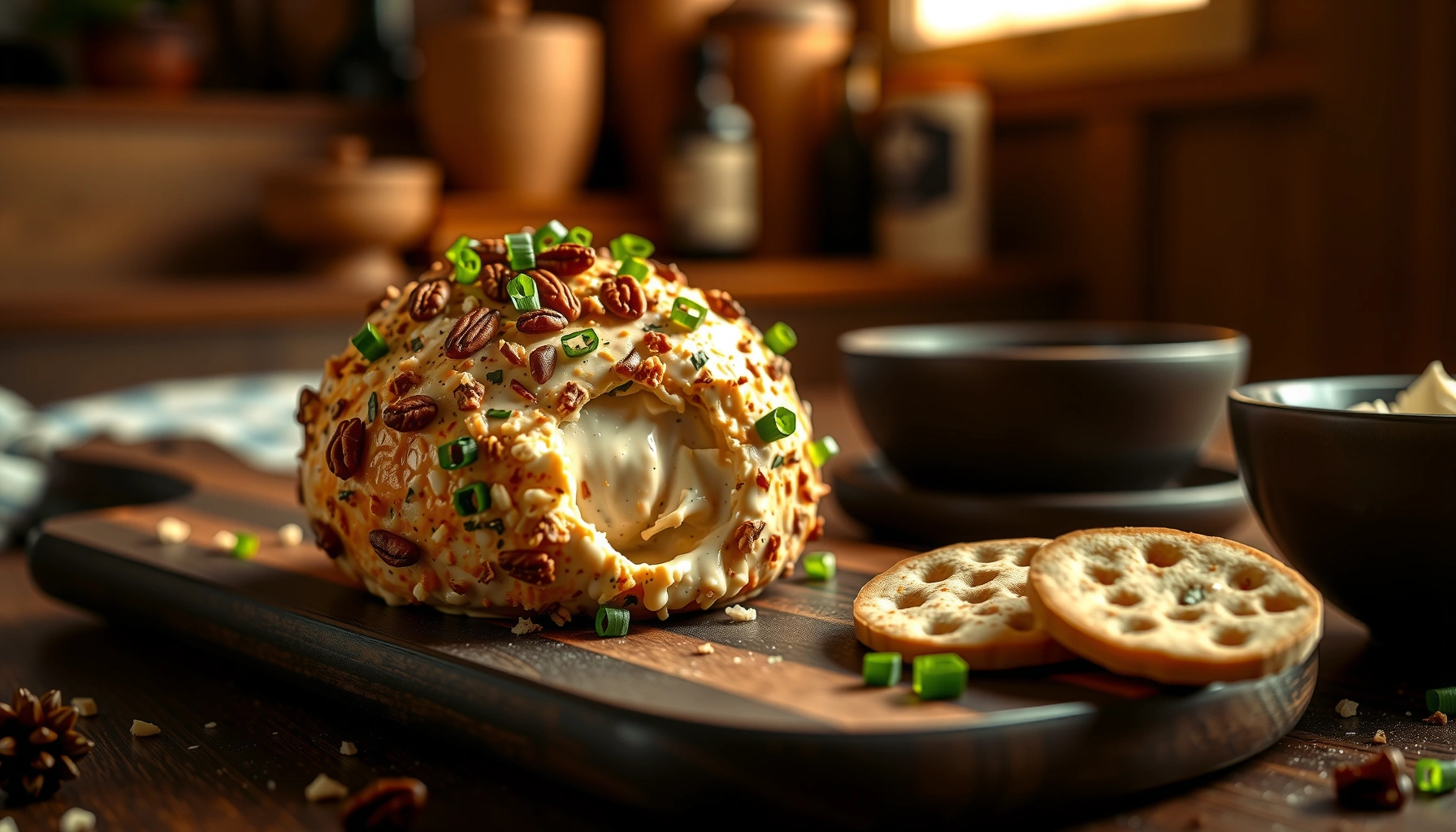
Want an easy cheese ball recipe with simple steps that actually delivers a perfect cheese ball? This guide gives you a dependable method you can follow straight through—from mixing and shaping to rolling and chilling—so you get the right texture every time. If you want a fast, foolproof cheese ball without guesswork, this is the winning approach.
This easy cheese ball recipe comes together by mixing softened cream cheese with shredded cheese and seasonings, forming a ball, and chilling it until firm—so you get a clean shape and bold flavor with minimal effort. Below, you’ll find practical guidance on the simplest ingredients, reliable shaping techniques, and the best coatings to match your party vibe, along with make-ahead and storage tips to keep everything stress-free.
Make an easy cheese ball recipe by mixing softened cream cheese with shredded cheese and seasonings, then chilling and shaping into a ball. You’ll learn the simplest ingredients to use, how to form it, and the best coating options so it’s ready fast for parties.
Easy Ingredients for a Cheese Ball

– Use softened cream cheese as the base for a smooth texture
– Add shredded cheese (cheddar or a blend) for bold flavor
– Include simple seasonings like garlic powder, onion powder, and pepper
A great cheese ball starts with the right “binding” base and the right “flavor distribution.” Cream cheese is the backbone because it’s creamy, spreadable, and firms up as it chills—helping the ball hold its shape. For the shredded cheese, cheddar is the most predictable choice: it melts slightly in the mixture for better cohesion and delivers a classic tangy flavor. Blends (cheddar + Monterey Jack, or cheddar + mozzarella) can also work well if you want a milder, crowd-friendly profile.
When it comes to seasonings, keep them simple and consistent. Garlic powder and onion powder provide savory depth without adding moisture (which can make the mixture crumbly or runny). Fresh ingredients can be delicious, but they also add water—so if you use extras like chopped chives or pickled jalapeños, use them sparingly and pat dry.
Ingredient notes that improve results:
– Softened cream cheese: Aim for “room temperature but still cool.” If it’s melted or too warm, the mixture may become loose and hard to shape.
– Shredded cheese texture: Use shredded cheese rather than sliced/crumbled cheese. Shreds integrate more evenly.
– Salt balance: Cream cheese can be salty depending on brand. Start with modest seasoning, then taste once mixed (before chilling) to confirm it’s to your preference.
For business-style consistency (and to make planning easier), here’s a quick reference table to compare common cheese ball input choices based on performance.
Best Ingredient Choices for Texture & Flavor
| # | Cheese Ball Component | Typical Use | Shape Stability | Flavor Impact | Party Appeal |
|---|---|---|---|---|---|
| 1 | Cream Cheese (softened) | Base + binder | High ★★★★☆ | Medium ★★★☆☆ | Great ★★★★★ |
| 2 | Cheddar (shredded) | Primary cheese | Medium-High ★★★★☆ | High ★★★★★ | Excellent ★★★★★ |
| 3 | Garlic Powder | Seasoning | High ★★★★☆ | Medium ★★★☆☆ | Very Good ★★★★★ |
| 4 | Onion Powder | Seasoning | High ★★★★☆ | Medium ★★★☆☆ | Very Good ★★★★★ |
| 5 | Black Pepper | Top note | High ★★★★☆ | Medium ★★★☆☆ | Good ★★★★☆ |
| 6 | Jalapeño (optional, chopped) | Heat & crunch | Medium ★★★☆☆ | High ★★★★☆ | Excellent ★★★★★ |
| 7 | Crushed Nuts (coating) | Texture layer | Medium-High ★★★★☆ | Medium ★★★☆☆ | Excellent ★★★★★ |
Step-by-Step: How to Make an Easy Cheese Ball
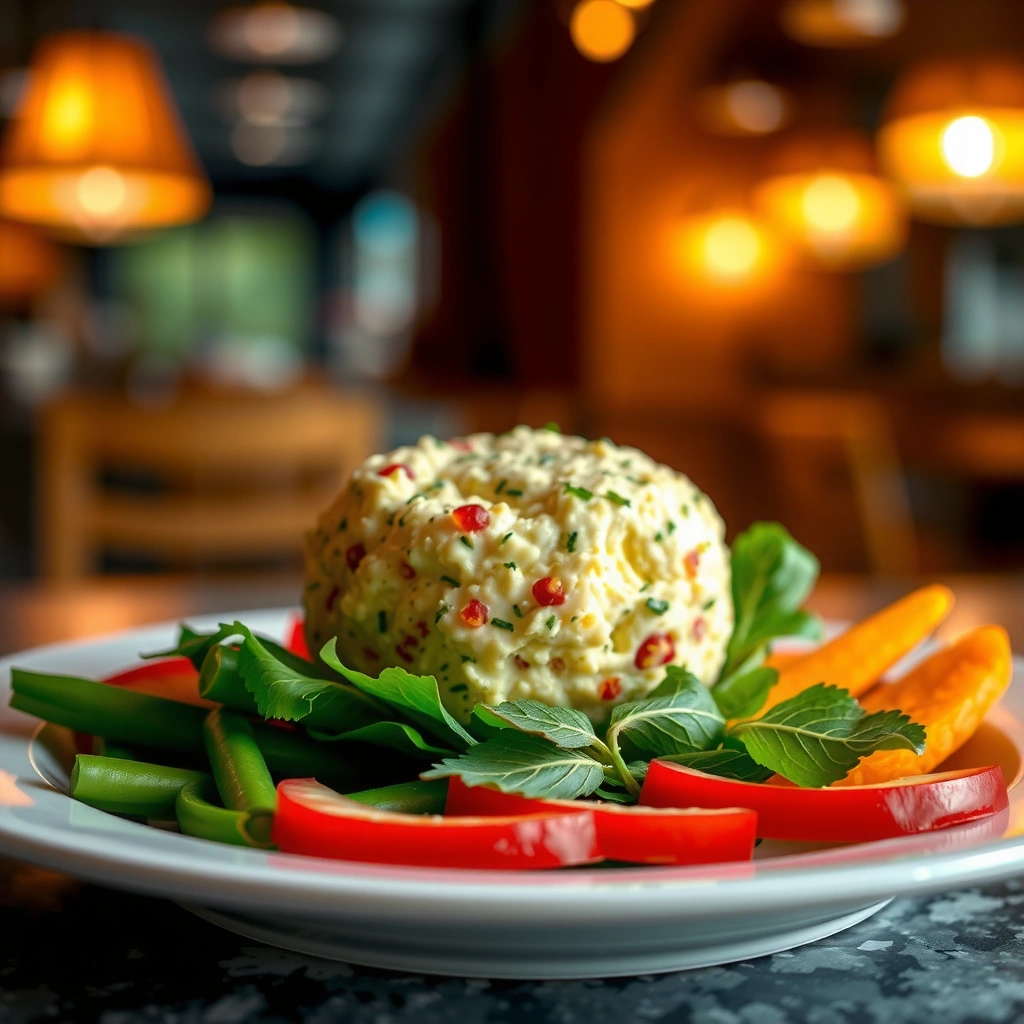
– Mix everything until fully combined and creamy
– Shape into a ball (or two smaller ones) and smooth the surface
– Chill for at least 1–2 hours so it holds its shape
Making an easy cheese ball is primarily about process control: mix evenly, shape cleanly, and chill long enough for the mixture to firm. Start by letting cream cheese sit at room temperature just until it’s soft enough to press with a finger. Then combine it with shredded cheese and your seasonings in a mixing bowl.
For best texture, mix thoroughly—scrape down the sides of the bowl to ensure no cream cheese pockets remain. If you stop early, the mixture can look marbled rather than uniform, and the final ball may crumble when cut or scooped.
Shaping technique that actually works:
1. Use a spatula to portion the mixture onto parchment paper.
2. Roll gently with clean hands to form a ball.
3. If it sticks to your hands, lightly dust fingers with a tiny pinch of flour or rinse hands under cool water and dry completely—cool hands can make rolling easier.
4. Smooth the surface so the coating adheres evenly.
Chilling strategy (recommended):
– Chill at least 1–2 hours to set the shape.
– For maximum firmness, especially if your kitchen is warm, chill overnight. The flavors also meld more deeply.
If you’re planning for a party, you can reduce day-of work by forming and chilling the base early, then coating just before serving. However, if your coating is nuts or shredded cheese, you can coat earlier and refrigerate—just keep it covered.
Best Coatings and Toppings

– Roll in chopped nuts for crunch and classic flavor
– Use shredded cheese for an extra cheesy outside
– Try everything bagel seasoning or paprika for a quick upgrade
Coatings turn a simple cheese ball into a “finished” appetizer with visual appeal and texture contrast. The easiest approach is to decide what you want to emphasize:
– Crunch and classic taste: chopped walnuts, pecans, or almonds
– More cheese flavor: shredded cheddar or a cheese blend
– Aromatic punch: everything bagel seasoning, smoked paprika, or chili-lime seasoning (for a more modern profile)
Practical coating tips:
– Coat the ball while it’s cold, but not frozen. Cold is easier to handle and prevents smearing.
– Press gently so the coating sticks without breaking the surface.
– If using everything bagel seasoning, consider mixing it with a small amount of shredded cheese or crushed nuts so it adheres well.
A quick quality improvement: if your coating is nuts and you want extra elegance, pulse them briefly in a food processor for an even chop. Coarse nuts look rustic; finely chopped nuts create a more uniform layer.
Flavor pairing guidance:
– Nuts + cheddar: balanced, nutty richness
– Everything bagel + cream cheese: savory, herby notes that feel “fresh”
– Paprika + pepper blend: warm, slightly smoky finish that pairs well with spicy crackers or charcuterie
Make-Ahead Tips and Storage

– Refrigerate covered for up to 3–5 days for best freshness
– Freeze only if needed; thaw overnight in the fridge before serving
– Prep coatings ahead so assembly is quick
Cheese balls are ideal for hosting because they scale well and taste better after the flavors settle. The key is storage discipline: keep it cold, cover it well, and avoid moisture exposure.
Make-ahead options:
– Best timing: Make the base up to 2–3 days ahead, then coat the day of (or the evening before) for the freshest exterior texture.
– Overnight firm-up: If you want a cleaner silhouette for serving, refrigerate overnight before plating.
Storage guidance:
– Store covered in the refrigerator for 3–5 days for best freshness and texture.
– Freeze only if needed. Freezing can slightly change texture because the water content in cream cheese can separate upon thawing. If you do freeze:
– Wrap tightly to prevent freezer burn.
– Thaw overnight in the fridge.
– Expect minor texture softness; press gently and re-chill if necessary.
Prep coatings ahead:
– Chop nuts in advance and store in an airtight container.
– Measure everything bagel seasoning so you can coat quickly.
– If you’re using shredded cheese as a topping, pre-shred or pre-portion to speed assembly and reduce mess.
From a reliability standpoint, the safest hosting workflow is: mix → shape → chill → coat → serve. This avoids last-minute mixing when guests are arriving.
Serving Ideas for Your Cheese Ball
– Serve with crackers, toasted baguette slices, or fresh veggies
– Pair with fruit like grapes or apple slices for a sweet-salty combo
– Keep it cold until serving for the best texture
The simplest way to serve an easy cheese ball is to set up a “dipping and spreading” board. The ball is designed for easy scoop-and-dip, but different dippers change the eating experience.
Classic pairings that work every time:
– Crackers: reliable texture and shape; choose sturdy varieties so they don’t break.
– Toasted baguette slices: adds crunch and a bakery feel—great for gatherings with a slightly more formal tone.
– Fresh veggies: cucumber rounds, bell pepper strips, carrots, and celery offer a crisp, refreshing counterbalance to rich cheese.
Sweet-salty pairings (high approval at parties):
– Grapes: juicy sweetness that complements tangy cheddar
– Apple slices: mild acidity and crisp crunch—excellent for guests who prefer not-too-spicy flavors
Presentation and temperature control:
– Keep the cheese ball refrigerated until serving.
– If your event runs long, consider transferring the cheese ball platter to a cool area away from direct sun or heat.
– For the most consistent texture, slice/scoop only what you’ll use immediately and keep the rest covered.
If you’re serving buffet-style, place serving utensils (small knife or scoop) with the cheese ball and offer multiple dippers so guests can customize.
Common Mistakes to Avoid
– Don’t skip chilling—this prevents crumbling and helps flavor blend
– Avoid watery add-ins that can loosen the mixture
– Use room-temperature cream cheese for easier mixing and smoother results
Most cheese ball problems come from one of three root causes: temperature issues, moisture, or incomplete mixing.
1. Skipping chilling
– Without sufficient chilling, the mixture won’t firm. You’ll likely see crumbling, slumping, or difficulty coating evenly.
– Fix: chill at least 1–2 hours, ideally longer if you can.
2. Watery add-ins
– Ingredients like fresh chopped tomatoes, salsa, or watery pickled items can loosen the mixture.
– Fix: if adding anything wet, drain well and pat dry thoroughly. Keep add-ins minimal so the binder (cream cheese) can do its job.
3. Using cream cheese straight from the fridge
– Cold cream cheese is harder to mix and can create lumps, which reduces coating adhesion and overall texture.
– Fix: use cream cheese that’s soft enough to mix smoothly but not melted.
4. Undersized or inconsistent mixing
– Uneven mixing can lead to pockets of shredded cheese that don’t bind, making the ball less cohesive.
– Fix: mix until fully combined and scrape the bowl to eliminate hidden pockets.
5. Coating too late (or too early)
– If the ball is too warm, coatings slide off. If it’s too cold, it can crack slightly when pressed.
– Fix: coat after the ball has been chilled enough to hold shape, but allow it to sit at fridge temperature just briefly if needed.
An easy cheese ball recipe is all about combining the right base, shaping it neatly, and chilling long enough for the perfect texture. Gather your ingredients, follow the quick steps, choose a coating you love, then chill and serve—then make your next batch for the next gathering!
References
- Google Scholar Google Scholar
https://scholar.google.com/scholar?q=cheese+ball+recipe+easy - Google Scholar Google Scholar
https://scholar.google.com/scholar?q=easy+cheese+ball+cream+cheese+recipe - Google Scholar Google Scholar
https://scholar.google.com/scholar?q=how+to+make+cheese+ball+appetizer+recipe - Cheese ball
https://en.wikipedia.org/wiki/Cheese_ball - Cream cheese
https://en.wikipedia.org/wiki/Cream_cheese - Cheese
https://en.wikipedia.org/wiki/Cheese - Hors d’oeuvre
https://en.wikipedia.org/wiki/Appetizer - Hors d’oeuvre
https://en.wikipedia.org/wiki/Hors_d%27oeuvre - Cheese | Description, Types, & Production | Britannica
https://www.britannica.com/topic/cheese - https://www.cdc.gov/foodsafety/foodborne-germs.html
https://www.cdc.gov/foodsafety/foodborne-germs.html