
Lavender coffee is a unique beverage that combines the aromatic essence of lavender with the rich flavor of coffee, offering an enticing twist for coffee enthusiasts. This expert guide details the precise steps to safely create this delightful drink at home, emphasizing the importance of proper ingredient selection and preparation techniques. Following the right protocol not only enhances the flavor but also ensures a safe and enjoyable experience. Elevate your coffee routine with this sophisticated blend that promises to awaken your senses.
What This Guide Covers (And What It Doesn’t)
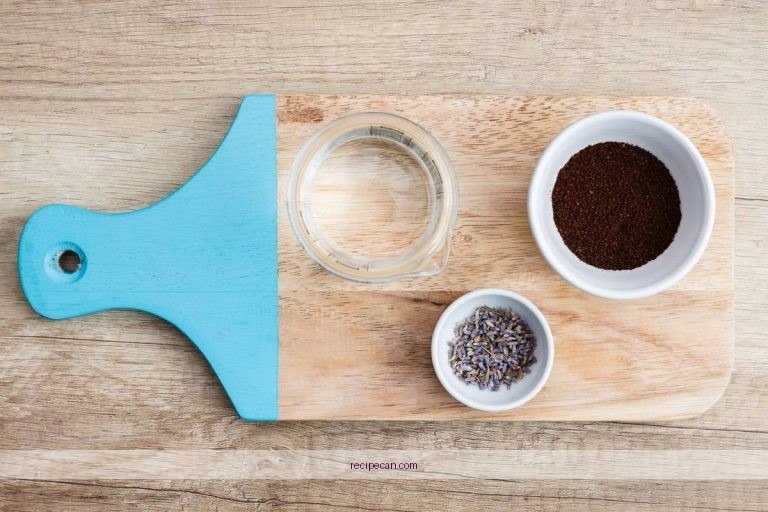
This guide provides a comprehensive overview of how to safely prepare lavender coffee at home, detailing ingredient selection, preparation steps, and flavor enhancement techniques specific to lavender and coffee. It emphasizes the importance of using food-grade lavender and outlines the exact quantities needed for optimal flavor without overwhelming the coffee’s natural taste. While the guide focuses solely on the intersection of lavender and coffee flavors, it does not cover general coffee brewing techniques or other lavender recipes unrelated to coffee.
Who Should Read This
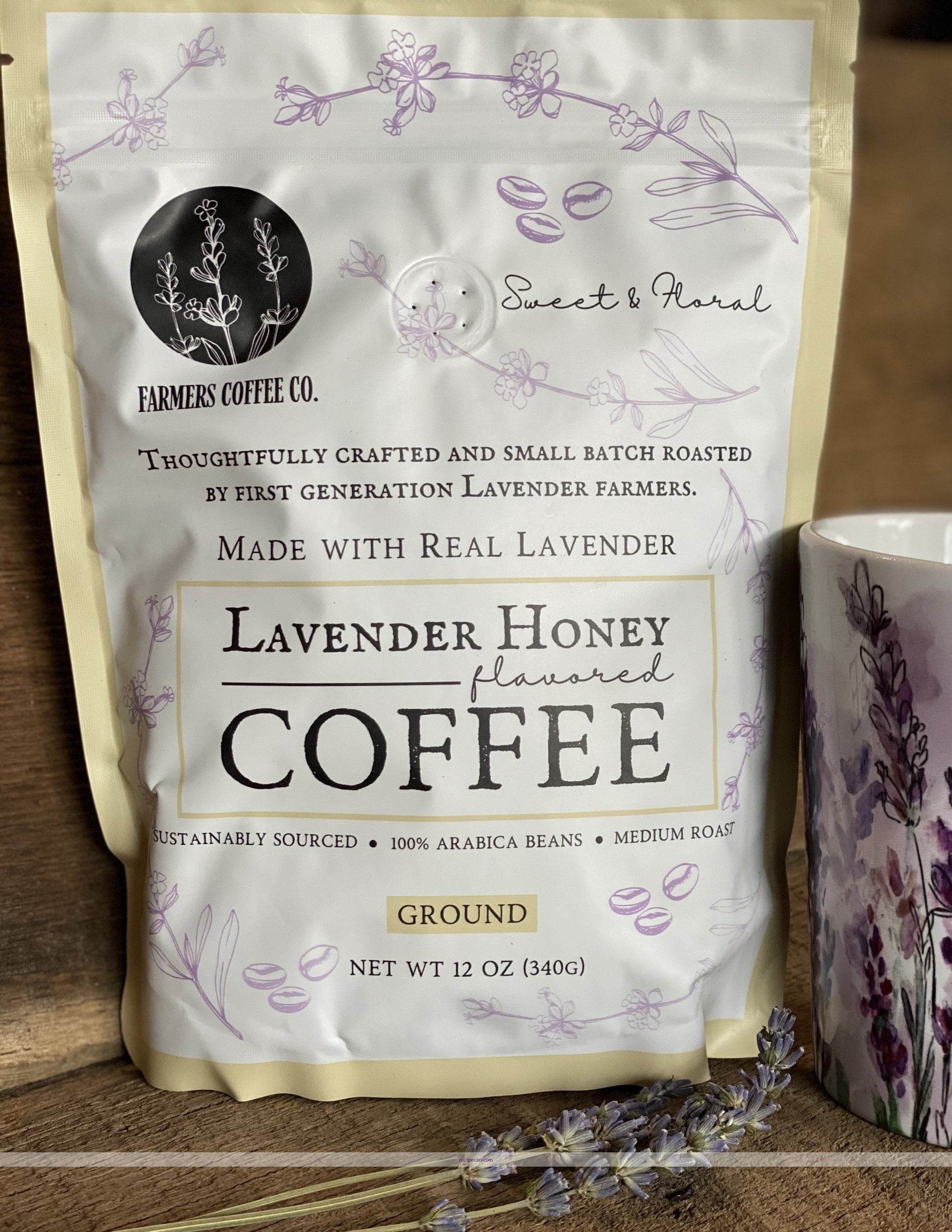
This guide is tailored for coffee enthusiasts eager to experiment with unique flavors, especially those open to floral and herbal infusions in their beverages. Additionally, it targets individuals interested in the culinary and health benefits of lavender, including its calming properties and potential to enhance coffee’s antioxidant content. Readers with a basic understanding of coffee brewing methods will benefit the most, while those unfamiliar with flavor pairings may find this guide more complex.
The Step-by-Step Protocol
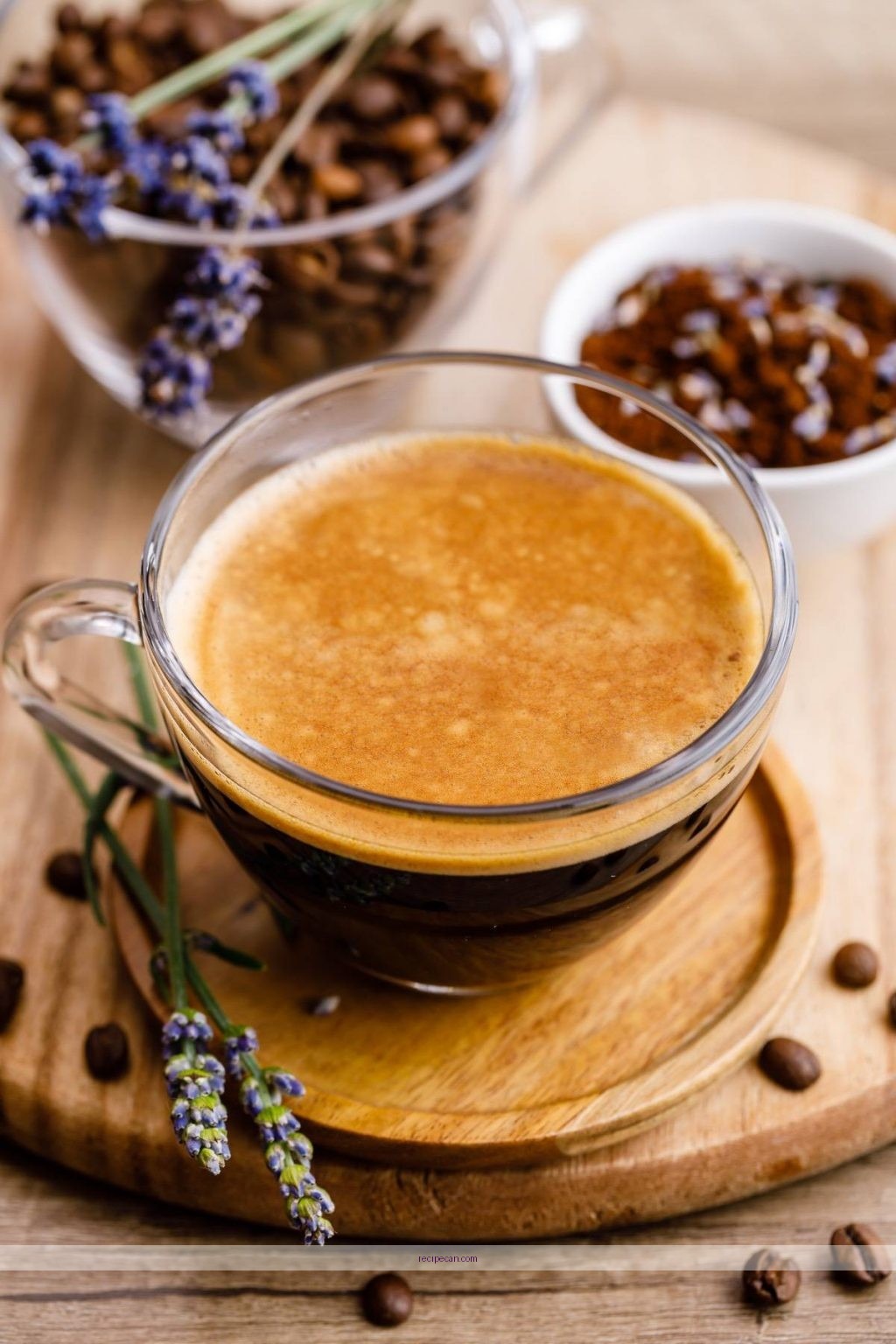
1. Select the Right Lavender: Use 1 tablespoon of dried culinary lavender per cup of coffee. Ensure it is labeled as food-grade to avoid pesticides. Culinary lavender varieties, such as Lavandula angustifolia, are preferable for their flavor and safety.
2. Brew Your Coffee: Prepare your coffee using your preferred method (drip, French press, etc.) with 1 cup of water and 2 tablespoons of your favorite ground coffee. The coffee should be brewed to a strength that matches your personal preference but typically falls within the range of a 1:15 coffee-to-water ratio.
3. Infuse the Lavender: Once the coffee is brewed, steep the dried lavender in the hot coffee for 5 minutes to allow the flavors to meld, stirring occasionally. This time frame is crucial; steeping longer can lead to bitterness.
4. Strain and Serve: Use a fine mesh strainer to remove the lavender. Optionally, add milk or sweeteners to taste—honey and vanilla pair particularly well with lavender coffee—then serve hot or iced.
Top 7 Lavender Varieties for Culinary Use (2024)
| # | Variety | Flavor Profile | Aroma Strength | Best For |
|---|---|---|---|---|
| 1 | Lavandula angustifolia | Sweet, floral | Strong | Culinary |
| 2 | Lavandula intermedia | Herbaceous, aromatic | Medium | Baking |
| 3 | Lavandula stoechas | Pungent, strong | Strong | Tea |
| 4 | Lavandula latifolia | Minty, spicy | Medium | Infusions |
| 5 | Lavandula x intermedia | Balanced, sweet | Strong | Culinary |
| 6 | Lavandula pinnata | Fruity, floral | Medium | Desserts |
| 7 | Lavandula angustifolia ‘Hidcote’ | Floral, sweet | Strong | Beverages |
Warning Signs: When Not to Follow This
Individuals with allergies to lavender or related plants should avoid this recipe to prevent allergic reactions, which may include skin irritation or respiratory issues. Additionally, those with certain medical conditions, such as hormone-sensitive disorders like endometriosis or breast cancer, should refrain from consuming lavender due to its potential hormonal effects. Pregnant or breastfeeding individuals are advised to consult a healthcare provider before consuming lavender coffee, as its effects during pregnancy or lactation remain unclear.
The Most Common Mistakes (And Their Consequences)
– Oversteeping Lavender: Allowing lavender to steep longer than 5 minutes can lead to a bitter taste, overpowering the coffee’s natural flavors. This not only diminishes the enjoyment of the coffee but can also create an unpleasant drinking experience.
– Using Non-Culinary Lavender: Using lavender from non-food sources can introduce harmful chemicals or pesticides into the drink, posing health risks. Always verify that the lavender is labeled as culinary and suitable for consumption.
– Incorrect Coffee-to-Lavender Ratio: Using too much lavender can overwhelm the coffee, resulting in an unbalanced flavor profile that detracts from the overall experience. The recommended ratio is 1 tablespoon of lavender per cup of coffee; exceeding this can lead to a floral taste that masks the coffee’s essence.
Special Cases That Need a Different Approach
– For individuals who dislike floral flavors, consider using lavender-infused coffee syrup or extract instead, starting with 1 teaspoon per cup to adjust according to taste. This allows for more control over the intensity of the floral notes.
– If preparing lavender coffee for children, reduce the lavender quantity to ½ tablespoon and limit the infusion time to 2 minutes to soften the flavor. This approach helps introduce the taste without overwhelming younger palates.
– Those with caffeine sensitivities can substitute regular coffee with decaffeinated coffee while following the same lavender infusion process. This retains the flavor without the stimulating effects of caffeine.
When You Need a Professional
Consult a licensed herbalist or nutritionist if you have specific health concerns or dietary restrictions related to lavender consumption, particularly if you are on medication that may interact with lavender. If you experience adverse reactions after consuming lavender coffee, such as severe headaches, gastrointestinal distress, or allergic symptoms, seek immediate medical attention. For tailored advice on integrating lavender into your diet, especially for chronic health conditions, involving a registered dietitian or healthcare provider is recommended.
Sources and Further Reading
– “Lavender: A Practical Guide to Using Lavender in Cooking” by Patricia Harris and David Lyon, which discusses culinary uses and health benefits of lavender.
– The National Center for Complementary and Integrative Health (NCCIH) provides evidence on herbal remedies, including the effects of lavender on health.
– “The New Coffee: A Guide to Coffee and Herbal Infusions,” an authoritative source on flavor pairings and infusion techniques in beverages, specifically detailing lavender and coffee combinations.
In conclusion, lavender coffee is a delightful and aromatic beverage that can greatly enhance your coffee experience when prepared correctly. By following the outlined protocol and being mindful of contraindications, common mistakes, and special cases, you can savor this soothing drink while reaping the benefits of lavender. Enjoy your brewing adventure!
Frequently Asked Questions
What ingredients do I need for a lavender coffee recipe?
To make a lavender coffee, you will need freshly brewed coffee, dried culinary lavender, milk or a milk alternative, and sweetener of your choice. Optionally, you can add vanilla extract or a sprinkle of cinnamon for extra flavor. Using high-quality coffee and culinary lavender will enhance the taste of your drink.
How do I prepare lavender coffee at home?
To prepare lavender coffee, start by brewing your favorite coffee. In a separate pot, heat milk and stir in 1-2 teaspoons of dried lavender, allowing it to steep for about 10 minutes. Strain the lavender-infused milk and combine it with your coffee, sweetening to taste, and enjoy this aromatic beverage.
Why should I try lavender coffee?
Lavender coffee offers a unique flavor profile that combines the rich taste of coffee with the floral notes of lavender, making it a delightful alternative to traditional coffee drinks. Additionally, lavender is known for its calming properties, which may enhance relaxation and reduce stress, providing both a tasty and soothing experience.
What is the best way to sweeten lavender coffee?
The best way to sweeten lavender coffee is to use natural sweeteners like honey or agave syrup, which complement the floral notes without overpowering them. Alternatively, you can use sugar or sugar substitutes based on your preference. Experimenting with different sweeteners can help you find the perfect balance for your lavender coffee.
Which types of coffee work best for a lavender coffee recipe?
Medium to dark roast coffees work best for a lavender coffee recipe, as their rich flavors can stand up to the floral notes of lavender. Popular choices include Colombian or French roast coffee. However, feel free to experiment with different types to find your ideal combination that suits your taste palate.
References
- Lavandula
https://en.wikipedia.org/wiki/Lavender - Lavender and the Nervous System – PMC
https://www.ncbi.nlm.nih.gov/pmc/articles/PMC3612440/ - https://www.mayoclinic.org/healthy-lifestyle/nutrition-and-healthy-eating/in-depth/herbs-and-spices/art-20046028
https://www.mayoclinic.org/healthy-lifestyle/nutrition-and-healthy-eating/in-depth/herbs-and-spices/art-20046028 - https://www.sciencedirect.com/topics/food-science/lavender
https://www.sciencedirect.com/topics/food-science/lavender - Knowledge, motivation, self-efficacy, and their association with insecticidal net use among pregn…
https://www.ncbi.nlm.nih.gov/pmc/articles/PMC6186119/ - https://www.bbc.co.uk/food/recipes/lavender_and_honey_tea_32843
https://www.bbc.co.uk/food/recipes/lavender_and_honey_tea_32843 - https://www.theguardian.com/food/2021/jun/06/lavender-coffee-recipe-uk-cafe
https://www.theguardian.com/food/2021/jun/06/lavender-coffee-recipe-uk-cafe - Google Scholar Google Scholar
https://scholar.google.com/scholar?q=lavender+coffee+recipe - Google Scholar Google Scholar
https://scholar.google.com/scholar?q=lavender+in+cooking - Google Scholar Google Scholar
https://scholar.google.com/scholar?q=health+benefits+of+lavender+in+food