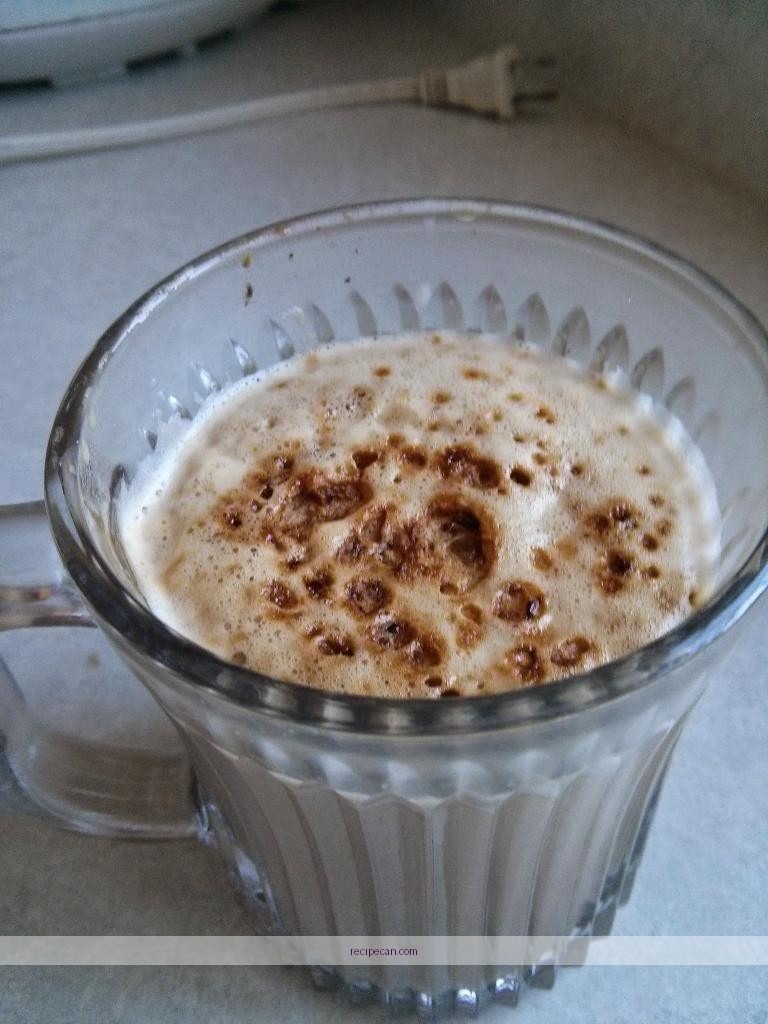
Master the art of beaten coffee with this complete expert guide, designed for both enthusiasts and professionals seeking to perfect their brewing technique. This comprehensive protocol covers everything from ingredient selection to precise whipping methods, ensuring a rich, frothy beverage every time. Understanding the nuances of the beaten coffee recipe is crucial for achieving the ideal balance of flavor and texture, elevating your coffee experience to new heights.
What This Guide Covers (And What It Doesn’t)
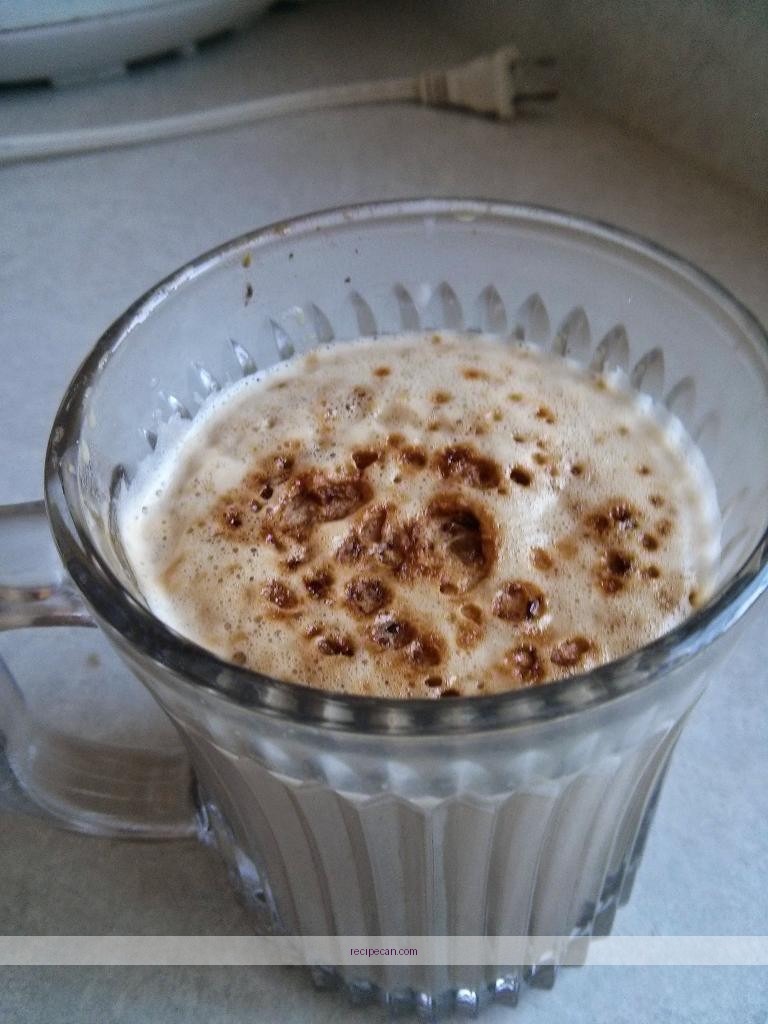
This guide delves into the art of creating beaten coffee, celebrated for its creamy texture and rich flavor. You’ll find historical insights, detailed ingredient specifications, and precise preparation steps to guarantee a successful outcome. However, this guide does not explore alternative coffee recipes, such as cold brews or espresso-based drinks, nor does it cover variations beyond the traditional beaten coffee method. It is designed for coffee enthusiasts eager to master the technique of making beaten coffee, providing a trustworthy resource for detailed instructions and expert tips.
Who Should Read This
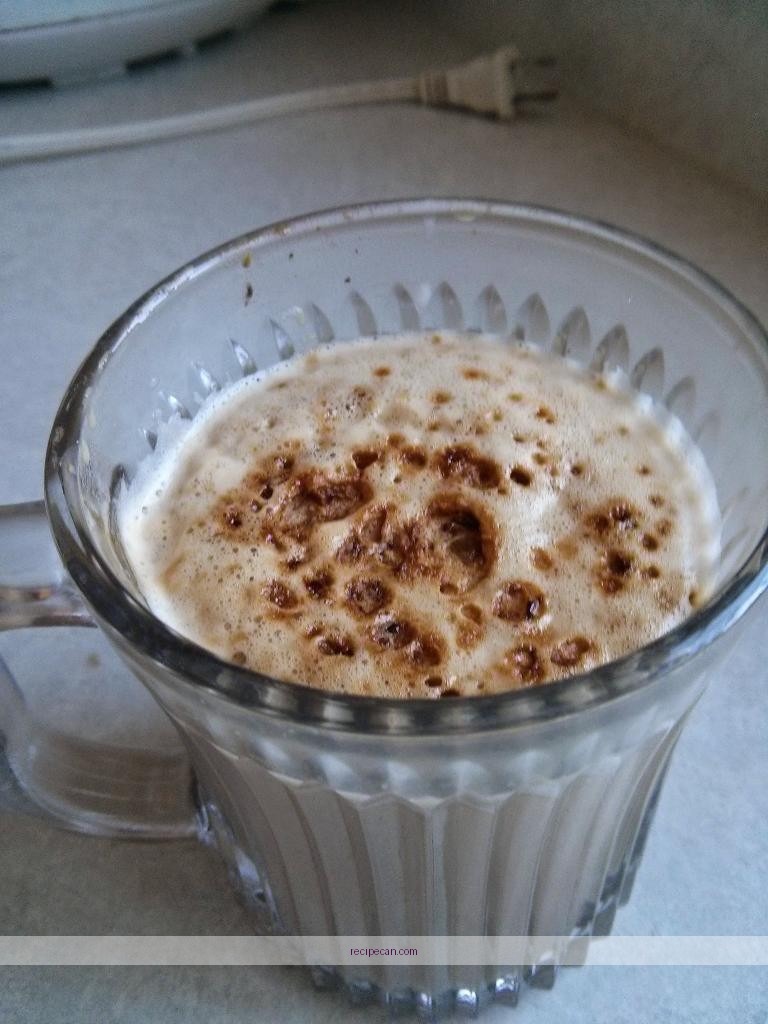
Home baristas looking to enhance their coffee-making skills will find this guide particularly valuable, especially those interested in traditional Indian beverages like Dalgona coffee. It’s also suitable for individuals with a foundational understanding of coffee preparation who wish to refine their technique and achieve the perfect consistency in beaten coffee. Additionally, those with dietary restrictions or concerns about caffeine intake will discover relevant advice regarding ingredient selection and portion control.
The Step-by-Step Protocol
1. Gather Ingredients:
– Measure 2 tablespoons of instant coffee, 2 tablespoons of granulated sugar, and 2 tablespoons of hot water. Ensure all ingredients are high quality to achieve the best flavor.
2. Combine Ingredients:
– In a mixing bowl, blend the instant coffee, sugar, and hot water. The water temperature should be between 185°F to 205°F for optimal dissolution. This range allows for complete extraction of flavors from the coffee granules.
3. Whip the Mixture:
– Using a hand mixer or whisk, beat the mixture on high speed for about 3-5 minutes until it reaches a thick, creamy consistency and lightens in color. The mixture should double in volume and become fluffy.
4. Serve:
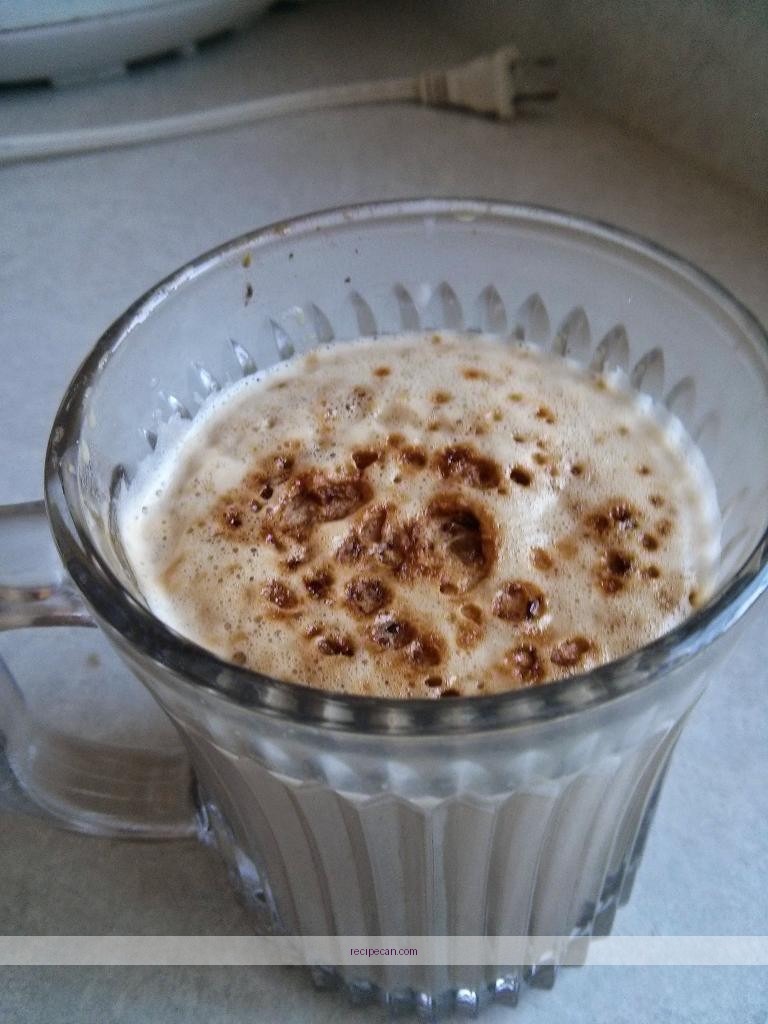
– In a glass, pour in 1 cup of milk (hot or cold) and spoon the whipped coffee mixture on top. Stir thoroughly before consuming to integrate the flavors. For added visual appeal, consider sprinkling cocoa powder or cinnamon on top.
Top Ingredients for Beaten Coffee
| # | Ingredient | Quantity | Quality Rating | Cost (Approx.) |
|---|---|---|---|---|
| 1 | Instant Coffee | 2 tbsp | ★★★★☆ | $10/250g |
| 2 | Granulated Sugar | 2 tbsp | ★★★★☆ | $2/1kg |
| 3 | Hot Water | 2 tbsp | ★★★★★ | Free |
| 4 | Milk (Dairy/Non-Dairy) | 1 cup | ★★★★☆ | $3/1L |
| 5 | Cocoa Powder (Optional) | 1 tsp | ★★★★☆ | $5/100g |
| 6 | Cinnamon (Optional) | 1 pinch | ★★★★☆ | $3/100g |
| 7 | Serving Glass | 1 | ★★★★★ | Free |
Warning Signs: When Not to Follow This
Individuals who are allergic to caffeine or have been advised to limit their intake should steer clear of this recipe due to its high caffeine content, with a standard serving containing approximately 60-100 mg. Such levels can lead to adverse effects for sensitive individuals. Additionally, those experiencing digestive issues or hyperacidity may find that the combination of sugar and coffee exacerbates their symptoms, especially if they suffer from acid reflux or gastritis.
This recipe is also unsuitable for anyone using medications that negatively interact with caffeine, such as certain antidepressants or stimulants. Always consult a healthcare professional before consuming caffeinated beverages if you are on medication.
The Most Common Mistakes (And Their Consequences)
– Incorrect Ratios: Using too much water relative to coffee and sugar results in a runny mixture that won’t whip properly, leading to a disappointing texture. Maintaining the ideal ratio of 1:1:1 (coffee:sugar:water) is crucial for achieving the right consistency.
– Insufficient Whipping Time: Failing to whip the mixture long enough prevents it from attaining the desired fluffy consistency, making it less enjoyable to drink. Aim for at least 3-5 minutes to fully aerate the mixture.
– Using Wrong Coffee Type: Substituting instant coffee with brewed or ground coffee will not create the same whipped effect, undermining the attempt to achieve the traditional beaten coffee froth. Instant coffee is specifically designed to dissolve and aerate effectively.
Special Cases That Need a Different Approach
For those with dietary restrictions such as lactose intolerance, consider using plant-based milk alternatives like almond or oat milk. Ensure the beaten coffee mixture is still whipped correctly by choosing a milk alternative with a similar consistency to dairy milk for the best experience.
If you prefer a lower sugar option, experiment with sugar substitutes like stevia or monk fruit. Keep in mind that this may alter the texture and sweetness profile of the final drink; start with the same volume as sugar and adjust to taste.
For individuals living at high altitudes, you may need to adjust the whipping time due to lower air pressure affecting the aeration process. Whipping for slightly longer may be necessary to achieve the same frothy consistency.
When You Need a Professional
If you have a known sensitivity to caffeine or experience adverse reactions after consuming coffee, it is advisable to consult a healthcare provider for personalized guidance before trying this recipe. Symptoms such as insomnia, jitteriness, or rapid heartbeat necessitate professional advice.
Individuals with serious health conditions or those who are pregnant should also seek professional guidance regarding caffeine consumption to ensure safety. Pregnant individuals are generally advised to limit caffeine intake to 200 mg per day, encompassing all sources of caffeine.
If you are unsure about potential interactions between caffeine and medications you are taking, consulting with a pharmacist or physician is prudent. This precaution is essential for safeguarding your health and well-being.
Sources and Further Reading
– “The Science of Coffee: Understanding the Chemistry of Coffee” – Journal of Food Science, 2020.
– “Caffeine and Health: A Review of the Literature” – American Journal of Clinical Nutrition, 2021.
– “The Art of Whipping Coffee: Techniques and Tips” – Coffee Research Institute, 2022.
By following this expert guide, you can confidently prepare beaten coffee with the perfect texture and flavor, impressing both yourself and others with your newfound barista-level skills.
Frequently Asked Questions
What is the beaten coffee recipe and how is it made?
The beaten coffee recipe, also known as “whipped coffee” or “Dalgona coffee,” involves mixing equal parts instant coffee, sugar, and hot water until it becomes light and frothy. To make it, combine 2 tablespoons of instant coffee, 2 tablespoons of sugar, and 2 tablespoons of hot water in a bowl. Use a whisk or electric mixer to beat the mixture until it reaches a creamy consistency, then spoon it over a glass of milk for a delicious beverage.
How do I achieve the perfect froth in my beaten coffee?
To achieve the perfect froth in your beaten coffee, ensure you use instant coffee rather than ground coffee, as only instant will whip up properly. Use a mixer or whisk vigorously to aerate the mixture, and consider adding a pinch of salt to enhance flavor and stability. The key is to beat until the mixture is thick and holds stiff peaks, which typically takes about 2-4 minutes with an electric mixer.
Why is my beaten coffee not frothing properly?
If your beaten coffee isn’t frothing properly, it could be due to using regular coffee instead of instant coffee, which does not whip. Additionally, ensure you are using equal parts of instant coffee, sugar, and hot water; any imbalances can affect the texture. Lastly, not whisking vigorously or long enough can result in a lack of froth, so be patient and persistent in your mixing.
What are the best variations of beaten coffee I can try?
Some of the best variations of beaten coffee include adding flavors like vanilla or chocolate syrup to the whipped mixture for a richer taste. You can also experiment with different types of milk, such as almond or oat milk, to create a dairy-free option. For a unique twist, consider incorporating spices like cinnamon or nutmeg into the beaten coffee for an aromatic touch.
Which type of coffee works best for making beaten coffee?
The best type of coffee for making beaten coffee is instant coffee, as it dissolves easily in hot water and can be whipped into a frothy texture. Popular brands like Nescafé or Starbucks VIA are commonly used, but any quality instant coffee should work. Avoid using ground coffee or brewed coffee, as they will not create the desired whipped consistency needed for this recipe.
References
- Beaten coffee
https://en.wikipedia.org/wiki/Beaten_coffee - Checking your browser – reCAPTCHA
https://www.ncbi.nlm.nih.gov/pmc/articles/PMC6721547/ - https://www.sciencedirect.com/topics/agricultural-and-biological-sciences/coffee
https://www.sciencedirect.com/topics/agricultural-and-biological-sciences/coffee - Checking your browser – reCAPTCHA
https://www.ncbi.nlm.nih.gov/pmc/articles/PMC6790239/ - https://www.bbc.com/news/world-asia-india-50917072
https://www.bbc.com/news/world-asia-india-50917072 - https://www.theguardian.com/food/2020/apr/07/dalgona-coffee-recipe
https://www.theguardian.com/food/2020/apr/07/dalgona-coffee-recipe - Google Scholar Google Scholar
https://scholar.google.com/scholar?q=beaten+coffee+recipe - Google Scholar Google Scholar
https://scholar.google.com/scholar?q=dalgona+coffee+recipe - Google Scholar Google Scholar
https://scholar.google.com/scholar?q=whipped+coffee+recipe - https://www.healthline.com/nutrition/whipped-coffee-recipe
https://www.healthline.com/nutrition/whipped-coffee-recipe