Good coffee recipes can transform your daily brew into an extraordinary experience, and this complete guide provides expert protocols to achieve perfect results every time. Whether you’re a novice or a seasoned barista, mastering these techniques will elevate your coffee-making skills and enhance flavor profiles. Following precise methods is essential, as even minor adjustments can significantly impact taste and aroma. Dive in to discover the secrets behind exceptional coffee creations that will impress any palate.
What This Guide Covers (And What It Doesn’t)
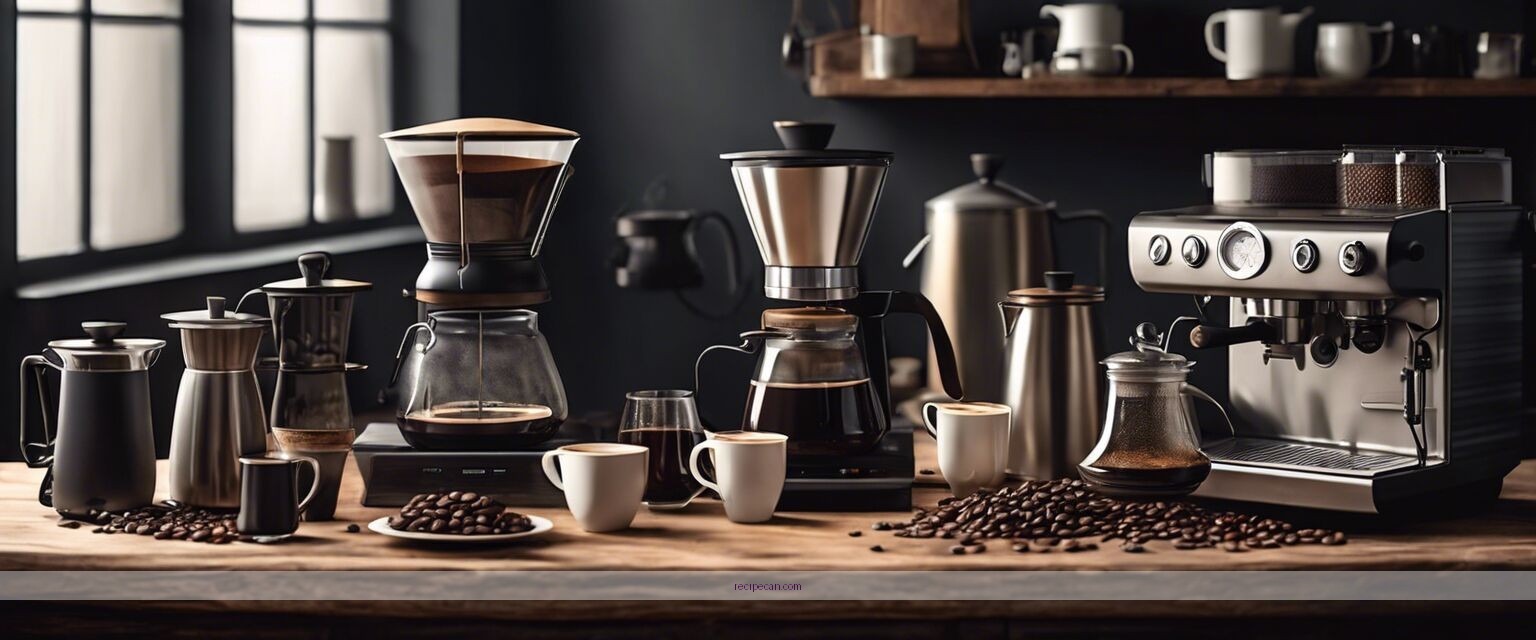
This guide delves into a wide array of coffee recipes, from classic brews like espresso and French press to innovative methods such as cold brew and unique flavor combinations designed to elevate your coffee experience. Each recipe includes detailed, step-by-step instructions that highlight the necessary equipment, precise measurements, and brewing times, ensuring optimal results. While it doesn’t explore the history of coffee or bean sourcing, it serves as a valuable resource for home brewers eager to refine their skills and expand their recipe repertoire. Readers seeking advanced barista techniques or commercial coffee-making processes may find this guide less applicable to their needs.
Who Should Read This
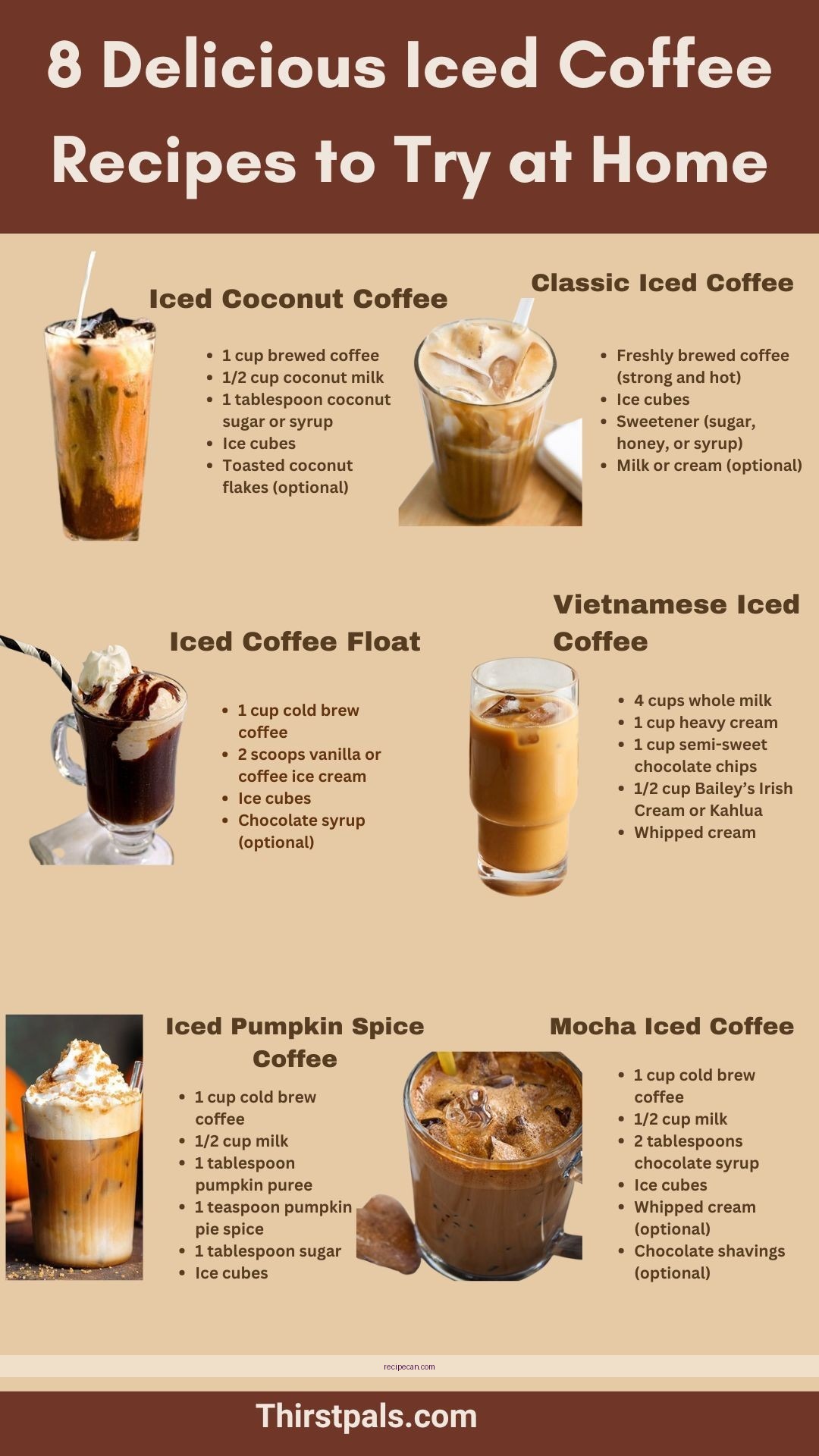
Home coffee enthusiasts with a basic understanding of brewing methods will find this guide particularly beneficial. It caters to those looking to experiment with various coffee styles, including espresso, cold brew, and flavored lattes, all while utilizing standard kitchen equipment. Additionally, readers with a passion for food and beverage pairing will uncover valuable insights on how to complement their coffee recipes with an assortment of desserts and snacks. However, those already well-versed in coffee brewing techniques may not encounter the level of detail they seek for advanced practices.
The Step-by-Step Protocol
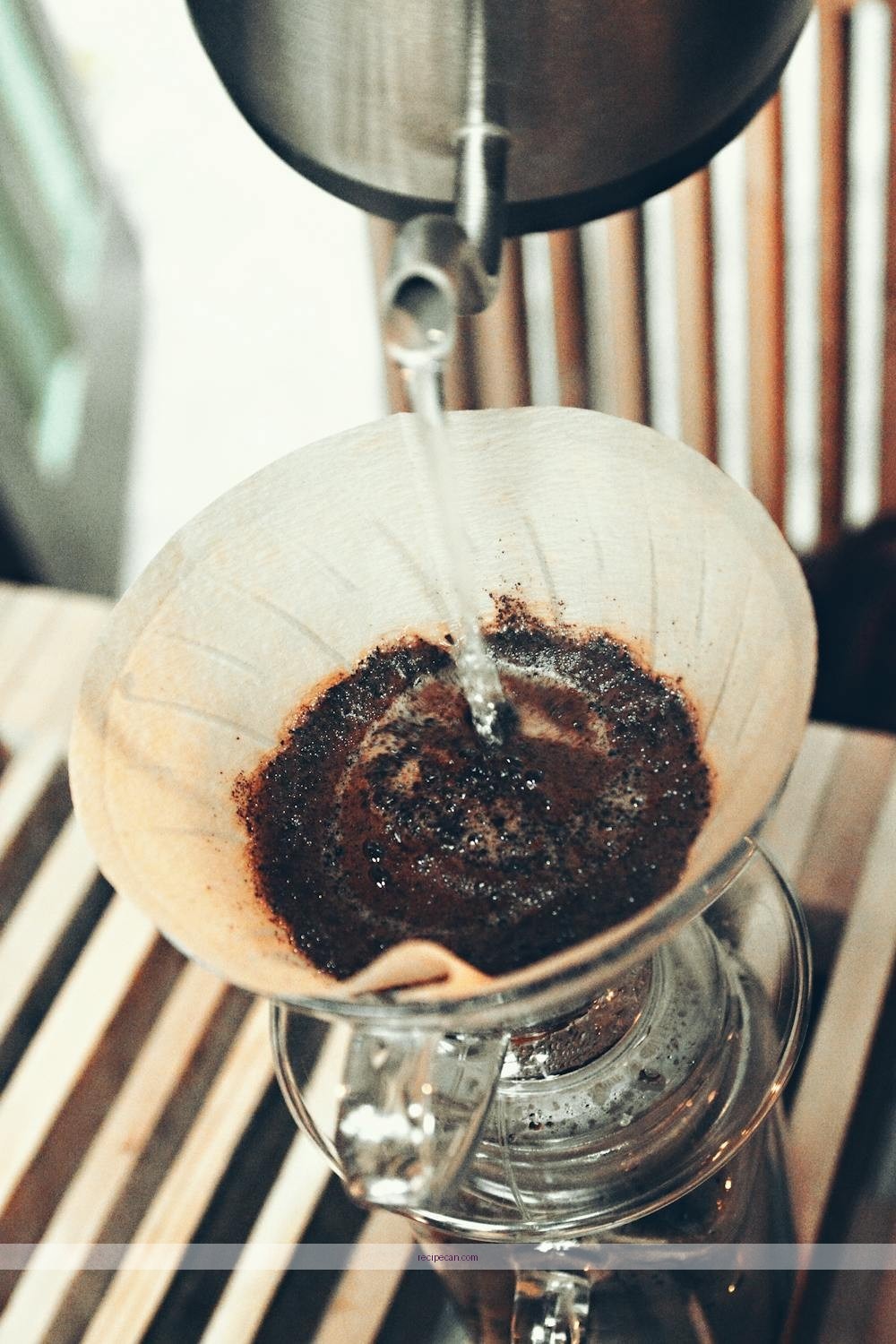
1. Selecting Quality Coffee Beans: Choose freshly roasted beans, ideally used within two weeks of roasting. For a balanced flavor, opt for a medium roast and use a 1:15 coffee-to-water ratio for most brewing methods.
2. Grinding Coffee: Grind your coffee beans just before brewing to preserve their freshness. For drip coffee, a medium grind (similar to granulated sugar) works best; use a fine grind for espresso (like table salt) and a coarse grind for cold brew (similar to sea salt).
3. Brewing Method: Follow the specific brewing method instructions:
– Espresso: Use 18-20 grams of finely ground coffee, extracting for 25-30 seconds at a water temperature of 90-96°C (194-205°F).
– French Press: Combine 30 grams of coarsely ground coffee with 500 ml of hot water. Steep for exactly 4 minutes, then plunge and serve.
– Cold Brew: Mix 100 grams of coarsely ground coffee with 1 liter of cold water. Steep for 12-24 hours in the refrigerator, then strain through a fine mesh or coffee filter.
4. Flavor Enhancements: Experiment with ingredients such as:
– Vanilla extract (1 teaspoon per cup)
– Ground cinnamon (1/4 teaspoon per cup)
– Cocoa powder (1 teaspoon per cup)
These additions can help you create signature coffee recipes tailored to your taste preferences.
Popular Coffee Recipes and Ingredients
| # | Recipe | Coffee Type | Ingredients | Preparation Time |
|---|---|---|---|---|
| 1 | Espresso | Espresso | 18-20g coffee | 5 min |
| 2 | French Press | Brewed Coffee | 30g coffee, 500ml water | 4 min |
| 3 | Cold Brew | Cold Brew Coffee | 100g coffee, 1L water | 12-24 hr |
| 4 | Latte | Espresso | 1 shot espresso, 200ml milk | 5 min |
| 5 | Cappuccino | Espresso | 1 shot espresso, 100ml milk | 5 min |
| 6 | Iced Coffee | Brewed Coffee | 200ml brew, ice | 5 min |
| 7 | Affogato | Espresso | 1 scoop vanilla ice cream, 1 shot espresso | 3 min |
Warning Signs: When Not to Follow This
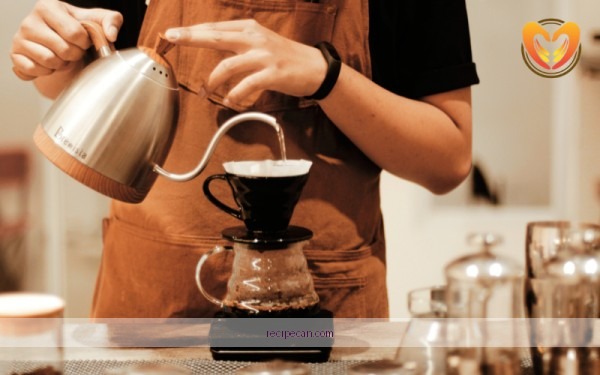
Refrain from following this guide if you have specific allergies to coffee or any of the ingredients used in the recipes, such as dairy, nuts, or flavorings. Avoid attempting these recipes if your equipment is malfunctioning—broken espresso machines or faulty grinders can lead to inconsistent results or safety hazards. If you have dietary restrictions that conflict with the ingredients listed (like lactose intolerance), consider modifications or alternative recipes designed for your needs. Additionally, using stale or low-quality coffee beans will result in poor flavor and may lead to dissatisfaction with your brews.
The Most Common Mistakes (And Their Consequences)
One of the most common mistakes is using the wrong grind size for the brewing method. For example, a fine grind in a French press can lead to bitter, over-extracted coffee. Incorrect water temperature can also ruin your brew; water that is too hot can scorch coffee grounds, while water that is too cool will under-extract flavors. Failing to measure coffee and water accurately often results in weak or overly strong coffee, so always use a scale for precision. Neglecting to clean your coffee equipment can lead to rancid flavors and buildup, ultimately compromising the quality of your brews.
Special Cases That Need a Different Approach
When brewing coffee for a large group (more than 10 servings), consider using a coffee urn or a larger French press, adjusting the ratios accordingly while maintaining the 1:15 coffee-to-water ratio. For individuals with caffeine sensitivity, explore decaffeinated coffee options or recipes that utilize alternative bases, such as chicory or herbal blends, to create coffee-like drinks without caffeine. If you have specific dietary needs, like veganism or paleo, substitute milk with almond, oat, or coconut milk, and use natural sweeteners like honey or stevia instead of processed sugar. Those in high-altitude areas should also be mindful that brewing times may need adjustment due to lower boiling temperatures; consider increasing steep time by a minute or two.
When You Need a Professional
If you consistently experience adverse reactions to coffee, such as digestive issues or severe jitters, consult a healthcare professional to evaluate your coffee consumption and overall diet. When trying to replicate coffee recipes in a commercial setting, seek guidance from a certified barista or coffee consultant to ensure quality and consistency. If you have questions about specific brewing equipment or maintenance issues, consulting with a professional technician or the manufacturer can prevent damage to your gear. For those interested in opening a coffee-related business, involving a food and beverage consultant can provide valuable insights into recipes, sourcing, and operational standards.
Sources and Further Reading
– “The Coffee Roaster’s Companion” by Scott Rao – a comprehensive guide on coffee roasting, flavor profiles, and brewing techniques.
– “Coffee: A Comprehensive Guide to the Bean, the Beverage, and the Industry” by Robert W. Thurston – an authoritative text on the history and science of coffee.
– Specialty Coffee Association (SCA) – offers a wealth of resources and research on coffee preparation, tasting, and industry standards.
– “The World Atlas of Coffee” by James Hoffmann – an essential resource for understanding coffee origins, brewing methods, and global trends in coffee consumption.
Frequently Asked Questions
What are some easy coffee recipes for beginners?
For beginners, simple coffee recipes like a classic French press or an iced coffee are great starting points. To make a French press, coarsely grind your coffee beans, steep them in hot water for about four minutes, then press down the plunger. For iced coffee, brew a strong cup, let it cool, and serve over ice with milk or flavored syrups.
How can I make a creamy coffee drink at home?
To make a creamy coffee drink at home, you can use whole milk or cream, and froth it for a latte or cappuccino effect. Simply brew your favorite coffee, heat your milk until steaming, and use a frother or whisk to create a creamy texture. Adding a flavored syrup like vanilla or hazelnut can elevate the taste.
Why is my homemade coffee not tasting as good as coffee shop brews?
If your homemade coffee lacks the rich flavor of coffee shop brews, it could be due to several factors like coffee bean quality, grind size, or water temperature. Ensure you’re using freshly roasted, high-quality beans, and adjust your grind size based on your brewing method. Additionally, using filtered water can significantly enhance the taste of your coffee.
What is the best coffee recipe for a cold brew at home?
The best coffee recipe for cold brew involves coarsely grinding your coffee beans and steeping them in cold water for 12 to 24 hours. Use a ratio of 1 cup of coffee to 4 cups of cold water, then strain the mixture through a coffee filter or a fine mesh sieve. This method yields a smooth, less acidic coffee concentrate that you can dilute with water or milk.
Which coffee recipes are perfect for a cozy winter evening?
Perfect coffee recipes for a cozy winter evening include a spiced coffee with cinnamon and nutmeg or a mocha with rich chocolate and whipped cream. You can also try a peppermint mocha by adding peppermint syrup to your coffee and topping it with whipped cream. These warm, comforting flavors make for a delightful and soothing experience during the colder months.
References
- Coffee
https://en.wikipedia.org/wiki/Coffee - Coffee recipes | Good Food
https://www.bbcgoodfood.com/recipes/collection/coffee-recipes - https://www.nytimes.com/wirecutter/blog/best-coffee-recipes/
https://www.nytimes.com/wirecutter/blog/best-coffee-recipes/ - Kegel exercises for men: Understand the benefits – Mayo Clinic
https://www.mayoclinic.org/healthy-lifestyle/nutrition-and-healthy-eating/in-depth/coffee/art-20045074 - https://www.sciencedirect.com/topics/agricultural-and-biological-sciences/coffee
https://www.sciencedirect.com/topics/agricultural-and-biological-sciences/coffee - Adenosine Induces EBV Lytic Reactivation through ADORA1 in EBV-Associated Gastric Carcinoma – PMC
https://www.ncbi.nlm.nih.gov/pmc/articles/PMC6471230/ - Coffee | Origin, Types, Uses, History, & Facts | Britannica
https://www.britannica.com/topic/coffee - Google Scholar Google Scholar
https://scholar.google.com/scholar?q=coffee+recipes - Google Scholar Google Scholar
https://scholar.google.com/scholar?q=coffee+brewing+methods - Google Scholar Google Scholar
https://scholar.google.com/scholar?q=health+benefits+of+coffee