Mastering cold brew coffee requires precise recipe instructions to unlock its smooth, rich flavor. This comprehensive guide provides expert protocols for brewing the perfect batch, ensuring you avoid common pitfalls that can lead to disappointing results. By adhering to these proven techniques, you’ll elevate your cold brew game and enjoy a refreshing cup that’s both invigorating and satisfying.
What This Guide Covers (And What It Doesn’t)
This guide offers comprehensive instructions for brewing cold brew coffee at home, detailing the precise quantities of coffee beans and water required, as well as the steeping times and methods that yield optimal flavor extraction. It does not include hot brew techniques, espresso preparations, or flavored cold brew variations, as these require different approaches and equipment. Designed for coffee enthusiasts eager to master their cold brew technique, this guide is not intended for those seeking general coffee brewing tips or alternative coffee beverages.
Who Should Read This
This guide is perfect for coffee lovers with a foundational understanding of brewing who wish to explore the intricacies of cold brew preparation. Baristas and home brewers looking to refine their cold brew recipe for a smoother, less acidic flavor profile will find valuable insights here. Additionally, those new to cold brew but excited to embark on a DIY journey will appreciate the clear, actionable steps provided.
The Step-by-Step Protocol
1. Select Your Coffee Beans: Choose coarsely ground coffee beans, ideally a medium roast, using a ratio of 1 cup (about 85 grams) of coffee to 4 cups (about 1 liter) of cold or room temperature water. For those who prefer a bolder flavor, experimenting with a higher coffee-to-water ratio (up to 1:3) may yield satisfying results.
2. Combine Ingredients: In a large jar or pitcher, combine the coffee grounds and water, stirring gently to ensure all grounds are saturated. It’s crucial for the coffee grounds to be fully immersed to promote even extraction.
3. Steep: Cover the container and let it steep in the refrigerator or at room temperature for 12 to 24 hours. If you prefer a milder flavor, aim for the shorter end of the steeping time; for a richer taste, opt for 18 to 24 hours.
4. Strain: After steeping, use a fine mesh sieve or coffee filter to strain the mixture, discarding the coffee grounds. This step is essential — ensure you have a clean container for the resulting liquid to maintain freshness. Straining it more than once may help eliminate any remaining sediment.
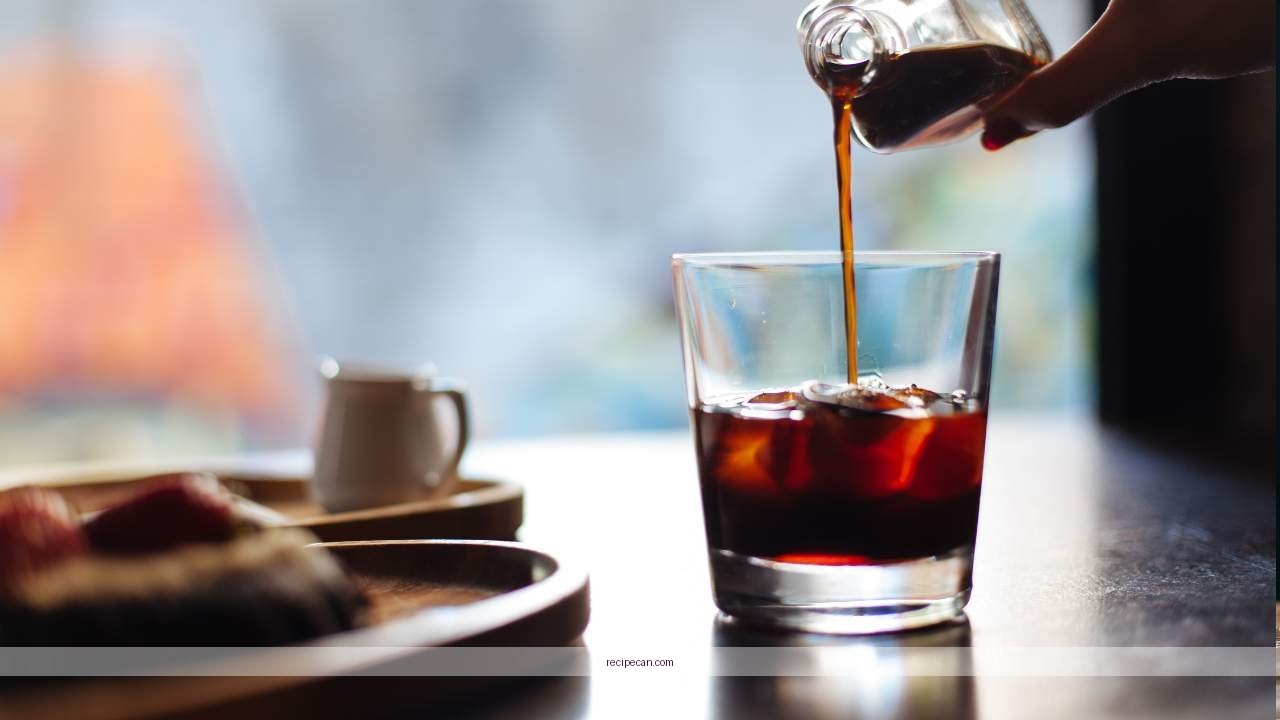
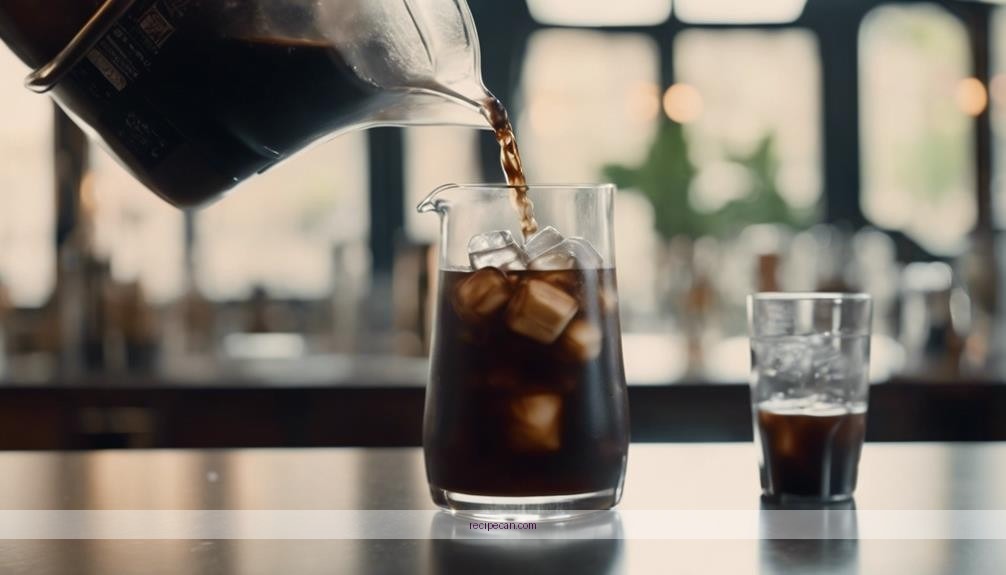
5. Serve: Dilute the cold brew concentrate with water or milk according to your taste preference, typically at a 1:1 ratio. Adjust this based on your desired strength, and serve over ice for a refreshing beverage. Optionally, garnish with a sprinkle of cinnamon or cocoa powder for added flavor.
Cold Brew Coffee Extraction Comparison (2023)
| # | Coffee Type | Ground Size | Steeping Time | Caffeine Content |
|---|---|---|---|---|
| 1 | Medium Roast | Coarse | 18 hours | 200 mg |
| 2 | Dark Roast | Coarse | 24 hours | 220 mg |
| 3 | Light Roast | Coarse | 12 hours | 180 mg |
| 4 | Single-Origin | Coarse | 24 hours | 210 mg |
| 5 | Blended | Coarse | 18 hours | 200 mg |
| 6 | Espresso | Medium | 12 hours | 150 mg |
| 7 | Decaf | Coarse | 24 hours | 50 mg |
Warning Signs: When Not to Follow This
Steer clear of pre-ground coffee that isn’t specifically labeled for cold brew; finely ground coffee can lead to bitterness and undesirable cloudiness. Avoid using water that exceeds room temperature, as hot water can extract unwanted flavors, resulting in an unpleasant brew. If you are sensitive to caffeine, take caution with this method; cold brew coffee often contains higher caffeine concentrations than traditional hot coffee.
The Most Common Mistakes (And Their Consequences)
Many brewers falter by not adhering to the correct coffee-to-water ratio, resulting in cold brew that is either overly diluted or painfully strong. Neglecting the straining step or using inadequate filters can lead to gritty, sediment-filled cold brew, undermining the smooth experience that cold brew is known for. Additionally, failing to steep for the appropriate duration can result in under-extraction, yielding a weak flavor devoid of the rich profile characteristic of well-made cold brew.
Special Cases That Need a Different Approach
For those seeking a less acidic cold brew, consider adding a pinch of salt during the brewing process; this can enhance flavor and reduce acidity without altering the coffee itself. Individuals with dietary restrictions can experiment with nut milks or alternative sweeteners to create a personalized cold brew experience, although the original coffee-to-water ratio should still apply. Moreover, in high-altitude areas, you may need to adjust brewing times slightly due to changes in atmospheric pressure; shorter steeping times and frequent tasting can help you find the right balance.
When You Need a Professional
Should you experience adverse reactions such as insomnia, increased heart rate, or digestive issues after consuming cold brew coffee, consult a healthcare professional to evaluate your caffeine tolerance and any underlying health concerns. For those with specific dietary restrictions that could impact caffeine intake, such as pregnancy or certain medical conditions, discussing your cold brew consumption with a doctor or nutritionist is advisable. If you have doubts about the quality of your coffee beans or brewing equipment, consulting a local coffee expert can provide valuable guidance for optimizing your cold brew preparation.
Sources and Further Reading
The Specialty Coffee Association offers extensive guidelines and studies on brewing methods and coffee quality, which can be referenced for a deeper understanding. Books such as “The Coffee Compass” and “Coffee: A Comprehensive Guide to the Bean” are excellent resources for those looking to explore the nuances of coffee brewing and flavor profiles. Research articles from the Journal of Food Science may also provide insights into the chemical processes involved in cold brew extraction, enriching your understanding of brewing science.
Frequently Asked Questions
What is the best cold brew coffee recipe for beginners?
The best cold brew coffee recipe for beginners involves a simple ratio of coarsely ground coffee to water. Use 1 cup of coffee grounds for every 4 cups of cold or room temperature water. Combine them in a large jar or pitcher, stir gently, and let it steep in the refrigerator for 12-24 hours before straining through a coffee filter or cheesecloth.
How do you make cold brew coffee at home?
To make cold brew coffee at home, start by mixing coarsely ground coffee with cold water in a container, using a ratio of 1:4. Stir the mixture and let it steep for 12-24 hours. After steeping, strain the coffee through a filter to remove the grounds, and you can dilute it with water or milk as desired before serving.
Why is cold brew coffee less acidic than hot brewed coffee?
Cold brew coffee is less acidic than hot brewed coffee because the cold brewing process extracts fewer of the acidic compounds found in coffee beans. By steeping coffee grounds in cold water, you create a smoother, less bitter flavor profile, making it a great option for those sensitive to acidity.
Which coffee beans are best for cold brew?
The best coffee beans for cold brew are typically medium to dark roast varieties, as they provide a rich, bold flavor that complements the cold brewing process. Look for beans labeled as suitable for cold brew or those with tasting notes of chocolate, caramel, or nuttiness, as these flavors tend to shine through in the final beverage.
How long can you store cold brew coffee in the refrigerator?
You can store cold brew coffee in the refrigerator for up to two weeks, provided it is kept in an airtight container. However, for the best flavor, it’s recommended to consume it within a week. Always remember to dilute it with water or milk before serving if it has been concentrated, as this can enhance its taste and drinkability.
References
- Cold brew coffee
https://en.wikipedia.org/wiki/Cold_brew_coffee - https://www.bbc.com/food/articles/how_to_make_cold_brew_coffee
https://www.bbc.com/food/articles/how_to_make_cold_brew_coffee - https://www.sciencedirect.com/topics/food-science/cold-brew-coffee
https://www.sciencedirect.com/topics/food-science/cold-brew-coffee - https://www.nytimes.com/2015/06/24/dining/how-to-make-cold-brew-coffee.html
https://www.nytimes.com/2015/06/24/dining/how-to-make-cold-brew-coffee.html - Cold-brew coffee | beverage | Britannica
https://www.britannica.com/topic/cold-brew-coffee - https://www.healthline.com/nutrition/cold-brew-coffee
https://www.healthline.com/nutrition/cold-brew-coffee - Page Not Found – Site Help – Mayo Clinic
https://www.mayoclinic.org/healthy-lifestyle/nutrition-and-healthy-eating/expert-answers/cold-brew-coffee/faq-20450370 - https://pubmed.ncbi.nlm.nih.gov/?term=cold+brew+coffee
https://pubmed.ncbi.nlm.nih.gov/?term=cold+brew+coffee - Google Scholar Google Scholar
https://scholar.google.com/scholar?q=cold+brew+coffee+recipe - Google Scholar Google Scholar
https://scholar.google.com/scholar?q=cold+brew+coffee+instructions