Crafting gourmet coffee recipes safely requires a keen understanding of both ingredients and techniques. This expert guide provides precise protocols and innovative recipes, ensuring you elevate your coffee-making skills while prioritizing safety. By following these guidelines, you’ll not only create exceptional brews but also avoid common pitfalls that could compromise quality or health. Unlock the full potential of your coffee experience with proven methods and expert insights.
What This Guide Covers (And What It Doesn’t)

This guide offers a treasure trove of recipes that showcase coffee as a primary ingredient, ranging from delectable desserts to refreshing beverages and even savory dishes. Each recipe is designed to elevate the flavor profile of coffee while ensuring safe preparation methods. By focusing on gourmet applications, this guide encourages creativity in the kitchen while prioritizing safety.
However, it does not delve into coffee brewing techniques or general preparation methods, as the emphasis here is strictly on innovative and flavorful uses of coffee. Culinary enthusiasts eager to explore and refine their skills with coffee-infused recipes will find this guide particularly valuable.
Who Should Read This
This guide is tailored for culinary enthusiasts who already possess a foundational understanding of cooking techniques and ingredients, particularly those keen on integrating coffee into their dishes. It’s perfect for individuals looking to enhance their culinary repertoire by incorporating coffee into a variety of recipes, from sweets to savory creations.
Novice cooks or those unfamiliar with using coffee as an ingredient might find the content a bit advanced and are encouraged to seek out beginner resources before diving into these gourmet recipes.
The Step-by-Step Protocol

1. Selecting Quality Coffee: Choose high-quality, freshly roasted coffee beans. A medium roast typically offers a balanced flavor. Use about 1-2 tablespoons per recipe, adjusting based on your desired coffee intensity.
2. Measuring Ingredients: Precision is key when measuring ingredients. For instance, in a coffee cake recipe, using 1 cup of brewed coffee is essential to achieve the correct moisture level and flavor balance.
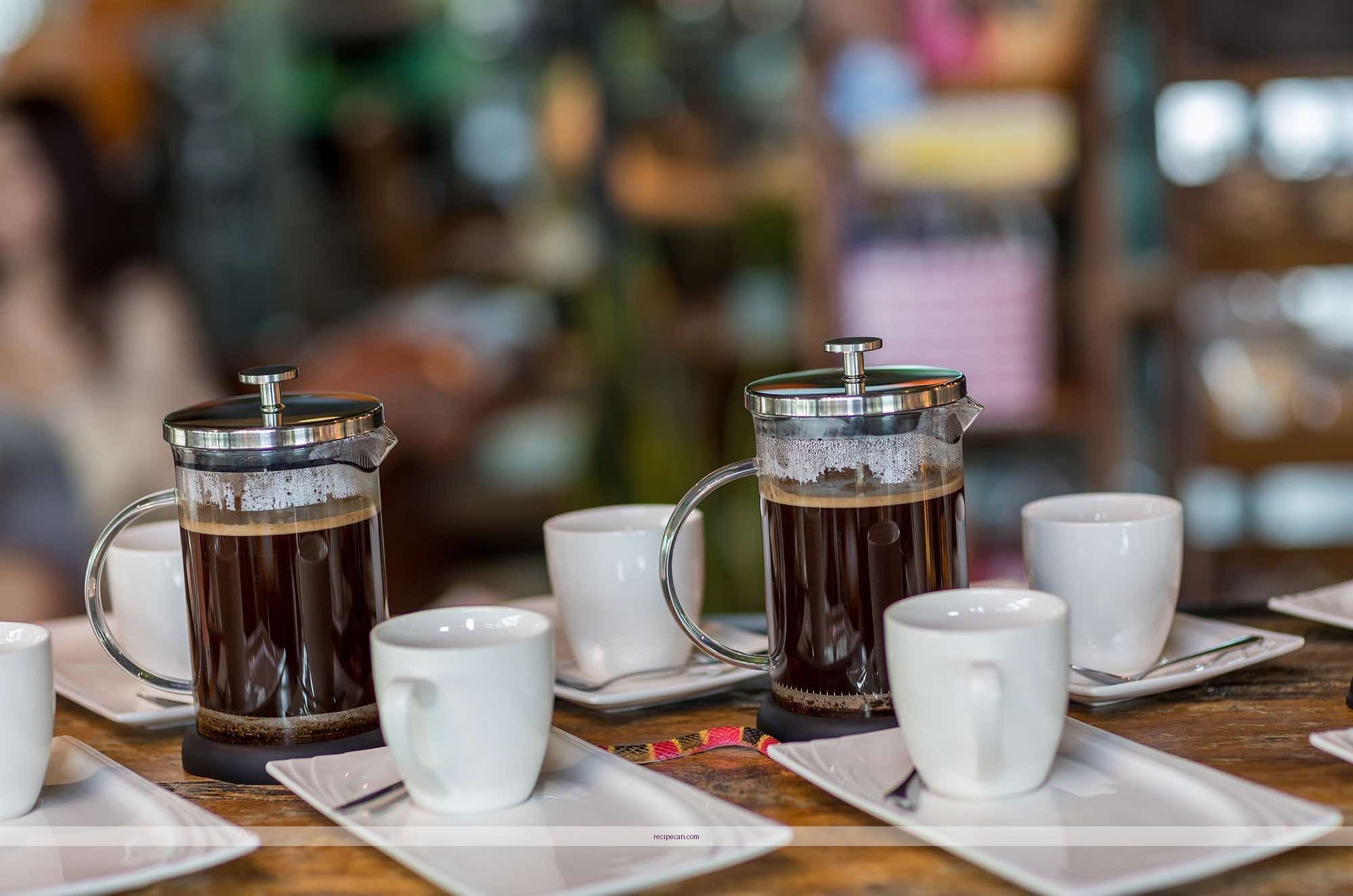
3. Brewing Techniques: Utilize methods such as French press or pour-over for brewing your coffee. Aim for a brewing temperature between 195°F and 205°F to maximize extraction and flavor.
4. Incorporating Coffee: Gradually mix the brewed coffee into batters or sauces for even distribution. When making a coffee-infused chocolate mousse, for example, combine 1/4 cup of brewed espresso with melted chocolate at a temperature below 120°F to prevent curdling.
5. Adjusting Flavors: After adding coffee, taste your dish and adjust the other flavors as needed. Additional sweetness or acidity may be required to counterbalance the coffee’s bitterness in desserts.
6. Final Presentation: Consider the visual appeal of your dish. Use garnishes that complement coffee, such as whipped cream, cocoa powder, or chocolate shavings for desserts, and fresh herbs for savory dishes.
7. Storing Leftovers: Preserve any coffee-infused dishes in airtight containers in the refrigerator. Consume within three days to maintain freshness and prevent spoilage.
Top 7 Coffee Recipes with Ingredient Breakdown
| # | Recipe Name | Coffee Type | Coffee Amount | Preparation Time |
|---|---|---|---|---|
| 1 | Mocha Coffee Cake | Espresso | 1 cup brewed | 60 minutes |
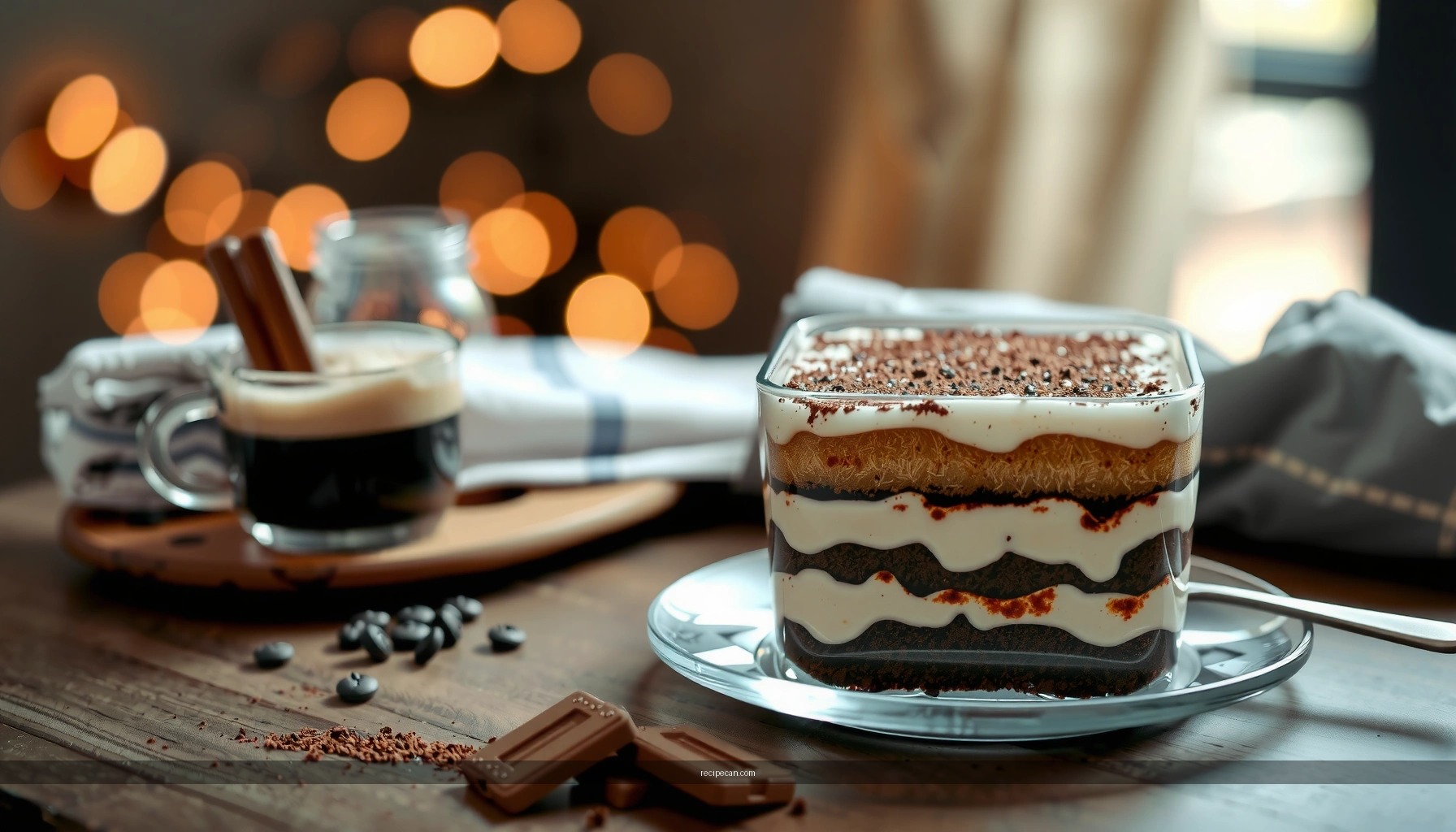
| 2 | Coffee-Infused Tiramisu | Dark Roast | 3/4 cup brewed | 45 minutes |
| 3 | Café au Lait Risotto | Medium Roast | 1/2 cup brewed | 30 minutes |
| 4 | Espresso Brownies | Espresso | 1/4 cup brewed | 35 minutes |
| 5 | Coffee Flavored Ice Cream | Cold Brew | 1 cup brewed | 90 minutes |
| 6 | Coffee-Glazed Donuts | Medium Roast | 1/2 cup brewed | 50 minutes |
| 7 | Coffee-Rubbed Steak | Dark Roast | 2 tablespoons | 60 minutes |
Warning Signs: When Not to Follow This

– If you have a caffeine sensitivity or allergy, refrain from using coffee in any recipe, as it may worsen your condition.
– Pregnant or nursing individuals should avoid these recipes, as excessive caffeine intake can adversely affect fetal development and influence breast milk composition.
– Do not attempt recipes that require specific dietary restrictions (e.g., gluten-free or vegan) unless you have thoroughly checked each ingredient for compatibility with your dietary needs.
The Most Common Mistakes (And Their Consequences)
– Using Stale Coffee: Coffee that has been improperly stored or is past its roast date can yield flat or bitter flavors, undermining the intended taste and overall experience of your dish.
– Incorrect Measurement: Inaccurate measurements of coffee or other ingredients can lead to overpowering bitterness or insufficient flavor in dishes like coffee-flavored ice cream, resulting in an unsatisfactory outcome.
– Ignoring Temperature: Adding hot coffee directly to cold mixtures can cause curdling or separation, particularly in creamy recipes like coffee panna cotta, which can compromise texture and presentation.
Special Cases That Need a Different Approach
– For those with lactose intolerance, substitute regular cream with coconut milk or almond milk in coffee recipes that traditionally require dairy, ensuring digestibility without sacrificing flavor.
– Vegans should replace eggs in coffee-infused baked goods with flaxseed meal or aquafaba (the liquid from canned chickpeas) to maintain the recipe’s structure and moisture.
– When cooking at high altitudes, increase the baking temperature by 15°F and decrease the baking time by 10% to accommodate lower atmospheric pressure, which affects coffee extraction and the overall baking process.
When You Need a Professional
– If you’re uncertain about safely handling caffeine-related ingredients due to health conditions, consult a healthcare provider before following any coffee recipe.
– In cases of severe allergies or dietary restrictions, seek advice from a registered dietitian to ensure your recipe modifications do not compromise your health.
– If you’re considering incorporating coffee into recipes for a commercial setting, consult with a food safety expert to ensure compliance with local regulations and standards.
Sources and Further Reading
– “The Coffee Roaster’s Companion” by Scott Rao provides valuable insights into selecting and using coffee in culinary applications.
– American Culinary Federation guidelines on ingredient safety and preparation techniques ensure best practices are observed.
– Research articles from the Journal of Food Science detail the flavor profiles and culinary applications of coffee across various recipes.
Engaging with coffee as an ingredient opens a world of culinary possibilities. By following the protocols outlined in this guide, you can craft gourmet dishes that showcase the complexity and richness of coffee in a safe and enjoyable manner. Now, gather your ingredients and embark on this flavorful journey!
Frequently Asked Questions
What are some easy coffee recipes for beginners?
Easy coffee recipes for beginners include classic options like coffee with milk, iced coffee, and coffee smoothies. You can start by brewing a cup of your favorite coffee, then add steamed milk for a latte or blend it with ice and a scoop of vanilla ice cream for a refreshing coffee smoothie. These simple recipes allow you to enjoy coffee in different ways without complicated techniques.
How can I enhance the flavor of my coffee in recipes?
To enhance the flavor of your coffee in recipes, consider adding spices like cinnamon or nutmeg, or using flavored syrups such as vanilla or hazelnut. You can also experiment with different types of milk, including almond or oat milk, which can add a unique taste. Additionally, incorporating ingredients like cocoa powder or caramel can elevate your coffee-based dishes.
Why should I use brewed coffee instead of instant coffee in recipes?
Using brewed coffee instead of instant coffee in recipes is recommended because brewed coffee provides a richer, more robust flavor and aroma, enhancing the overall taste of your dish. Instant coffee often lacks the depth of flavor found in freshly brewed coffee, which can be crucial in recipes like coffee cakes or marinades. For the best results, always opt for freshly brewed coffee whenever possible.
What is the best coffee to use for baking recipes?
The best coffee to use for baking recipes is a medium to dark roast, as it offers a strong flavor that can stand up to the sweetness of desserts. Coffees like French roast or espresso are popular choices because they impart a rich coffee taste to cakes, cookies, and brownies. For optimal results, use freshly ground coffee to ensure maximum flavor extraction in your baked goods.
Which coffee-based dessert recipes are popular and easy to make?
Popular and easy-to-make coffee-based dessert recipes include tiramisu, coffee panna cotta, and coffee-flavored ice cream. Tiramisu combines layers of coffee-soaked ladyfingers and mascarpone cheese for a delightful treat, while coffee panna cotta offers a smooth, creamy texture with a hint of coffee flavor. These desserts are not only delicious but also showcase the versatility of coffee in sweet dishes.
References
- Coffee
https://en.wikipedia.org/wiki/Coffee - Checking your browser – reCAPTCHA
https://www.ncbi.nlm.nih.gov/pmc/articles/PMC5638570/ - https://www.sciencedirect.com/science/article/pii/S0963996919300529
https://www.sciencedirect.com/science/article/pii/S0963996919300529 - Checking your browser – reCAPTCHA
https://www.ncbi.nlm.nih.gov/pmc/articles/PMC6370800/ - https://pubmed.ncbi.nlm.nih.gov/24811019/
https://pubmed.ncbi.nlm.nih.gov/24811019/ - https://www.bbc.com/food/recipes/coffee_cake_41007
https://www.bbc.com/food/recipes/coffee_cake_41007 - https://www.theguardian.com/food/2020/oct/01/coffee-how-to-cook-with-it
https://www.theguardian.com/food/2020/oct/01/coffee-how-to-cook-with-it - https://www.nytimes.com/2019/11/12/dining/coffee-recipe-cooking.html
https://www.nytimes.com/2019/11/12/dining/coffee-recipe-cooking.html - Google Scholar Google Scholar
https://scholar.google.com/scholar?q=recipe+with+coffee - Google Scholar Google Scholar
https://scholar.google.com/scholar?q=coffee+in+cooking+recipes