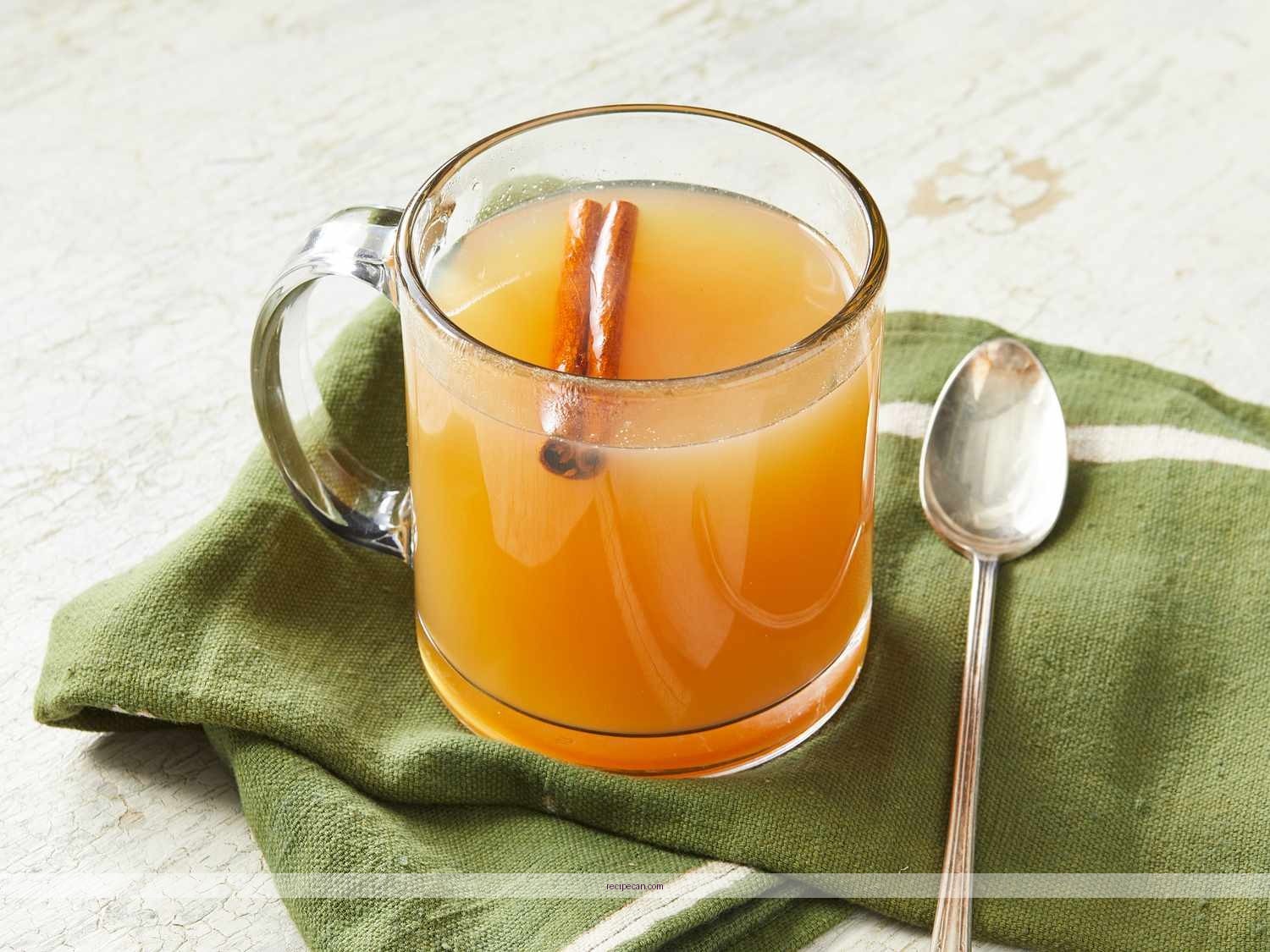
Homemade apple juice cider is the ultimate choice for those seeking a fresh, flavorful beverage that’s both easy to make and impressively delicious. This recipe outlines simple steps to craft your own cider, ensuring you enjoy the rich taste of apples at their peak. Say goodbye to store-bought options; with this guide, you’ll create a delightful drink that showcases the natural sweetness and complexity of apples. Discover how to elevate your beverage game with this straightforward approach to homemade cider.
Making homemade apple juice cider is a fantastic way to capture the flavors of autumn and enjoy a refreshing beverage with family and friends. This simple recipe allows you to transform fresh apples into a delicious drink that can be enjoyed chilled or warmed. With just a few quality ingredients and straightforward steps, you can create a delightful cider that will impress everyone at your next gathering.
Recipe Overview

This homemade apple juice cider combines the sweetness of fresh, ripe apples with a hint of warmth from spices, making it a perfect drink for any occasion. Its simplicity and delightful flavor profile make it a great choice for gatherings, holiday celebrations, or cozy nights at home. Expect to serve around 6-8 people, which makes it ideal for family gatherings or festive get-togethers. The best part? You can customize the flavor to suit your taste by experimenting with different apple varieties and spice ratios.
Time Required

– 🕐 Prep Time : 15 minutes
– 🍳 Cook Time : 30 minutes
– ⏱ Total Time : 45 minutes
Ingredients

The secret to a delicious apple juice cider lies in the quality and variety of apples you choose. Opt for a mix of sweet and tart apples, as this balance creates a more complex and enjoyable flavor. Fresh, organic apples are ideal, but you can use whatever you have available.
Main Ingredients
– 10 medium apples (mix of sweet and tart, such as Fuji and Granny Smith)
– 1 cup of sugar (adjust based on the sweetness of the apples)
– 1 teaspoon cinnamon (preferably Ceylon for a milder flavor)
– 1/2 teaspoon nutmeg (freshly grated if possible)
– 1 lemon (juiced, to add brightness)
– 4 cups water (filtered or spring water for best taste)
Step-by-Step Instructions

1. Prepare the Apples: Start by washing the apples under running water to remove any dirt or residues. Core them and cut them into quarters, leaving the skin on, as it contributes additional flavor and nutrients to the cider.
2. Combine Ingredients: In a large pot, combine the quartered apples, sugar, cinnamon, nutmeg, lemon juice, and water. Stir well to ensure the sugar and spices are evenly distributed among the apples.
3. Cook the Mixture: Place the pot over medium heat and bring the mixture to a boil. Once boiling, reduce the heat to a simmer, cover the pot, and let it cook for about 30 minutes. Stir occasionally to prevent sticking and to help the flavors meld together. The apples should become soft and fragrant.
4. Mash and Strain: After 30 minutes, use a potato masher or a fork to gently mash the softened apples. This step helps to release the maximum amount of juice. Once mashed, strain the mixture through a fine mesh sieve or cheesecloth into a large pitcher, pressing down on the solids to extract as much juice as possible.
5. Cool and Serve: Allow the cider to cool to room temperature, then transfer it to the refrigerator. You can serve it chilled over ice or gently warm it on the stove. For an extra touch, garnish each glass with a cinnamon stick or a slice of apple.
Heat & Temperature Guide
Cooking Method
This recipe employs a simmering technique to extract flavors from the apples and spices, which allows for a gentle cooking process that preserves the integrity of the ingredients.
Temperature & Timing
Maintain a simmer at around 180°F (82°C) during the cooking process. This gentle heat ensures that the apples soften without turning to mush.
How to Know It’s Done
The cider is ready when the apples are soft and easily mashed. You should also notice a fragrant aroma of cinnamon and apple wafting through your kitchen, signaling that it’s time to strain and serve.
What to Avoid & Precautions
Creating homemade apple juice cider is straightforward, but there are a few pitfalls to watch out for. Understanding these can help you achieve the best results.
Overcooking the Apples
Cooking the apples too long can lead to a mushy texture and a loss of flavor. Monitor the cooking time and check for softness after 30 minutes.
Using Only One Type of Apple
Using only sweet varieties may result in an overly sugary cider. A mix of sweet and tart apples ensures a balanced flavor that will please a wide range of palates.
Not Straining Enough
If you don’t strain the cider thoroughly, you may end up with a pulpy drink. Be diligent in pressing down on the solids during straining to achieve a smooth texture.
Common Mistakes & How to Fix Them
Making cider at home is a rewarding experience, but like any culinary endeavor, mistakes can happen. Here are some common pitfalls and how to avoid them.
Skipping the Lemon Juice
Some may think lemon juice is optional, but it plays a crucial role in balancing sweetness and enhancing the flavor. Always include it for a brighter taste.
Not Adjusting Sugar
Every batch of apples can vary in sweetness. Taste the mixture before straining and adjust the sugar accordingly to achieve your desired sweetness level.
Ignoring the Straining Process
A rushed straining process can lead to a gritty drink. Take your time to ensure you extract every drop of delicious apple juice.
How to Serve
This apple juice cider is versatile and can be enjoyed in several ways.
Plating & Presentation
Serve in clear glasses to showcase the beautiful hue of the cider. For a festive touch, add a sprinkle of cinnamon on top or a star anise for an aromatic garnish.
What Goes Well With It
Apple cider pairs wonderfully with cheese platters featuring sharp cheddar, soft brie, or even savory meats. It also complements fall desserts like apple pie or pumpkin bread.
Serving Temperature
Serve chilled for refreshing summer enjoyment or warm for cozy winter nights. If serving warm, heat gently on the stove without boiling to preserve flavor.
Storage & Reheating
Store any leftover cider in an airtight container in the refrigerator for up to one week. Reheat gently on the stove over low heat, stirring occasionally to prevent scorching.
Top 7 Apple Varieties for Cider (2023)
| # | Apple Variety | Flavor Profile | Best For Cider | Rating |
|---|---|---|---|---|
| 1 | Fuji | Sweet | Yes | ★★★★☆ |
| 2 | Granny Smith | Tart | Yes | ★★★★★ |
| 3 | Honeycrisp | Sweet & Tart | Yes | ★★★★☆ |
| 4 | Braeburn | Spicy & Tart | Yes | ★★★★☆ |
| 5 | Jonagold | Sweet & Tart | Yes | ★★★★☆ |
| 6 | Cortland | Sweet & Tart | Yes | ★★★★☆ |
| 7 | McIntosh | Soft & Tart | Yes | ★★★☆☆ |
In conclusion, making your own homemade apple juice cider is a simple yet rewarding process that brings the flavors of fall right into your home. By selecting the right apples and following the straightforward steps outlined in this recipe, you can create a delightful drink that warms the heart and satisfies the palate. Whether enjoyed chilled or warmed, this cider is sure to become a beloved staple at your family gatherings and celebrations. So, gather your ingredients, roll up your sleeves, and enjoy the delightful process of crafting your very own apple cider!
Frequently Asked Questions
What ingredients do I need for a homemade apple juice cider recipe?
To make a delicious homemade apple juice cider, you’ll need fresh apple juice, cinnamon sticks, cloves, allspice, and a bit of brown sugar for sweetness. You can also add orange slices or nutmeg for extra flavor, ensuring a warm, spiced beverage perfect for the fall season.
How do I make apple juice cider using a slow cooker?
To make apple juice cider in a slow cooker, simply combine your apple juice with spices such as cinnamon, cloves, and allspice in the crockpot. Set it on low for 4 to 6 hours, allowing the flavors to meld together. Serve warm, straining out the spices for a smooth, flavorful cider.
Why is my apple juice cider not tasting sweet enough?
If your apple juice cider lacks sweetness, it could be due to using unsweetened apple juice or not adding enough sugar or sweeteners. Consider adding brown sugar, honey, or maple syrup to enhance the sweetness, or try using a sweeter variety of apples for a naturally sweeter flavor profile.
What is the best type of apple juice to use for cider?
The best type of apple juice for cider is one that is 100% pure without added sugars or preservatives. Look for juice made from a blend of sweet and tart apples, such as Gala, Fuji, or Honeycrisp, which will provide a balanced flavor and enhance the overall taste of your cider.
Which spices are essential for a flavorful apple juice cider?
Essential spices for a flavorful apple juice cider include cinnamon, cloves, and allspice. You may also consider optional additions like nutmeg or star anise, which can add depth and complexity to the cider’s flavor profile, making it a cozy and aromatic drink for any occasion.
References
- Cider
https://en.wikipedia.org/wiki/Cider - https://www.oregon.gov/odf/Press_Releases/Pages/2021/2021-09-21-Apple-Cider-Recipe.aspx
https://www.oregon.gov/odf/Press_Releases/Pages/2021/2021-09-21-Apple-Cider-Recipe.aspx - Google Scholar Google Scholar
https://scholar.google.com/scholar?q=apple+juice+cider+recipe - Page not found
https://www.clemson.edu/extension/food/processing/cider.html - https://pubmed.ncbi.nlm.nih.gov/17549616/
https://pubmed.ncbi.nlm.nih.gov/17549616/ - https://www.nal.usda.gov/legacy/fnic/food-safety-apple-cider
https://www.nal.usda.gov/legacy/fnic/food-safety-apple-cider - Checking your browser – reCAPTCHA
https://www.ncbi.nlm.nih.gov/pmc/articles/PMC6369720/ - Google Scholar Google Scholar
https://scholar.google.com/scholar?q=apple+cider+fermentation+recipe - https://www.sciencedirect.com/topics/agricultural-and-biological-sciences/apple-cider
https://www.sciencedirect.com/topics/agricultural-and-biological-sciences/apple-cider - https://www.nrcs.usda.gov/wps/portal/nrcs/detail/national/home/?cid=nrcs142p2_002193
https://www.nrcs.usda.gov/wps/portal/nrcs/detail/national/home/?cid=nrcs142p2_002193