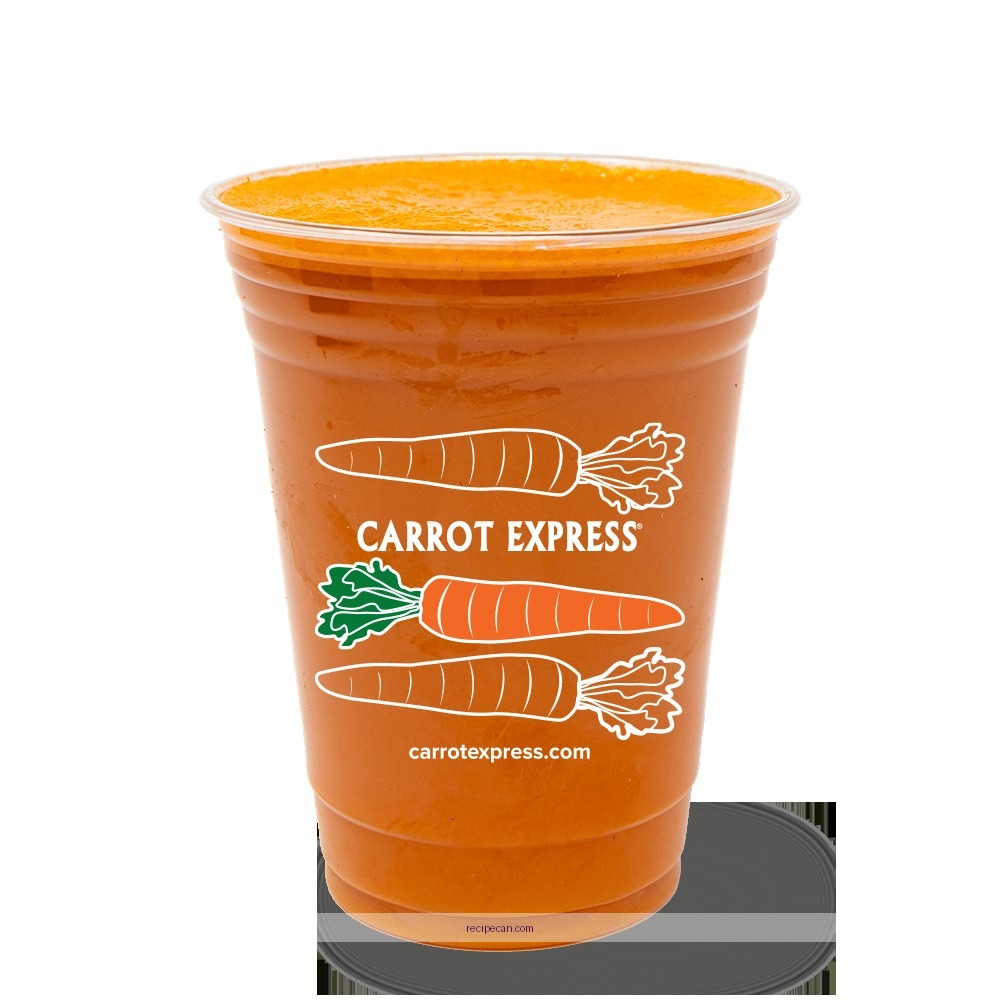
This simple carrot orange juice recipe stands out for its vibrant flavor and health benefits, making it the ideal choice for a refreshing morning boost. Combining the natural sweetness of oranges with the earthy notes of carrots, this juice not only tantalizes the taste buds but also delivers essential nutrients. Discover how easy it is to whip up this delicious drink at home, and elevate your breakfast routine today.
Making carrot orange juice is easy and refreshing! With just a few ingredients, you can whip up a delicious drink packed with vitamins and flavor. This recipe is perfect for breakfast or a midday pick-me-up and serves about two people. Let’s dive into how to create this vibrant juice that everyone will love.
Recipe Overview
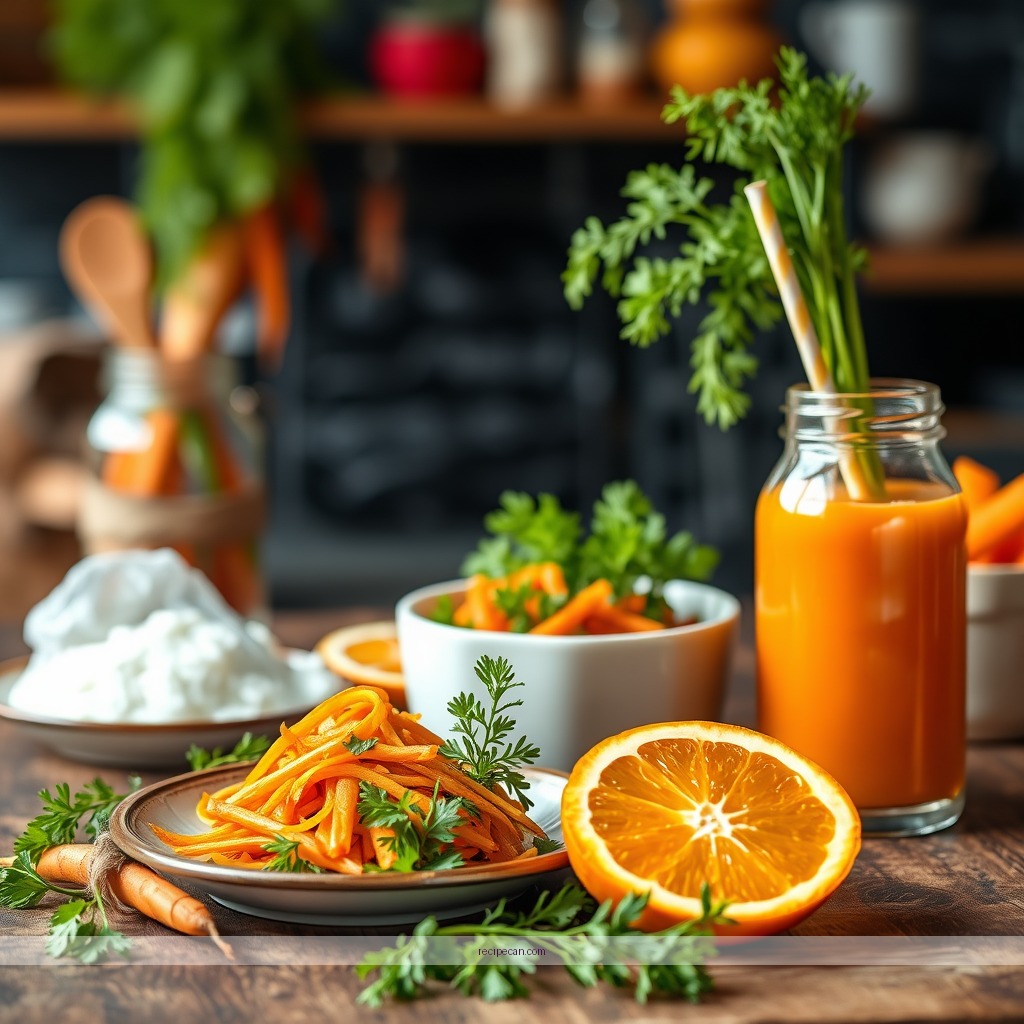
This carrot orange juice is not only bright and cheerful but also loaded with nutrients. Combining the sweetness of oranges with the earthiness of carrots creates a delightful balance. Plus, it’s a breeze to make, taking just a few minutes from start to finish! The natural sweetness and vibrant color make this juice an appealing choice for both kids and adults alike. Perfect for a refreshing start to your day or a nutritious snack, this juice is a must-try for anyone looking to incorporate more fruits and vegetables into their diet.
Time Required
– 🕐 Prep Time: 10 minutes
– 🍳 Cook Time: 0 minutes
– ⏱ Total Time: 10 minutes
Ingredients
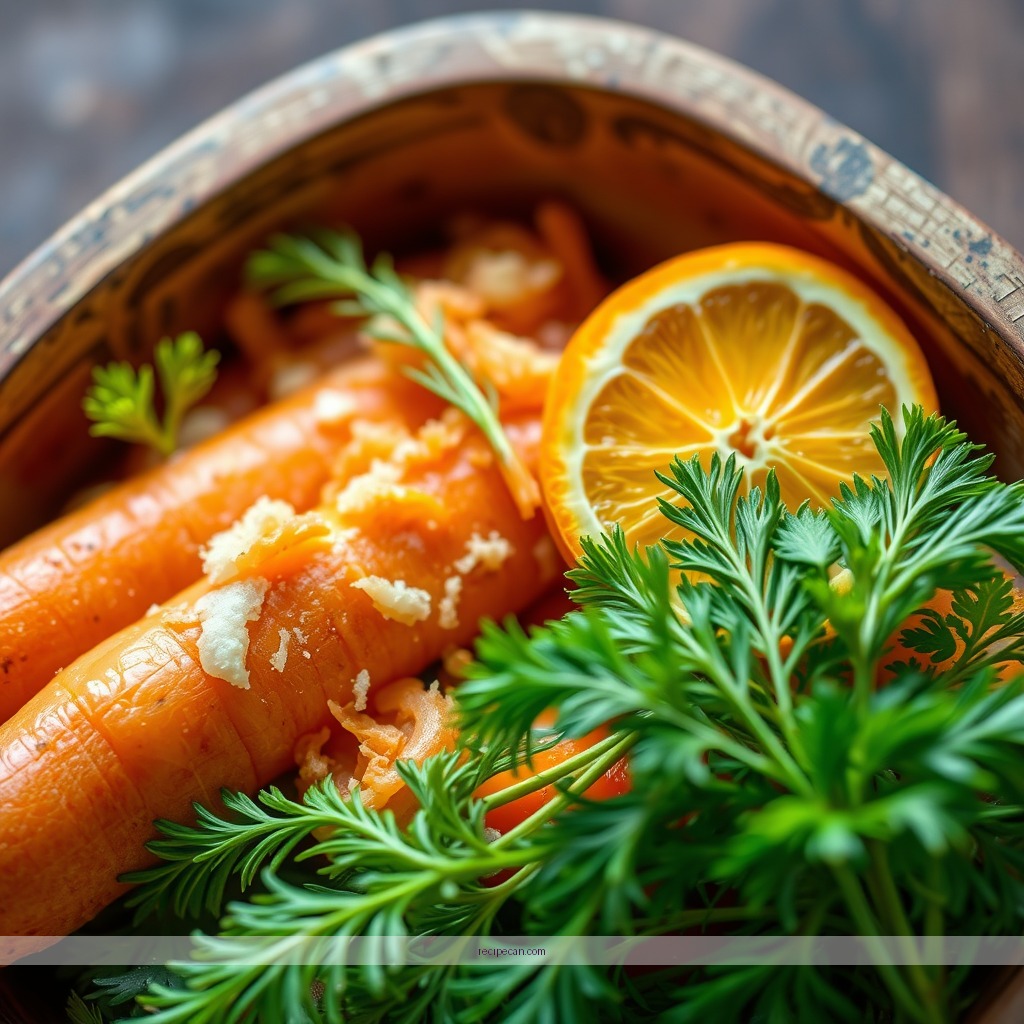
Fresh, quality ingredients are key to making this juice shine. Choose vibrant oranges and firm, crisp carrots for the best flavor. If you’re looking for a twist, consider adding a piece of ginger for some zing! The combination of these ingredients not only ensures a delicious taste but also maximizes the health benefits.
Main Ingredients
– 2 large carrots, peeled and chopped
– 2 medium oranges, peeled and segmented
– Optional: 1-inch piece of fresh ginger, peeled (for an extra kick)
Step-by-Step Instructions

1. Prepare the Ingredients: Start by peeling and chopping your carrots into manageable pieces. This helps them blend more easily. Peel the oranges and separate them into segments, removing any seeds you find. Make sure your ingredients are fresh for the best flavor.
2. Juicing: In a blender, combine the chopped carrots and orange segments. If using ginger, add it now. Blend until smooth. You may need to add a splash of water to help with blending. The smoother the blend, the more enjoyable the juice will be.
3. Strain (optional): If you prefer a smoother juice, strain the mixture through a fine mesh sieve or cheesecloth into a pitcher to remove the pulp. This step is completely optional, but it can enhance the drinking experience.
4. Serve: Pour the juice into glasses over ice if desired. Enjoy immediately for the best flavor! Garnishing with a slice of orange can add a nice touch to the presentation.
Heat & Temperature Guide
Cooking Method
This recipe utilizes a cold blending method, which preserves the nutrients and fresh taste of the ingredients. No cooking is required, which maintains the vibrant colors and flavors.
Temperature & Timing
Since this juice is served cold, it’s best consumed immediately after preparation. If you prefer it chilled, use ice or refrigerate the juice for a brief period before serving.
How to Know It’s Done
The juice is ready when it reaches a smooth, consistent texture. If you can see the vibrant color of the carrot and orange blend, you know you’ve achieved the perfect consistency.
What to Avoid & Precautions
Creating the perfect carrot orange juice is simple, but a few common pitfalls can occur. Being aware of these can help you achieve the best results.
Over-Blending
Blending for too long can introduce excess air into the juice, which may lead to a frothy texture. Blend just until smooth for the best consistency.
Not Using Fresh Ingredients
Using stale or overripe fruits and vegetables can compromise the flavor and nutritional value of your juice. Always opt for fresh, vibrant produce.
Forgetting to Strain
If you prefer a smoother juice and skip the straining step, you may end up with a pulp-heavy drink. Take the time to strain for a more refined texture.
Common Mistakes & How to Fix Them
Making juice should be a fun and easy experience, but sometimes things can go awry. Here are some common mistakes and how to avoid them:
Using the Wrong Oranges
Some oranges are more acidic than others, which can alter the taste of your juice. Navel oranges are a great choice for sweetness, while Valencia oranges are excellent for juicing.
Insufficient Carrot Preparation
Not chopping the carrots finely enough can make blending difficult, leading to a chunky texture. Ensure they are chopped into smaller pieces for easier blending.
Skipping the Ginger
While ginger is optional, omitting it entirely can lose the unique flavor profile and health benefits it offers. If you enjoy a little spice, consider adding ginger for an extra kick.
How to Serve
Plating & Presentation
Serve your juice in clear glasses to showcase its vibrant color. A slice of orange on the rim adds a nice touch and makes for an inviting presentation.
What Goes Well With It
This juice pairs wonderfully with a light breakfast, like whole-grain toast or yogurt with granola. It also makes a refreshing afternoon snack alongside light snacks like nuts or cheese.
Serving Temperature
This juice is best enjoyed chilled or at room temperature. If serving to guests, consider adding ice to enhance the refreshing experience.
Storage & Reheating
For the best taste, consume the juice fresh. However, if you have leftovers, you can store it in an airtight container in the fridge for up to 24 hours. Be sure to give it a good shake before serving, as the ingredients may separate over time.
Nutritional Breakdown of Carrot Orange Juice (per serving)
| # | Nutrient | Amount | % Daily Value |
|---|---|---|---|
| 1 | Calories | 80 | 4% |
| 2 | Vitamin A | 9,000 IU | 180% |
| 3 | Vitamin C | 60 mg | 67% |
| 4 | Potassium | 300 mg | 6% |
| 5 | Fiber | 2 g | 8% |
| 6 | Calcium | 50 mg | 5% |
| 7 | Iron | 0.5 mg | 3% |
The vibrant color and fresh taste of carrot orange juice make it a delightful addition to your daily routine. You’ll love how easy it is to make, and once you try it, you’ll want to share this recipe with family and friends! Enjoy your delicious homemade juice!
Frequently Asked Questions
What ingredients do I need for a simple carrot orange juice recipe?
To make a delicious carrot orange juice, you’ll need fresh carrots, ripe oranges, and a bit of water. Typically, 4-5 medium-sized carrots and 2-3 large oranges will yield about 2 cups of juice. Optionally, you can add ginger for an extra zing and a dash of honey for sweetness.
How do I prepare carrots and oranges for juicing?
Start by thoroughly washing your carrots and oranges to remove any dirt or pesticides. Peel the oranges to avoid bitterness, and chop the carrots into smaller pieces to ensure they fit into your juicer easily. If you want a smoother juice, consider straining the mixture through a fine mesh sieve or cheesecloth after juicing.
Why is carrot orange juice considered healthy?
Carrot orange juice is packed with essential vitamins and nutrients, particularly vitamin A from carrots and vitamin C from oranges. This combination supports eye health, boosts the immune system, and provides antioxidants that can help fight inflammation. The juice is also low in calories, making it a great choice for a refreshing and nutritious drink.
What is the best method for juicing carrots and oranges together?
The best method for juicing carrots and oranges together is to use a centrifugal juicer or a masticating juicer. Start by juicing the carrots first, as they are denser, followed by the oranges to help extract more juice. If you’re using a blender, combine the chopped carrots and peeled oranges with a bit of water, then blend until smooth and strain.
Which type of juicer is recommended for making carrot orange juice?
A masticating juicer is highly recommended for making carrot orange juice because it efficiently extracts juice from hard vegetables like carrots while preserving more nutrients. However, a centrifugal juicer can also work well for this recipe if you’re looking for a quicker option. Both types can produce delicious juice, so choose based on your availability and preference.
References
- Carrot
https://en.wikipedia.org/wiki/Carrot - Renal-Limited “Lupus-Like” Nephritis: How Much of a Lupus? – PMC
https://www.ncbi.nlm.nih.gov/pmc/articles/PMC5465519/ - Hippocampal and Cerebellar Changes in Acute Restraint Stress and the Impact of Pretreatment with …
https://www.ncbi.nlm.nih.gov/pmc/articles/PMC7225952/ - https://www.cdc.gov/nutrition/infographics/fruit-vegetable-consumption.html
https://www.cdc.gov/nutrition/infographics/fruit-vegetable-consumption.html - https://www.mayoclinic.org/healthy-lifestyle/nutrition-and-healthy-eating/in-depth/juicing/art-20045773
https://www.mayoclinic.org/healthy-lifestyle/nutrition-and-healthy-eating/in-depth/juicing/art-20045773 - https://www.nutrition.gov/topics/whats-food/juices
https://www.nutrition.gov/topics/whats-food/juices - https://www.sciencedirect.com/topics/agricultural-and-biological-sciences/carrots
https://www.sciencedirect.com/topics/agricultural-and-biological-sciences/carrots - https://www.britannica.com/plant/carrots
https://www.britannica.com/plant/carrots - Google Scholar Google Scholar
https://scholar.google.com/scholar?q=carrot+orange+juice+recipe - Google Scholar Google Scholar
https://scholar.google.com/scholar?q=health+benefits+of+carrot+juice+and+orange+juice