
Crafting the perfect iced coffee at home requires precision and knowledge of the right techniques. This expert guide provides step-by-step instructions and essential tips to elevate your brewing skills, ensuring a refreshing and flavorful cup every time. Mastering these methods not only enhances your coffee experience but also saves you money while impressing friends and family with your barista-level creations.
What This Guide Covers (And What It Doesn’t)

This guide offers a comprehensive, step-by-step approach to crafting iced coffee at home, emphasizing methods that enhance flavor and maintain the ideal temperature. You’ll discover various brewing techniques, ingredient selections, and customization options, while steering clear of overly complex or time-consuming processes. Specific quantities and equipment recommendations are included, but the guide intentionally avoids delving into commercial or barista-level techniques that are better suited for a café setting.
Who Should Read This
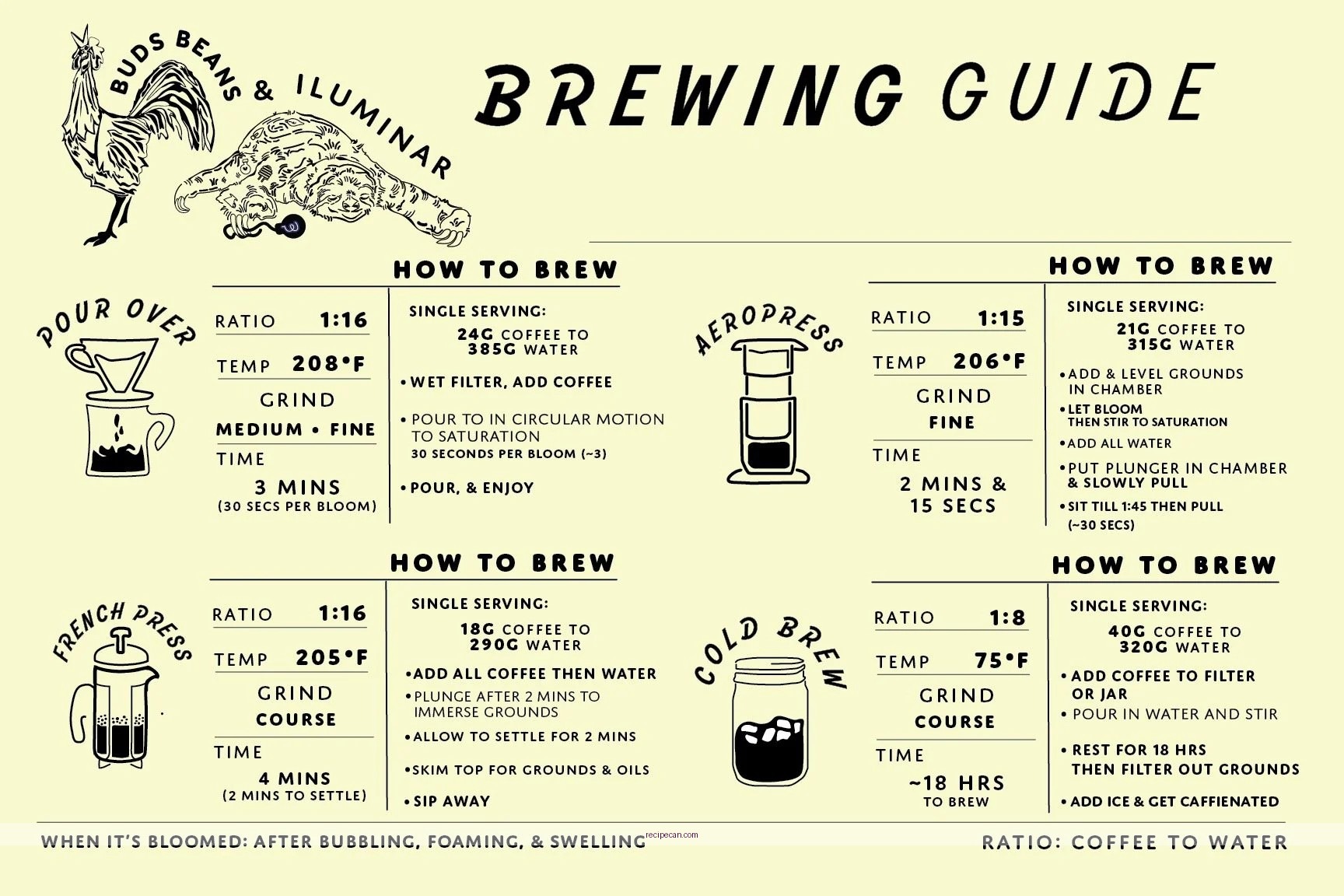
Aimed at coffee enthusiasts eager to refine their iced coffee-making skills, this guide is perfect for anyone, regardless of experience. If you enjoy experimenting with flavors and brewing methods, and wish to elevate your morning routine or afternoon pick-me-up, you’ll find this resource invaluable. Those interested in the intricate details of brewing, such as extraction times and water temperature, will particularly benefit from the insights provided.
The Step-by-Step Protocol

1. Select Your Coffee Beans: Choose high-quality coffee beans that match your flavor preferences. A medium roast often provides a pleasing balance, while blends featuring chocolate and nutty notes can enhance the refreshing nature of iced coffee.
2. Grind the Coffee: Measure out 1 ounce (28 grams) of coffee beans and grind them to a coarse consistency, akin to sea salt, for optimal extraction. A finer grind may lead to over-extraction and unwanted bitterness.
3. Brew the Coffee: Employ the cold brew method by combining the ground coffee with 4 cups (about 1 liter) of cold water in a large jar. Stir gently to ensure all the coffee grounds are fully saturated. Steep the mixture in the refrigerator for 12-24 hours, with 18 hours recommended for a well-balanced flavor.
4. Strain the Coffee: Once steeped, strain the coffee using a fine mesh sieve or coffee filter to separate the grounds, resulting in a smooth concentrate. This step is crucial for preventing sediment from ending up in your final drink.
5. Serve Over Ice: Fill a glass with ice, then pour the brewed coffee concentrate over it. You can adjust the strength by adding water or milk according to your taste. A common ratio is 1 part coffee to 1 part water or milk for a well-balanced drink.
Top 7 Coffee Types for Iced Coffee (2024)
| # | Coffee Type | Flavor Notes | Roast Level | Best For |
|---|---|---|---|---|
| 1 | Colombian Coffee | Fruity, Nutty | Medium | Iced Coffee |
| 2 | Ethiopian Yirgacheffe | Floral, Citrus | Light | Cold Brew |
| 3 | Sumatra Mandheling | Earthy, Spicy | Dark | Iced Lattes |
| 4 | Brazilian Santos | Chocolate, Nutty | Medium | Iced Coffee |
| 5 | Guatemalan Antigua | Sweet, Full-bodied | Medium | Iced Americanos |
| 6 | Costa Rican Tarrazú | Bright, Crisp | Light | Iced Brews |
| 7 | Panama Geisha | Fruity, Complex | Light | Specialty Iced Coffee |
Warning Signs: When Not to Follow This

Avoid this iced coffee recipe if you have a sensitivity to caffeine or if a healthcare professional advises you to limit coffee consumption. Those with allergies to specific coffee bean types or additional ingredients, such as milk or flavored syrups, should consider modifications to suit their needs. Furthermore, if you lack access to essential kitchen equipment—such as a grinder or refrigerator—this guide may not be practical for you.
The Most Common Mistakes (And Their Consequences)
A common pitfall is using too fine a grind, which can result in over-extraction and a bitter taste. Always opt for a coarse grind when making cold brew. Additionally, adding ice directly to hot brewed coffee can dilute the flavor; instead, allow the coffee to cool before pouring it over ice. Forgetting to strain the coffee properly can lead to sediment in your final drink, creating an undesirable gritty texture.
Special Cases That Need a Different Approach
For those with dietary restrictions, consider using dairy-free milk alternatives such as almond or oat milk, which provide creaminess without lactose. If you prefer a sweeter iced coffee, flavored syrups or natural sweeteners like agave can enhance your drink; adjust the quantity to suit your taste. For a more robust coffee flavor, experiment with a 1:3 coffee-to-water ratio instead of the standard 1:4 to create a bolder concentrate.
When You Need a Professional
If you experience adverse reactions to caffeine or coffee consumption—such as increased heart rate or anxiety—consult a healthcare provider. Individuals with specific dietary needs or concerns, like diabetes, should seek advice from a nutritionist to tailor the iced coffee recipe to their health requirements. Additionally, when exploring advanced brewing methods, such as espresso-based iced drinks, consulting a barista or coffee expert can help you maximize both flavor and presentation.
Sources and Further Reading
– “The Coffee Compass: A Guide to Coffee Across the Globe” by Andrew O. Chifari, which explores coffee origins and brewing methods.
– Specialty Coffee Association (SCA) resources on brewing techniques, providing scientific insights into extraction and flavor profiles.
– “Cold Brew Coffee: The Complete Guide” available on reputable culinary websites, offering tips and variations for cold brew enthusiasts.
Frequently Asked Questions
What is the best way to make iced coffee at home?
The best way to make iced coffee at home is to brew a strong cup of coffee using your preferred method, such as a French press or drip coffee maker. Once brewed, let it cool to room temperature, then pour it over a glass filled with ice. For added flavor, consider adding milk, cream, or flavored syrups to enhance your iced coffee experience.
How can I make iced coffee without a coffee maker?
You can easily make iced coffee without a coffee maker by using the cold brew method. Combine coarsely ground coffee with cold water in a jar or pitcher, letting it steep in the refrigerator for 12-24 hours. Once ready, strain the mixture through a coffee filter or cheesecloth, then serve it over ice for a refreshing drink.
Why does my iced coffee taste watered down?
Iced coffee often tastes watered down because the ice melts and dilutes the coffee. To prevent this, consider using coffee ice cubes made by freezing brewed coffee in an ice tray. This way, as the ice melts, your drink will retain its flavor without becoming diluted.
What ingredients can I add to homemade iced coffee for extra flavor?
You can add various ingredients to homemade iced coffee for extra flavor, such as flavored syrups, vanilla extract, or spices like cinnamon and nutmeg. Additionally, incorporating sweetened condensed milk or flavored creamers can provide richness and sweetness. Experimenting with different ingredients allows you to customize your iced coffee to your personal taste.
Which type of coffee beans is best for making iced coffee?
The best type of coffee beans for making iced coffee are typically medium to dark roasts, as they offer a bolder flavor that holds up well when served cold. Beans with chocolatey or nutty notes complement iced coffee well, while lighter roasts may taste too acidic. Ultimately, choosing high-quality, freshly roasted beans will enhance your homemade iced coffee experience.
References
- Iced coffee
https://en.wikipedia.org/wiki/Iced_coffee - https://www.bbc.com/food/recipes/how_to_make_iced_coffee_78512
https://www.bbc.com/food/recipes/how_to_make_iced_coffee_78512 - https://www.nytimes.com/2020/07/02/dining/iced-coffee-recipe.html
https://www.nytimes.com/2020/07/02/dining/iced-coffee-recipe.html - https://www.sciencedirect.com/topics/food-science/iced-coffee
https://www.sciencedirect.com/topics/food-science/iced-coffee - https://www.verywellfit.com/how-to-make-iced-coffee-5184902
https://www.verywellfit.com/how-to-make-iced-coffee-5184902 - https://www.healthline.com/nutrition/how-to-make-iced-coffee
https://www.healthline.com/nutrition/how-to-make-iced-coffee - Google Scholar Google Scholar
https://scholar.google.com/scholar?q=iced+coffee+recipe+at+home - Google Scholar Google Scholar
https://scholar.google.com/scholar?q=homemade+iced+coffee+recipes - Google Scholar Google Scholar
https://scholar.google.com/scholar?q=coffee+brewing+methods+for+iced+coffee - Advancing the long view of ecological change in tundra systems – PMC
https://www.ncbi.nlm.nih.gov/pmc/articles/PMC3720051/