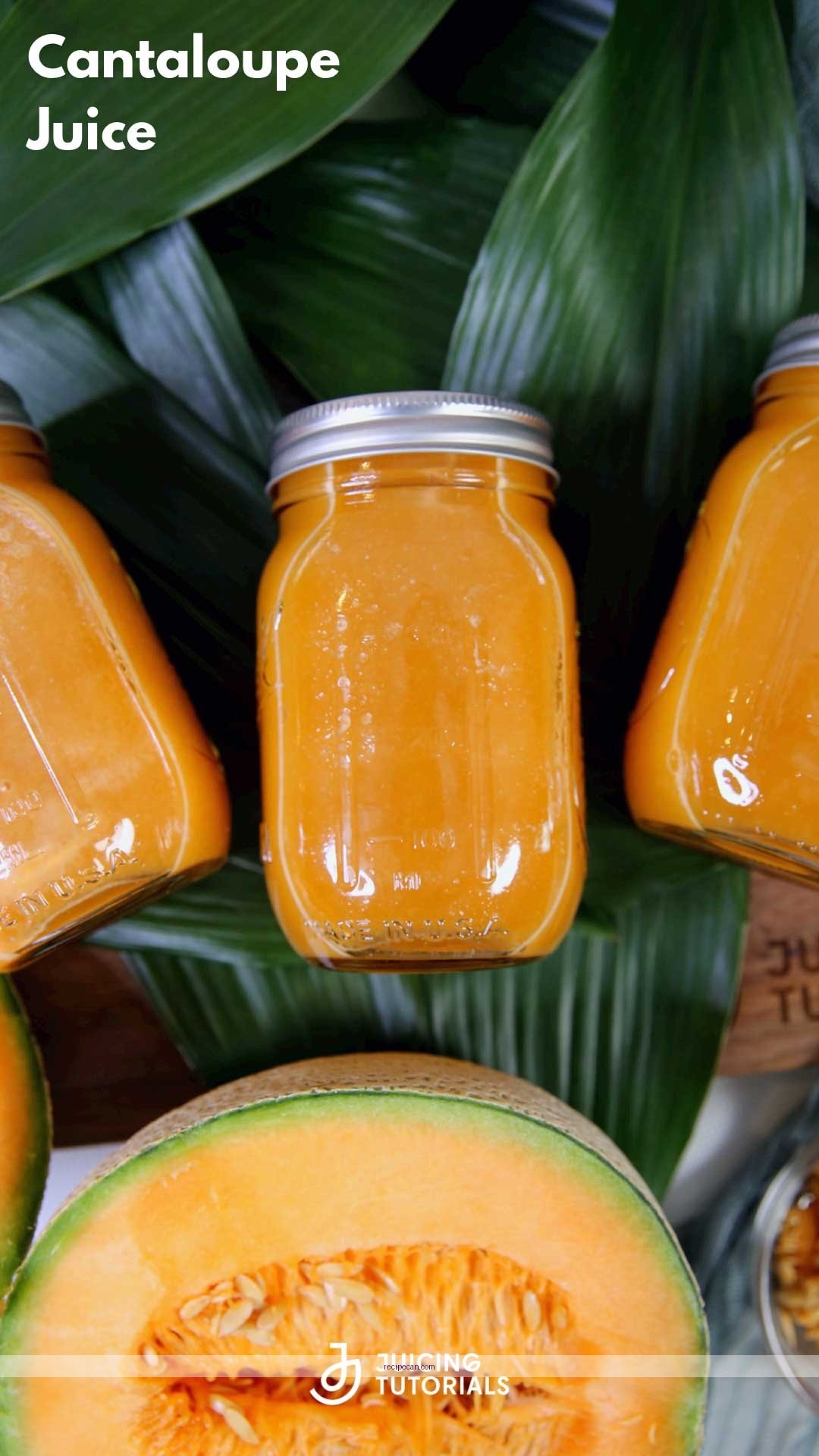
Discover the ultimate cantaloupe juice recipe that promises a refreshing burst of flavor with minimal effort. This simple guide reveals the best method to extract the sweet, hydrating essence of cantaloupe, making it the perfect beverage for hot summer days. Say goodbye to store-bought options and embrace a homemade drink that outshines the rest in taste and nutrition.
Start your day off right with a refreshing cantaloupe juice! This easy recipe will show you how to blend juicy cantaloupe into a delicious drink that’s perfect for warm days or a quick health boost. With just a few simple ingredients, you’ll be sipping on this vibrant, hydrating juice in no time!
Recipe Overview
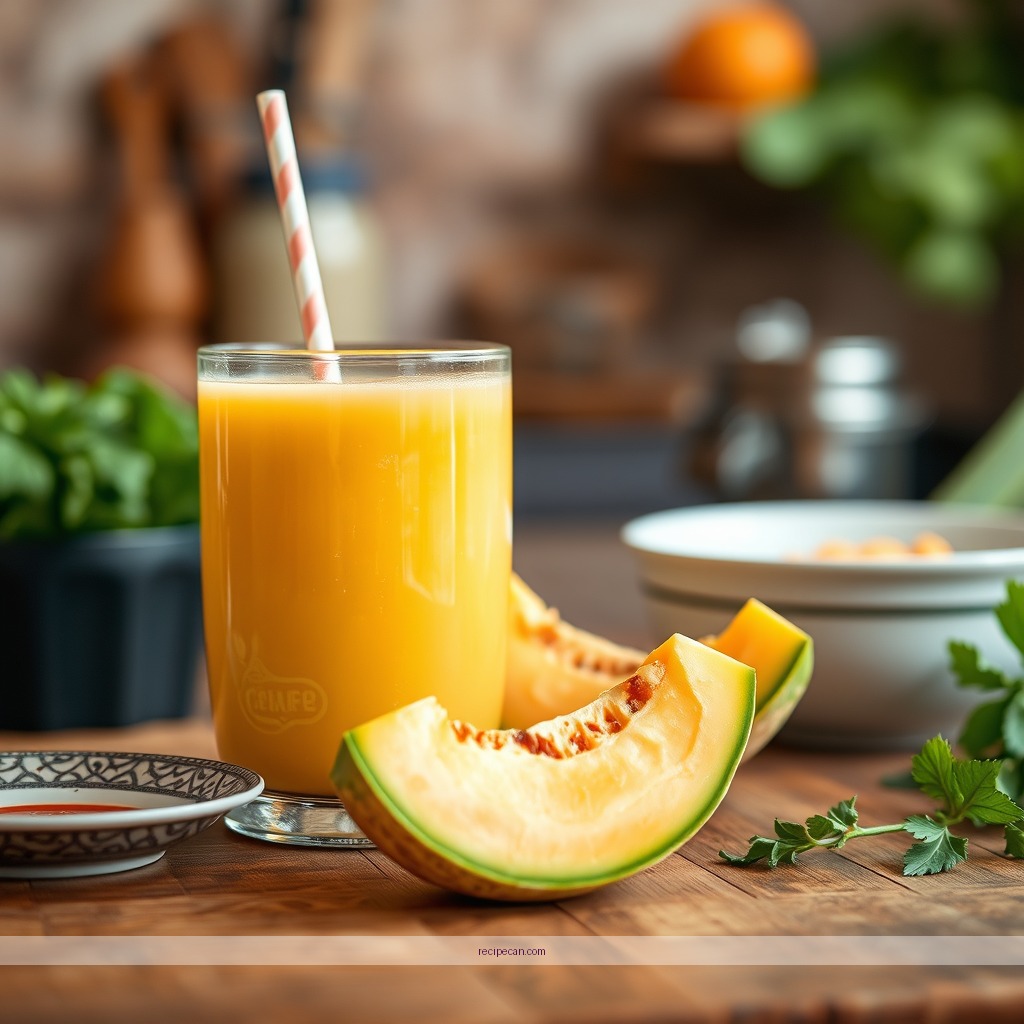
This cantaloupe juice is not only refreshing but also packed with vitamins and nutrients. Cantaloupe is rich in vitamins A and C, making this juice a delightful way to enjoy summer’s bounty while supporting your immune system and skin health. The bright, sweet flavor is appealing to all ages, making it an ideal treat for family gatherings or a quick breakfast boost. Best of all, it takes just minutes to make and serves about 2-4 people, making it both convenient and delicious.
Time Required
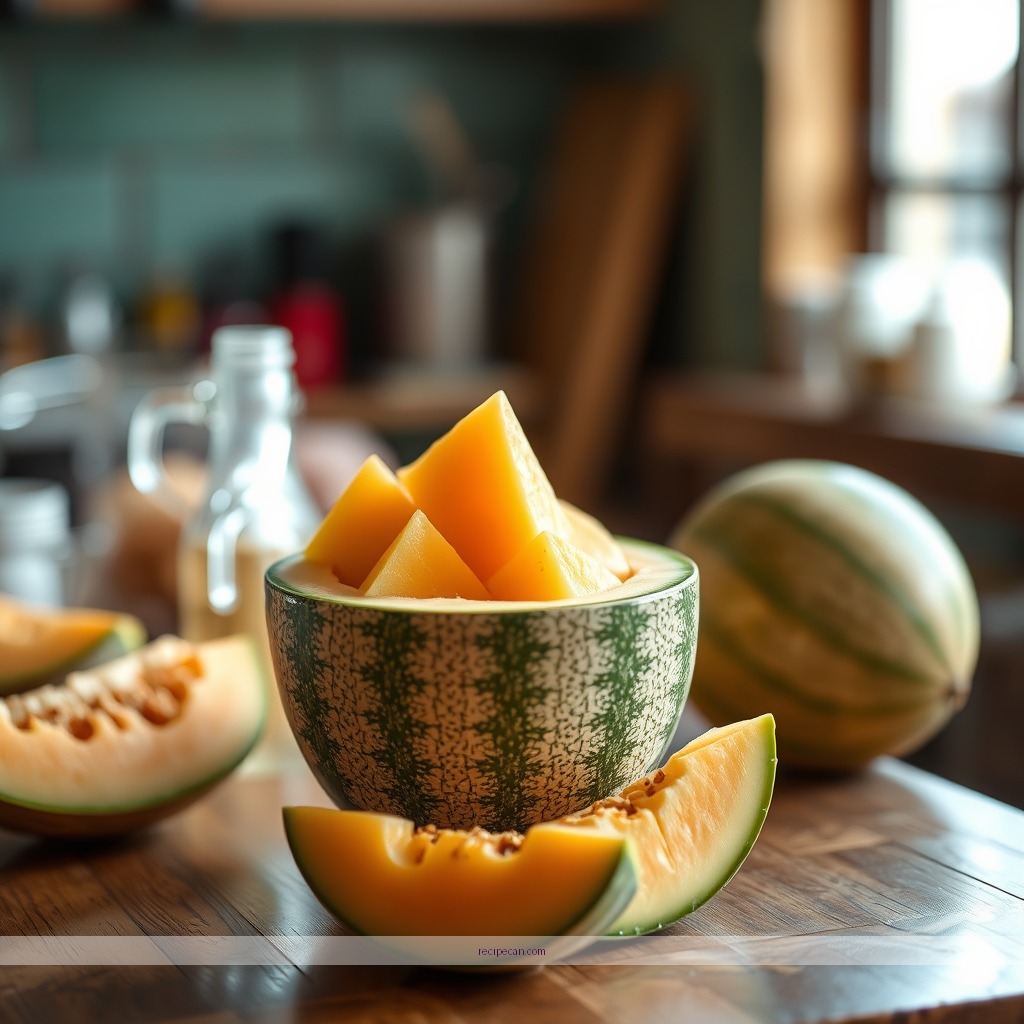
– 🕐 Prep Time : 10 minutes
– 🍳 Cook Time : 0 minutes
– ⏱ Total Time : 10 minutes
No need for any passive time here; this juice is ready to enjoy almost instantly!
Ingredients
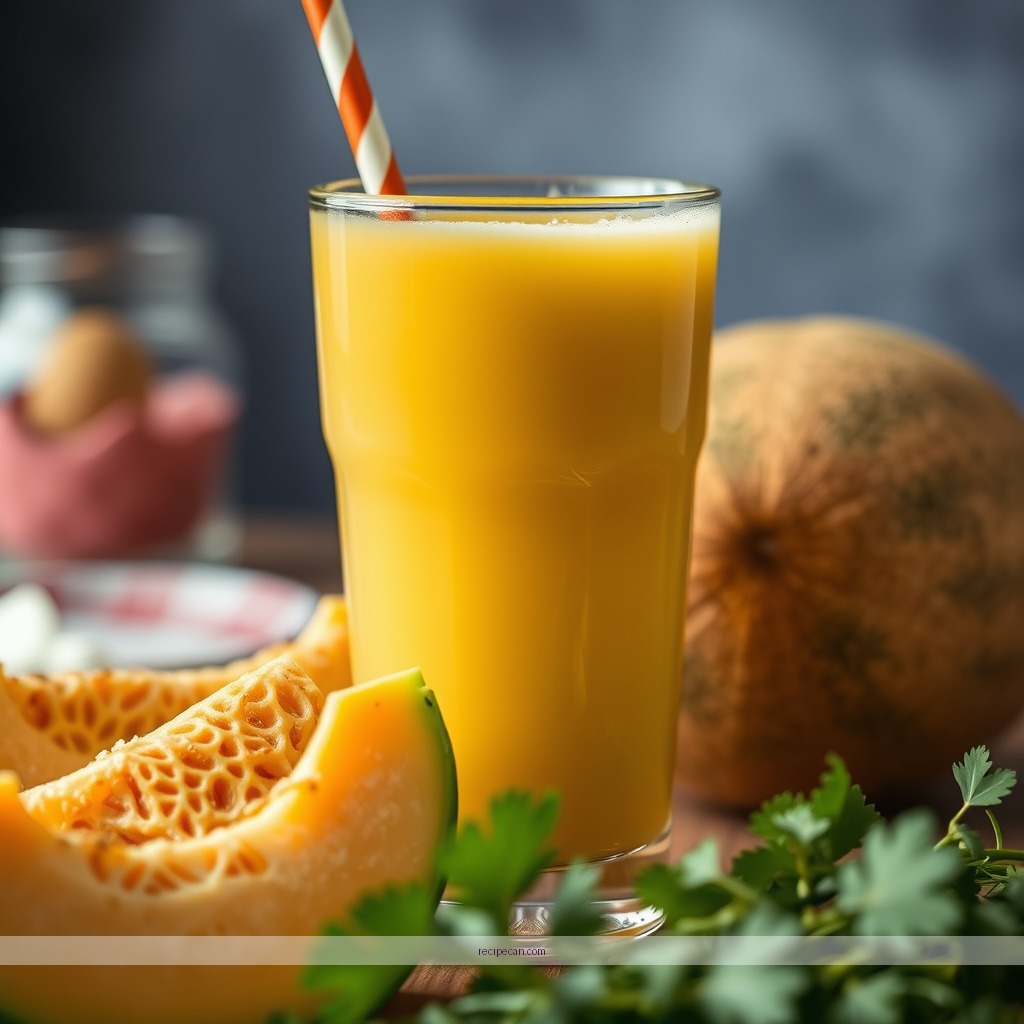
Cantaloupe is the star of this recipe, bringing natural sweetness and a vibrant color. When selecting your cantaloupe, look for one that feels heavy for its size, with a sweet aroma at the stem end—these are indicators of ripeness and flavor. You can also add a splash of lime for a zesty contrast or fresh mint leaves for an aromatic garnish.
Main Ingredients
– 1 medium ripe cantaloupe, peeled, seeded, and chopped
– 1-2 tablespoons of lime juice (optional)
– Fresh mint leaves for garnish (optional)
Step-by-Step Instructions

1. Start by slicing your cantaloupe in half. Use a spoon to scoop out the seeds, then peel the skin off carefully. Chop the flesh into smaller chunks to make blending easier.
2. Place the cantaloupe chunks into a blender. If you’re using lime juice, add it now; the acidity will enhance the natural sweetness of the cantaloupe.
3. Blend on high speed until smooth. If you prefer a thinner consistency, feel free to add a splash of cold water or ice cubes and blend again until you achieve your desired texture.
4. Taste your juice and adjust the sweetness or tartness as needed. You might find that the cantaloupe is sweet enough on its own, but if you want a little more zing, now’s the time to add additional lime juice. If you prefer a smoother texture, pour the juice through a fine mesh strainer to remove any pulp.
5. Serve your cantaloupe juice over ice in chilled glasses, garnished with fresh mint leaves for an extra refreshing touch.
Heat & Temperature Guide
Cooking Method
This juice is prepared using a blending method, which helps to maintain the freshness and nutrients of the cantaloupe.
Temperature & Timing
There are no specific temperatures to monitor, but serving the juice chilled enhances its refreshing quality.
How to Know It’s Done
The juice is ready when it reaches a smooth, consistent texture. If you can easily pour it and it tastes deliciously sweet and slightly tangy, you’ve nailed it!
What to Avoid & Precautions
Making cantaloupe juice is straightforward, but there are a few common pitfalls to keep in mind to ensure your juice is perfect.
Choosing an Unripe Cantaloupe
Using a cantaloupe that isn’t fully ripe will yield a less sweet and flavorful juice. Always check for ripeness—look for a slight give when you press the skin and a sweet aroma.
Over-blending
While blending is essential, overdoing it can lead to a frothy texture rather than a smooth juice. Blend just until smooth, and stop if you notice frothing.
Forgetting to Chill
Serving the juice warm can detract from its refreshing nature. Make sure to chill your glasses or serve the juice over ice for the best experience.
Common Mistakes & How to Fix Them
Even the simplest recipes can encounter hiccups. Here are some common mistakes and how to solve them:
Using Too Much Lime Juice
If you accidentally add too much lime juice, the juice can become overly tart. To fix this, add more cantaloupe or a touch of honey to balance the flavors.
Not Straining the Juice
If you prefer a smooth juice but skip the straining step, you may end up with a pulpy texture. If this happens, simply pour the juice through a fine mesh strainer or cheesecloth to achieve a smoother finish.
Allowing Leftovers to Sit Uncovered
If you leave the juice uncovered in the fridge, it can oxidize and lose its flavor. Always store it in an airtight container.
How to Serve
Plating & Presentation
Serve the cantaloupe juice in tall glasses filled with ice for a visually appealing presentation. Garnish with a sprig of mint and perhaps a slice of lime on the rim for added flair.
What Goes Well With It
This refreshing juice pairs wonderfully with light snacks such as crackers and cheese or a fresh fruit platter. It’s also a great post-workout refreshment to rehydrate after exercise.
Storage & Reheating
If you have any leftovers, store the juice in an airtight container in the refrigerator for up to 2 days. Just give it a good stir before serving again, as natural separation may occur.
Nutritional Benefits of Cantaloupe Juice (per 1 cup)
| # | Nutrient | Amount | % Daily Value |
|---|---|---|---|
| 1 | Vitamin A | 6,192 IU | 124% |
| 2 | Vitamin C | 65 mg | 72% |
| 3 | Potassium | 417 mg | 12% |
| 4 | Fiber | 1.4 g | 5% |
| 5 | Magnesium | 20 mg | 5% |
| 6 | Vitamin K | 2.5 mcg | 2% |
| 7 | Calories | 53 | 3% |
Enjoy this vibrant cantaloupe juice as a delightful pick-me-up or a refreshing addition to your meals. It’s simple, delicious, and full of health benefits! Grab a ripe cantaloupe and start blending today!
Frequently Asked Questions
What are the health benefits of drinking cantaloupe juice?
Cantaloupe juice is rich in vitamins A and C, which support skin health and boost the immune system. Additionally, it contains antioxidants that can help reduce inflammation and improve hydration due to its high water content. Drinking this refreshing juice can also aid in digestion and promote eye health.
How do I make cantaloupe juice from scratch?
To make cantaloupe juice, start by selecting a ripe cantaloupe, cutting it in half, and scooping out the seeds. Then, scoop the flesh into a blender, add a splash of water or lemon juice for extra flavor, and blend until smooth. Strain the mixture through a fine mesh sieve if you prefer a smoother texture, and serve chilled.
Why should I use fresh cantaloupe instead of canned for juice?
Fresh cantaloupe retains more nutrients and natural flavor compared to canned options, which may contain added sugars and preservatives. Using fresh fruit ensures that your cantaloupe juice is healthier and more vibrant in taste. Additionally, fresh cantaloupe allows you to control the sweetness and overall flavor profile of your juice.
What are the best combinations to mix with cantaloupe juice?
Cantaloupe juice pairs wonderfully with citrus fruits like orange or lime, which enhance its sweetness and add a zesty kick. You can also mix it with mint for a refreshing twist or combine it with other fruits such as watermelon or pineapple for a tropical flavor. Experimenting with herbs like basil can also create a unique and delicious blend.
Which kitchen tools do I need to make cantaloupe juice easily?
To make cantaloupe juice, you will need a sharp knife for cutting the cantaloupe, a cutting board, and a blender for blending the fruit. A fine mesh strainer or cheesecloth is helpful if you prefer a smoother juice without pulp. Optionally, a citrus juicer can be used for any added citrus ingredients to enhance the flavor of your juice.
References
- Cantaloupe
https://en.wikipedia.org/wiki/Cantaloupe - Sex/gender bias in the management of chest pain in ambulatory care – PMC
https://www.ncbi.nlm.nih.gov/pmc/articles/PMC6300868/ - Calcium Homeostasis: A Potential Vicious Cycle of Bone Metastasis in Breast Cancers – PMC
https://www.ncbi.nlm.nih.gov/pmc/articles/PMC7076168/ - https://www.sciencedirect.com/topics/agricultural-and-biological-sciences/cantaloupe
https://www.sciencedirect.com/topics/agricultural-and-biological-sciences/cantaloupe - https://www.cdc.gov/nutrition/foodbasics/fruit.html
https://www.cdc.gov/nutrition/foodbasics/fruit.html - https://www.mayoclinic.org/healthy-lifestyle/nutrition-and-healthy-eating/in-depth/juicing/art-20046964
https://www.mayoclinic.org/healthy-lifestyle/nutrition-and-healthy-eating/in-depth/juicing/art-20046964 - https://www.healthline.com/nutrition/cantaloupe-benefits
https://www.healthline.com/nutrition/cantaloupe-benefits - https://www.bbc.com/food/recipes/cantaloupe_and_mint_30041
https://www.bbc.com/food/recipes/cantaloupe_and_mint_30041 - Google Scholar Google Scholar
https://scholar.google.com/scholar?q=cantaloupe+juice+recipe - Google Scholar Google Scholar
https://scholar.google.com/scholar?q=cantaloupe+nutrition+benefits