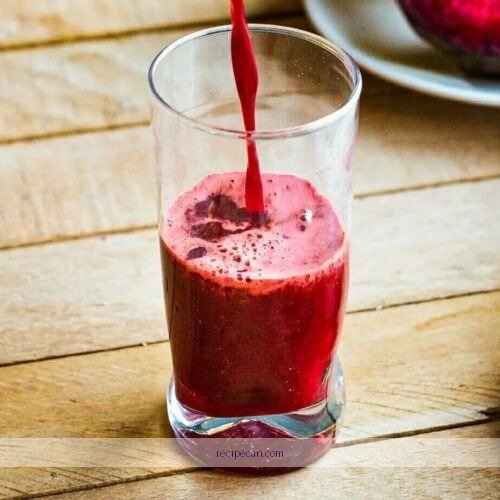
The easy snake juice recipe is your best bet for ultimate hydration, especially during intense workouts or fasting. This electrolyte-rich drink combats dehydration effectively, ensuring you maintain peak performance and energy levels. Discover how to mix this refreshing concoction in simple steps that anyone can follow. Stay hydrated and energized with this straightforward solution.
To create the ultimate hydration solution, snake juice combines water with essential electrolytes like potassium and magnesium. This refreshing drink is particularly beneficial for those engaging in fasting or intense physical activity, as it helps replenish vital minerals lost during these processes. With just a few simple ingredients, you can whip up an energizing beverage that not only quenches your thirst but also supports your body’s electrolyte balance. Let’s dive into how you can make this revitalizing drink in your own kitchen.
Recipe Overview

Snake juice is an electrolyte-rich beverage that has gained popularity among fitness enthusiasts and those practicing intermittent fasting. Its simplicity and effectiveness in replenishing lost minerals make it a go-to drink for many. With only a handful of ingredients, this recipe is designed to serve about 4 cups, which is perfect for enjoying throughout the day or sharing with friends. The balance of flavors and nutrients makes it a delightful way to stay hydrated.
Time Required

– 🕐 Prep Time : 10 minutes
– 🍳 Cook Time : 0 minutes (no cooking involved)
– ⏱ Total Time : 10 minutes
Ingredients

The key to a successful snake juice lies in the quality of its ingredients. Opting for high-quality salts and fresh additives can dramatically improve flavor and health benefits. Here’s what you’ll need:
Main Ingredients
– 4 cups of filtered water: Room temperature is preferable for easier mixing.
– 1/2 teaspoon of Himalayan pink salt: This salt is rich in minerals and provides a pleasant flavor.
– 1/2 teaspoon of potassium chloride: Also known as a salt substitute, it helps maintain potassium levels.
– 1/4 teaspoon of magnesium citrate powder: This is crucial for muscle function and overall hydration.
– Optional: A splash of lemon juice for added flavor and Vitamin C.
Step-by-Step Instructions

1. Start by measuring out 4 cups of filtered water. Ensure the water is at room temperature, as this helps the ingredients mix more easily.
2. In a large pitcher, add 1/2 teaspoon of Himalayan pink salt and 1/2 teaspoon of potassium chloride. Stir gently until both dissolve completely in the water. This step is crucial for achieving a smooth drink without any gritty texture.
3. Next, sprinkle in 1/4 teaspoon of magnesium citrate powder. Mix well to ensure it is evenly distributed throughout the liquid. This will enhance the drink’s nutritional profile.
4. If you’d like a refreshing zing, add a splash of lemon juice. This not only boosts flavor but also introduces a dose of Vitamin C, making your snake juice even healthier. Stir again to mix.
5. Taste your snake juice and adjust the flavors as needed. You can add more lemon juice or a pinch more salt depending on your preference. This is the step that allows you to customize your drink to suit your taste.
Heat & Temperature Guide
Cooking Method
This recipe is all about mixing ingredients rather than cooking. The focus is on ensuring that all powders dissolve fully for a smooth and enjoyable beverage.
Temperature & Timing
– No heat is involved; simply mix at room temperature to keep the drink refreshing.
How to Know It’s Done
Your snake juice is ready when all ingredients have fully dissolved and you’ve achieved your desired taste. The clarity of the liquid without visible particles indicates that it’s well-mixed.
What to Avoid & Precautions
Creating snake juice is straightforward, yet there are a few common pitfalls that can affect your experience.
Overly Salty Flavor
Using too much salt can make the drink unpalatable. Always measure carefully and adjust ingredients incrementally to maintain a balanced flavor.
Inadequate Mixing
If the powders aren’t fully dissolved, you may encounter an unpleasant texture. Thorough mixing is essential for the best results, so don’t rush this part.
Common Mistakes & How to Fix Them
Using Regular Table Salt
Choosing regular table salt instead of Himalayan salt can alter both the taste and mineral content of your snake juice. Stick to Himalayan or sea salt for the best flavor and health benefits.
Skipping the Taste Test
Failing to taste before serving can lead to a drink that’s too salty or bland. Always sample your creation and adjust the flavors accordingly for the best experience.
Not Storing Properly
If you make a larger batch, be sure to store any leftovers in a sealed container in the refrigerator. The drink can settle, so give it a good shake before serving again.
How to Serve
Plating & Presentation
Serve your snake juice chilled in a glass or pitcher, perhaps with ice cubes for a refreshing touch. Garnishing with a slice of lemon can add a nice visual element.
What Goes Well With It
This hydrating drink pairs wonderfully with light snacks such as nuts, seeds, or fresh fruits. It’s particularly enjoyable during fasting periods or after workouts when your body is in need of replenishment.
Serving Temperature
Enjoy your snake juice cold or at room temperature. It’s refreshing either way, making it a versatile choice.
Storage & Reheating
Store any leftovers in the fridge for up to 2 days. Before serving, shake or stir the mixture, as the ingredients may settle over time.
In conclusion, making your own snake juice is a simple yet effective way to enhance hydration and maintain electrolyte balance. With a few quality ingredients and minimal preparation time, you can create a delicious drink that supports your wellness routine. Enjoy making your snake juice, and feel the revitalizing benefits it brings to your daily hydration needs!
Frequently Asked Questions
What is a snake juice recipe and what are its benefits?
A snake juice recipe is a mixture designed to replenish electrolytes during fasting or low-carb diets, particularly popularized in the fasting community. It typically includes water, salt, potassium chloride, and magnesium, helping to maintain hydration and mineral balance, which can alleviate symptoms like fatigue and headaches during fasting periods.
How do you make snake juice at home?
To make snake juice at home, combine 1 liter of water with 1/2 teaspoon of Himalayan pink salt, 1/2 teaspoon of potassium chloride (often found in salt substitutes), and 1/4 teaspoon of magnesium sulfate (Epsom salt). Stir well until the salts are completely dissolved, and your homemade snake juice is ready to keep you hydrated and energized.
Why is snake juice popular among intermittent fasters?
Snake juice is popular among intermittent fasters because it helps manage electrolyte levels while on a fasting regimen, reducing the risk of fatigue and “keto flu” symptoms. By providing essential minerals without calories, it enables individuals to maintain their fasting goals while supporting overall health.
What are the best variations of snake juice for added flavor?
The best variations of snake juice for added flavor include infusing it with lemon or lime juice, which adds a refreshing citrus taste while also providing vitamin C. Additionally, you can experiment with herbal teas or flavored electrolyte powders that are low in calories to enhance the taste without compromising the benefits.
Which ingredients should I avoid when making snake juice?
When making snake juice, avoid using regular table salt, as it often contains additives like anti-caking agents that may not provide the same health benefits as natural salts. Additionally, steer clear of any sweeteners or high-calorie flavorings that could interfere with the fasting process and lead to unwanted insulin spikes.
References
- Electrolyte
https://en.wikipedia.org/wiki/Electrolyte_solution - Effect of Red, Processed, and White Meat Consumption on the Risk of Gastric Cancer: An Overall an…
https://www.ncbi.nlm.nih.gov/pmc/articles/PMC6520977/ - C1 Esterase Inhibitor Deficiency(Archived) – StatPearls – NCBI Bookshelf
https://www.ncbi.nlm.nih.gov/books/NBK538166/ - Impact of Smoking Exposure Change on Infant Birth Weight Among a Cohort of Women in a Prenatal Sm…
https://www.ncbi.nlm.nih.gov/pmc/articles/PMC3611991/ - Page Not Found – Site Help – Mayo Clinic
https://www.mayoclinic.org/healthy-lifestyle/nutrition-and-healthy-eating/expert-answers/electrolyte-drinks/faq-20057852 - https://www.sciencedirect.com/topics/medicine-and-dentistry/electrolyte-drink
https://www.sciencedirect.com/topics/medicine-and-dentistry/electrolyte-drink - https://www.who.int/news-room/fact-sheets/detail/electrolytes
https://www.who.int/news-room/fact-sheets/detail/electrolytes - https://www.cdc.gov/nutrition/resources-publications/healthy-weight/electrolytes.html
https://www.cdc.gov/nutrition/resources-publications/healthy-weight/electrolytes.html - Google Scholar Google Scholar
https://scholar.google.com/scholar?q=snake+juice+recipe - Google Scholar Google Scholar
https://scholar.google.com/scholar?q=electrolyte+solution+recipe