
This refreshing orange juice recipe proves that making your own juice at home is the best choice for flavor and freshness. With just a few simple steps, you can transform ripe oranges into a vibrant drink that outshines store-bought options. Discover how to achieve the perfect balance of sweetness and acidity, ensuring each sip is a burst of sunshine. Say goodbye to preservatives and hello to pure, homemade goodness.
Making your own orange juice at home is not only easy but also yields an incredibly fresh and delicious drink that outshines any store-bought version. With just a handful of ripe oranges and a few simple steps, you can create a vibrant, vitamin-packed beverage that’s perfect for breakfast or a refreshing afternoon pick-me-up. This guide will walk you through an easy orange juice recipe that captures the essence of sunny days in each glass.
Recipe Overview

Freshly squeezed orange juice is a staple of breakfast tables around the world, cherished for its bright flavor and nutritional benefits. This recipe is not just straightforward; it’s also a great opportunity to enjoy the full taste of premium oranges. You’ll need minimal equipment and ingredients, making it accessible for everyone. This recipe serves 2-4 people, ensuring that you have enough juice to share or enjoy throughout the day.
Time Required

– 🕐 Prep Time: 10 minutes
– 🍳 Cook Time: 0 minutes
– ⏱ Total Time: 10 minutes
Ingredients
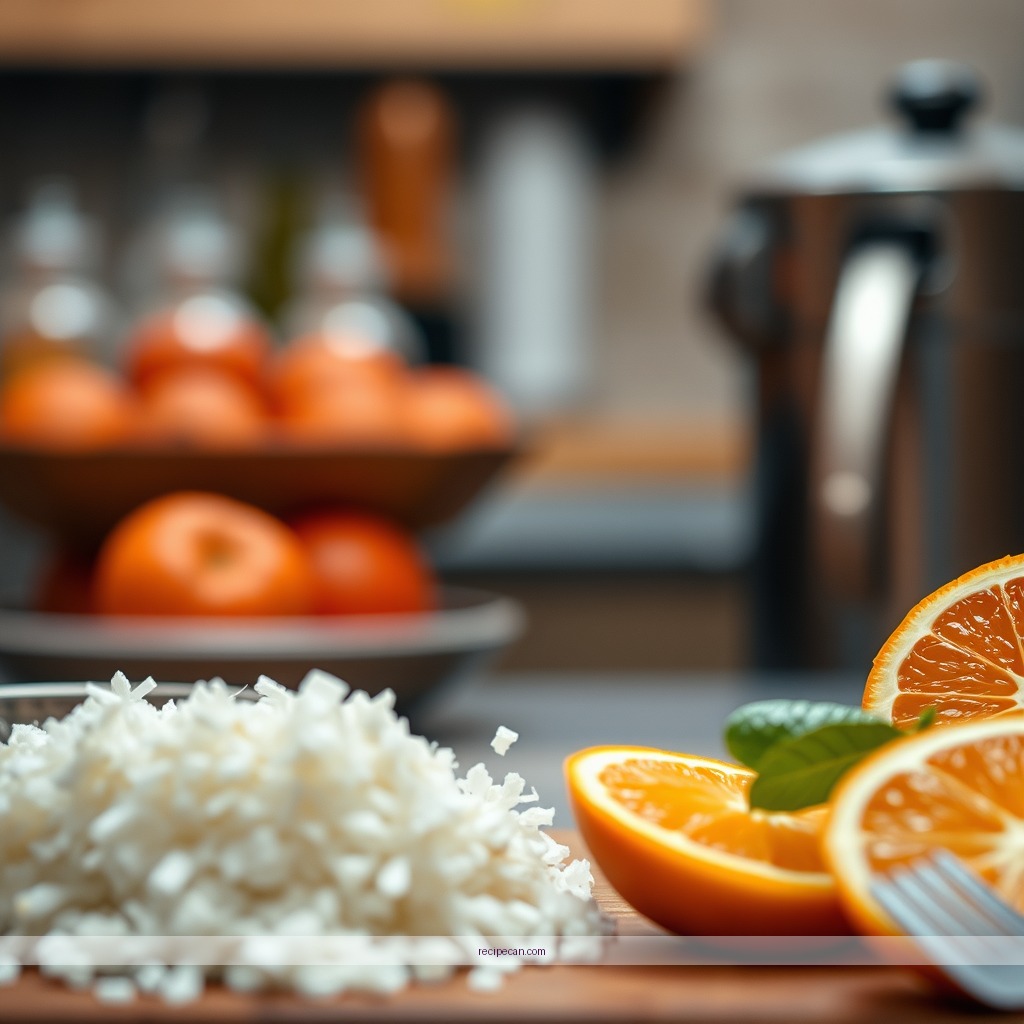
The secret to exceptional orange juice lies in the quality of your oranges. Opt for fresh, ripe oranges that feel heavy for their size, indicating juiciness. While this recipe is delicious as is, consider adding a touch of sweetness or a pinch of salt to enhance the flavor profile.
Main Ingredients
– 4-6 large oranges (about 2-3 per serving)
– Optional: 1-2 tablespoons of sugar or honey (to taste)
– Optional: A pinch of salt (to enhance flavor)
Step-by-Step Instructions

1. Wash the Oranges: Begin by rinsing the oranges under cold water to remove any dirt or wax. This step is crucial for ensuring your juice is as clean and fresh as possible.
2. Cut the Oranges: Slice each orange in half horizontally. This will allow for easier juicing and maximizes the amount of juice you can extract.
3. Juicing: Use a manual juicer or an electric juicer to press the juice from the orange halves. If you don’t have a juicer, simply squeeze the halves over a bowl to collect the juice.
4. Strain (Optional): If you prefer a smoother, pulp-free juice, strain the juice through a fine mesh sieve to eliminate any pulp or seeds.
5. Sweeten (Optional): Taste your juice and adjust the sweetness by stirring in sugar or honey if desired. For a more complex flavor, a pinch of salt can also be added.
6. Serve: Pour the freshly squeezed juice into chilled glasses and enjoy immediately to savor the best flavors.
Heat & Temperature Guide
Cooking Method
This recipe does not require cooking, making it a fantastic option for a quick, nutritious beverage. The freshness of the fruit shines through without any additional heat or processing.
How to Know It’s Done
The juice is ready as soon as it’s extracted. You should see a vibrant orange color, and it should smell sweet and citrusy, providing a refreshing aroma that immediately indicates its freshness.
What to Avoid & Precautions
Making orange juice is generally straightforward, but there are a few common pitfalls to be aware of:
Using Old Oranges
Avoid using overripe or damaged oranges, as they can impart a sour or off taste to your juice. Always choose firm, fresh oranges for the best flavor.
Over-Sweetening
It’s easy to add too much sugar or honey. Start with a small amount, taste, and adjust gradually to avoid overpowering the natural sweetness of the oranges.
Common Mistakes & How to Fix Them
Not Using Fresh Oranges
One of the most significant mistakes is using old or inferior-quality oranges. This can lead to a bland juice. Always use fresh, juicy oranges, and if unsure, ask at your local market for the best available.
Over-Sweetening
It’s tempting to pour in lots of sugar or honey, but this can mask the fresh taste. Always add sweeteners gradually, tasting as you go.
How to Serve
Plating & Presentation
Serve your orange juice in chilled glasses to enhance the refreshing experience. You can garnish with a slice of orange on the rim or a sprig of mint for a visually appealing touch.
What Goes Well With It
Fresh orange juice pairs wonderfully with breakfast items like pancakes, eggs, or a simple yogurt parfait. It’s also a great accompaniment to light salads or seafood dishes for lunch.Serving Temperature
Fresh orange juice is best served immediately at cool temperatures. If you have leftovers, store them in an airtight container in the refrigerator.
Storage & Reheating
While fresh orange juice tastes best right after making it, you can store it in the fridge for up to 24 hours. Just give it a gentle stir before serving again, as some separation may occur.
Top 7 Orange Varieties for Juicing
| # | Orange Variety | Juice Yield (%) | Taste Profile | Best For |
|---|---|---|---|---|
| 1 | Navel | 50% | Sweet, Juicy | Fresh Juice |
| 2 | Valencia | 60% | Sweet, Tangy | Juicing |
| 3 | Blood Orange | 45% | Sweet, Berry-like | Unique Flavor |
| 4 | Mandarin | 40% | Sweet, Mild | Kids’ Favorite |
| 5 | Clementine | 35% | Very Sweet | Snack & Juice |
| 6 | Tangerine | 30% | Sweet, Slightly Tart | Casual Drink |
| 7 | Bergamot | 25% | Floral, Citrusy | Infusions |
In summary, making fresh orange juice at home is a simple and rewarding process that allows you to enjoy the natural sweetness and tanginess of ripe oranges. With just a few steps and ingredients, you can create a delicious drink that can brighten your day. Whether you enjoy it for breakfast or as a refreshing treat, this homemade orange juice is sure to impress. So grab some fresh oranges and start juicing — your taste buds will thank you!
Frequently Asked Questions
What is the best way to make fresh orange juice at home?
The best way to make fresh orange juice at home is to start with ripe, juicy oranges. Use a citrus juicer or a hand-held reamer to extract the juice, ensuring you press firmly to get the maximum yield. For a smoother texture, strain the juice to remove pulp and seeds, and serve it chilled for the best flavor.
How can I enhance the flavor of my orange juice?
To enhance the flavor of your orange juice, consider adding a splash of lemon or lime juice for acidity, which brightens the taste. You can also mix in a bit of grated ginger for a spicy kick or add fresh mint leaves for a refreshing twist. Experimenting with other fruits, like pineapple or strawberries, can create a delicious fruit blend.
Why does homemade orange juice taste different from store-bought?
Homemade orange juice often tastes different from store-bought varieties because it is fresh and lacks preservatives, which can alter flavor. Additionally, store-bought juice might be processed and may contain added sugars or flavorings that change the taste. Freshly squeezed juice captures the natural sweetness and acidity of the oranges, providing a vibrant and pure flavor profile.
Which oranges are best for making juice?
The best oranges for making juice are Valencia and Navel oranges, as they are known for their high juice content and sweet flavor. Valencia oranges are particularly popular for juicing due to their rich, tangy taste, while Navel oranges provide a sweeter option. Always choose oranges that are firm and heavy for their size, indicating juiciness.
What are some tips for storing homemade orange juice?
To store homemade orange juice, keep it in an airtight container in the refrigerator and consume it within 2-3 days for the best flavor and nutrient retention. For longer storage, consider freezing the juice in ice cube trays and transferring the cubes to a freezer bag, allowing you to enjoy fresh orange juice whenever needed. Avoid exposing the juice to light and air to minimize oxidation.
References
- Orange juice
https://en.wikipedia.org/wiki/Orange_juice - Extreme pathway analysis reveals the organizing rules of metabolic regulation – PMC
https://www.ncbi.nlm.nih.gov/pmc/articles/PMC6363282/ - Operation spinal cord regeneration: Patterning information residing in extracellular matrix glyco…
https://www.ncbi.nlm.nih.gov/pmc/articles/PMC7010577/ - https://www.mayoclinic.org/healthy-lifestyle/nutrition-and-healthy-eating/expert-answers/orange-juice-health-benefits/faq-20058360
https://www.mayoclinic.org/healthy-lifestyle/nutrition-and-healthy-eating/expert-answers/orange-juice-health-benefits/faq-20058360 - https://www.sciencedirect.com/topics/agricultural-and-biological-sciences/orange-juice
https://www.sciencedirect.com/topics/agricultural-and-biological-sciences/orange-juice - https://pubmed.ncbi.nlm.nih.gov/?term=orange+juice+recipe
https://pubmed.ncbi.nlm.nih.gov/?term=orange+juice+recipe - Google Scholar Google Scholar
https://scholar.google.com/scholar?q=orange+juice+recipe - Google Scholar Google Scholar
https://scholar.google.com/scholar?q=orange+juice+health+benefits - https://www.verywellfit.com/orange-juice-nutrition-facts-4176931
https://www.verywellfit.com/orange-juice-nutrition-facts-4176931 - orange juice recipe – Search results
https://en.wikipedia.org/wiki/Special:Search?search=orange+juice+recipe