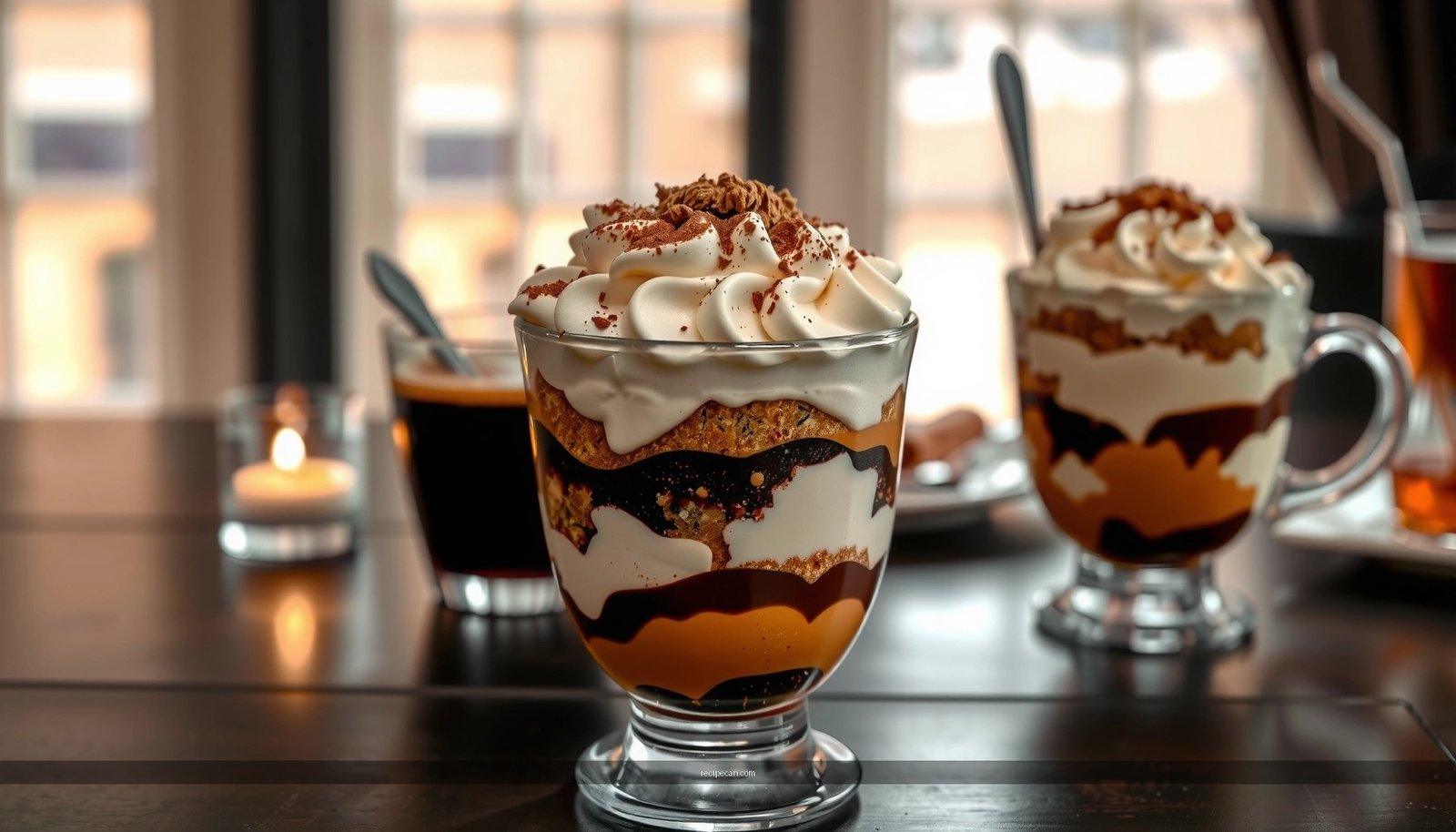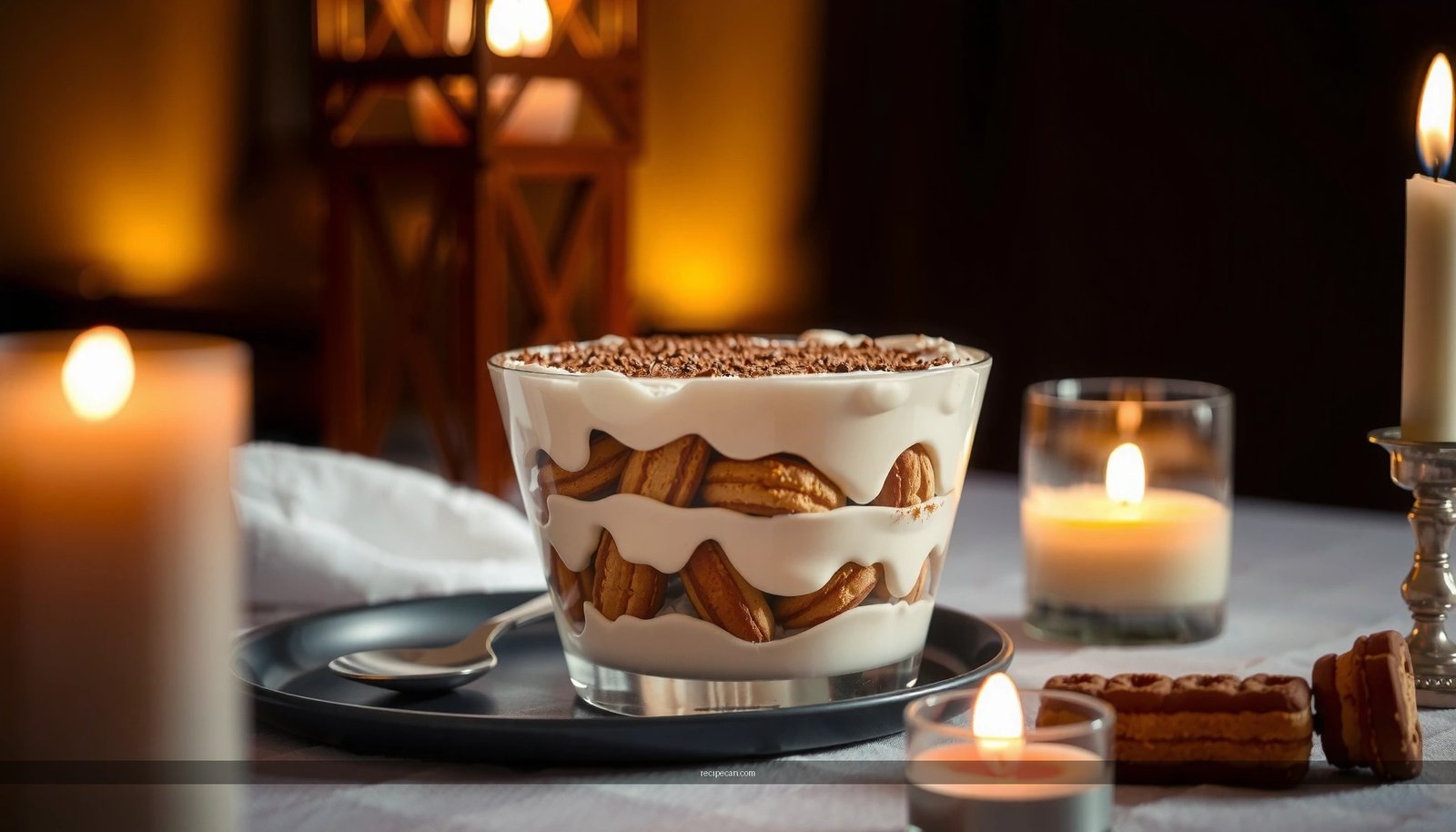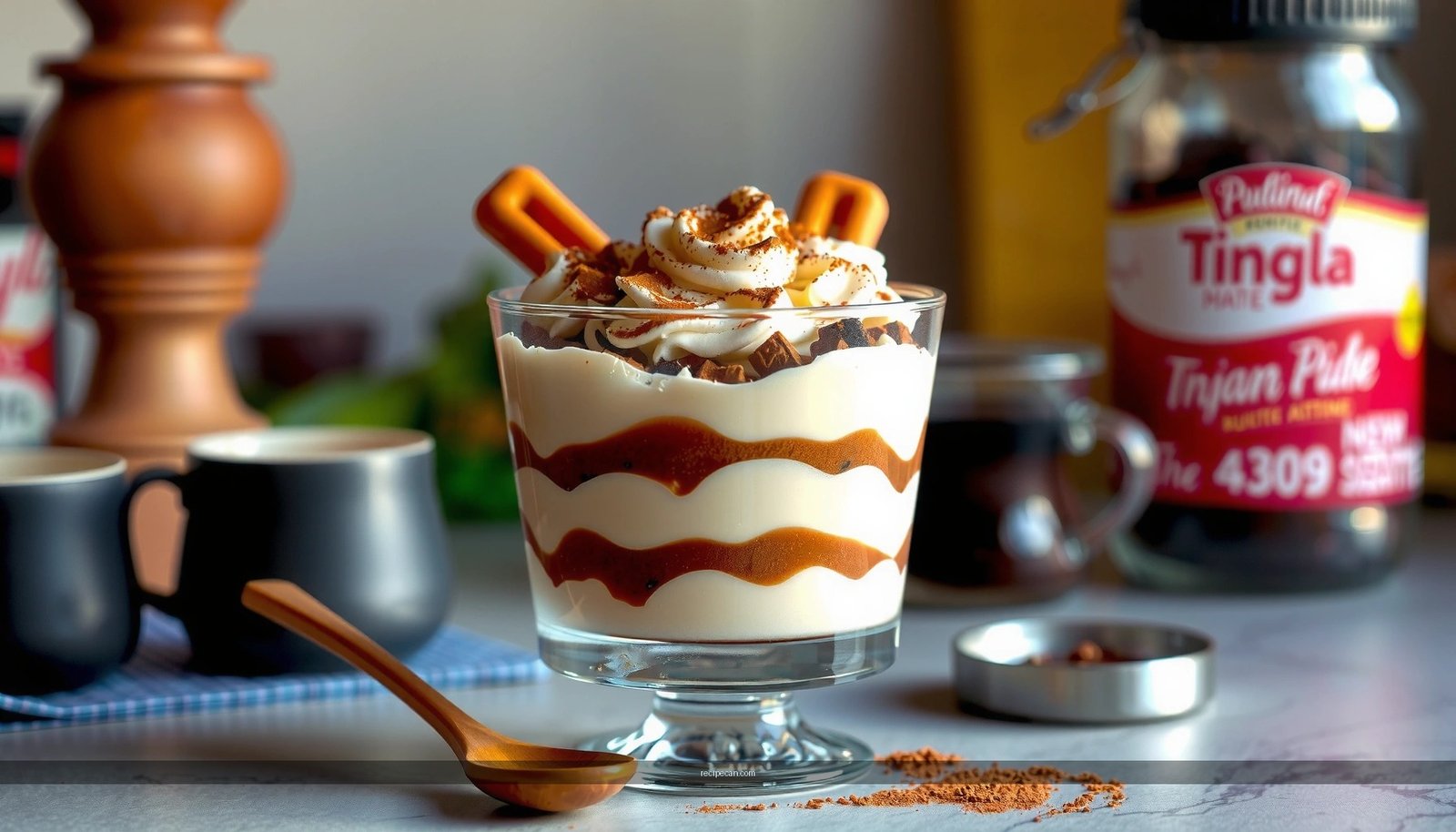
This easy custard recipe for trifle stands out as the best choice for achieving a rich, creamy texture that perfectly complements layers of fruit and sponge. By following simple steps and using common ingredients, you can create a custard that elevates your dessert to new heights. Say goodbye to store-bought options—this homemade version guarantees freshness and flavor that will impress your guests.
Making a delicious custard for your trifle is straightforward and rewarding! This creamy custard adds a luscious layer to your dessert, enhancing the flavors of fruits and sponge. In just a few simple steps, you’ll have a rich custard that will impress your guests and elevate your trifle to the next level.
Recipe Overview
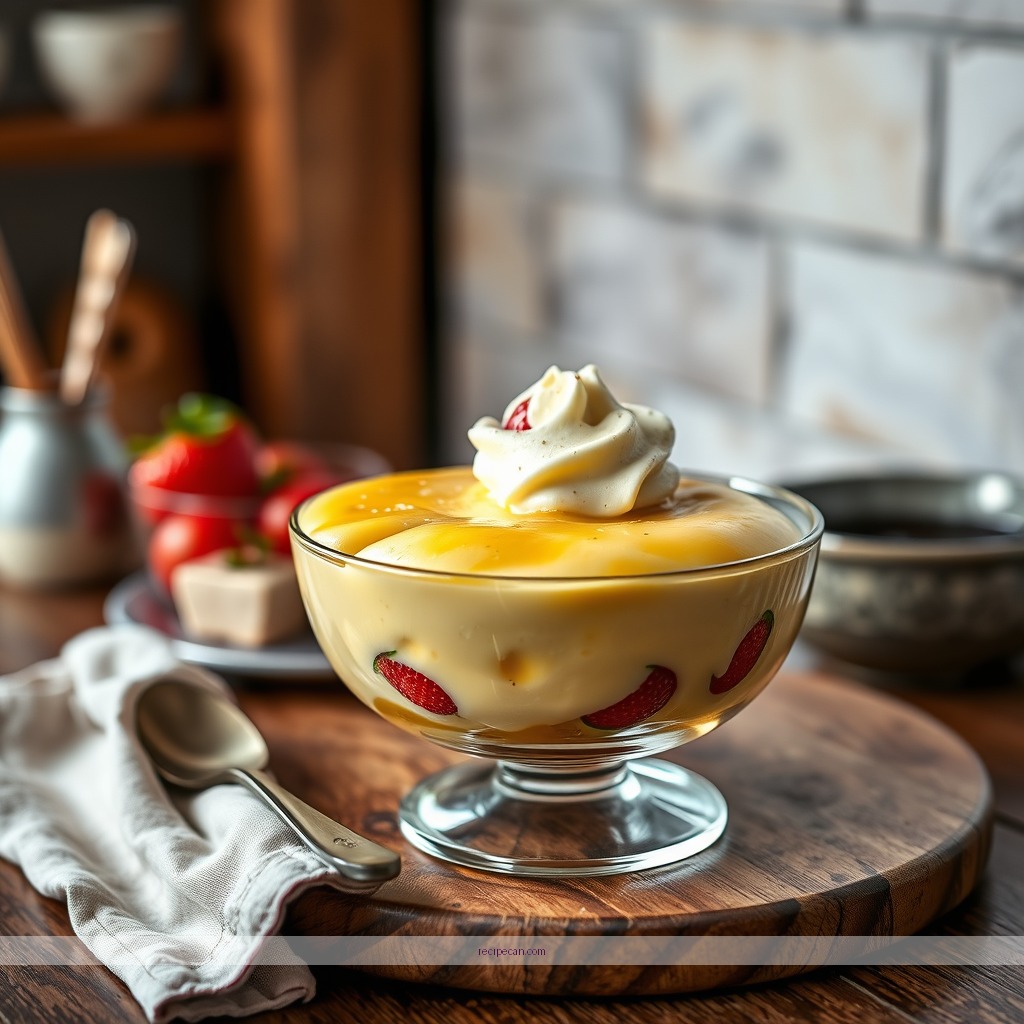
This custard is the perfect base for any trifle, combining a smooth texture and rich flavor that pairs beautifully with layers of cake and fruit. It’s surprisingly easy to make, and with this recipe, you can serve up to 6 people. Whether you’re preparing for a festive occasion or just a family treat, this custard will surely be a hit. Rich in flavor and versatile, it can also be enjoyed on its own or with a sprinkle of nutmeg or chocolate shavings for an extra touch of indulgence.
Time Required
– 🕐 Prep Time : 10 minutes
– 🍳 Cook Time : 15 minutes
– ⏱ Total Time : 25 minutes
Ingredients
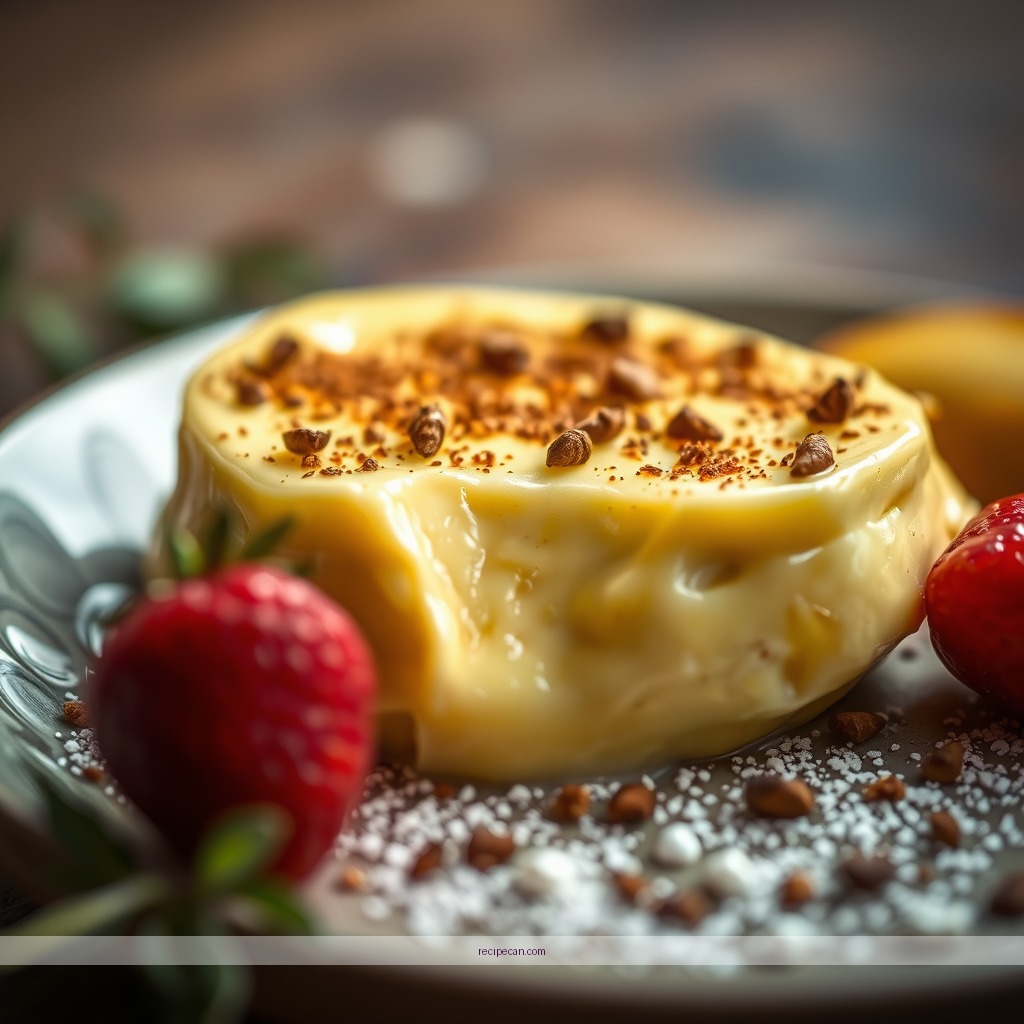
The key to a great custard is using fresh ingredients, especially eggs and vanilla. This custard is simple but rich, making it an essential part of your trifle. You can easily substitute whole milk with cream for a richer taste if you like. Fresh ingredients enhance the flavor profile, ensuring a delightful experience in every bite.
Main Ingredients
– 2 cups whole milk
– 4 large egg yolks
– 1/2 cup granulated sugar
– 2 tablespoons cornstarch
– 1 teaspoon vanilla extract
– Pinch of salt
Step-by-Step Instructions

1. In a medium saucepan, whisk together the egg yolks, sugar, and cornstarch until smooth. This will create a thick base for your custard.
2. Gradually add the milk to the egg mixture while continuously whisking. This ensures that the eggs don’t scramble, and the mixture stays smooth.
3. Place the saucepan over medium heat and cook, stirring constantly, until the mixture thickens and starts to bubble. It should coat the back of a spoon, indicating it’s ready.
4. Remove from heat and stir in the vanilla extract and a pinch of salt. This final touch adds depth to the flavor and enhances the overall taste.
5. Allow the custard to cool slightly before using it in your trifle, or cover it with plastic wrap to prevent a skin from forming. Cooling ensures a perfect texture for layering.
Nutritional Information for Easy Custard (Per Serving)
| Nutrient | Amount | % Daily Value |
|---|---|---|
| Calories | 180 | 9% |
| Total Fat | 8g | 10% |
| Saturated Fat | 5g | 25% |
| Cholesterol | 150mg | 50% |
| Sodium | 90mg | 4% |
| Total Carbohydrates | 22g | 8% |
| Dietary Fiber | 0g | 0% |
| Sugars | 17g | 18% |
| Protein | 4g | 8% |
| Vitamin D | 2mcg | 10% |
Heat & Temperature Guide
Cooking Method
The custard is prepared using gentle stovetop cooking, which allows for careful control over the heat. This method is essential to achieve the smooth consistency characteristic of a well-made custard.
Temperature & Timing
Cook the custard over medium heat, maintaining a temperature range of 70°C to 80°C (158°F to 176°F). This ensures that the custard thickens without curdling.
How to Know It’s Done
You’ll know the custard is finished when it thickens enough to coat the back of a spoon and leaves a clear trail when you run your finger through it. The mixture should be smooth and glossy, with no visible lumps.
What to Avoid & Precautions
Making custard can be intimidating, but knowing common pitfalls can help you achieve perfect results. With a few tips, you’ll avoid the most frequent mistakes.
Overcooking the Custard
The custard can curdle if cooked too long. To avoid this, keep the heat on medium and stir constantly until just thickened. If you see small lumps forming, immediately remove it from the heat.
Lumpy Custard
This happens when the egg yolks cook too quickly. To prevent lumps, always whisk the milk in slowly and keep stirring. If lumps do form, you can strain the custard through a fine sieve to achieve a smooth texture.
Not Using Fresh Ingredients
Using older eggs or milk can affect the flavor and texture of your custard. Always use fresh ingredients for the best results, especially when dealing with such a simple recipe.
Common Mistakes & How to Fix Them
Mistakes in custard-making are common, but they are easily fixable with a little knowledge.
Not Whisking Constantly
Failing to stir the custard continuously can lead to curdling. Always keep the mixture moving to ensure even cooking.
Cooking on High Heat
High heat can cause the custard to cook too quickly, resulting in a grainy texture. Always use medium heat to allow for gradual thickening.
Forgetting to Add Salt
A pinch of salt is essential to balance the sweetness of the custard. Don’t skip this step, as it enhances the overall flavor.
How to Serve
Plating & Presentation
Once your custard is ready, layer it in your trifle with cake, fruit, and whipped cream for a stunning dessert. For presentation, consider using a clear glass dish to showcase the beautiful layers. The contrasting colors of the fruits and custard will be visually appealing.
What Goes Well With It
This custard pairs wonderfully with various fruits like berries, bananas, or peaches. You can also add layers of sponge cake or ladyfingers to create a delightful trifle.
Serving Temperature
Serve your trifle chilled for the best flavor and texture. The custard should be cool but not frozen, allowing the flavors to meld beautifully.
Storage & Reheating
The custard can be prepared ahead of time and stored in the refrigerator for up to three days. If you make it in advance, cover it with plastic wrap to prevent a skin from forming. It’s best enjoyed fresh, but you can also serve it cold from the fridge.
With your delicious custard prepared, you’re all set to assemble a delightful trifle that will wow your friends and family. Don’t hesitate to experiment with different flavors and layers; the possibilities are endless!
Frequently Asked Questions
What ingredients are needed for a basic custard recipe for trifle?
A basic custard recipe for trifle typically requires milk, sugar, egg yolks, cornstarch, and vanilla extract. To achieve a rich and creamy texture, it’s essential to use whole milk or cream. Additionally, you may add flavorings like nutmeg or chocolate for a unique twist.
How do you make custard for trifle from scratch?
To make custard for trifle, start by whisking together egg yolks, sugar, and cornstarch in a bowl. In a saucepan, heat milk until just boiling, then gradually pour it into the egg mixture while stirring constantly. Return the mixture to the saucepan and cook on low heat until thickened, stirring continuously. Finally, remove from heat and stir in vanilla extract.
Why is my custard for trifle not thickening?
If your custard for trifle isn’t thickening, it may be due to undercooking or not using enough cornstarch. Make sure to cook the custard over low heat and stir continuously until it reaches a velvety consistency. Also, ensure you have the correct ratio of egg yolks to liquid for optimal thickening.
What is the best way to layer custard in a trifle?
The best way to layer custard in a trifle is to allow it to cool slightly before adding it to the dish. Start with a layer of sponge cake or ladyfingers, followed by a generous amount of custard, and then add fruits or jelly. Repeat the layers, finishing with custard on top, to create an appealing visual effect.
Which types of fruits pair well with custard in a trifle?
Fruits that pair well with custard in a trifle include berries like strawberries, raspberries, and blueberries, as well as bananas and peaches. Their natural sweetness and acidity complement the creamy texture of the custard beautifully. For added flavor, consider using seasonal fruits for a fresh twist.
References
- Custard
https://en.wikipedia.org/wiki/Custard - https://www.bbc.co.uk/food/recipes/custard_14096
https://www.bbc.co.uk/food/recipes/custard_14096 - https://www.nytimes.com/2014/12/10/dining/a-custard-for-trifle.html
https://www.nytimes.com/2014/12/10/dining/a-custard-for-trifle.html - https://www.sciencedirect.com/topics/food-science/custard
https://www.sciencedirect.com/topics/food-science/custard - Custard | Definition, Ingredients, & Preparation | Britannica
https://www.britannica.com/topic/custard - Checking your browser – reCAPTCHA
https://www.ncbi.nlm.nih.gov/pmc/articles/PMC4824933/ - https://www.nature.com/articles/s41598-020-67856-8
https://www.nature.com/articles/s41598-020-67856-8 - Google Scholar Google Scholar
https://scholar.google.com/scholar?q=recipe+custard+for+trifle - Google Scholar Google Scholar
https://scholar.google.com/scholar?q=custard+trifle+recipe - Google Scholar Google Scholar
https://scholar.google.com/scholar?q=custard+dessert+recipes