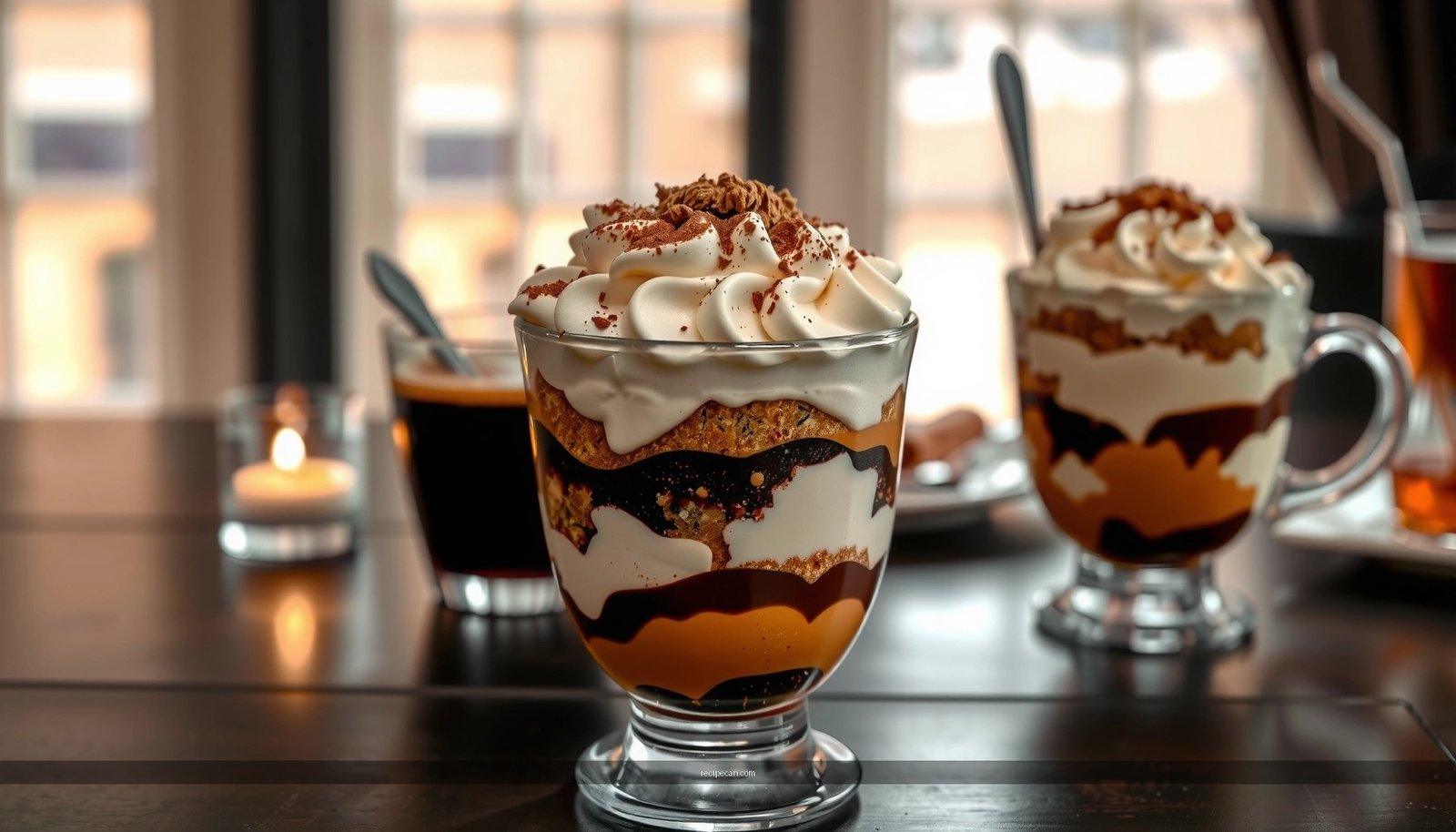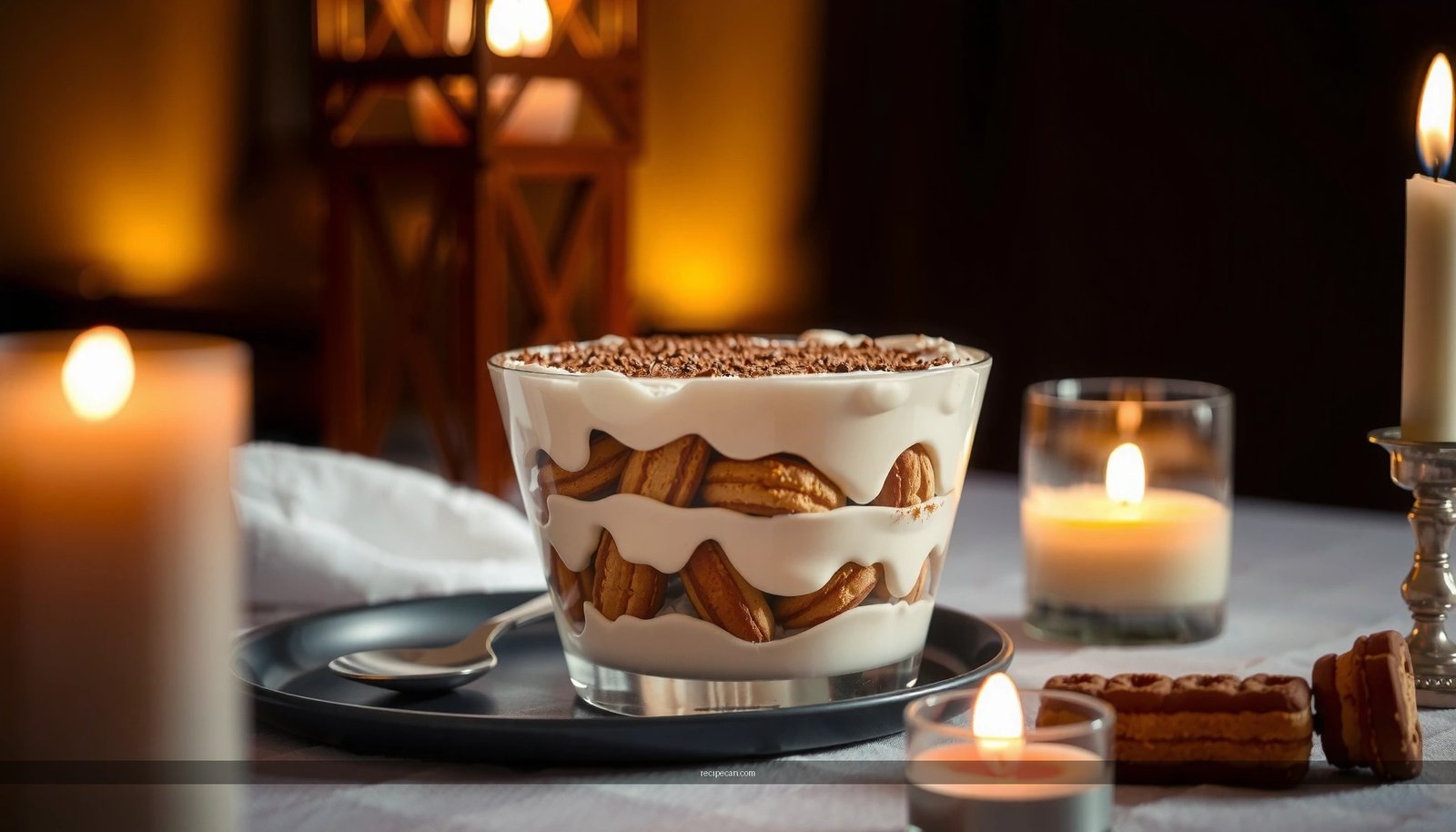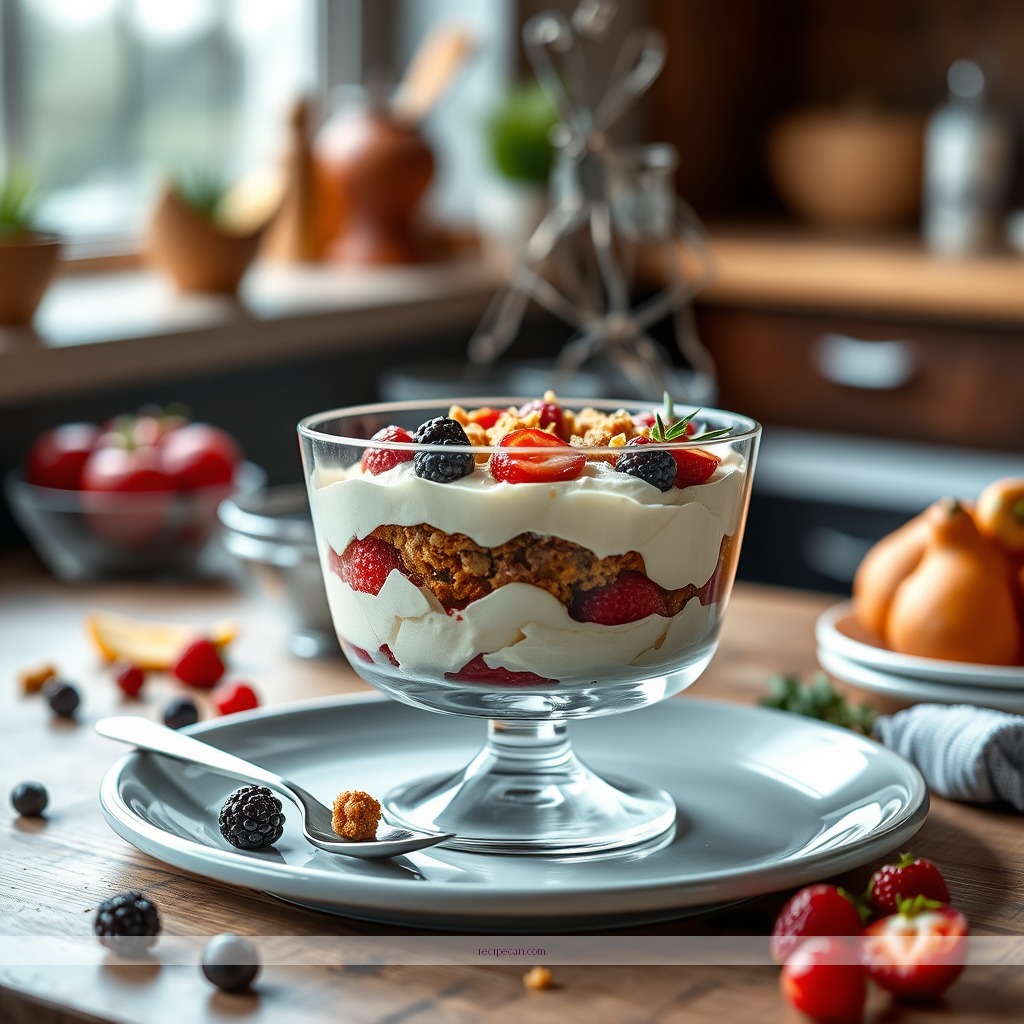
A basic trifle recipe is your go-to solution for an impressive yet effortless dessert. This guide simplifies the process, ensuring that even novice cooks can create a layered masterpiece that dazzles at any gathering. Discover how to combine sponge cake, custard, and fruit for a classic treat that is both easy to assemble and delightful to serve. With this straightforward approach, you’ll be ready to impress your guests with minimal fuss.
Making a basic trifle is easier than you might think! With layers of sponge cake, creamy custard, fresh fruit, and whipped cream, this delightful dessert is perfect for any occasion. In just a few simple steps, you’ll be able to impress your family and friends with a beautiful and delicious trifle that serves as a centerpiece for gatherings or a sweet treat at home.
Recipe Overview
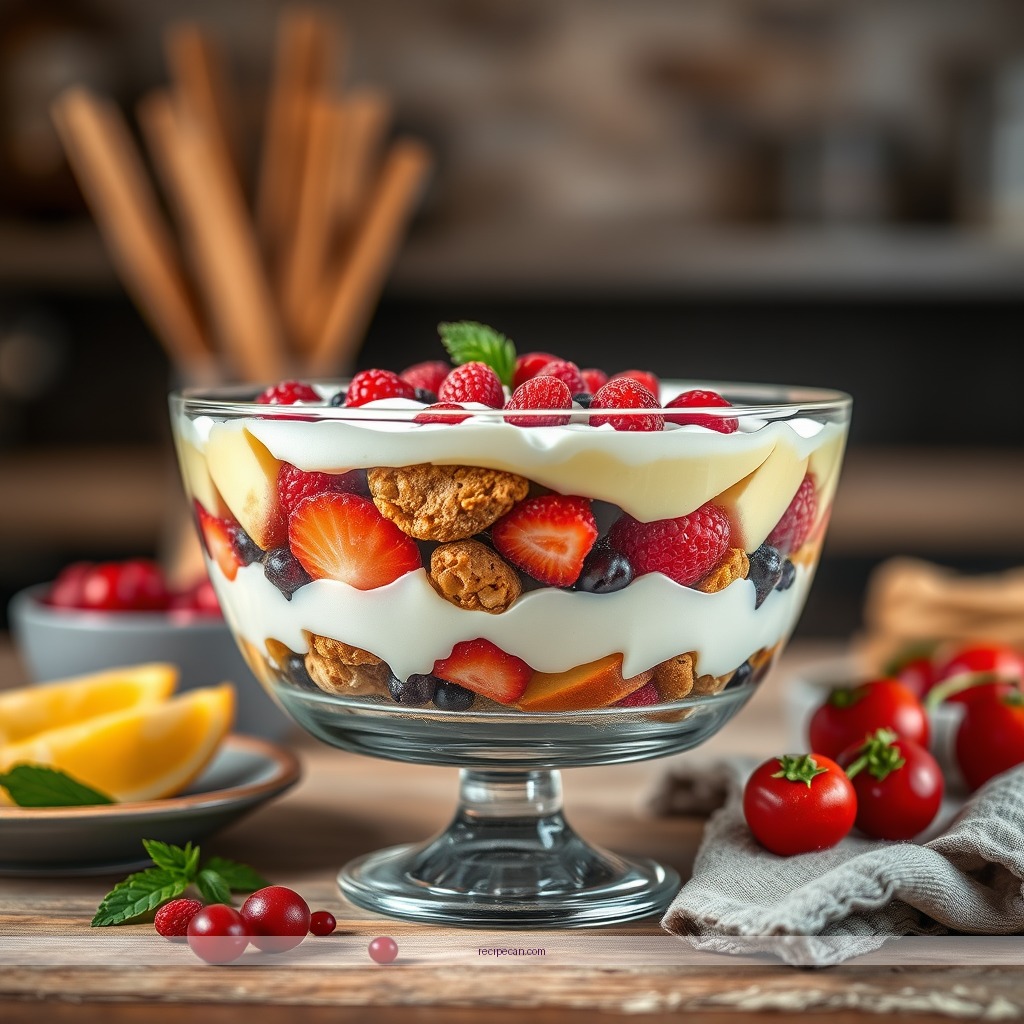
This classic trifle is a delightful British dessert that combines layers of cake, custard, fruit, and whipped cream. It’s a crowd-pleaser, perfect for parties or family dinners, and surprisingly simple to whip up. The beauty of a trifle lies in its versatility; you can customize the flavors and ingredients according to your preferences or seasonal availability. Expect to serve around 6 to 8 people, making it an ideal choice for gatherings!
Time Required
– 🕐 Prep Time : 20 minutes
– ⏱ Total Time : 2 hours (includes chilling time)
Ingredients
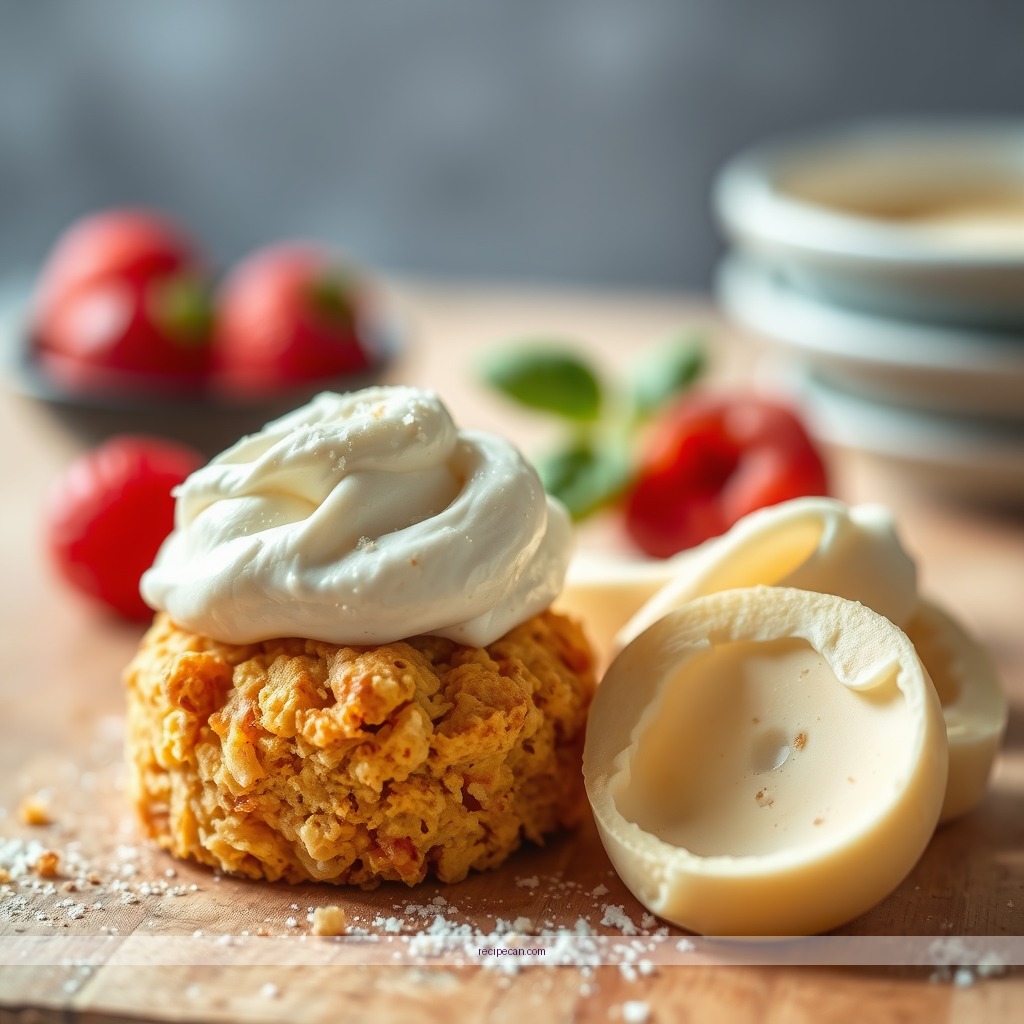
The key to a great trifle lies in its layers. Use fresh ingredients for the best flavor—ripe fruits and homemade custard make a noticeable difference. Don’t worry if you’re short on time; store-bought cake and custard can work just as well! Below is a curated list of ingredients essential for crafting this delightful dessert.
Main Ingredients
– 1 pound (450g) sponge cake, cut into cubes
– 2 cups (500ml) custard (homemade or store-bought)
– 2 cups (500g) mixed fresh fruit (e.g., strawberries, blueberries, bananas)
– 1 cup (240ml) heavy cream, whipped to soft peaks
– Optional: sherry or fruit juice for soaking the cake
Step-by-Step Instructions

1. Layer the Cake: Start by placing a layer of sponge cake cubes at the bottom of your trifle dish. If you like, drizzle a little sherry or fruit juice over the cake for added moisture and flavor.
2. Add the Custard: Spoon a generous layer of custard over the cake, spreading it evenly to ensure every bite is creamy.
3. Fruit Layer: Next, add a layer of your mixed fresh fruit, choosing vibrant options to make your trifle visually appealing. The contrast of colors will enhance the dessert’s overall appeal.
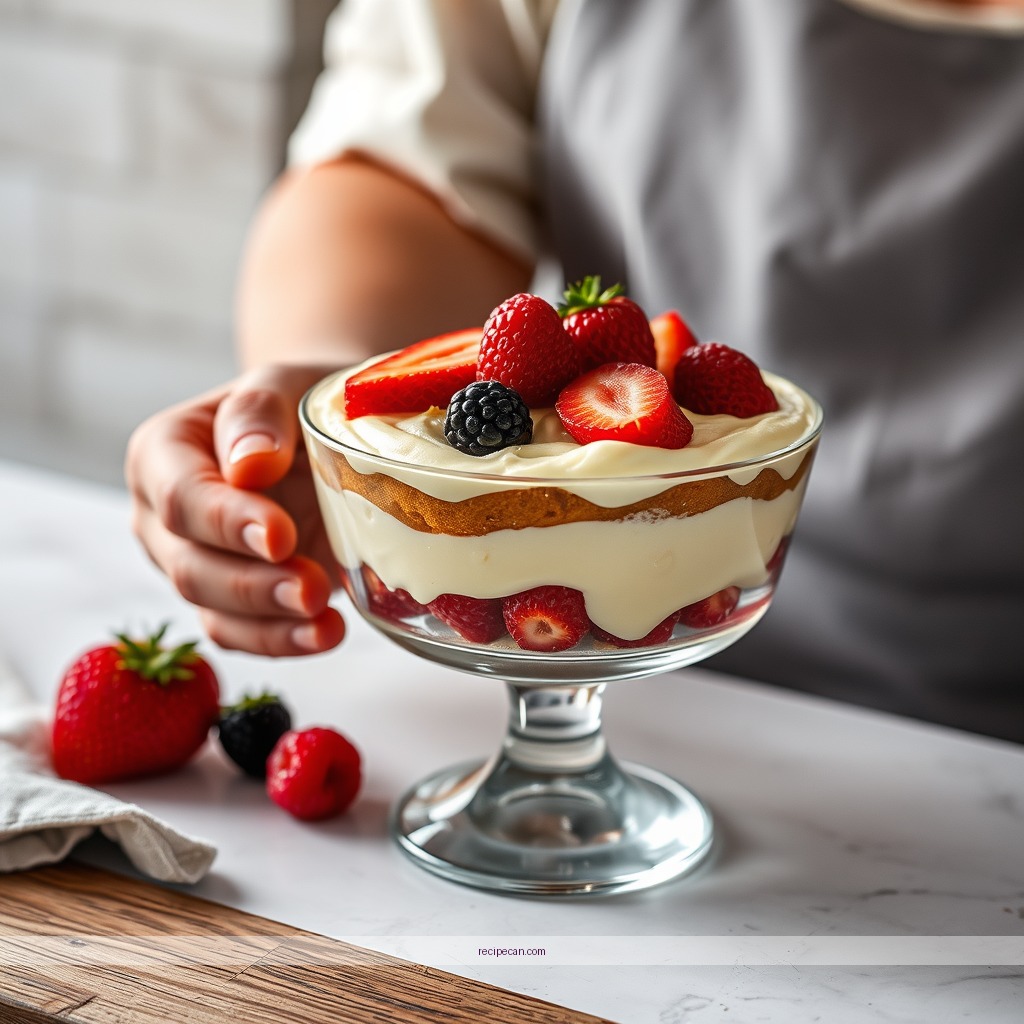
4. Repeat: Continue layering the sponge cake, custard, and fruit until you reach the top of the dish. You can aim for at least three layers for a stunning effect that showcases the beautiful colors and textures.
5. Top with Whipped Cream: Finish with a fluffy layer of whipped cream on top. For an elegant touch, decorate with more fruit or a sprinkle of nuts for extra crunch!
6. Chill: Cover the trifle with plastic wrap and chill in the refrigerator for at least 2 hours before serving. This allows the flavors to meld beautifully, creating a harmonious taste experience.
Heat & Temperature Guide
Cooking Method
The trifle doesn’t require traditional cooking; instead, the assembly of layers is key. Each component should be prepared separately, allowing for the best flavors and textures to come together.
Temperature & Timing
No specific temperature is needed during the assembly. However, ensure that the custard is cooled to room temperature before layering to prevent the sponge cake from becoming soggy.
How to Know It’s Done
Once assembled, the trifle should be chilled for at least 2 hours. You’ll know it’s ready when the layers have set slightly and the flavors have melded, contributing to a delightful eating experience.
What to Avoid & Precautions
A few simple pitfalls can affect your trifle’s outcome. Understanding these will help you create a dessert that impresses every time.
Over-soaking the Cake
Be cautious with the amount of sherry or juice you use to soak the sponge cake. Over-soaking can lead to a soggy texture, which detracts from the delightful layering of flavors.
Using Overripe Fruit
Choose fresh, firm fruit for your trifle. Overripe fruit can become mushy during the chilling process, affecting both the texture and presentation of your dessert.
Common Mistakes & How to Fix Them
Forgetting to Chill
One common mistake is skipping the chilling step. This crucial time allows flavors to develop and meld. Always allow your trifle to chill for at least 2 hours for the best results.
Not Whipping the Cream Properly
If your whipped cream is over-beaten, it can become grainy and lose its smooth texture. Aim for soft peaks—this ensures it will hold its shape without being overly firm.
Ignoring Layering Technique
Layering is an art! Avoid rushing through this step; take your time to create distinct layers for a beautiful presentation. This is the step most people rush, but a little patience here makes all the difference.
How to Serve
Plating & Presentation
Serve directly from the trifle dish, using a large spoon to scoop out generous portions. The layers should be visible for an enticing presentation, showcasing the beautiful colors of the fruit, custard, and whipped cream.
What Goes Well With It
A light dessert wine or tea pairs wonderfully with this trifle, enhancing the overall experience. Consider serving with a side of shortbread cookies for an added crunch.
Storage & Reheating
Keep any leftovers covered in the fridge for up to 2 days. However, note that the sponge may get a bit soggy over time. This dessert is best enjoyed fresh but will still be delightful for a short time afterward.
Top 7 Fruits for Trifle (2024)
| # | Fruit | Taste Profile | Texture | Color |
|---|---|---|---|---|
| 1 | Strawberries | Sweet & Tangy | Soft | Red |
| 2 | Blueberries | Sweet | Firm | Blue |
| 3 | Bananas | Sweet | Creamy | Yellow |
| 4 | Peaches | Sweet & Juicy | Tender | Orange |
| 5 | Kiwi | Tart & Sweet | Slightly Grainy | Green |
| 6 | Mango | Sweet & Tropical | Soft | Yellow |
| 7 | Raspberries | Tart | Soft | Red |
The basic trifle recipe is a versatile and fun dessert that’s perfect for any celebration or a simple family gathering. With its bright colors and delicious layers, it’s sure to be a hit. Now it’s your turn to create this delightful dessert and enjoy every bite!
Frequently Asked Questions
What are the basic ingredients for a traditional trifle recipe?
A traditional trifle recipe typically includes layers of sponge cake or ladyfingers, custard, fruit, and whipped cream. Common fruits used are berries, bananas, or peaches, while sherry or fruit juice can be added for flavor. This combination creates a delightful and visually appealing dessert that is perfect for any occasion.
How do you assemble a basic trifle?
To assemble a basic trifle, start by cutting the sponge cake into cubes and placing a layer at the bottom of a clear glass bowl. Next, add a layer of custard, followed by a layer of your chosen fruit, and top it off with whipped cream. Repeat the layers until the bowl is filled, finishing with whipped cream and garnishes like nuts or chocolate shavings for a stunning presentation.
Why is it important to let a trifle sit before serving?
Allowing a trifle to sit for a few hours, or preferably overnight, is crucial because it lets the flavors meld together and the cake absorb moisture from the custard and fruit. This resting period enhances the overall taste and texture, resulting in a more delicious and cohesive dessert. It also allows the layers to set beautifully, making for a more attractive presentation.
What is the best type of sponge cake to use for a trifle?
The best type of sponge cake for a trifle is a light and airy sponge, such as a vanilla or almond cake, which can easily soak up the custard and juices without becoming mushy. Alternatively, ladyfingers are a classic choice, as they provide structure and absorb flavor while maintaining a pleasing texture. Both options will contribute to a delicious and balanced trifle.
Which fruits work best in a basic trifle recipe?
The best fruits for a basic trifle recipe are those that add flavor, texture, and color. Strawberries, blueberries, raspberries, and bananas are popular choices, as they complement the creaminess of the custard and the lightness of the sponge. Seasonal fruits can also be used to enhance freshness and variety, making your trifle an exciting dessert for any gathering.
References
- https://en.wikipedia.org/wiki/Trifle
https://en.wikipedia.org/wiki/Trifle - https://www.bbc.co.uk/food/recipes/trifle_73770
https://www.bbc.co.uk/food/recipes/trifle_73770 - https://www.britannica.com/topic/trifle-dessert
https://www.britannica.com/topic/trifle-dessert - https://www.sciencedirect.com/topics/food-science/trifle
https://www.sciencedirect.com/topics/food-science/trifle - https://www.nytimes.com/recipes/1018589/trifle.html
https://www.nytimes.com/recipes/1018589/trifle.html - https://scholar.google.com/scholar?q=trifle+recipe+basic Google Scholar
https://scholar.google.com/scholar?q=trifle+recipe+basic - https://scholar.google.com/scholar?q=trifle+dessert+recipe Google Scholar
https://scholar.google.com/scholar?q=trifle+dessert+recipe - https://scholar.google.com/scholar?q=traditional+trifle+recipe Google Scholar
https://scholar.google.com/scholar?q=traditional+trifle+recipe - https://www.cdc.gov/nutrition/index.html
https://www.cdc.gov/nutrition/index.html - https://www.pubmed.ncbi.nlm.nih.gov/
https://www.pubmed.ncbi.nlm.nih.gov/