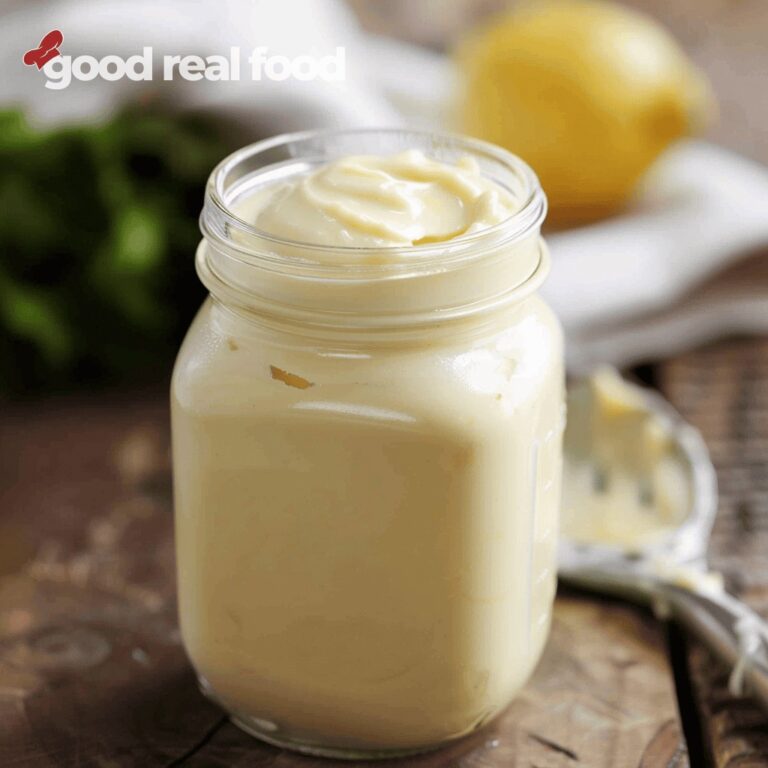
Julia Child’s classic mayonnaise recipe stands out as the definitive choice for anyone seeking a rich, creamy, and flavorful homemade condiment. This recipe not only delivers on taste but also provides a straightforward method that elevates the simple act of making mayonnaise into an art form. If you’re tired of store-bought versions, Child’s technique offers a reliable path to culinary satisfaction.
To make Julia Child’s classic mayonnaise, you need just a few simple ingredients and a bit of technique. This homemade mayonnaise is rich, creamy, and far superior to store-bought versions. By using high-quality ingredients and following Julia’s time-tested methods, you can create a condiment that elevates sandwiches, salads, and dips to a whole new level. In this article, you’ll discover the step-by-step process to whip up this delightful condiment, along with tips for variations and storage.
Essential Ingredients for Julia Child’s Mayonnaise

The beauty of Julia Child’s mayonnaise lies in its simplicity. You only need three essential ingredients to create this culinary delight:
– Egg yolks: The foundation of the recipe, egg yolks contribute richness and are crucial for emulsification. They help bind the oil and acid, creating that silky texture we all love in mayonnaise.
– Oil: A neutral oil like vegetable or canola is recommended for a smooth texture. These oils allow the flavors of the other ingredients to shine through without overpowering them. For a more robust flavor, you could also consider using light olive oil.
– Vinegar or lemon juice: This ingredient adds acidity, which enhances the flavor profile of the mayonnaise and aids in the emulsification process. The choice between vinegar and lemon juice can alter the final taste, so feel free to experiment with both.
Step-by-Step Preparation Process

Creating homemade mayonnaise is straightforward, but it requires some attention to detail. Here’s how to do it:
1. Whisk the egg yolks: Begin by placing the egg yolks in a bowl. Use a whisk and beat them until they are thick and pale in color. This step is vital as it prepares the yolks for emulsification.
2. Gradually add oil: Once the yolks are ready, start slowly drizzling in the oil while whisking continuously. This gradual addition is key to forming a stable emulsion. If you add the oil too quickly, the mixture may separate.
3. Incorporate acidity: After the mayonnaise has thickened, it’s time to mix in your chosen acid—either vinegar or lemon juice. Whisk until fully combined. This not only enhances the flavor but also helps to stabilize the emulsion.
Tips for Achieving Perfect Emulsion
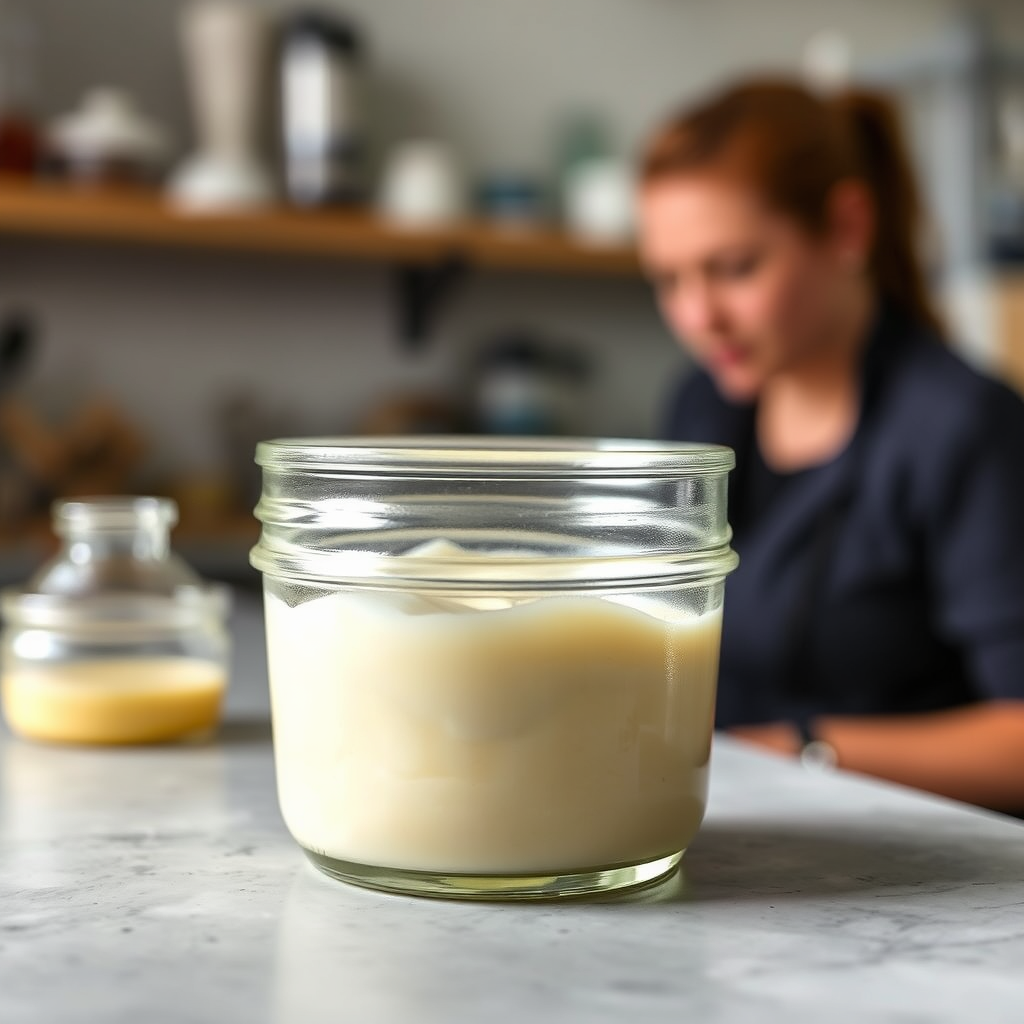
Achieving a perfect emulsion can be tricky, but with these tips, you’ll be well on your way:
– Temperature matters: Ensure all ingredients (egg yolks, oil, vinegar/lemon juice) are at room temperature. Cold ingredients can hinder the emulsification process, making it more difficult to achieve that creamy consistency.
– Use a steady hand: When adding the oil, especially in the beginning, do so very slowly. A steady hand allows the egg yolks to absorb the oil gradually, which is crucial for a successful emulsion.
– Whisking technique: While a traditional whisk works well, using an immersion blender can simplify the process and yield excellent results. Just be sure to follow the same oil-adding technique for best results.
Top 7 Ingredients for Homemade Mayonnaise
| # | Ingredient | Quantity | Calories | Fat (g) |
|---|---|---|---|---|
| 1 | Egg Yolk | 2 | 55 | 4.5 |
| 2 | Vegetable Oil | 1 cup | 1,900 | 100 |
| 3 | Vinegar | 1 tbsp | 3 | 0 |
| 4 | Lemon Juice | 1 tbsp | 4 | 0 |
| 5 | Salt | 1/2 tsp | 0 | 0 |
| 6 | Mustard (optional) | 1 tsp | 3 | 0.2 |
| 7 | Sugar (optional) | 1 tsp | 16 | 0 |
Flavor Variations You Can Try
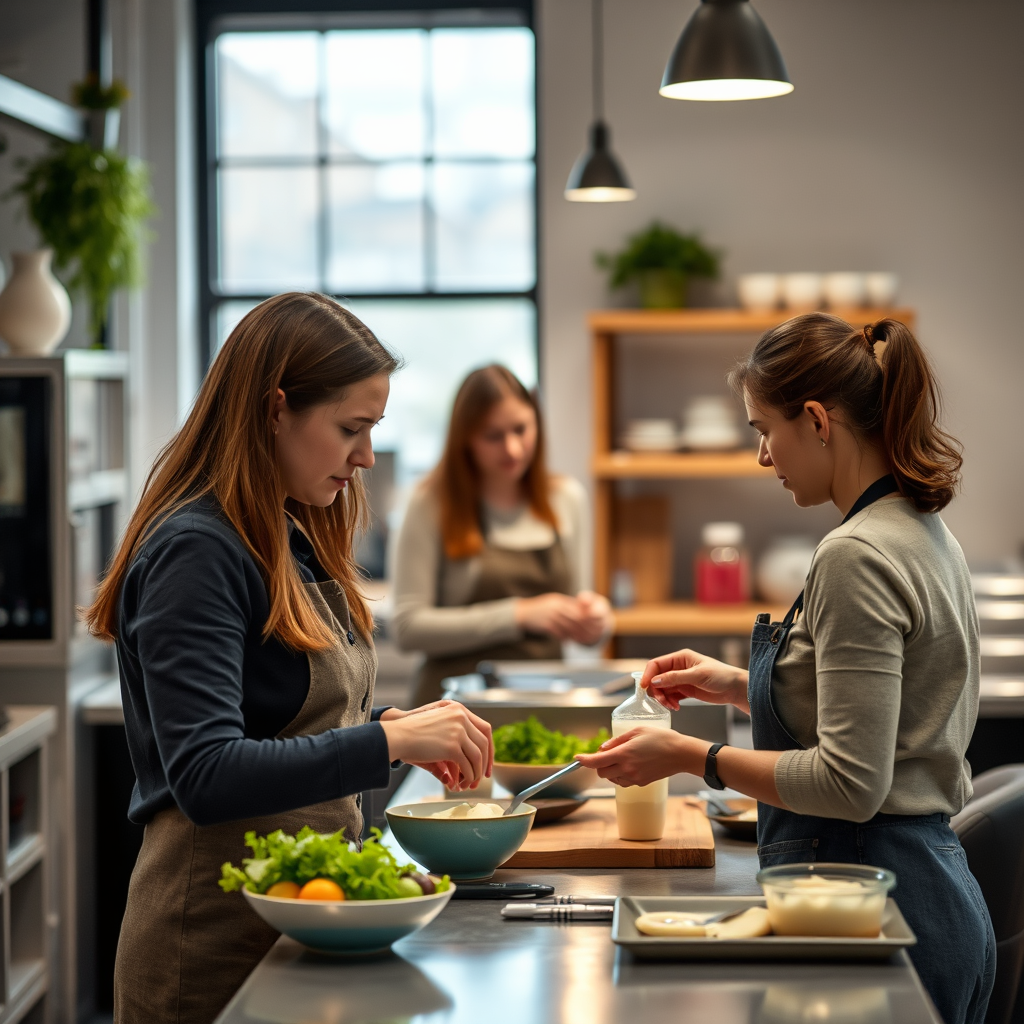
The versatility of mayonnaise allows for numerous flavor variations. Here are some ideas you can explore:
– Herb-infused mayonnaise: Add fresh herbs like basil, dill, or chives to the mayonnaise for a refreshing twist. This is particularly delightful when paired with seafood or grilled vegetables.
– Spicy mayonnaise: If you enjoy a bit of heat, consider incorporating a dash of hot sauce or cayenne pepper into your mayonnaise. This spicy version works wonderfully as a dipping sauce for fries or as a spread for spicy sandwiches.
– Garlic mayonnaise: Mixing in minced garlic can transform your mayonnaise into a delicious aioli. This is perfect for drizzling on roasted vegetables or using as a dip for bread.
Storing Your Homemade Mayonnaise
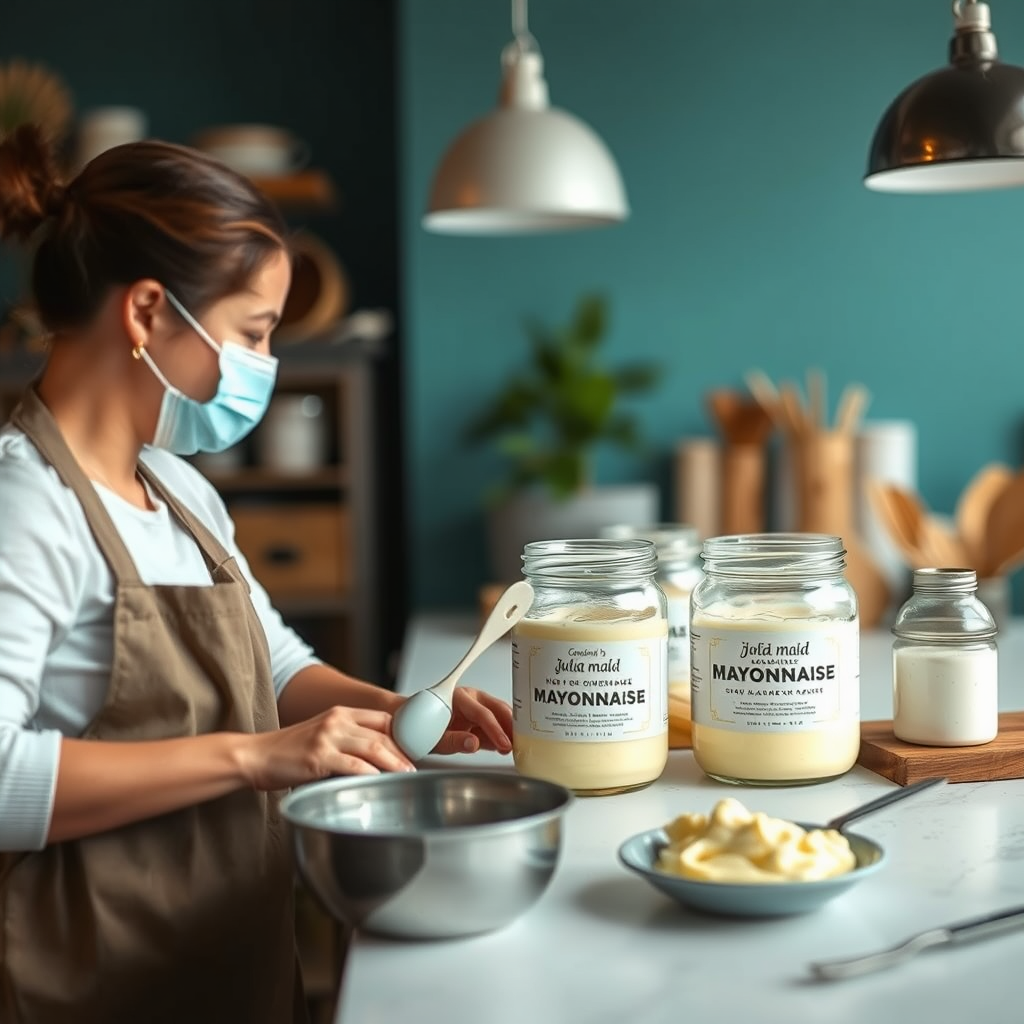
Proper storage of your homemade mayonnaise is essential to maintain its quality:
– Refrigeration: Store the mayonnaise in an airtight container in the refrigerator. It should last for up to a week, but always check for any off smells or changes in texture before use.
– Use clean utensils: Always ensure that you use clean utensils when scooping out mayonnaise. This helps to prevent contamination and extends the shelf life of your condiment.
– Freezing options: While not ideal, mayonnaise can be frozen for short-term use. If you choose to freeze it, do so in an airtight container, but be aware that the texture may change upon thawing.
Common Mistakes to Avoid
Even with a simple recipe, there are pitfalls to watch out for:
– Over-whisking: Whisking too aggressively can cause the mayonnaise to break. If this happens, you can often salvage it by adding a new egg yolk and slowly whisking in the broken mayonnaise.
– Wrong oil choice: Avoid using strongly flavored oils, such as extra virgin olive oil, as they can overpower the mayonnaise’s delicate flavor. Stick with neutral oils for the best results.
– Skipping the acid: Omitting vinegar or lemon juice can result in a bland taste. The acid not only enhances flavor but also plays a key role in emulsification.
Your homemade mayonnaise will enhance sandwiches, salads, and dips, making every meal a little more special. By following Julia Child’s recipe and tips, you’ll master this classic condiment in no time. Try it out today and explore the various flavor adaptations to suit your taste!
Frequently Asked Questions
What are the key ingredients in Julia Child’s mayonnaise recipe?
Julia Child’s mayonnaise recipe primarily includes egg yolks, Dijon mustard, vinegar or lemon juice, and oil. The combination of these ingredients creates a rich, creamy texture and a tangy flavor that elevates homemade mayonnaise above store-bought options.
How do you make mayonnaise using Julia Child’s method?
To make mayonnaise using Julia Child’s method, start by whisking together egg yolks, Dijon mustard, and vinegar in a bowl. Gradually add oil in a thin stream while whisking continuously until the mixture emulsifies and thickens. This technique ensures a stable mayonnaise with a velvety consistency.
Why is Julia Child’s mayonnaise considered better than store-bought?
Julia Child’s mayonnaise is often considered superior to store-bought varieties because it is made fresh, allowing for a customizable flavor and texture. The use of quality ingredients and the absence of preservatives enhances the taste, making it a favorite for those who appreciate gourmet cooking.
What are some tips for troubleshooting Julia Child’s mayonnaise if it doesn’t emulsify?
If your mayonnaise doesn’t emulsify, try adding a teaspoon of warm water or a bit more mustard to help kickstart the emulsification process. Ensure that your ingredients are at room temperature, as cold ingredients can hinder the emulsification. If it still fails, you can start with a new egg yolk and slowly whisk in the failed mixture.
Which dishes pair well with Julia Child’s mayonnaise?
Julia Child’s mayonnaise pairs beautifully with a variety of dishes, including seafood, sandwiches, and salads. It also works well as a base for sauces like aioli or tartar sauce, enhancing the overall flavors of your culinary creations.
References
- Julia Child
https://en.wikipedia.org/wiki/Julia_Child - https://www.nytimes.com/2009/08/13/garden/13julia.html
https://www.nytimes.com/2009/08/13/garden/13julia.html - https://www.bbc.com/culture/article/20190807-julia-child-the-culinary-heroine-who-changed-american-cooking
https://www.bbc.com/culture/article/20190807-julia-child-the-culinary-heroine-who-changed-american-cooking - How to Make Fresh Herb Oils | America’s Test Kitchen
https://www.americastestkitchen.com/cooksillustrated/articles/8070-julia-childs-homemade-mayonnaise - https://www.smithsonianmag.com/arts-culture/julia-child-culinary-hero-180972432/
https://www.smithsonianmag.com/arts-culture/julia-child-culinary-hero-180972432/ - https://www.southernliving.com/recipes/julia-childs-mayonnaise-recipe
https://www.southernliving.com/recipes/julia-childs-mayonnaise-recipe - Google Scholar Google Scholar
https://scholar.google.com/scholar?q=julia+child+mayonnaise+recipe - Google Scholar Google Scholar
https://scholar.google.com/scholar?q=julia+child+cooking+techniques - Google Scholar Google Scholar
https://scholar.google.com/scholar?q=julia+child+culinary+influence - Malted Hot Chocolate Mix | America’s Test Kitchen
https://www.americastestkitchen.com/recipes/8120-julia-childs-mayonnaise-recipe