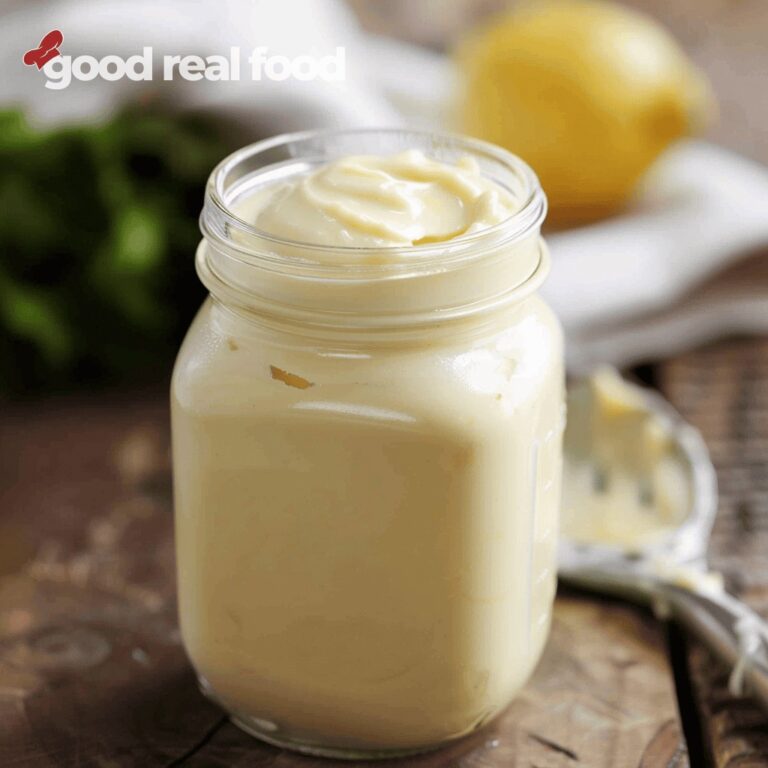
Classic French mayonnaise is the definitive choice for anyone seeking a rich, creamy condiment that elevates dishes to gourmet status. This simple and delicious recipe guarantees results that surpass store-bought alternatives, making it a must-try for home cooks. Discover how to master this classic sauce and transform your meals with its unparalleled flavor.
Making classic French mayonnaise at home is easy and rewarding, providing a rich and creamy condiment that elevates any dish. With just a handful of quality ingredients and a bit of technique, you can create a homemade mayonnaise that far surpasses store-bought versions in taste and freshness. This article will guide you through the essential ingredients and step-by-step process to whip up a traditional French mayonnaise, along with tips for customization and storage.
Essential Ingredients for French Mayonnaise
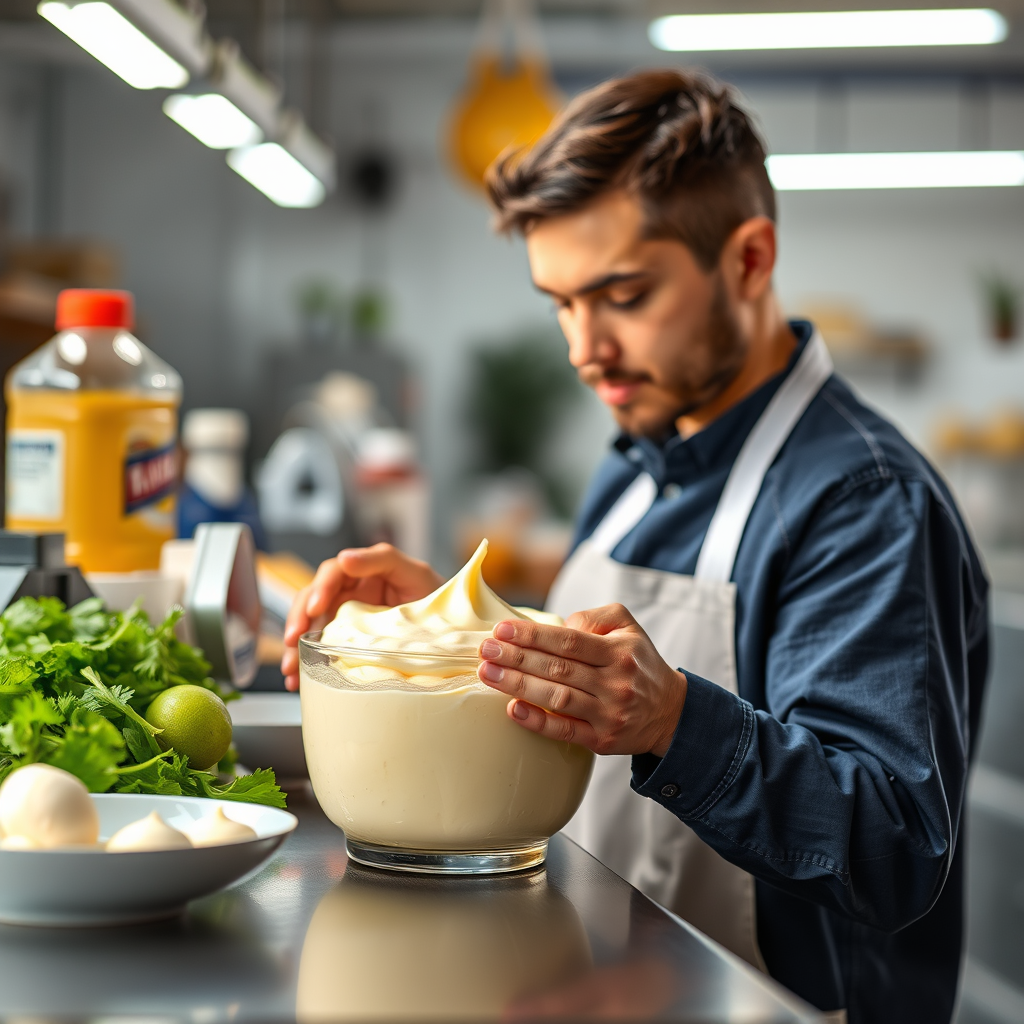
To craft a flawless French mayonnaise, quality ingredients are paramount. The foundation of mayonnaise is the egg yolk, which provides both richness and emulsifying properties.
– High-Quality Egg Yolks: Fresh, organic egg yolks are crucial for achieving the right texture and flavor. They contribute to the creamy consistency and the characteristic yellow hue of mayonnaise. When using raw eggs, ensure they are fresh and sourced from a reputable supplier to minimize health risks.
– Neutral Oil: The choice of oil significantly impacts the final flavor. Use a neutral oil, such as canola or grapeseed, to allow the mayonnaise’s inherent flavors to shine through. Olive oil can be used for a more robust flavor, but it will alter the traditional taste.
– Mustard: A small amount of Dijon mustard not only adds flavor but also acts as an emulsifier, helping to stabilize the mixture.
– Vinegar or Lemon Juice: Acidity from vinegar or lemon juice balances the richness of the mayonnaise and enhances its flavor profile.
Step-by-Step Instructions

Creating classic French mayonnaise is a straightforward process, but attention to detail is key.
1. Prepare Your Ingredients: Ensure all your ingredients, especially the egg yolks and oil, are at room temperature. This step is crucial for proper emulsification.
2. Whisk Egg Yolks and Mustard: In a large mixing bowl, whisk together the egg yolks and Dijon mustard until well combined. The mustard will help to stabilize the emulsion.
3. Incorporate the Oil: Begin to add the oil slowly, starting with just a few drops while whisking vigorously. As the mixture starts to thicken, you can gradually increase the oil flow to a thin stream. Continue whisking constantly to ensure the oil emulsifies with the yolks.
4. Adjust Consistency and Flavor: Once you’ve added about half of the oil, the mayonnaise should be thickening. You can then add vinegar or lemon juice to taste, along with the remaining oil. Keep whisking until you reach the desired thickness.
5. Season and Store: Once fully emulsified, season your mayonnaise with salt to taste. Transfer it to an airtight container and refrigerate.
Flavor Enhancements
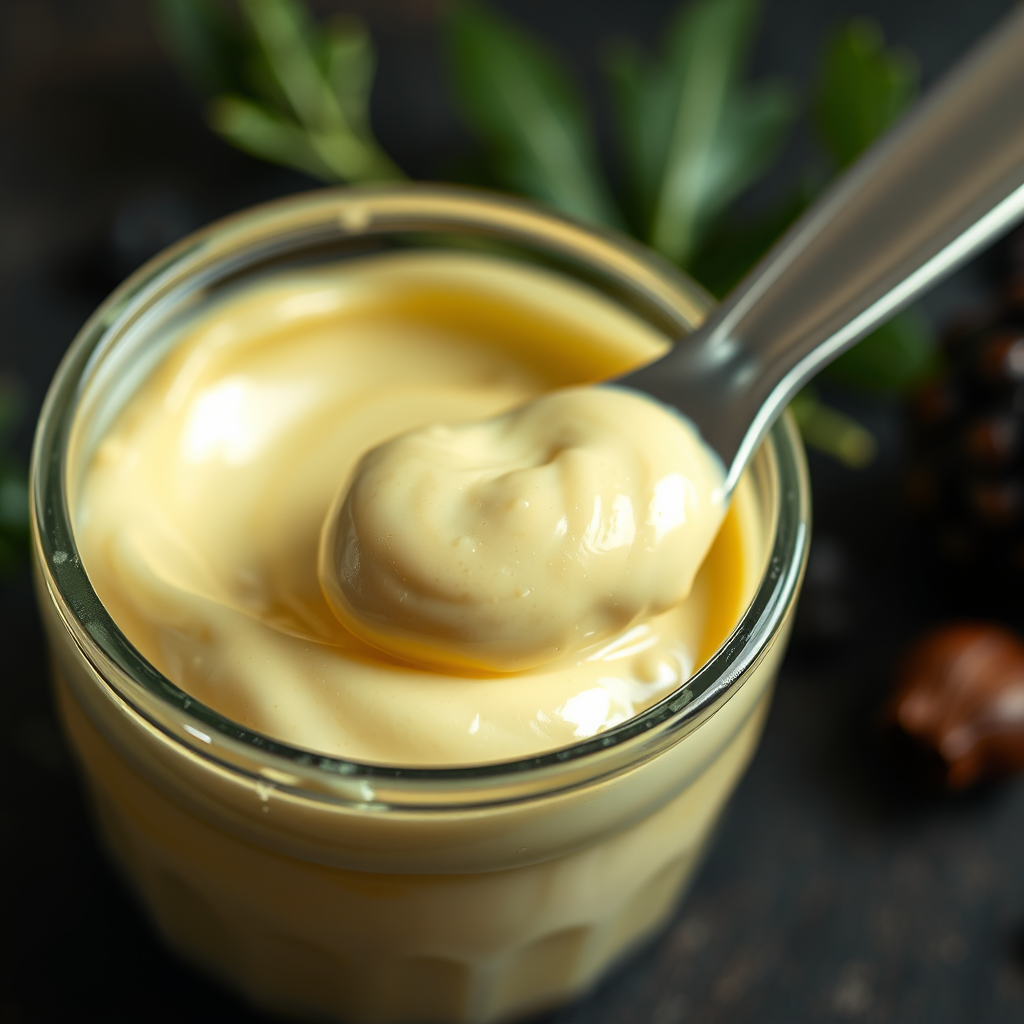
Enhancing your mayonnaise with additional flavors can elevate it from ordinary to extraordinary.
– Acidity: Incorporating lemon juice or vinegar not only balances the richness but also adds brightness to the flavor. Experiment with different types of vinegar, such as apple cider or white wine vinegar, for varied taste profiles.
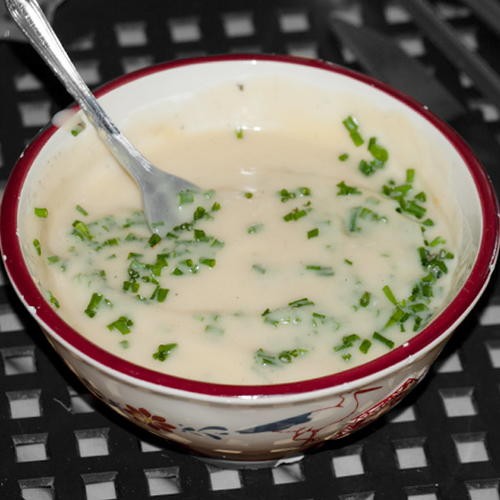
– Herbs and Spices: Fresh herbs such as dill, parsley, or chives can be finely chopped and mixed in for a fresh twist. Alternatively, spices like paprika or cayenne pepper can add a touch of warmth and complexity.
– Garlic: For a classic garlic aioli variation, add minced garlic to your mayonnaise during the mixing process. This simple addition transforms mayonnaise into a flavorful dipping sauce for vegetables and seafood.
Common Mistakes to Avoid

Even seasoned cooks can encounter pitfalls when making mayonnaise. Here are common mistakes to avoid:
– Adding Oil Too Quickly: One of the most common errors is pouring the oil too quickly. This can result in a broken mayonnaise that won’t emulsify. Always pour the oil in a very slow stream while whisking vigorously.
– Using Cold Ingredients: Cold ingredients can hinder emulsification, leading to a failure in the process. Ensure all components are at room temperature.
– Not Whisking Vigorously Enough: The emulsion requires active whisking, so don’t be afraid to put in some effort. A stand mixer can be used if you’re looking for an easier approach.
Storage Tips

Proper storage is essential to maintain the freshness and safety of your homemade mayonnaise.
– Refrigeration: Store homemade mayonnaise in an airtight container in the refrigerator for up to a week. Always label the container with the date it was made.
– Freshness Check: Before using, check for freshness, especially if your mayonnaise contains raw eggs. If it has an off smell or any discoloration, it’s best to discard it.
Variations on Classic French Mayonnaise
Once you master the basic recipe, consider exploring variations to suit your culinary needs.
– Garlic Aioli: By adding garlic to the traditional mayonnaise, you create a rich aioli perfect for dipping fries or spreading on sandwiches.
– Herb-Infused Mayonnaise: Infusing mayo with herbs like basil or tarragon can create unique spreads for sandwiches or dressings for salads.
– Flavored Oils: Experiment with flavored oils such as chili oil or herb-infused oils for a creative twist on the traditional recipe.
Top 7 Mayonnaise Brands by Popularity (2023)
| # | Brand | Market Share | Founded | Quality Rating |
|---|---|---|---|---|
| 1 | Hellmann’s | 30% | 1913 | ★★★★☆ |
| 2 | Duke’s | 25% | 1917 | ★★★★★ |
| 3 | Kraft | 20% | 1903 | ★★★☆☆ |
| 4 | Best Foods | 15% | 1905 | ★★★★☆ |
| 5 | Sir Kensington’s | 5% | 2010 | ★★★★★ |
| 6 | Nature’s Way | 3% | 2005 | ★★☆☆☆ |
| 7 | Vegenaise | 2% | 2002 | ★★★★☆ |
Making your own French mayonnaise is not only simple but also allows you to customize flavors to your liking. With this recipe, you can impress your friends and family with a delicious homemade condiment that enhances any meal. So gather your ingredients and get whisking! Whether you enjoy it with sandwiches, as a salad dressing, or as a dip, the satisfaction of crafting your own mayonnaise will elevate your culinary repertoire.
Frequently Asked Questions
What are the key ingredients for a traditional French mayonnaise recipe?
A traditional French mayonnaise recipe typically requires just a few key ingredients: egg yolks, Dijon mustard, white wine vinegar or lemon juice, and a neutral oil such as canola or grapeseed oil. The combination of these ingredients creates a rich, creamy texture that is essential for authentic mayonnaise.
How do you properly emulsify mayonnaise to achieve the perfect texture?
To properly emulsify mayonnaise, start by whisking the egg yolks and mustard together in a bowl until well combined. Gradually add the oil in a slow, steady stream while whisking continuously; this allows the mixture to emulsify and thicken. If the mixture becomes too thick, you can add a few drops of water or vinegar to help loosen it.
Why is Dijon mustard an important ingredient in French mayonnaise?
Dijon mustard is crucial in French mayonnaise because it not only adds a tangy flavor but also acts as an emulsifier, helping to stabilize the mixture. Its unique taste enhances the overall flavor profile of the mayonnaise, making it richer and more complex compared to recipes that omit mustard.
What is the best way to store homemade French mayonnaise?
The best way to store homemade French mayonnaise is in an airtight container in the refrigerator, where it can last for about one week. Be sure to label the container with the date it was made, and always check for freshness before using it, as homemade mayonnaise does not contain preservatives.
Which oil is recommended for making traditional French mayonnaise?
For traditional French mayonnaise, a neutral oil such as canola, grapeseed, or sunflower oil is recommended, as these oils allow the flavor of the mayonnaise to shine without overpowering it. Some recipes may also use olive oil for a more robust flavor, but be cautious, as its strong taste can dominate the mayonnaise.
References
- Mayonnaise
https://en.wikipedia.org/wiki/Mayonnaise - https://www.bbc.co.uk/food/recipes/mayonnaise_90908
https://www.bbc.co.uk/food/recipes/mayonnaise_90908 - https://www.theguardian.com/lifeandstyle/2020/may/23/how-to-make-mayonnaise
https://www.theguardian.com/lifeandstyle/2020/may/23/how-to-make-mayonnaise - https://www.sciencedirect.com/topics/food-science/mayonnaise
https://www.sciencedirect.com/topics/food-science/mayonnaise - A Gene Cluster for Biosynthesis of Mannosylerythritol Lipids Consisted of 4-O-β-D-Mannopyranosyl-…
https://www.ncbi.nlm.nih.gov/pmc/articles/PMC4915680/ - https://www.food.ncsu.edu/food-science/what-is-mayonnaise/
https://www.food.ncsu.edu/food-science/what-is-mayonnaise/ - Google Scholar Google Scholar
https://scholar.google.com/scholar?q=french+mayonnaise+recipe - Google Scholar Google Scholar
https://scholar.google.com/scholar?q=mayonnaise+preparation+techniques - Google Scholar Google Scholar
https://scholar.google.com/scholar?q=history+of+mayonnaise - Mayonnaise | Description, Emulsion, & Variations | Britannica
https://www.britannica.com/topic/mayonnaise