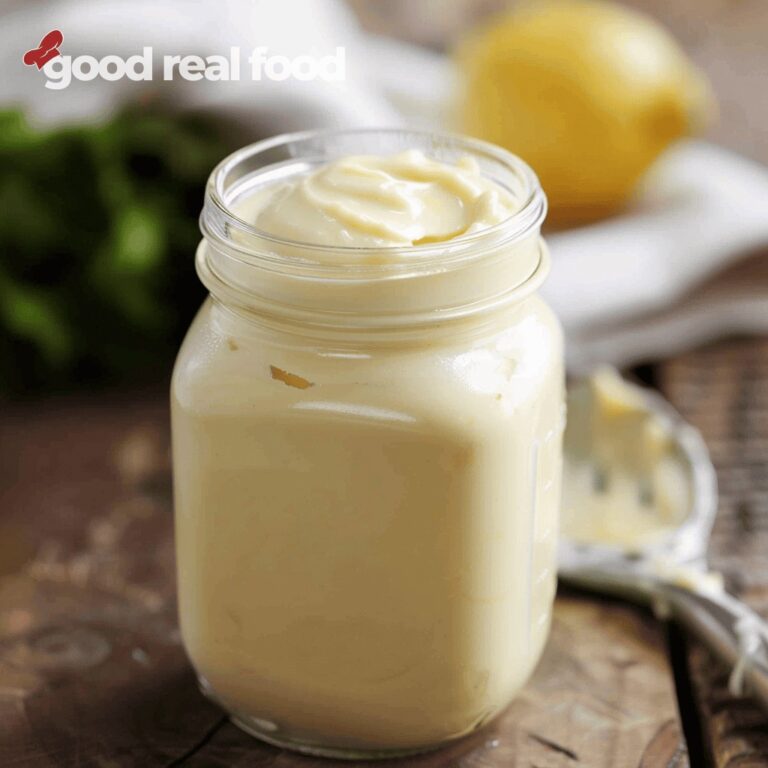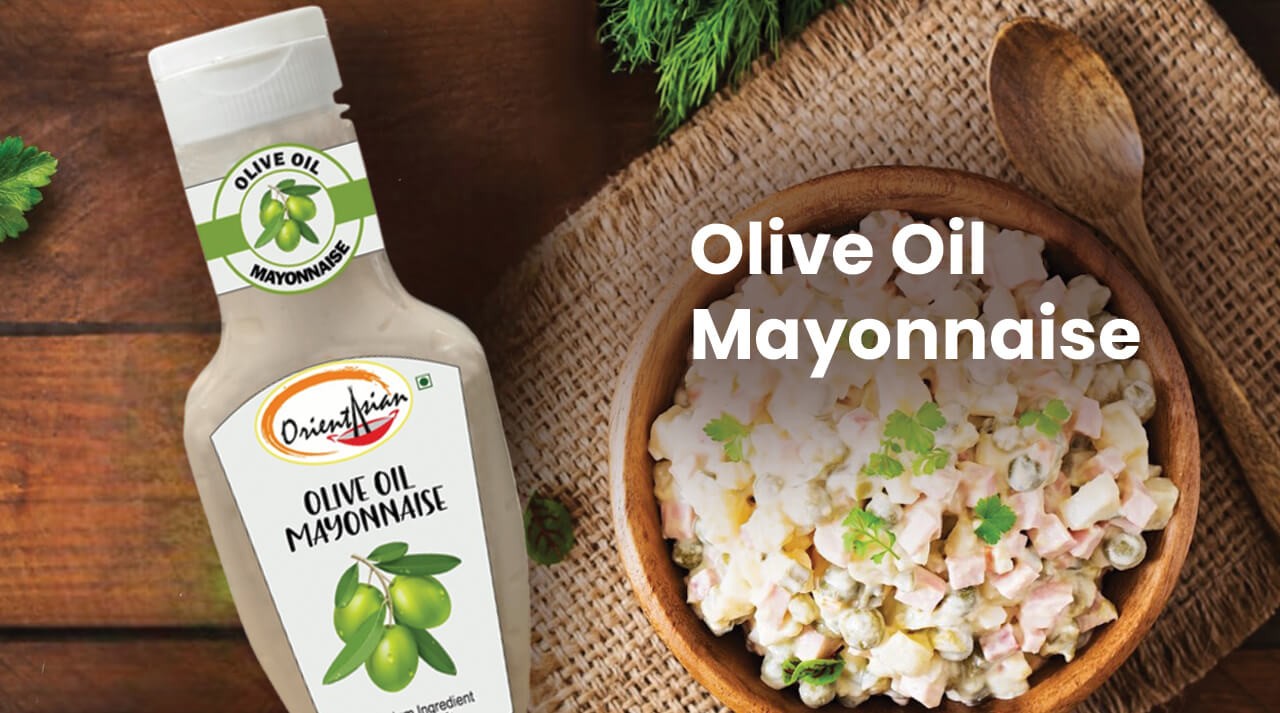
Olive oil mayonnaise is not just a healthier alternative; it elevates the flavor and texture of traditional mayo. This recipe guarantees a creamy, rich spread that enhances any sandwich or salad. If you’re seeking a simple yet delicious way to enjoy mayonnaise, this olive oil version is the clear winner. Embrace the taste of quality ingredients and elevate your culinary creations today.
Making mayonnaise with olive oil is quick and easy, providing a creamy, flavorful alternative to store-bought versions. In this article, you’ll learn how to create a delicious olive oil mayonnaise from scratch, along with tips for customization and storage. This homemade version not only tastes better but also allows you to control the ingredients, making it a healthier choice for your culinary needs.
Ingredients You’ll Need

Creating olive oil mayonnaise requires only a few simple ingredients, each contributing to the overall flavor and texture of the final product.
– Fresh eggs: Opt for large eggs at room temperature to enhance the emulsification process. Room temperature eggs blend more effectively, resulting in a smoother mayonnaise.
– Olive oil: Select a high-quality extra virgin olive oil for the best flavor. The oil’s rich, fruity notes will elevate the mayonnaise, making it a standout condiment.
– Acid: Choose either lemon juice or vinegar (such as white wine or apple cider vinegar) to balance the richness of the oil and egg. The acid not only adds flavor but also helps stabilize the emulsion.
Step-by-Step Instructions

Making your own olive oil mayonnaise is straightforward. Follow these steps to achieve a perfect emulsion every time:
1. Begin by placing one large egg and 1 tablespoon of your chosen acid (lemon juice or vinegar) into a blender or food processor. Make sure the ingredients are at room temperature for optimal emulsification.
2. With the blender running, slowly drizzle in about 1 cup of extra virgin olive oil. It’s crucial to add the oil gradually; this allows the egg and acid to emulsify properly with the oil.
3. Continue blending until the mixture thickens and reaches a creamy consistency. Taste and adjust seasoning as necessary, adding salt or additional acid to suit your preference.
4. Transfer the mayonnaise to a clean, airtight container and store in the refrigerator.
Tips for Perfect Emulsion
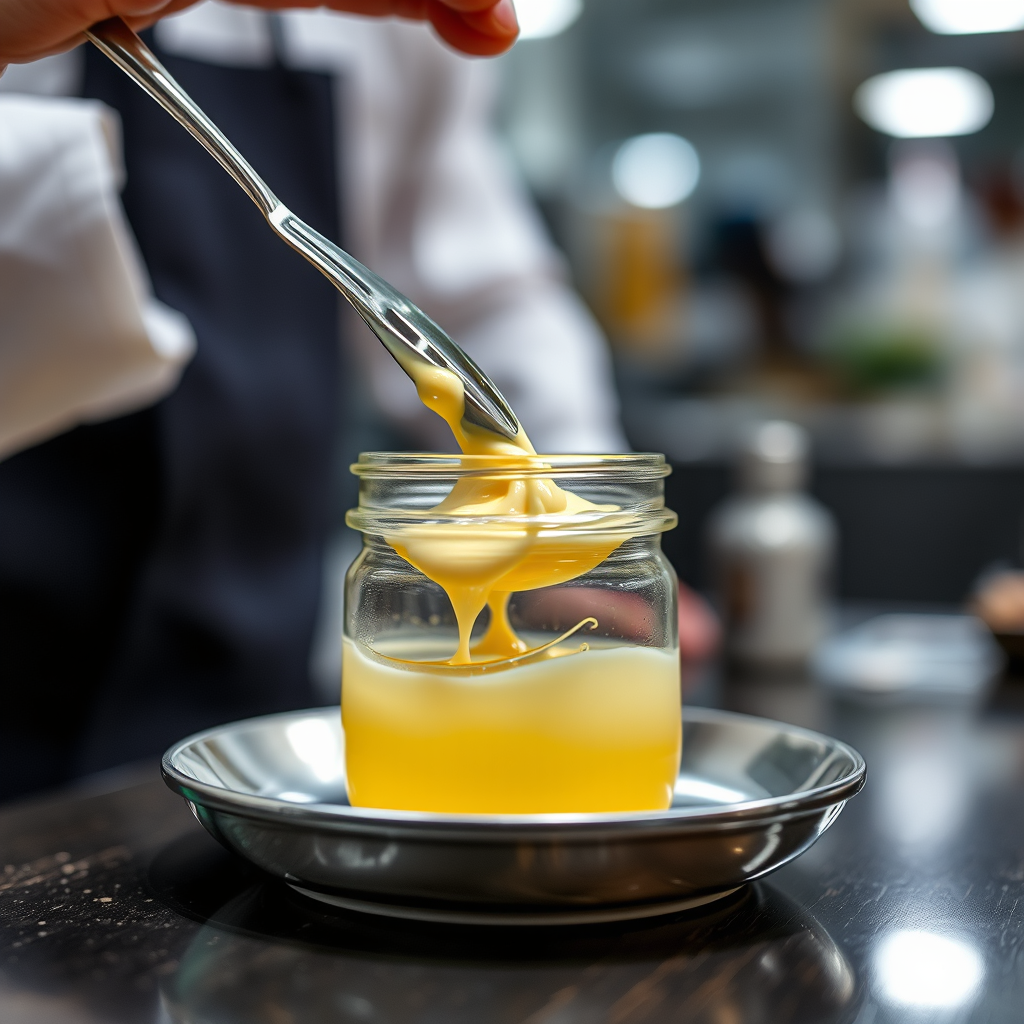
Achieving a flawless emulsion can sometimes be tricky. Here are some tips to ensure success:
– Temperature matters: All ingredients should be at room temperature. Cold ingredients can hinder emulsification, leading to a broken mayonnaise.
– Blend gradually: Start blending at a low speed when introducing the olive oil, gradually increasing the speed as the mixture begins to thicken. This controlled approach aids in forming a stable emulsion.
– Use a narrow container: If using an immersion blender, a narrow container helps create the necessary vortex for emulsification.
Flavor Variations
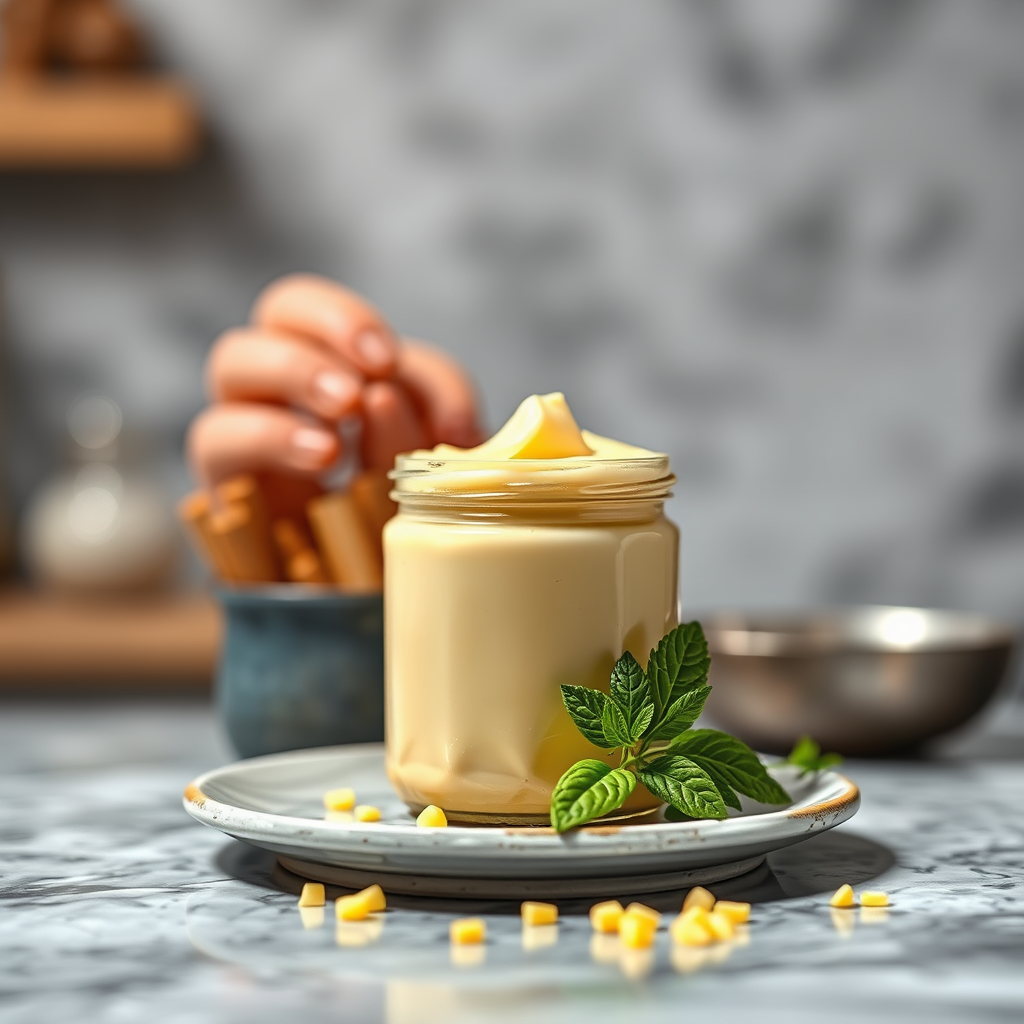
One of the great advantages of making mayonnaise at home is the ability to customize flavors. Here are some delicious ideas:
– Garlic mayonnaise: Add minced garlic or roasted garlic to the mixture for a zesty kick. This variation is excellent for sandwiches and dips.
– Herb-infused mayonnaise: Blend in fresh herbs like basil, dill, or cilantro for a fresh, aromatic twist. This variation pairs wonderfully with grilled meats and seafood.
– Spicy mayonnaise: Incorporate a teaspoon of Dijon mustard or a pinch of cayenne pepper for a spicy version that can elevate burgers and fries.
– Sweet variations: For a unique twist, consider adding a bit of honey or maple syrup along with the acid for a sweet mayonnaise that complements roasted vegetables or as a dressing for salads.
Storage Recommendations

Proper storage ensures the longevity of your homemade olive oil mayonnaise:
– Refrigeration: Store your mayonnaise in an airtight container in the refrigerator. It can last up to one week, but be sure to check for any signs of spoilage before use.
– Avoid contamination: Always use a clean utensil to scoop out the mayonnaise to prevent introducing bacteria that could spoil the batch.
Common Mistakes to Avoid
When making mayonnaise, a few common pitfalls can lead to disappointment. Here are mistakes to watch out for:
– Using cold ingredients: As mentioned earlier, cold eggs and oil can prevent proper emulsification. Ensure all ingredients are at room temperature before starting.
– Adding oil too quickly: Pouring in the oil too fast can cause the mixture to break. Patience is key; a slow, steady drizzle is essential for success.
– Ignoring seasoning: Failing to season your mayonnaise can result in a bland flavor. Don’t forget to taste and adjust with salt or acid to enhance the overall taste.
Top 7 Olive Oil Brands for Mayonnaise (2023)
| # | Brand | Flavor Profile | Acidity | Rating |
|---|---|---|---|---|
| 1 | Colavita | Fruity & Mild | 0.3% | ★★★★☆ |
| 2 | Bertolli | Rich & Robust | 0.4% | ★★★☆☆ |
| 3 | Kirkland Signature | Smooth & Balanced | 0.2% | ★★★★★ |
| 4 | Pompeian | Bold & Peppery | 0.5% | ★★★☆☆ |
| 5 | California Olive Ranch | Bright & Fresh | 0.3% | ★★★★☆ |
| 6 | Lucini | Intense & Complex | 0.4% | ★★☆☆☆ |
| 7 | Filippo Berio | Subtle & Versatile | 0.3% | ★★★★☆ |
Creating your own olive oil mayonnaise is not only easy but also allows you to tailor the flavors to your preference. With just a few ingredients and steps, you can enjoy a fresh, homemade condiment. Grab your ingredients and start blending today for a richer, healthier alternative to commercial mayonnaise! The satisfaction of making something from scratch, combined with the superior taste and health benefits of using quality olive oil, makes this endeavor well worth your time.
Frequently Asked Questions
What are the basic ingredients for a mayonnaise recipe using olive oil?
A basic mayonnaise recipe using olive oil requires just a few simple ingredients: egg yolks, olive oil, lemon juice or vinegar, mustard, and salt. The egg yolks act as an emulsifier, allowing the oil and water-based ingredients to blend smoothly, creating a creamy texture.
How can I make a light and fluffy mayonnaise with olive oil?
To make a light and fluffy mayonnaise with olive oil, start by using room temperature ingredients, as they emulsify better. Whisk the egg yolks vigorously while gradually adding the olive oil in a thin stream, allowing the mixture to thicken before adding more oil. This technique ensures a fluffy consistency.
Why should I use olive oil in my mayonnaise instead of other oils?
Using olive oil in your mayonnaise not only enhances the flavor with its rich and fruity notes but also provides health benefits, including healthy monounsaturated fats and antioxidants. Olive oil is a great choice for those looking to create a nutritious and flavorful homemade mayonnaise.
What is the best type of olive oil to use for mayonnaise?
The best type of olive oil for mayonnaise is extra virgin olive oil, as it offers superior flavor and quality. Look for a high-quality, cold-pressed extra virgin olive oil, as it will impart a fresh taste and maintain the health benefits associated with olive oil.
Which tools are best for making homemade mayonnaise with olive oil?
The best tools for making homemade mayonnaise with olive oil include a whisk, a hand-held or immersion blender, or a food processor. An immersion blender is particularly effective as it allows for easy emulsification and quick preparation, leading to a smooth, creamy mayonnaise in just a few minutes.
References
- Mayo
https://en.wikipedia.org/wiki/Mayo - https://www.cooking.nytimes.com/recipes/1019847-homemade-mayonnaise
https://www.cooking.nytimes.com/recipes/1019847-homemade-mayonnaise - https://www.healthline.com/nutrition/mayonnaise-benefits
https://www.healthline.com/nutrition/mayonnaise-benefits - https://www.cdc.gov/nutrition/food-safety.html
https://www.cdc.gov/nutrition/food-safety.html - Google Scholar Google Scholar
https://scholar.google.com/scholar?q=mayonnaise+recipe+olive+oil - Google Scholar Google Scholar
https://scholar.google.com/scholar?q=homemade+mayonnaise+health+benefits - Google Scholar Google Scholar
https://scholar.google.com/scholar?q=olive+oil+mayonnaise+recipe - https://www.verywellfit.com/mayonnaise-5072595
https://www.verywellfit.com/mayonnaise-5072595 - https://en.wikipedia.org/wiki/Special:Search?search=mayonnaise+recipe+olive+oil
https://en.wikipedia.org/wiki/Special:Search?search=mayonnaise+recipe+olive+oil - https://www.ncbi.nlm.nih.gov/search/research-articles/?term=mayonnaise+recipe+olive+oil
https://www.ncbi.nlm.nih.gov/search/research-articles/?term=mayonnaise+recipe+olive+oil