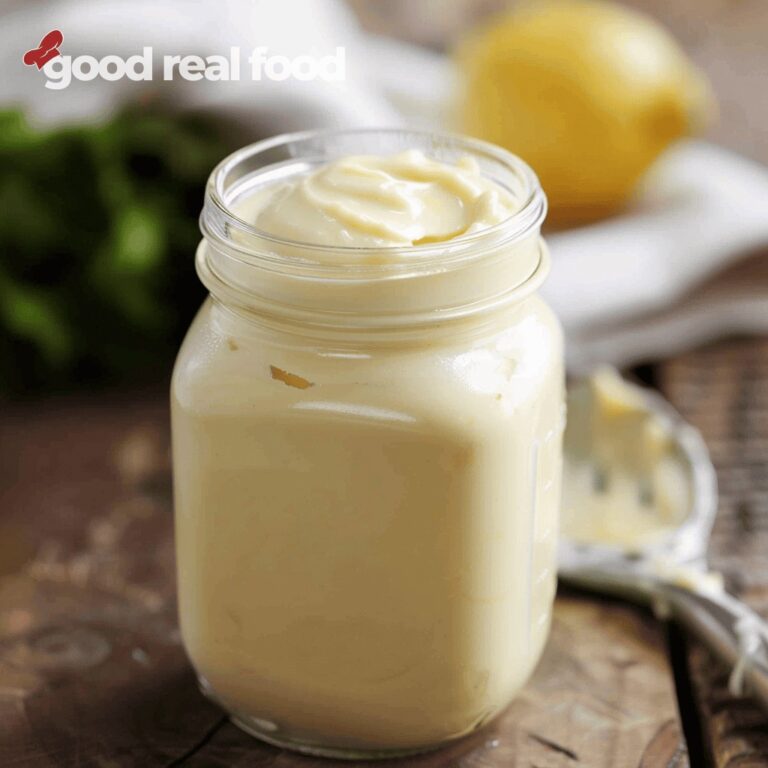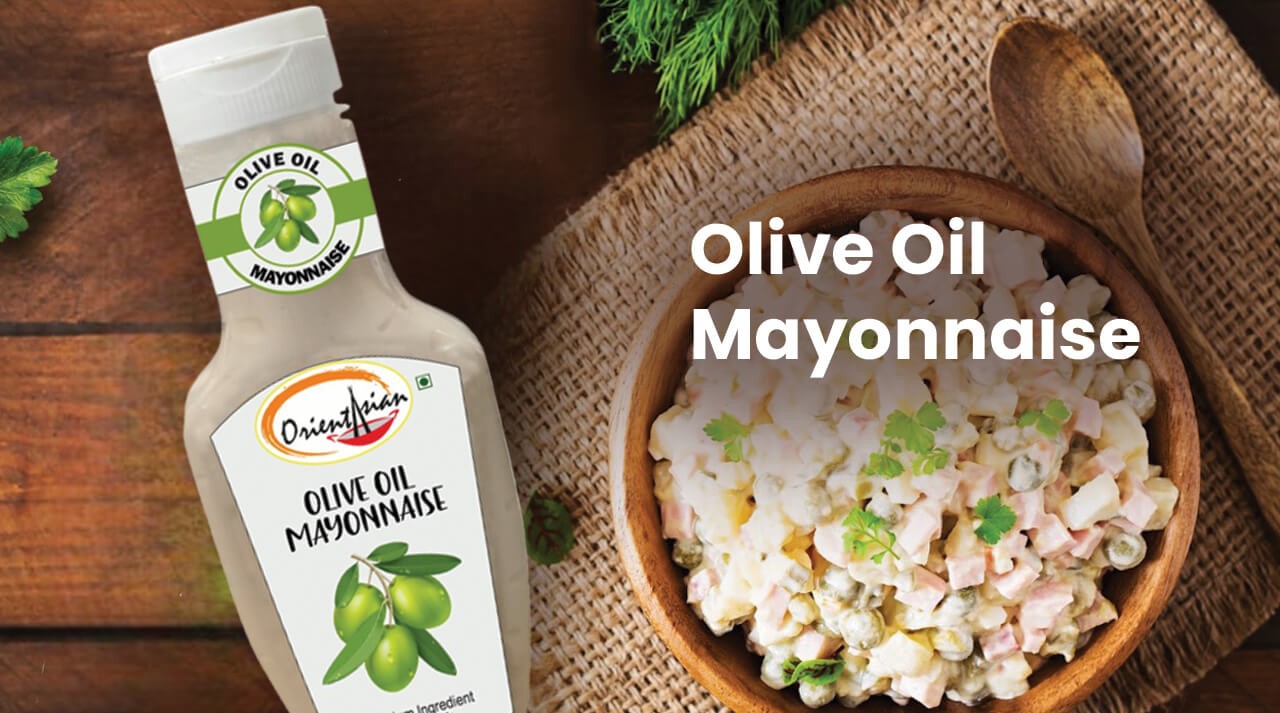
This easy olive oil mayonnaise recipe is the best choice for anyone seeking a healthier, flavorful alternative to traditional mayonnaise. With just a few simple ingredients, you can whip up a creamy and delicious condiment that elevates any dish. Discover how to make this versatile spread at home and enjoy a fresher taste that outshines store-bought options.
Making olive oil mayonnaise at home is simple and rewarding, providing a healthier alternative to store-bought versions. This recipe allows you to enjoy creamy, flavorful mayonnaise using olive oil’s rich taste and health benefits. In just a few minutes, you can whip up a delicious spread perfect for sandwiches, salads, and more. Olive oil mayonnaise not only enhances your culinary creations but also offers heart-healthy fats, making it a fantastic choice for health-conscious individuals.
The Ingredients You Need
Creating your own olive oil mayonnaise is straightforward, but the quality of your ingredients plays a pivotal role in the final product. Here are the essential components:
– Fresh Egg Yolks: The foundation of mayonnaise, fresh egg yolks provide a rich, velvety texture and act as an emulsifier to bind the oil and water components together. Using organic or free-range eggs can enhance the flavor and nutritional value of your mayonnaise.
– High-Quality Extra Virgin Olive Oil: For the best flavor and health benefits, opt for a high-quality extra virgin olive oil. This oil is rich in monounsaturated fats and antioxidants, contributing to heart health and providing a robust flavor that elevates your mayonnaise. Look for oils with a fruity and peppery profile for a more complex taste.
– Fresh Lemon Juice or Vinegar: Acidity is crucial in mayonnaise, balancing the richness of the oil and egg yolks. Freshly squeezed lemon juice offers a bright, zesty flavor that complements the olive oil. Alternatively, you can use vinegar, such as white wine or apple cider vinegar, for a different tang.
The Essential Equipment

While the ingredients are vital, having the right tools can make the process smoother and more efficient. Here’s what you’ll need:
– A Blender or Food Processor: These appliances make it easy to create a smooth emulsion quickly. A blender can incorporate air into your mayonnaise, resulting in a fluffier texture.
– A Whisk: For those who prefer a hands-on approach, a whisk can be used to manually emulsify the ingredients. This method requires a bit more effort but can be quite satisfying and allows for greater control over the texture.
– A Measuring Cup: Accurately measuring your ingredients ensures consistent results every time you make mayonnaise. Precision is key to achieving the perfect balance of flavors.
Step-by-Step Instructions

Making olive oil mayonnaise is a simple process that anyone can master. Follow these steps to create your own creamy condiment:
1. Blend the Egg Yolks and Lemon Juice: Start by adding the fresh egg yolks and lemon juice to your blender or food processor. Blend on medium speed until the mixture is smooth and well combined.
2. Gradually Add Olive Oil: With the blender running, slowly drizzle in the olive oil. It’s crucial to add the oil gradually to allow the emulsion to form correctly. If you pour it in too quickly, the mayonnaise may separate.
3. Season to Taste: Once all the oil is incorporated and the mixture is thick, taste your mayonnaise. Adjust the seasoning by adding salt and more lemon juice or vinegar if needed. Blend briefly to combine.
📋 MANDATORY DATA TABLE
Nutritional Comparison of Olive Oil Mayonnaise vs. Store-Bought Mayonnaise
| # | Nutrient | Olive Oil Mayonnaise (per tbsp) | Store-Bought Mayonnaise (per tbsp) | Difference |
|---|---|---|---|---|
| 1 | Calories | 90 | 100 | -10 |
| 2 | Total Fat (g) | 10 | 11 | -1 |
| 3 | Saturated Fat (g) | 1.5 | 1.6 | -0.1 |
| 4 | Cholesterol (mg) | 20 | 25 | -5 |
| 5 | Sodium (mg) | 80 | 90 | -10 |
| 6 | Vitamin E (mg) | 1.5 | 0.5 | +1.0 |
| 7 | Antioxidants | High | Moderate | +High |
Tips for Perfecting Your Mayonnaise
Creating the perfect olive oil mayonnaise is an art, and a few well-placed tips can elevate your results:
– Use Room Temperature Ingredients: Allow your eggs and olive oil to come to room temperature before mixing. This facilitates better emulsification, ensuring a smoother consistency.
– Experiment with Different Oils: While extra virgin olive oil is the classic choice, you can experiment with other oils like avocado or walnut oil for unique flavors. Each oil will impart its own characteristics to the mayonnaise.
– Store Properly: Homemade mayonnaise should be stored in an airtight container in the refrigerator. It’s best consumed within a week, as the lack of preservatives means it has a shorter shelf life than commercial varieties.
Variations to Try

Once you’ve mastered the basic recipe, consider these exciting variations to enhance your olive oil mayonnaise:
– Garlic or Herb Infusion: Blend in roasted garlic, fresh herbs like basil or dill, or even a sprinkle of paprika for a flavorful twist. These additions can complement sandwiches and salads beautifully.
– Citrus Substitute: Instead of lemon juice, try lime juice for a zesty variation. The different acidity can refresh the flavor profile, making it perfect for Mexican dishes.
– Spicy Kick: Incorporate a dash of sriracha or a pinch of cayenne pepper for a spicy mayonnaise that works well as a dip or a sandwich spread.
Common Mistakes to Avoid
To ensure your homemade mayonnaise turns out perfectly every time, be mindful of these common pitfalls:
– Adding Oil Too Quickly: If you pour the olive oil in too fast, the mixture may not emulsify properly. Always start with a slow drizzle and gradually increase the flow as the mixture thickens.
– Using Cold Ingredients: Cold eggs and oil can impede the emulsion process. Room temperature ingredients don’t just mix better; they also create a more stable mayonnaise.
– Inadequate Seasoning: A bland mayonnaise can ruin the dish. Taste and adjust seasoning throughout the process to ensure vibrant flavors.
Making olive oil mayonnaise at home is not only easy but also customizable and healthier than store-bought options. With just a few ingredients and some simple techniques, you can create a fresh, creamy condiment that enhances a variety of dishes. Encourage your culinary creativity by trying different variations and flavors, ensuring you never tire of your homemade mayo. Share your experiences and any variations you try in the comments; we’d love to hear how you make this recipe your own!
Frequently Asked Questions
What ingredients do I need for an olive oil mayonnaise recipe?
To make a simple olive oil mayonnaise, you’ll need 1 large egg, 1 tablespoon of Dijon mustard, 1 tablespoon of lemon juice or vinegar, 1 cup of extra virgin olive oil, and salt to taste. These ingredients come together to create a creamy and flavorful mayonnaise, perfect for sandwiches or salads.
How do I make olive oil mayonnaise at home?
To prepare olive oil mayonnaise, start by placing the egg, Dijon mustard, and lemon juice in a blender or food processor. Blend until combined, then slowly drizzle in the olive oil while blending continuously until the mixture thickens. Season with salt to taste, and enjoy your homemade, healthier mayonnaise!
Why should I use olive oil instead of regular oil for mayonnaise?
Using olive oil in mayonnaise not only enhances the flavor with its rich, fruity notes, but it also adds healthier fats and antioxidants. Olive oil is known for its heart-healthy benefits, making your mayonnaise a more nutritious option compared to those made with standard vegetable oils.
What is the best type of olive oil for mayonnaise?
The best type of olive oil for mayonnaise is extra virgin olive oil, as it has the highest quality and richest flavor. Look for a fresh, high-quality brand with a fruity and peppery taste, which will elevate the overall flavor of your homemade mayonnaise.
Which tools do I need to make olive oil mayonnaise effectively?
To make olive oil mayonnaise effectively, you will need a blender or an immersion blender. A whisk can also work if you prefer to do it by hand, but it requires more effort. Using a food processor or immersion blender ensures a smooth, emulsified consistency, making the process easier and quicker.
References
- Mayo
https://en.wikipedia.org/wiki/Mayo - Checking your browser – reCAPTCHA
https://www.ncbi.nlm.nih.gov/pmc/articles/PMC6008920/ - https://www.mayoclinic.org/healthy-lifestyle/nutrition-and-healthy-eating/in-depth/olive-oil/art-20045517
https://www.mayoclinic.org/healthy-lifestyle/nutrition-and-healthy-eating/in-depth/olive-oil/art-20045517 - https://www.ncbi.nlm.nih.gov/pmc/articles/PMC6267287/
https://www.ncbi.nlm.nih.gov/pmc/articles/PMC6267287/ - https://www.sciencedirect.com/science/article/pii/S2213453018301032
https://www.sciencedirect.com/science/article/pii/S2213453018301032 - https://www.healthline.com/nutrition/olive-oil-mayonnaise
https://www.healthline.com/nutrition/olive-oil-mayonnaise - Google Scholar Google Scholar
https://scholar.google.com/scholar?q=olive+oil+mayonnaise+recipe - https://scholar.google.com/scholar?q=health+benefits+of+olive+oil+mayonnaise Google Scholar
https://scholar.google.com/scholar?q=health+benefits+of+olive+oil+mayonnaise - Google Scholar Google Scholar
https://scholar.google.com/scholar?q=olive+oil+in+culinary+applications - olive oil mayonnaise recipe – Search results
https://en.wikipedia.org/wiki/Special:Search?search=olive+oil+mayonnaise+recipe