Master the art of making chokecherry jelly with pectin using this complete guide, designed for both novice and seasoned preservers. This resource details the essential steps, safety protocols, and expert tips to ensure your jelly is delicious and safe to enjoy. Understanding the proper techniques is crucial, as mishandling can lead to spoilage or unsafe products. Prepare to create a flavorful and vibrant addition to your pantry that highlights the unique taste of chokecherries.
What This Guide Covers (And What It Doesn’t)
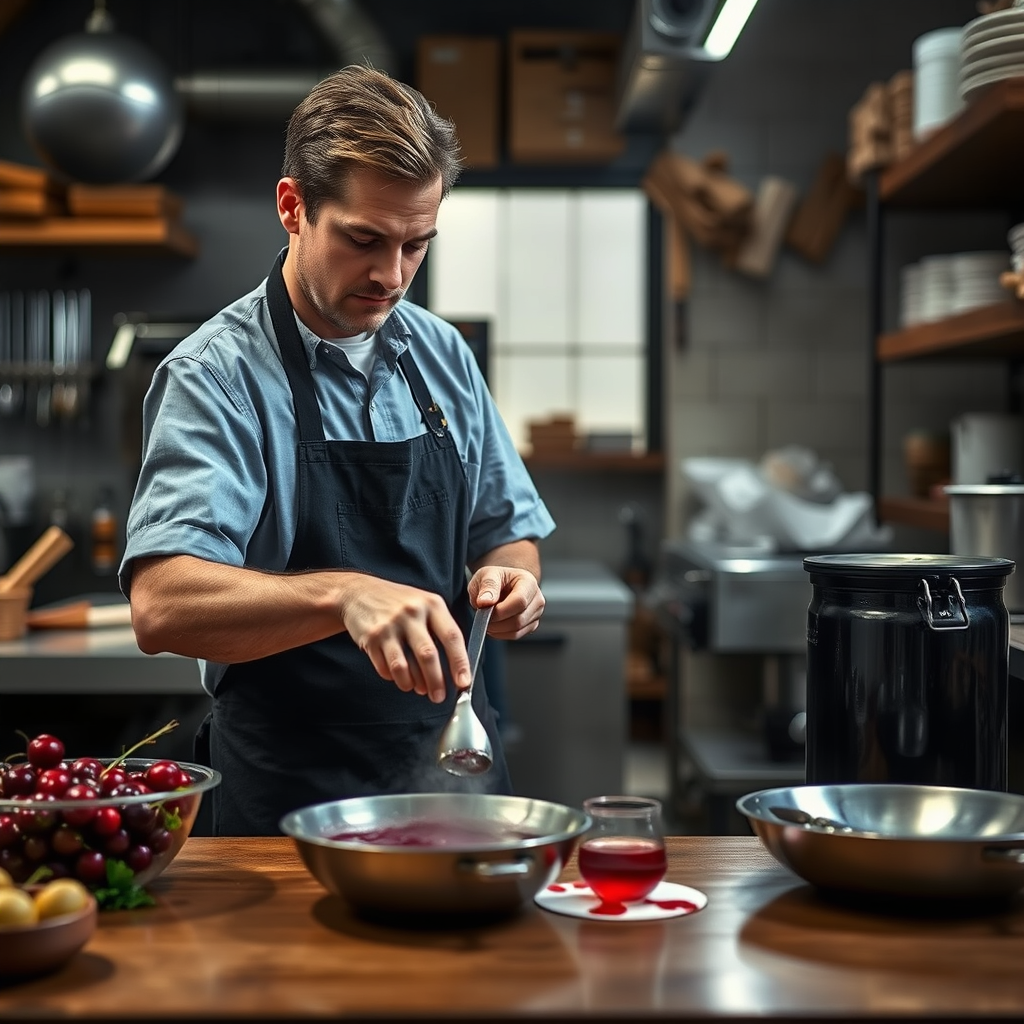
This guide offers a thorough exploration of making chokecherry jelly using pectin, outlining the essential ingredients, equipment, and techniques necessary for successful preservation. It specifically focuses on the various types of pectin suitable for chokecherry jelly and provides insights on how to adjust recipes based on pectin varieties. However, it does not address alternative preservation methods like freezer jelly or recipes for chokecherry wine or syrup.
Who Should Read This
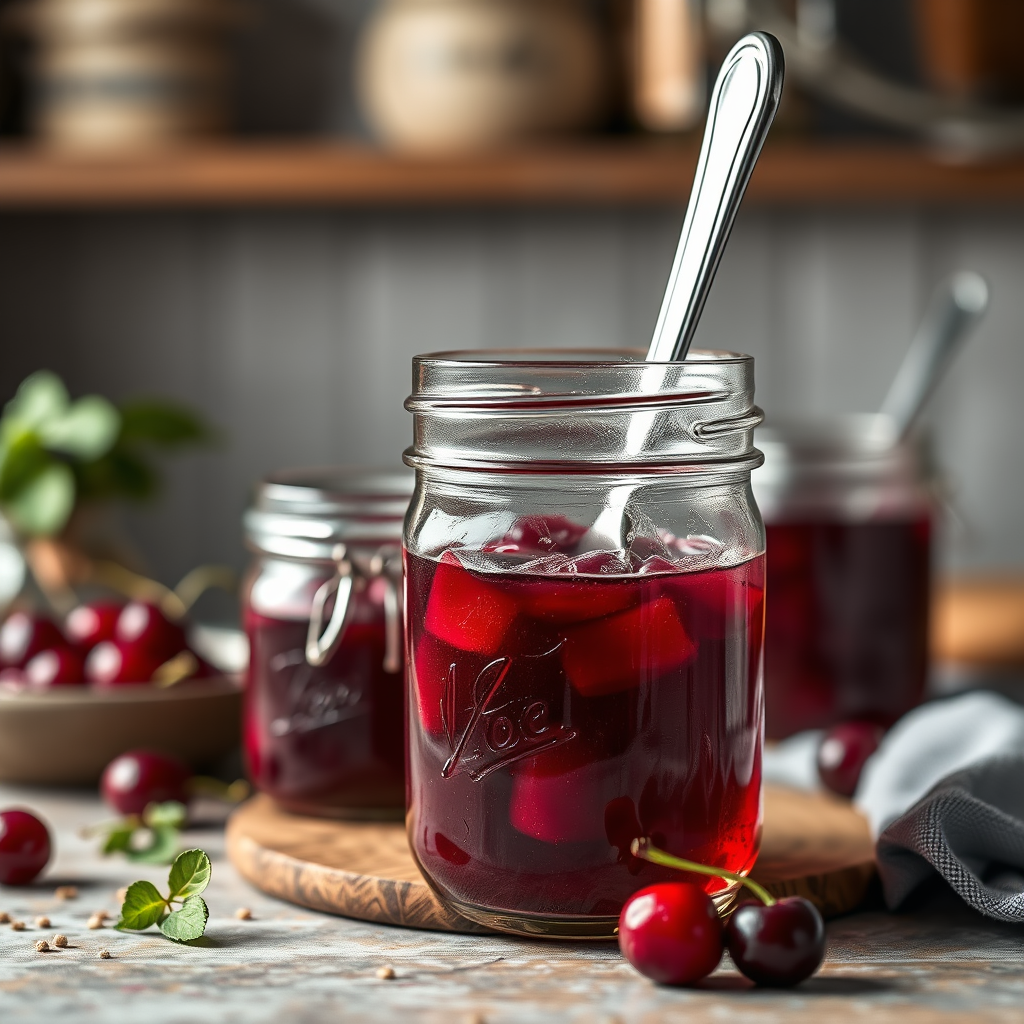
This guide is crafted for home canners and food preservation enthusiasts who possess a basic understanding of canning techniques and equipment. It is particularly beneficial for those familiar with fruit-based preserves but new to using pectin or working specifically with chokecherries. Whether you’re looking to deepen your knowledge of fruit jelly making or are interested in traditional food preservation methods, this guide will serve you well.
The Step-by-Step Protocol
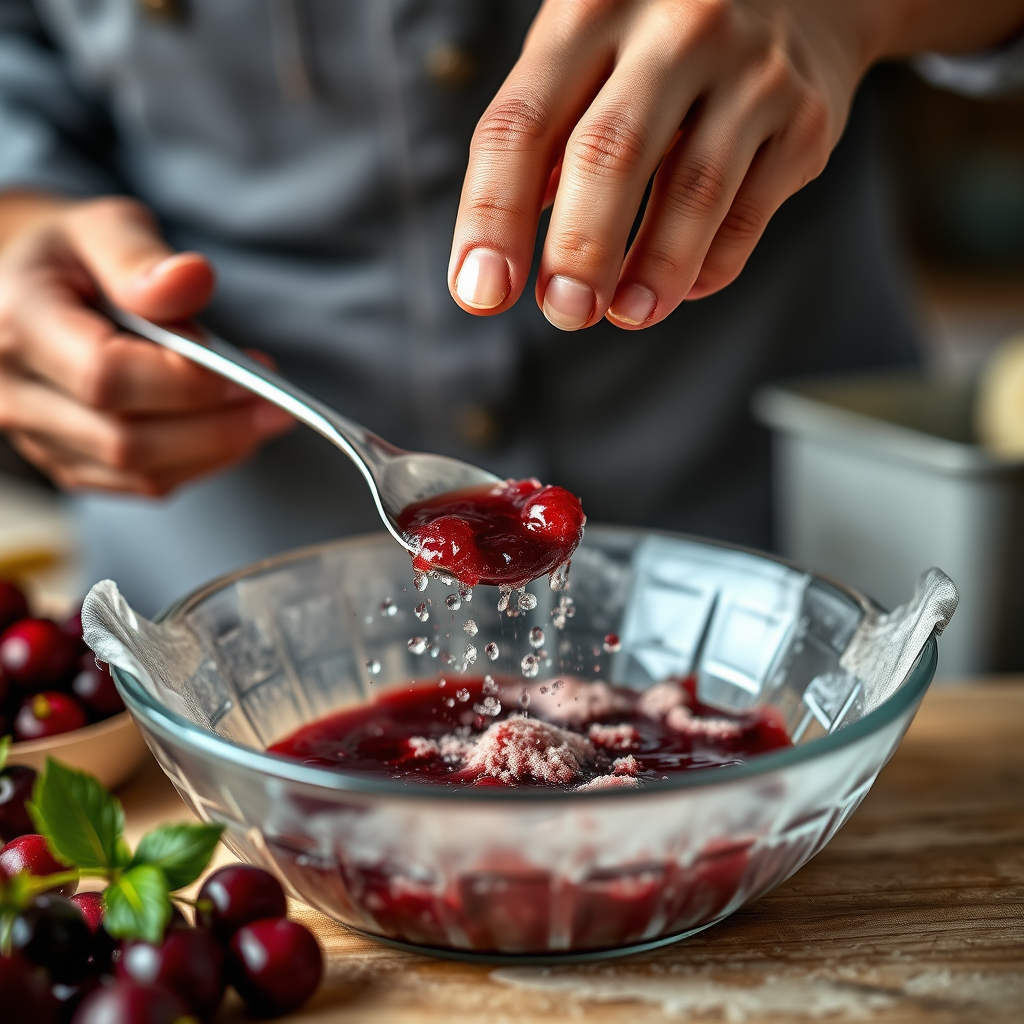
1. Gather Ingredients: Collect 4 cups of ripe chokecherries, 1/4 cup of lemon juice, 1 box (1.75 oz) of pectin (such as Sure-Jell), and 5 cups of granulated sugar.
2. Prepare Chokecherries: Rinse and remove the stems from the chokecherries. Lightly crush them to release their juice and place them in a large pot.
3. Cook the Mixture: Add lemon juice to the crushed chokecherries and heat over medium-high until boiling. Simmer for 10 minutes, then strain through a jelly bag or fine mesh strainer to collect the juice. This process should yield approximately 3 cups of chokecherry juice.
4. Combine and Boil: Measure exactly 3 cups of chokecherry juice and return it to the pot. Stir in the pectin and bring the mixture to a full rolling boil. Once boiling, add the sugar all at once, stirring constantly until dissolved. Continue to boil for an additional 1-2 minutes, ensuring the mixture returns to a full boil.
5. Test for Consistency: To check if the jelly is ready, place a spoonful on a cold plate and let it sit for a minute. Run your finger through the jelly; if it holds its shape and wrinkles slightly, it’s ready for canning.
6. Prepare Jars: While the jelly is boiling, sterilize your canning jars and lids in boiling water for at least 10 minutes. Keep them warm until you’re ready to fill.
7. Fill Jars: Using a ladle, fill the sterilized jars with the hot chokecherry jelly, leaving about 1/4 inch of headspace. Wipe the rims of the jars with a clean, damp cloth to remove any residue.
8. Seal and Process: Place the sterilized lids on the jars and screw on the metal bands until fingertip-tight. Process the jars in a boiling water canner for 5-10 minutes, depending on your altitude.
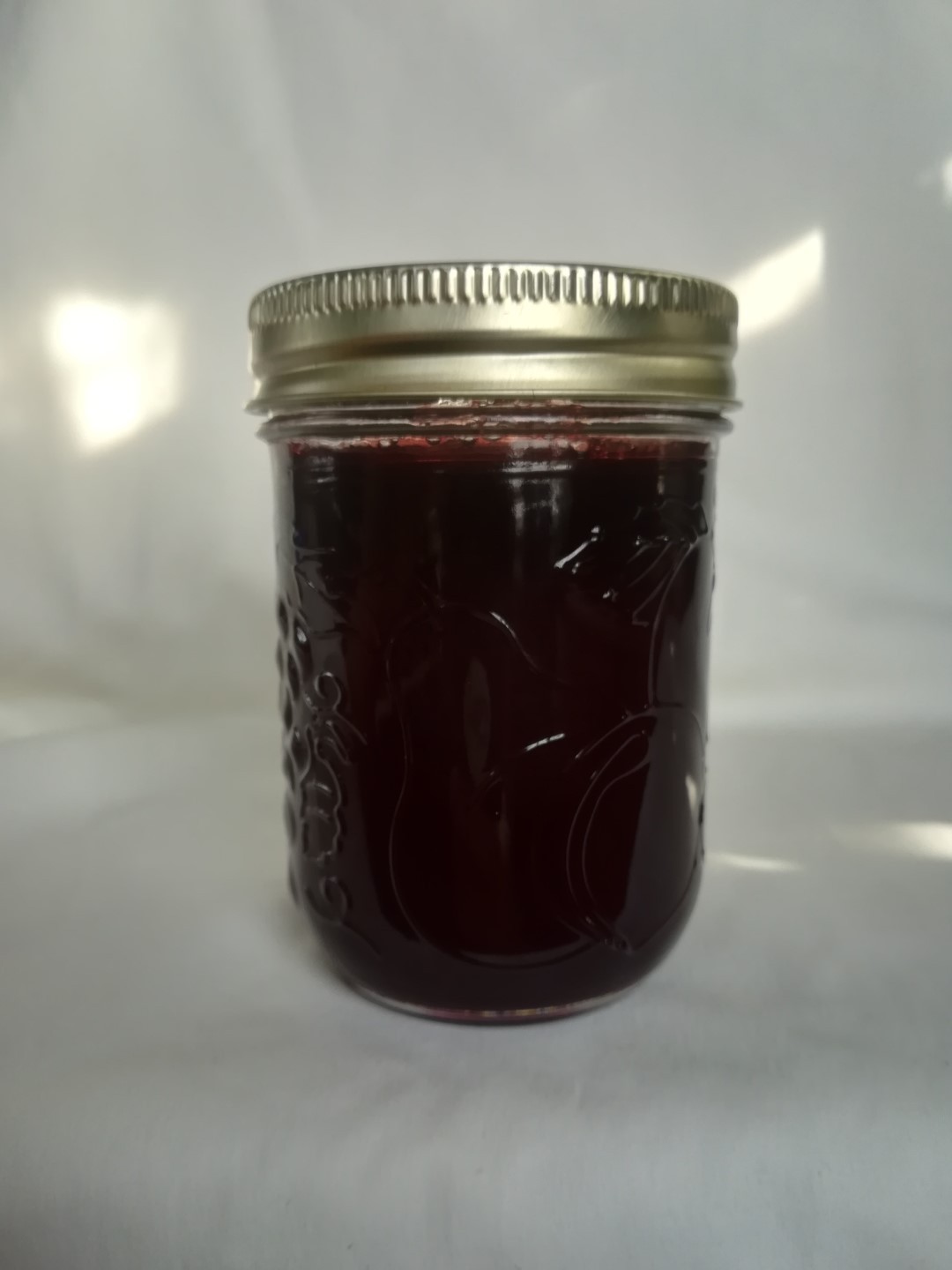
9. Cool and Store: After processing, remove the jars and allow them to cool on a clean towel or cooling rack. Check the seals after 24 hours. If the lids have not popped down, refrigerate the jars and use them within a few weeks.
Chokecherry Jelly Production Overview
| # | Ingredient | Quantity | Notes |
|---|---|---|---|
| 1 | Ripe Chokecherries | 4 cups | Fresh and ripe |
| 2 | Lemon Juice | 1/4 cup | Freshly squeezed |
| 3 | Pectin (Sure-Jell) | 1 box (1.75 oz) | Regular pectin |
| 4 | Granulated Sugar | 5 cups | White granulated |
| 5 | Canning Jars | 8 jars | 8 oz size recommended |
| 6 | Lids | 8 lids | New or reusable |
| 7 | Water | For processing | Boiling water canner |
Warning Signs: When Not to Follow This

– If the chokecherries are overripe, moldy, or fermented, do not attempt to make jelly, as this can lead to spoilage and food safety risks.
– Avoid using homemade or older pectin that has surpassed its expiration date, as this may result in improper gel formation and spoilage.
– Do not proceed with the recipe if you lack proper canning equipment (e.g., jars, lids, boiling water canner) essential for safe preservation.
The Most Common Mistakes (And Their Consequences)
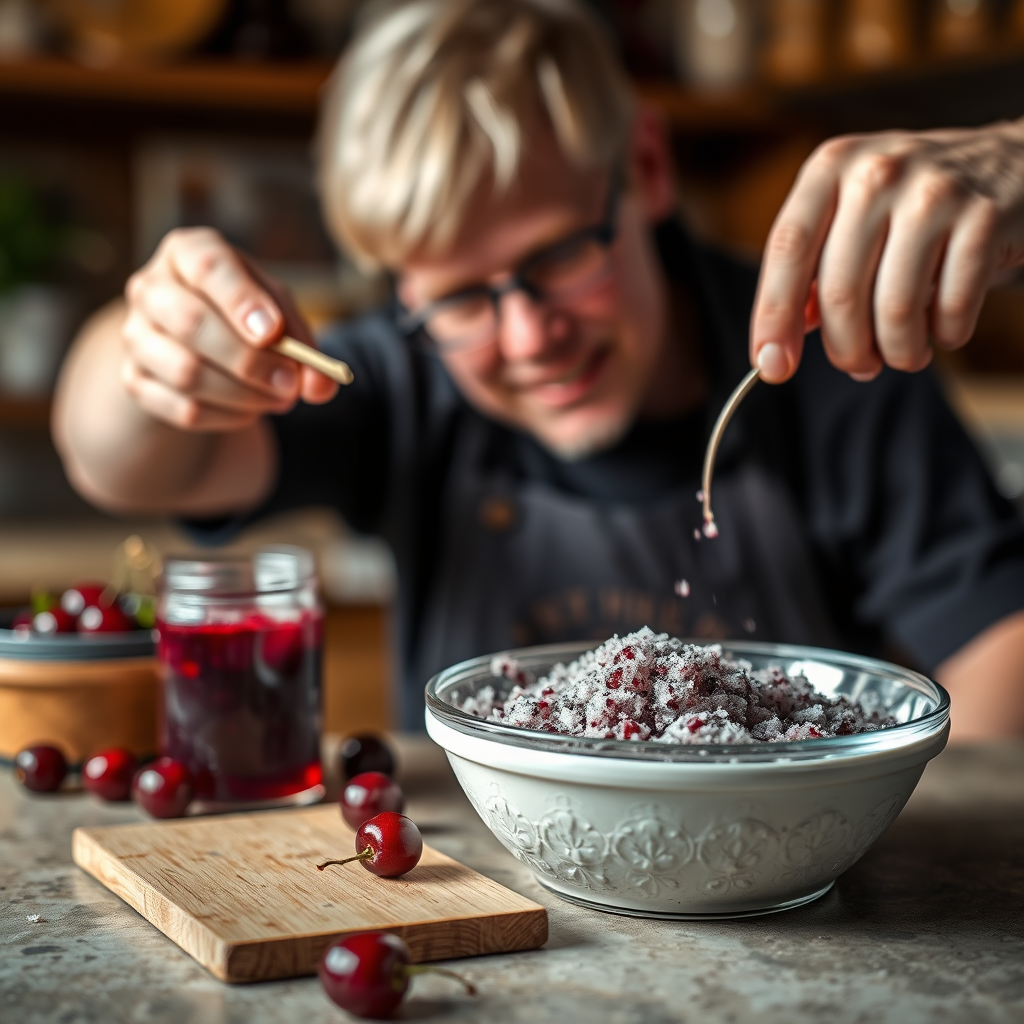
– Failing to measure the chokecherry juice accurately can result in jelly that is either too runny or overly thick, affecting both taste and texture.
– Skipping the boiling step after adding sugar can prevent the jelly from setting properly, leading to syrup instead of jelly.
– Neglecting to sterilize jars and lids appropriately can introduce bacteria, resulting in spoilage and potential foodborne illness.
Special Cases That Need a Different Approach
– If using low-sugar pectin, be sure to follow the manufacturer’s instructions for sugar ratios, as this can significantly affect the jelly’s consistency and safety.
– For those with dietary restrictions, consider sugar substitutes compatible with pectin jelly recipes, adjusting quantities accordingly.
– If you are at high altitude (above 1,000 feet), you may need to extend boiling times and adjust sugar and pectin amounts to ensure proper setting. For example, you might need to increase the sugar by 1/4 cup and extend the boiling time by 1-2 minutes.
When You Need a Professional
– If you encounter issues such as persistent spoilage or signs of botulism (e.g., bulging lids, off-smells), it is crucial to seek advice from a food preservation expert or local extension service.
– Those looking to scale up production beyond home canning should consult with a food scientist or professional canner to ensure compliance with safety regulations and best practices.
– If you are uncertain about the safety of your chokecherries or the canning process, it is advisable to contact a local health department or food safety expert.
Sources and Further Reading
– The National Center for Home Food Preservation (NCHFP) offers guidelines on food safety and preservation techniques, specifically addressing pectin use in jelly making.
– “The Ball Complete Book of Home Preserving” provides extensive recipes and methods for various jelly types, including chokecherry jelly made with pectin.
– The USDA Guide to Home Canning includes detailed procedures, safety tips, and troubleshooting for home canning practices.
By following these guidelines, you will not only create delicious chokecherry jelly that preserves the fruit’s vibrant flavor but also adhere to essential food safety standards. Embrace the canning process and savor the delightful taste of your homemade jelly!
Frequently Asked Questions
What ingredients do I need for a chokecherry jelly recipe using pectin?
To make chokecherry jelly using pectin, you will need ripe chokecherries, granulated sugar, water, and pectin. The pectin helps to thicken the jelly and achieve the desired consistency. It’s essential to use high-quality fruit and follow the pectin package instructions for the best results.
How do I prepare chokecherries for making jelly?
To prepare chokecherries for jelly, start by washing them thoroughly to remove any dirt or debris. Next, remove the stems and crush the berries slightly to release their juice. You can then simmer the crushed chokecherries in water to extract more juice, which is crucial for your jelly recipe.
Why is pectin important in making chokecherry jelly?
Pectin is vital in making chokecherry jelly because it acts as a gelling agent that helps the jelly set properly. Without pectin, the jelly may remain runny and not achieve the desired firmness. Using the right amount of pectin ensures that your chokecherry jelly has a smooth texture and holds its shape.
What is the best method to ensure chokecherry jelly sets properly?
The best method to ensure your chokecherry jelly sets properly is to follow the pectin manufacturer’s instructions closely, including the correct ratio of fruit juice to sugar. Additionally, bring the mixture to a rolling boil and maintain it for the required time, while constantly stirring. Testing the jelly with a spoon or plate to check for the desired gel consistency can also help.
Which type of pectin is recommended for chokecherry jelly recipes?
For chokecherry jelly recipes, both liquid and powdered pectin can be used, but powdered pectin is often recommended due to its ease of use and consistent results. Look for a brand that specifically states it’s suitable for making jelly. Always check the package instructions for the proper usage to ensure your jelly sets perfectly.
References
- Prunus virginiana
https://en.wikipedia.org/wiki/Chokecherry - https://www.extension.purdue.edu/extmedia/FS/FS-2-W.pdf
https://www.extension.purdue.edu/extmedia/FS/FS-2-W.pdf - https://www.fs.usda.gov/wildflowers/plant-of-the-week/prunus_virginiana.shtml
https://www.fs.usda.gov/wildflowers/plant-of-the-week/prunus_virginiana.shtml - High-fat diet and chronic stress aggravate adrenal function abnormality induced by prenatal caffe…
https://www.ncbi.nlm.nih.gov/pmc/articles/PMC5665976/ - https://www.extension.umn.edu/garden/yard-garden/fruit/chokecherry/
https://www.extension.umn.edu/garden/yard-garden/fruit/chokecherry/ - Chokecherries raw foods
https://www.nutritionvalue.org/Chokecherries%2C_raw_nutritional_value.html - Google Scholar Google Scholar
https://scholar.google.com/scholar?q=chokecherry+jelly+recipe+pectin - Google Scholar Google Scholar
https://scholar.google.com/scholar?q=pectin+in+fruit+preservation - Google Scholar Google Scholar
https://scholar.google.com/scholar?q=fruit+jelly+preservation+methods - chokecherry jelly recipe pectin – Search results
https://en.wikipedia.org/wiki/Special:Search?search=chokecherry+jelly+recipe+pectin