Master the art of making prickly pear jelly with this comprehensive guide, tailored for both novice and experienced cooks. This expert protocol outlines essential steps, from selecting ripe prickly pears to ensuring safe canning practices, crucial for preserving flavor and preventing foodborne illness. Following these precise instructions guarantees a delicious and safe homemade jelly that captures the unique taste of prickly pears.
What This Guide Covers (And What It Doesn’t)
This guide offers a thorough, step-by-step approach to safely making prickly pear jelly, detailing ingredient specifics, equipment requirements, and techniques to ensure a successful outcome. We will focus on the preparation of prickly pear jelly, emphasizing essential safety and preservation measures. While it does not delve into alternative jelly recipes or other uses of prickly pear, it centers exclusively on the processes and considerations relevant to this specific recipe. Grounded in established home canning protocols, this guide prioritizes food safety, especially when using prickly pear fruit sourced from reputable locations.
Who Should Read This
This guide is tailored for home cooks who possess a basic understanding of canning and preserving, particularly those acquainted with general food safety principles and sterilization methods. It is perfect for individuals eager to explore unique flavors and ingredients, especially those looking to utilize prickly pears—an intriguing fruit that may be unfamiliar to some. Readers seeking detailed, technical guidance on producing prickly pear jelly, complete with specific measurements and safety protocols, will find this guide invaluable.
The Step-by-Step Protocol
1. Gather Ingredients: You will need 4 cups of ripe prickly pear juice, 1/4 cup of lemon juice, 1 package (1.75 oz) of fruit pectin, and 5 cups of granulated sugar. Ensure all ingredients are fresh and free from preservatives or additives.
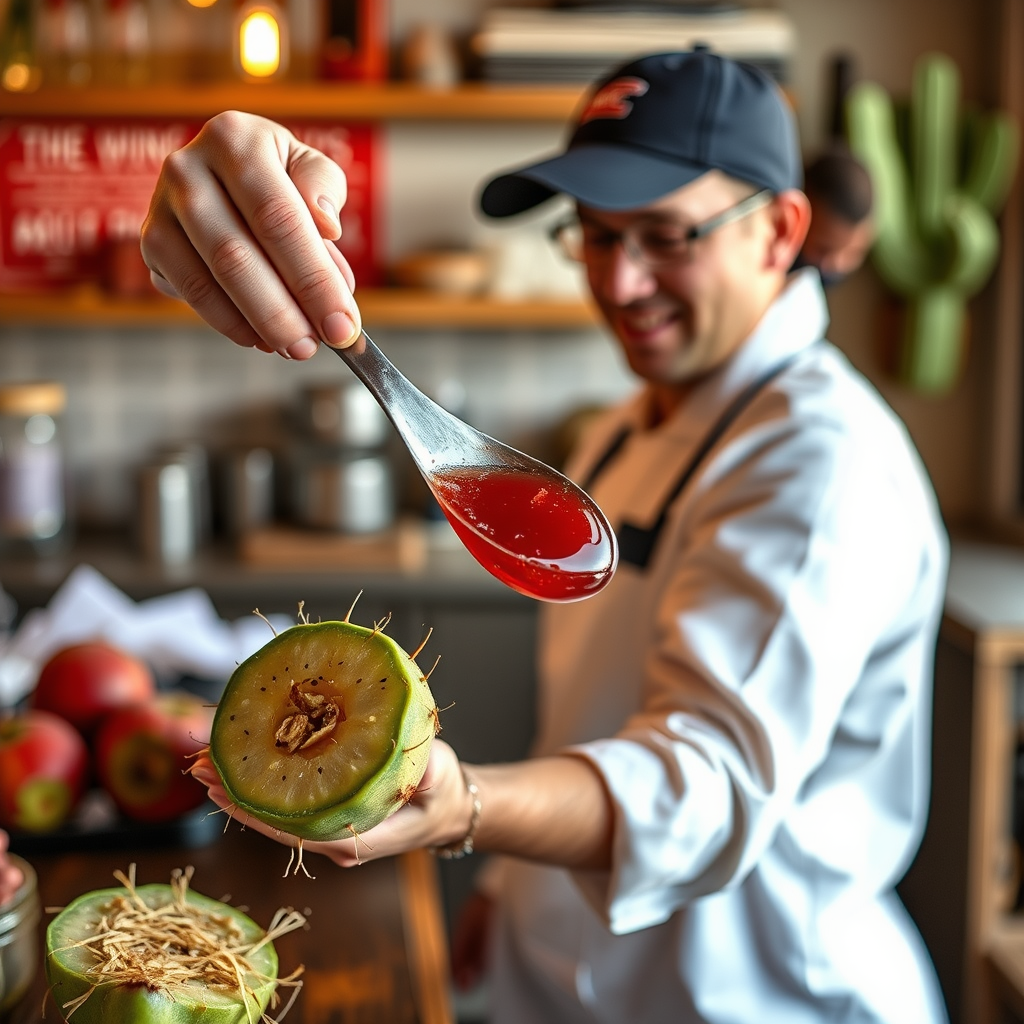
2. Prepare the Prickly Pears: Carefully peel and remove the spines from 5-6 ripe prickly pears. Use gloves to protect your hands from the spines. Blend the peeled pears with 1 cup of water until smooth. Strain this mixture through a fine mesh sieve or cheesecloth to collect the juice, which should yield about 4 cups. Discard any solids.
3. Combine Ingredients: In a large, stainless steel pot, combine the prickly pear juice, lemon juice, and pectin. Stir constantly over medium heat until the mixture begins to boil. Ensure that the pectin is fully dissolved before the boiling point is reached.
4. Add Sugar: Once boiling, add the 5 cups of granulated sugar all at once. Stir continuously until the sugar is completely dissolved and the mixture returns to a rolling boil. Boil for exactly 1 minute to activate the pectin and set the jelly.
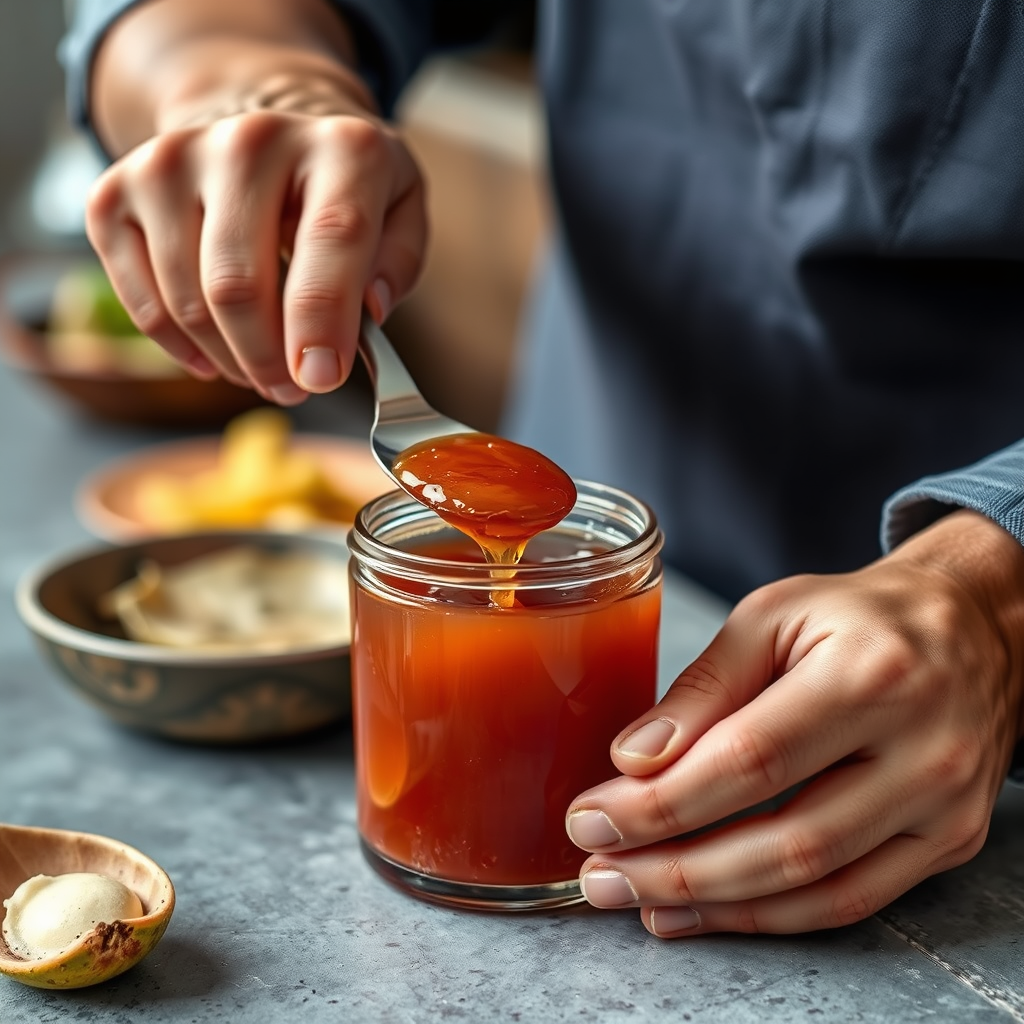
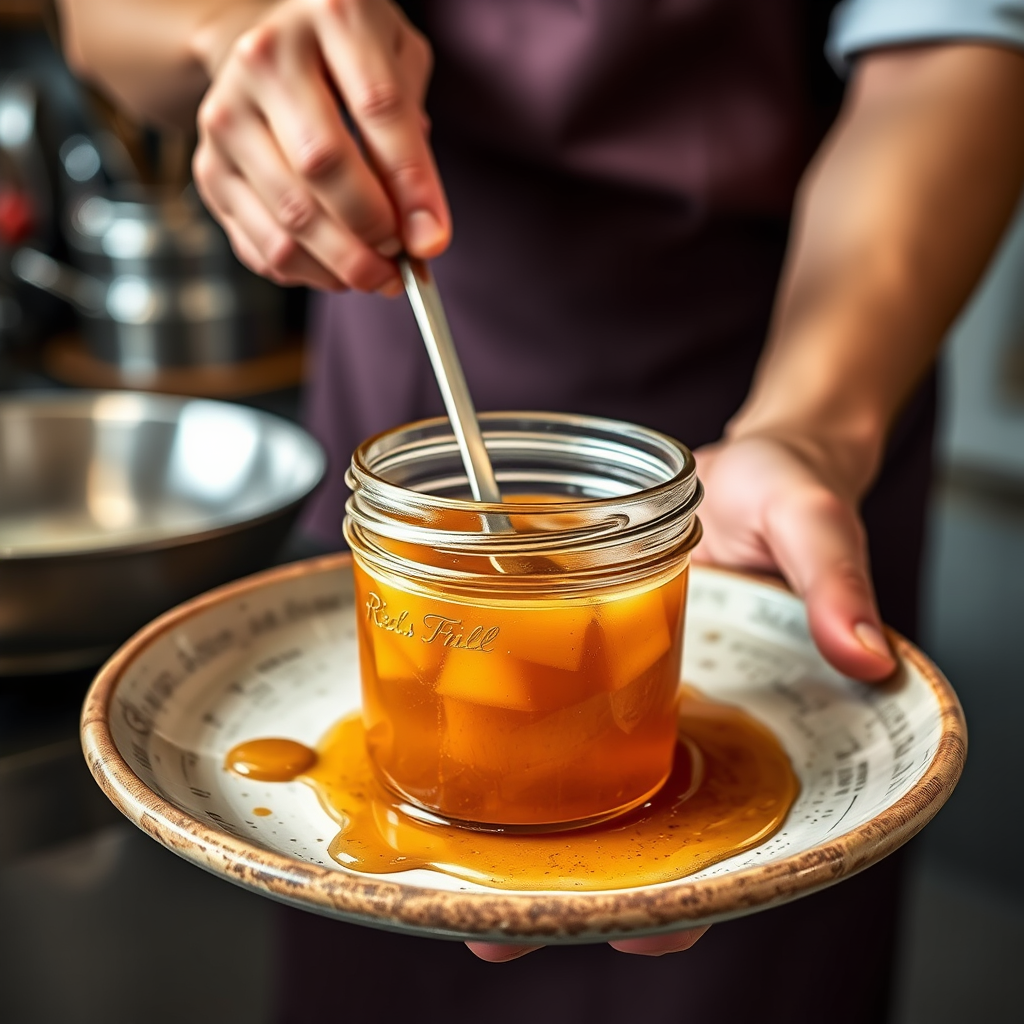
5. Jar and Process: Pour the hot jelly into sterilized jars, leaving 1/4-inch headspace. Wipe the rims with a clean, damp cloth to remove any residue that could prevent sealing. Apply sterilized lids and process in a boiling water bath for 10 minutes to ensure proper sealing.
Nutritional Comparison of Prickly Pear Jelly Ingredients
| # | Ingredient | Calories (per 100g) | Sugar (g) | Vitamin C (%) |
|---|---|---|---|---|
| 1 | Prickly Pear Juice | 50 | 10.5 | 14% |
| 2 | Granulated Sugar | 387 | 100 | 0% |
| 3 | Lemon Juice | 22 | 1.5 | 38% |
| 4 | Fruit Pectin | 100 | 0 | 0% |
Warning Signs: When Not to Follow This
– If your prickly pears exhibit signs of spoilage, such as an off smell, discoloration, or mold, do not use them for jelly making; doing so can lead to foodborne illness.
– Avoid this recipe if you are uncertain about your ability to follow proper canning techniques, particularly if you lack experience in boiling water bath canning. Inadequate canning processes can result in unsafe products.
– If you have allergies to prickly pear or any other ingredients in this recipe, do not attempt to make this jelly, as it could trigger a serious allergic reaction.
The Most Common Mistakes (And Their Consequences)
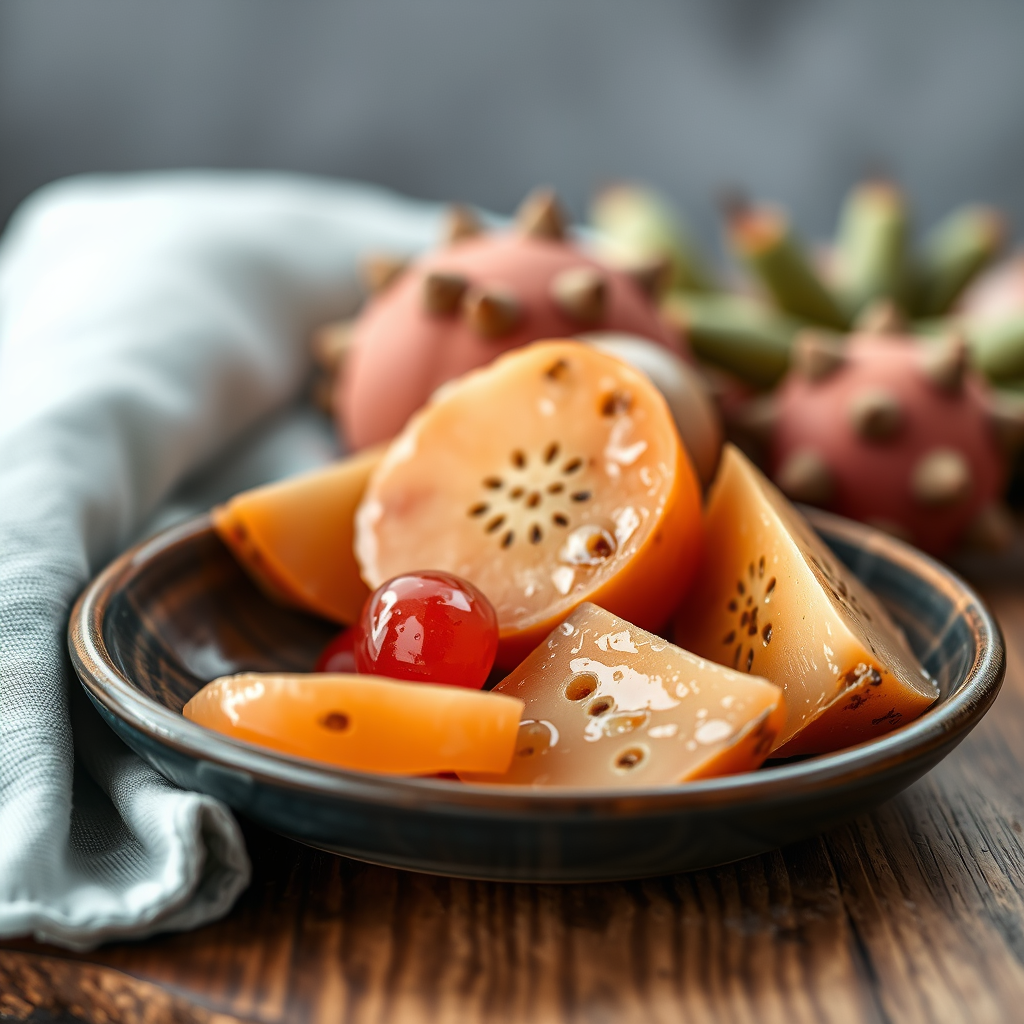
– Skipping the Pectin: Omitting the recommended amount of pectin can yield a jelly that fails to set properly, resulting in a syrupy consistency instead of a firm jelly.
– Inaccurate Measurements: Inexact measurements of prickly pear juice or sugar can compromise the jelly’s flavor and texture. Always use a liquid measuring cup for juice and a kitchen scale for sugar to ensure accuracy.
– Insufficient Processing Time: Failing to process the jars for the full 10 minutes in the boiling water bath can lead to unsealed jars, allowing bacteria to contaminate the jelly. This can result in spoilage or foodborne illness.
Special Cases That Need a Different Approach
– If you are using frozen prickly pears, allow them to thaw completely and drain any excess liquid before extracting the juice. The thawing process can alter the final product’s consistency, so monitor the texture closely before proceeding with the recipe.
– For those preferring a less sweet jelly, consider reducing the sugar to 4 cups. However, note that this may impact the gelling process and overall preservation, potentially leading to a less stable jelly.
– If you are canning in high-altitude areas (above 1,000 feet), adjust the processing time by adding an additional minute for every 1,000 feet of elevation, as higher altitudes can affect boiling temperature and sealing.
When You Need a Professional
– If a batch of jelly fails to seal properly after the recommended processing time, do not attempt to reprocess it; instead, consult a food safety expert or local extension office for guidance on safe handling and storage options. Improperly sealed jars pose spoilage risks.
– Should you experience adverse reactions after consuming prickly pear jelly, such as severe gastrointestinal symptoms, seek immediate medical attention to determine if professional intervention is necessary.
– If you are on a restricted diet and uncertain about incorporating prickly pear jelly into your meals, or if you have underlying health concerns that may be impacted by high sugar content, consult a qualified nutritionist or dietitian.
Sources and Further Reading
– National Center for Home Food Preservation: Guidelines on safe canning practices, specifically for fruit preserves and jelly making.
– University of California Agriculture and Natural Resources: Comprehensive resources on prickly pears, including their nutritional information and preservation methods.
– Ball Canning Book: A trusted reference for home canning that includes tested recipes for fruit jellies and preserves, focusing on safety and quality.
This guide serves as a comprehensive overview of the prickly pear jelly-making process, empowering you to embark on this culinary adventure with confidence and assurance of safety. Enjoy the unique flavor and vibrant color that prickly pear jelly adds to your culinary repertoire.
Frequently Asked Questions
What ingredients do I need for a prickly pear jelly recipe?
To make prickly pear jelly, you will need fresh prickly pear fruit, granulated sugar, pectin, lemon juice, and water. Ensure you have ripe, vibrant prickly pears to achieve the best flavor and color in your jelly.
How do I prepare prickly pears for jelly making?
To prepare prickly pears, first, wear gloves to avoid the tiny spines. Cut off the ends of each pear, then slice the skin lengthwise and peel it away to reveal the flesh. Blend the fruit in a blender or food processor, strain the puree through a fine mesh sieve to remove seeds and pulp, and you’ll have the juice needed for your jelly.
Why is pectin important in a prickly pear jelly recipe?
Pectin is a natural thickening agent that helps your prickly pear jelly set properly. It binds with the sugar and acid in the fruit juice, creating a gel-like consistency that gives the jelly its characteristic texture. Without pectin, your jelly may remain runny and not achieve the desired firmness.
What is the best way to store prickly pear jelly?
The best way to store prickly pear jelly is in sterilized glass jars with airtight lids. Keep the jelly in a cool, dark place, such as a pantry, for up to a year. Once opened, it should be refrigerated and consumed within a few weeks for optimal flavor and freshness.
Which recipes pair well with prickly pear jelly?
Prickly pear jelly pairs wonderfully with a variety of dishes, including breakfast foods like toast, pancakes, and waffles. It also complements savory items such as cheese platters, grilled meats, or as a glaze for roasted vegetables, adding a unique sweetness and vibrant color to your meals.
References
- Prickly pear
https://en.wikipedia.org/wiki/Prickly_pear - Screening of Critical Genes and MicroRNAs in Blood Samples of Patients with Ruptured Intracranial…
https://www.ncbi.nlm.nih.gov/pmc/articles/PMC5618721/ - https://www.sciencedirect.com/topics/agricultural-and-biological-sciences/prickly-pear
https://www.sciencedirect.com/topics/agricultural-and-biological-sciences/prickly-pear - Primary angioplasty after distal intracoronary infusion of nicorandil solution mixed with contras…
https://www.ncbi.nlm.nih.gov/pmc/articles/PMC7493107/ - Improving end-of-life care: recommendations on professional development for physicians – PMC
https://www.ncbi.nlm.nih.gov/pmc/articles/PMC4954091/ - Google Scholar Google Scholar
https://scholar.google.com/scholar?q=prickly+pear+jelly+recipe - Google Scholar Google Scholar
https://scholar.google.com/scholar?q=prickly+pear+jam+benefits - Google Scholar Google Scholar
https://scholar.google.com/scholar?q=prickly+pear+preservation - Prickly pear | Description, Uses, & Species | Britannica
https://www.britannica.com/plant/prickly-pear - https://www.fs.usda.gov/wildflowers/plant-of-the-week/opuntia.html
https://www.fs.usda.gov/wildflowers/plant-of-the-week/opuntia.html