Mastering the art of making bacon jam requires precision and attention to safety protocols, and this expert guide provides you with a step-by-step recipe to achieve that perfect balance of sweet and savory. Designed for both novice cooks and seasoned chefs, it covers essential techniques and safety tips to ensure your bacon jam is not only delicious but also safe to enjoy. Following these guidelines is crucial for preventing foodborne illnesses and achieving the best flavor.
What This Guide Covers (And What It Doesn’t)
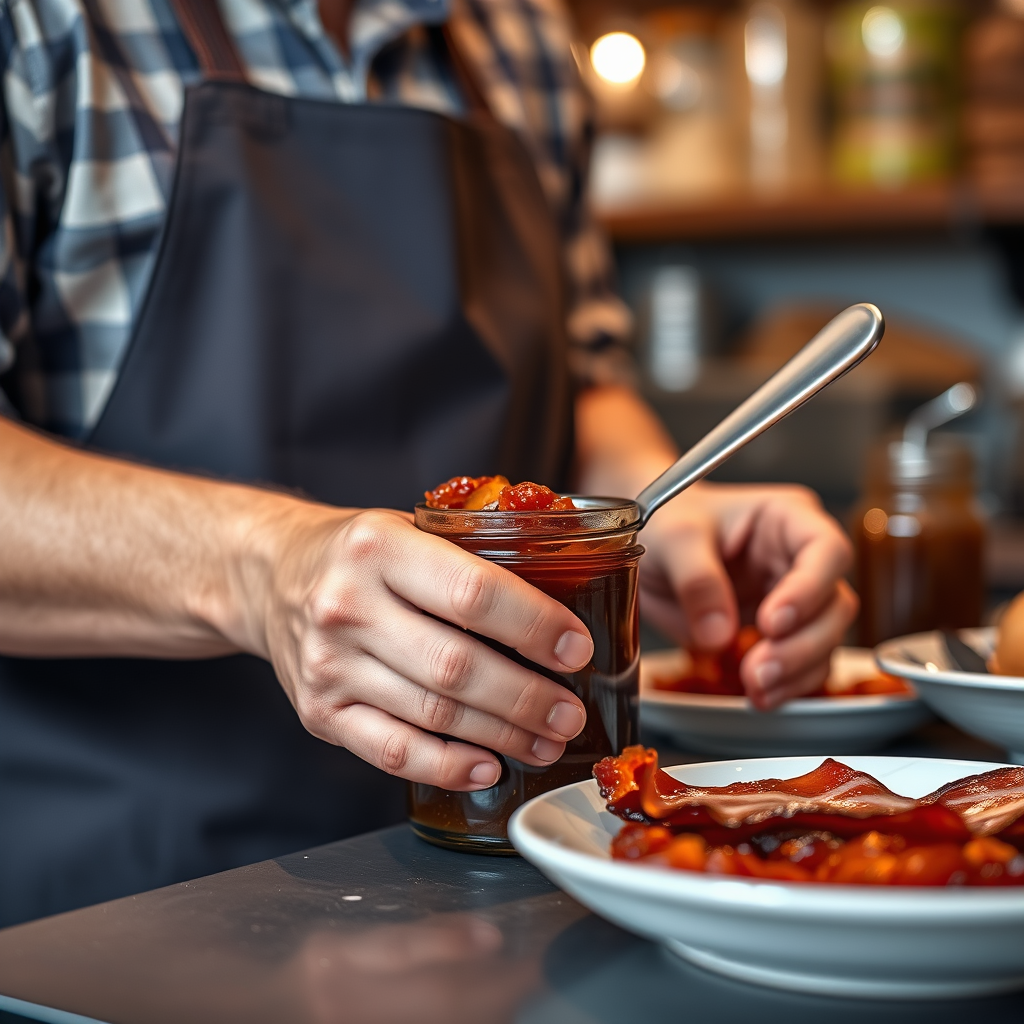
This guide offers a comprehensive, step-by-step approach to safely making bacon jam, covering ingredient selection, preparation techniques, and storage methods. It specifically focuses on home preparation, prioritizing food safety and optimal flavor, while intentionally omitting commercial production or preservation methods beyond standard home canning. You’ll discover the essential ingredients, including various types of bacon and flavor enhancers like onions and brown sugar, as well as the necessary cooking equipment. However, variations on bacon jam recipes and pairing techniques with dishes are not included, allowing for a concentrated exploration of the core method.
Who Should Read This
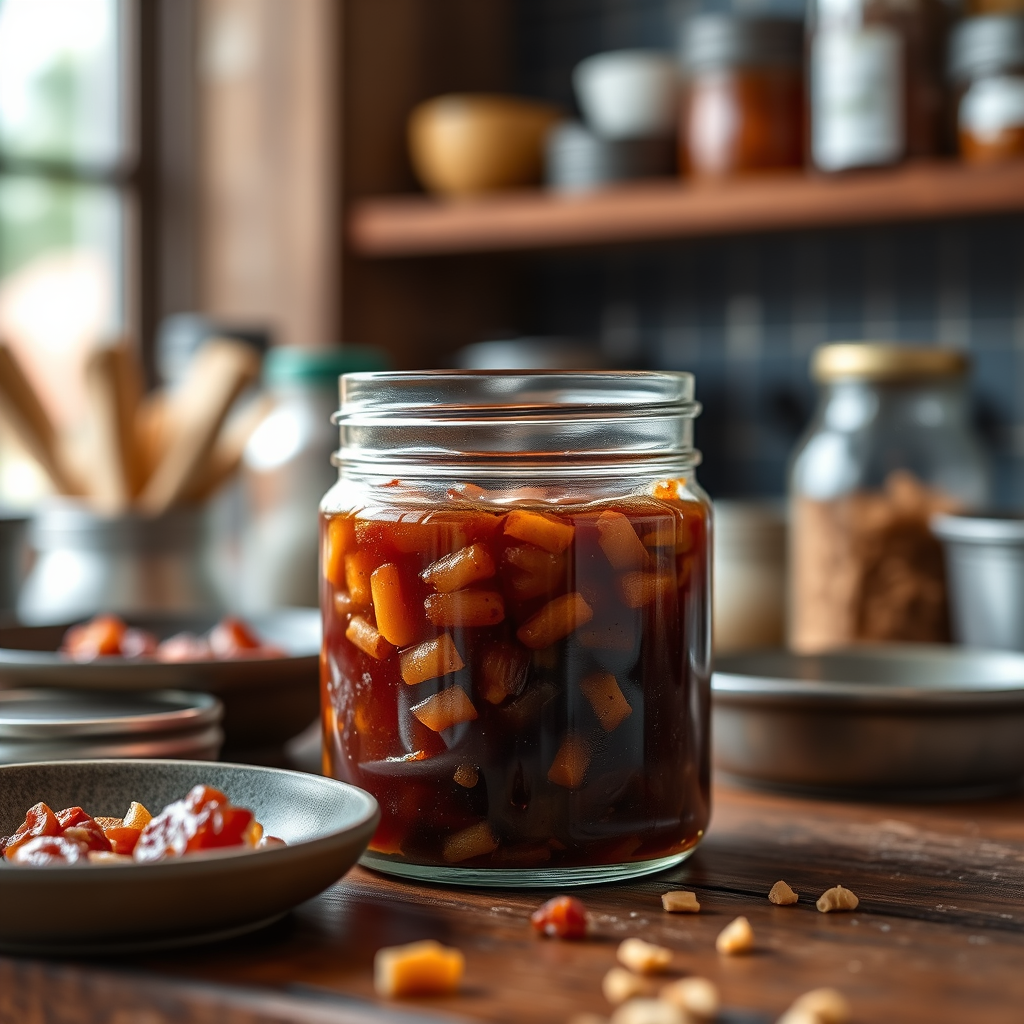
This guide is tailored for home cooks who possess a basic understanding of cooking techniques and food safety, eager to add a unique and flavorful condiment to their culinary repertoire. It is particularly suited for individuals familiar with common kitchen equipment such as stovetops, blenders, and canning jars, yet who may lack experience in making preserves or jams. Those interested in gourmet cooking, food preservation, or crafting unique condiments will find the detailed instructions and safety protocols invaluable. However, this guide may not suit complete beginners or individuals without a fundamental grasp of food hygiene practices, as these skills are crucial for successfully executing the recipe.
The Step-by-Step Protocol
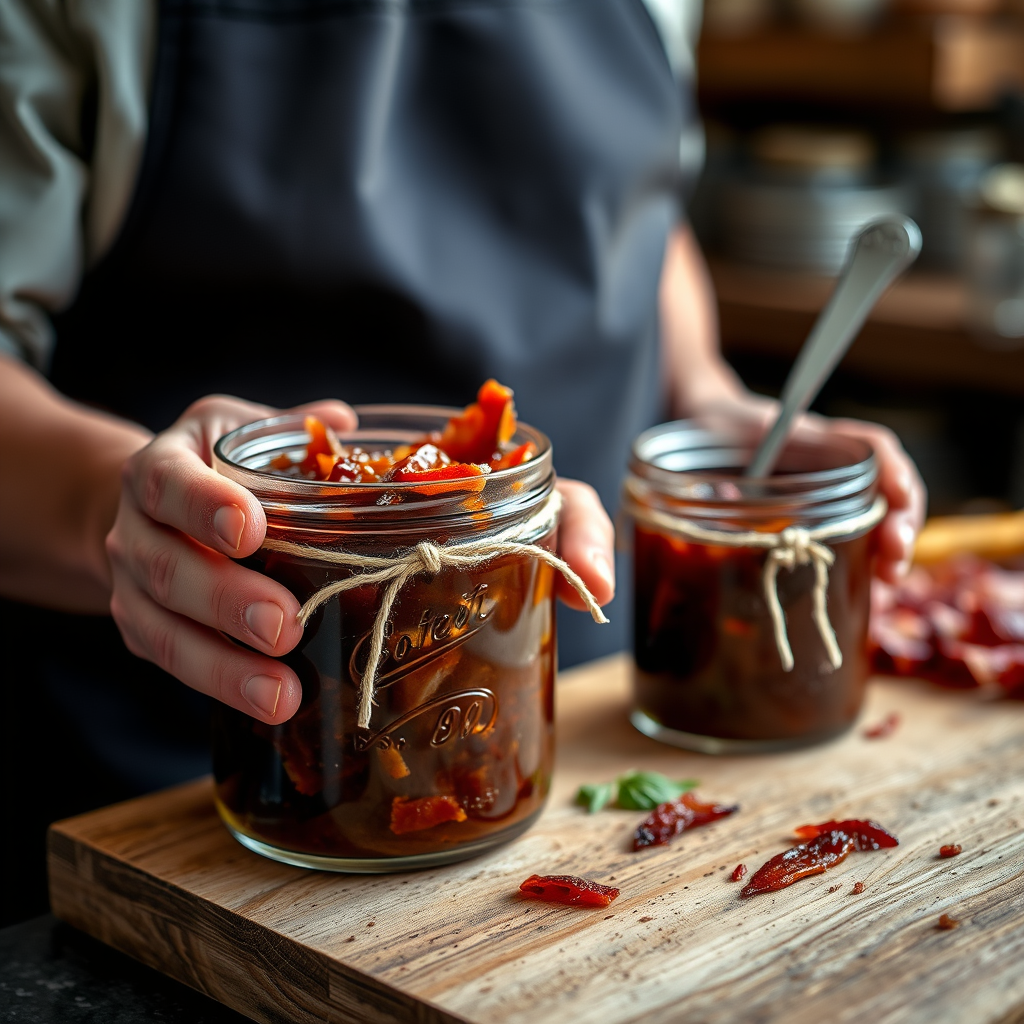
1. Gather Ingredients and Equipment: Collect 1 pound of thick-cut bacon, 1 medium onion (diced), 1 cup of brown sugar, 1/2 cup of apple cider vinegar, and 1 teaspoon of black pepper. Ensure you have a large skillet, a wooden spoon, and a food processor.
2. Cook the Bacon: In a large skillet over medium heat, cook the bacon until crispy, which should take approximately 8-10 minutes. Remove the bacon and set it aside, leaving the rendered fat in the skillet.
3. Sauté the Onions: In the same skillet, add the diced onion to the bacon fat and sauté until translucent, about 5 minutes. Stir continuously to prevent burning.
4. Combine Ingredients: Crumble the cooked bacon back into the skillet with the onions. Add the brown sugar, apple cider vinegar, and black pepper, stirring to thoroughly combine all ingredients. Allow the mixture to simmer for 20-25 minutes until it thickens.
5. Process the Mixture: Once thickened, remove the skillet from heat and let the mixture cool slightly. Transfer it to a food processor and pulse until you reach your desired consistency—smooth or slightly chunky.
6. Store the Bacon Jam: Allow the bacon jam to cool completely before transferring it to a clean, airtight jar. Store it in the refrigerator for up to one month. For longer storage, consider canning the jam following safe canning guidelines.
7. Serving Suggestions: Serve your bacon jam on toast, as a burger topping, or alongside cheese and crackers for a gourmet snack.
Top Ingredients for Bacon Jam (2023)
| # | Ingredient | Quantity | Calories per Serving | Cost per Pound |
|---|---|---|---|---|
| 1 | Thick-Cut Bacon | 1 lb | 1,728 | $7.00 |
| 2 | Brown Sugar | 1 cup | 770 | $1.50 |
| 3 | Onion | 1 medium | 44 | $0.75 |
| 4 | Apple Cider Vinegar | 1/2 cup | 0 | $2.00 |
| 5 | Black Pepper | 1 tsp | 6 | $0.10 |
| 6 | Garlic (optional) | 2 cloves | 9 | $0.50 |
| 7 | Liquid Smoke (optional) | 1/2 tsp | 0 | $3.00 |
Warning Signs: When Not to Follow This

– Do not attempt this recipe if you are allergic to any of the main ingredients, such as bacon or vinegar, as this may lead to severe allergic reactions.
– Avoid making bacon jam if you lack access to refrigeration, as improper storage can lead to spoilage and foodborne illnesses.
– This protocol is not suitable for individuals with specific dietary restrictions; if you are vegetarian, vegan, or on a low-sodium diet, consider alternative recipes that do not include bacon.
– If you notice any unusual smells or discoloration in your ingredients, refrain from proceeding with the recipe, as these may indicate spoilage.
The Most Common Mistakes (And Their Consequences)
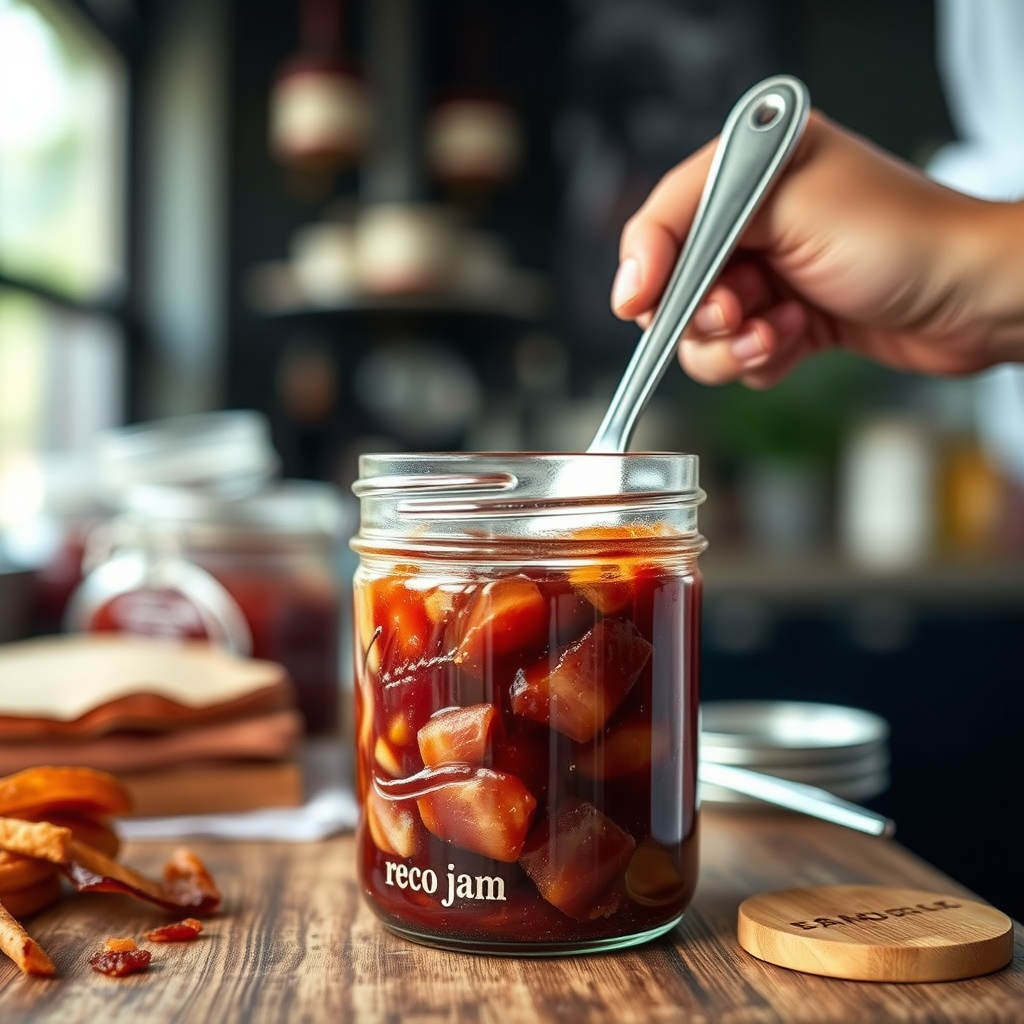
– One prevalent mistake is overcooking the bacon, which can impart a burnt flavor that detracts from the overall taste of the jam. This may lead to an unpleasant bitterness that renders the product unpalatable.
– Inaccurately measuring ingredients, particularly the apple cider vinegar and sugar, can result in a jam that is either too sweet or too tangy, compromising the desired flavor profile.
– Not allowing the bacon jam to simmer long enough can yield a runny consistency, making it difficult to spread or use as a condiment. A properly thickened jam should hold its shape when spooned.
– Skipping the cooling step before transferring the bacon jam to jars can lead to steam buildup and potential jar breakage if using glass containers. This oversight may create a mess and waste your hard work.
Special Cases That Need a Different Approach
– If you are using low-sodium bacon, adjust the amount of salt in the recipe or omit the black pepper to avoid an overly bland jam. Consider adding a pinch of smoked salt for extra depth.
– For those with dietary restrictions, such as gluten intolerance, using gluten-free soy sauce in place of vinegar can provide a suitable alternative flavor profile. Ensure that any substitutes align with your dietary needs.
– If you prefer a spicier bacon jam, incorporate elements such as chopped jalapeños or a dash of hot sauce during cooking. Start with small amounts and adjust according to taste.
– For a vegetarian alternative, substitute bacon with smoked tempeh or mushrooms, adjusting cooking times accordingly to achieve similar textures. Use a similar amount for flavor balance.
When You Need a Professional
– If you are uncertain about safe food preservation techniques, particularly if you plan to can your bacon jam for long-term storage, consulting a certified food preservation expert is advisable. This step is crucial for ensuring safety and avoiding foodborne illnesses.
– In cases of food allergies, especially when cooking for others, consulting a dietitian or nutritionist can provide valuable insights on ingredient substitutions and allergy-safe practices.
– If you encounter signs of food spoilage, such as mold or unusual odors during cooking, seek advice from a food safety professional before proceeding. Spoiled ingredients can pose serious health risks.
– For those with chronic health conditions that may be affected by high sodium or high-fat foods, discussing the suitability of bacon jam with a healthcare provider is essential for maintaining overall health and well-being.
Sources and Further Reading
– National Center for Home Food Preservation: Guidelines on safe canning practices and food preservation methods.
– “The Science of Good Cooking” by Cook’s Illustrated: A comprehensive resource explaining the chemistry behind cooking techniques, including jam-making.
– USDA Food Safety and Inspection Service: Information on safe handling of bacon and other meats to prevent foodborne illnesses.
– Online culinary courses focused on gourmet cooking techniques and condiment preparation, offering expert insights and additional recipes.
By following this expert guide, you can confidently create a delicious bacon jam while ensuring safety and quality throughout the process. Enjoy your culinary journey!
Frequently Asked Questions
What ingredients do I need to make bacon jam?
To make a delicious bacon jam, you’ll need ingredients such as bacon, brown sugar, onion, garlic, apple cider vinegar, and coffee or bourbon for added depth of flavor. These components come together to create a sweet, savory, and smoky spread that’s perfect for sandwiches, burgers, or as a topping for crackers.
How do I store homemade bacon jam for optimal freshness?
Store your homemade bacon jam in an airtight container in the refrigerator to maintain its freshness. It can last up to two weeks when refrigerated; for longer storage, consider freezing it in small portions, which can keep it good for up to three months.
Why is my bacon jam too runny, and how can I thicken it?
If your bacon jam turns out too runny, it may be due to insufficient cooking time or too much liquid from the onions or vinegar. To thicken it, simply continue cooking on low heat until the excess liquid evaporates, stirring frequently to prevent burning.
What is the best way to use bacon jam in recipes?
The best way to use bacon jam is as a versatile condiment that enhances many dishes. It pairs well with burgers, grilled cheese sandwiches, or as a topping on crostini for a flavorful appetizer. You can also use it as a glaze for meats or stirred into pasta for a unique twist.
Which types of bacon work best for making bacon jam?
For making bacon jam, thicker cuts of bacon such as slab bacon or thick-sliced bacon are ideal as they provide a richer flavor and a heartier texture. However, you can also use regular bacon; just ensure it’s well-cooked and crispy to achieve that perfect balance of sweetness and savoriness in your jam.
References
- Bacon jam
https://en.wikipedia.org/wiki/Bacon_jam - Bayesian Optimization for Neuroimaging Pre-processing in Brain Age Classification and Prediction …
https://www.ncbi.nlm.nih.gov/pmc/articles/PMC5816033/ - https://www.sciencedirect.com/topics/agricultural-and-biological-sciences/bacon-jam
https://www.sciencedirect.com/topics/agricultural-and-biological-sciences/bacon-jam - https://www.bbc.com/news/magazine-29352795
https://www.bbc.com/news/magazine-29352795 - https://www.theguardian.com/food/2021/mar/22/how-to-make-bacon-jam
https://www.theguardian.com/food/2021/mar/22/how-to-make-bacon-jam - https://www.nytimes.com/2014/11/12/dining/bacon-jam-recipe.html
https://www.nytimes.com/2014/11/12/dining/bacon-jam-recipe.html - https://www.britannica.com/topic/bacon-jam
https://www.britannica.com/topic/bacon-jam - Google Scholar Google Scholar
https://scholar.google.com/scholar?q=recipe+bacon+jam - Google Scholar Google Scholar
https://scholar.google.com/scholar?q=bacon+jam+nutritional+information - Google Scholar Google Scholar
https://scholar.google.com/scholar?q=bacon+jam+culinary+uses