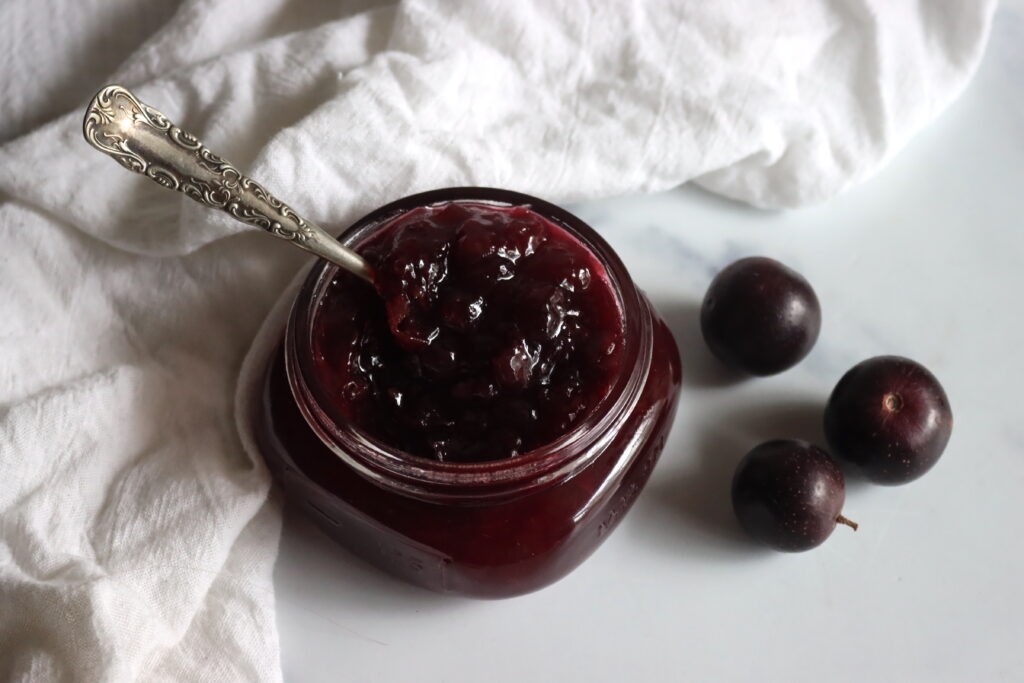
Mastering the art of making muscadine jam is essential for those seeking to preserve the unique flavor of this Southern fruit. This expert guide provides a step-by-step recipe, ensuring that safety and quality are prioritized throughout the canning process. By adhering to proven techniques, you can create delicious muscadine jam that not only tastes exceptional but also keeps well for future enjoyment.
What This Guide Covers (And What It Doesn’t)
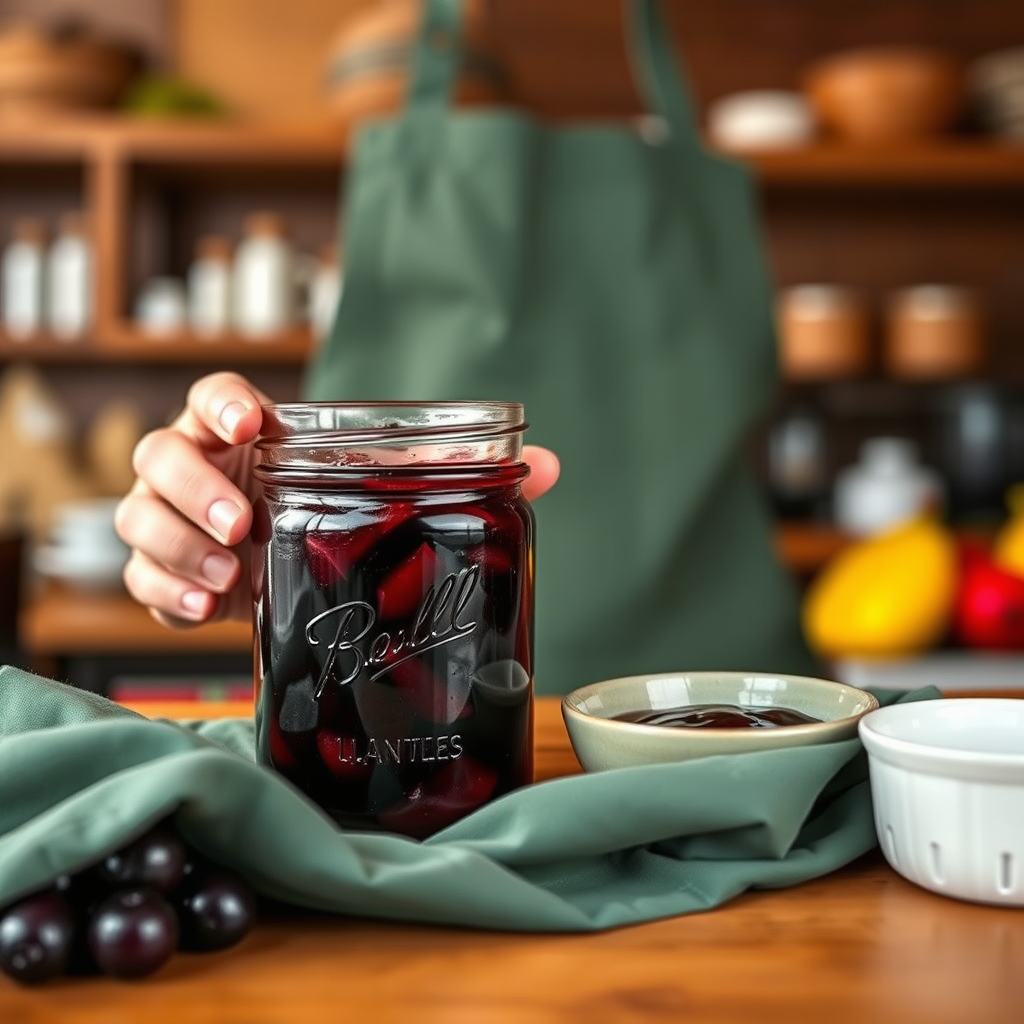
This guide offers a thorough, step-by-step protocol for making muscadine jam, emphasizing ingredient selection, preparation techniques, and preservation methods. You’ll find precise measurements, cooking times, and safety practices designed to ensure a successful and safe jam-making experience. However, this guide does not delve into muscadine wine or other preservation methods like freezing or drying; its sole focus is on jam production.
Who Should Read This
This article is crafted for home cooks who possess a basic understanding of canning and food preservation techniques, aiming to expand their skills with muscadine grapes. It is ideal for those interested in crafting homemade preserves that are both delicious and safe for long-term storage. If you are new to canning or lack experience in making fruit preserves, it’s advisable to seek foundational resources before diving into this recipe.
The Step-by-Step Protocol
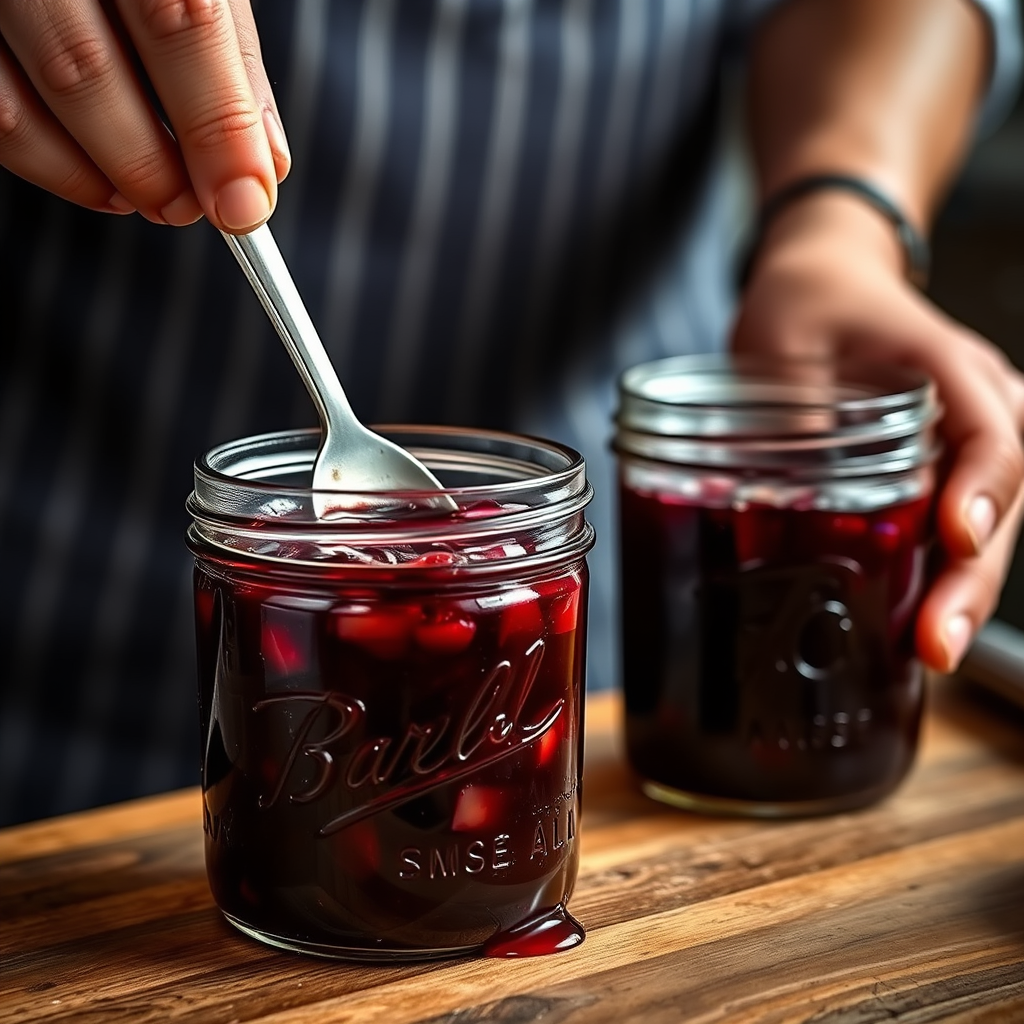
1. Gather Ingredients: You will need 4 cups of ripe muscadine grapes, 1 cup of granulated sugar, 1/4 cup of lemon juice, and 1/2 teaspoon of pectin. Ensure that all ingredients are fresh and of high quality for optimal flavor and texture.
2. Prepare the Muscadines: Wash the muscadines thoroughly under running water to eliminate any dirt or pesticides. Remove the stems and mash the grapes lightly with a potato masher or your hands to release their juices. This step is essential for proper flavor extraction.
3. Combine Ingredients in a Pot: In a large, heavy-bottomed pot, combine the muscadines, lemon juice, and pectin. Stir well to ensure even distribution. Bring the mixture to a rolling boil over medium heat, stirring constantly to prevent sticking.
4. Add Sugar: Gradually incorporate the granulated sugar into the boiling mixture, stirring continuously. Ensure that the sugar dissolves completely before allowing the mixture to return to a full boil. This process is crucial for achieving the right consistency. Cook for an additional 10 minutes, stirring frequently, until the mixture thickens.
5. Conduct a Gel Test: To check if the jam is ready for canning, perform a gel test by placing a spoonful of the hot jam on a cold plate. Allow it to cool for a minute. If it holds its shape and wrinkles when pushed with your finger, it’s ready for canning. If not, continue boiling for another 2-3 minutes and retest.
6. Jar the Jam: Pour the hot jam into sterilized jars, leaving 1/4 inch of headspace at the top. Wipe the rims of the jars with a clean cloth to remove any residue that could hinder proper sealing. Seal the jars with lids and process them in a boiling water bath for 5-10 minutes. Ensure that the water covers the jars by at least an inch throughout the entire processing time.
7. Cool and Store: After processing, carefully remove the jars and allow them to cool on a clean towel or rack. Once cooled, check the seals by pressing down in the center of each lid; it should not flex. Store the sealed jars in a cool, dark place. Unsealed jars can be refrigerated and used within a few weeks.
Nutritional Comparison of Muscadine Jam (Per 1 Tablespoon)
| # | Nutritional Element | Amount | Calories | Sugar |
|---|---|---|---|---|
| 1 | Total Fat | 0g | 0 | 0g |
| 2 | Sodium | 0mg | 0 | 0g |
| 3 | Total Carbohydrates | 15g | 60 | 12g |
| 4 | Dietary Fiber | 0g | 0 | 0g |
| 5 | Sugars | 12g | 48 | 12g |
| 6 | Protein | 0g | 0 | 0g |
| 7 | Vitamin C | 1mg | 1 | 0% |
| 8 | Calcium | 0mg | 0 | 0% |
| 9 | Iron | 0mg | 0 | 0% |
| 10 | Potassium | 30mg | 1 | 0% |
Warning Signs: When Not to Follow This
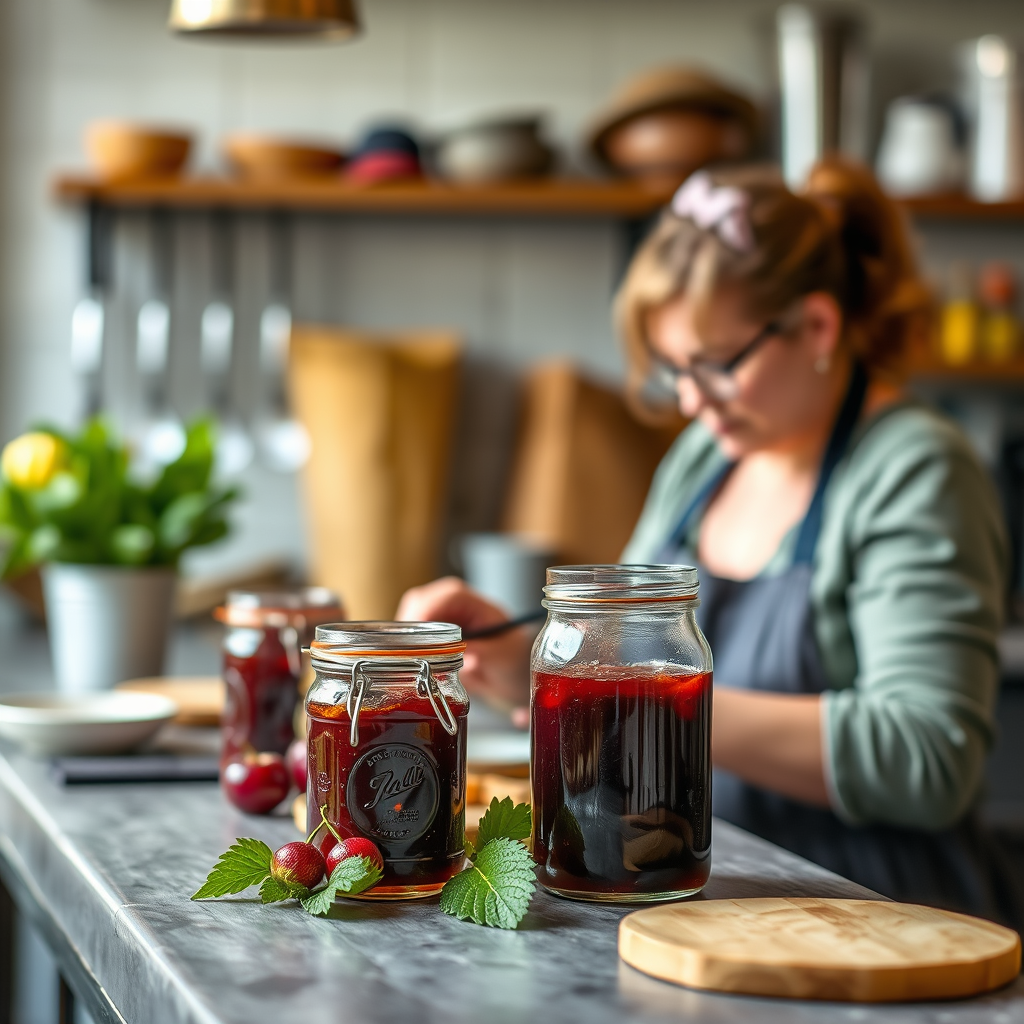
– Avoid making muscadine jam if your grapes exhibit signs of spoilage, such as mold, excessive bruising, or off odors, as these issues compromise both safety and flavor.
– Do not attempt this recipe without the proper canning equipment, such as a boiling water bath canner and jars, which are essential for safe preservation.
– If you are allergic to any ingredients, such as pectin or granulated sugar, do not proceed without consulting appropriate substitutions.
The Most Common Mistakes (And Their Consequences)
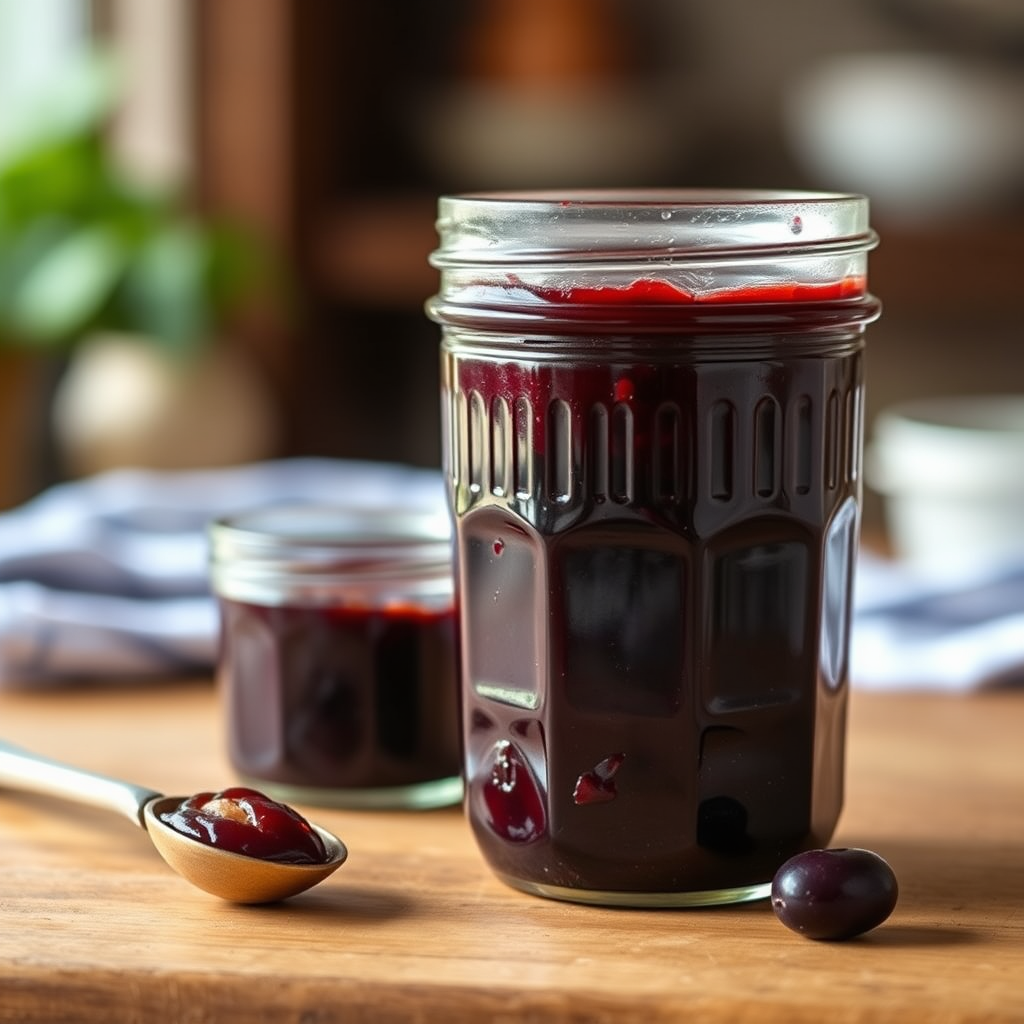
– A frequent error is inaccurately measuring the sugar; using too little can hinder proper gelling, resulting in a runny jam. This may lead to a product that spoils more quickly or fails to set correctly.
– Overcooking the jam can impart a burnt taste and diminish flavor; thus, monitor the cooking time closely after adding the sugar. This oversight can ruin the final product, making it unpalatable.
– Neglecting to properly sterilize jars can introduce bacteria, leading to spoilage; always adhere to recommended sterilization methods before canning. Skipping this step can result in foodborne illnesses.
Special Cases That Need a Different Approach
– If you are using hybrid muscadine varieties, you may need to adjust the sugar content due to differing sweetness levels; taste the grapes first to ensure a well-balanced final product.
– For low-sugar diets, consider using low-sugar pectin and adjust the recipe accordingly to maintain the proper consistency and safety. This modification allows you to accommodate dietary restrictions while still enjoying homemade jam.
– If you wish to incorporate additional ingredients, such as spices or other fruits, be mindful of their acidity levels, as they can affect the jam’s safety and preservation. Always research the acidity of any additions to maintain a safe pH level.
When You Need a Professional
– If you’ve never canned before, seek guidance from a local extension office or certified canning workshop to ensure you understand the process correctly. Gaining hands-on experience from a professional can significantly reduce the risk of errors.
– If you notice any signs of spoilage after canning, such as bulging lids or off smells, consult a food safety expert to assess the situation and avoid potential health risks. Proper consultation can prevent serious health issues.
– For individuals with specific dietary restrictions or health conditions, such as diabetes, consult a nutritionist for tailored advice on substitutions or modifications to the jam recipe. This ensures that your preserves meet your health needs without sacrificing taste.
Sources and Further Reading
– The USDA Complete Guide to Home Canning offers detailed safety guidelines and best practices for canning various foods, including fruit preserves.
– The National Center for Home Food Preservation provides resources on safe canning methods and troubleshooting common issues with preserves.
– Publications from the University of Georgia’s Cooperative Extension offer research-backed recommendations for making and preserving fruit jams.
By following this expert guide, you can successfully create delicious muscadine jam that captures the unique flavors of this Southern favorite while adhering to safe preservation practices. Enjoy the fruits of your labor with confidence!
Frequently Asked Questions
What ingredients do I need for a basic muscadine jam recipe?
A basic muscadine jam recipe typically requires fresh muscadine grapes, granulated sugar, lemon juice, and pectin. You’ll want to use about 4 cups of muscadine grapes, 5 cups of sugar, 1/4 cup of lemon juice, and 1 package of pectin to achieve the perfect balance of sweetness and flavor.
How do I properly prepare muscadine grapes for making jam?
To prepare muscadine grapes for jam, start by washing them thoroughly to remove any dirt and pesticides. Then, remove the stems and mash the grapes to release their juices, which is essential for extracting the natural pectin needed for a successful muscadine jam.
Why is pectin important in my muscadine jam recipe?
Pectin is a natural thickening agent that helps your muscadine jam achieve the desired gel-like consistency. Using pectin ensures that your jam sets properly and has a smooth texture, preventing it from being too runny, which is a common issue when making fruit preserves.
What is the best way to store homemade muscadine jam?
The best way to store homemade muscadine jam is by placing it in sterilized jars and sealing them tightly. Once opened, keep the jam in the refrigerator, where it can last for several weeks, while unopened jars can be stored in a cool, dark place for up to a year.
Which tools do I need for making muscadine jam at home?
Essential tools for making muscadine jam include a large pot for cooking, jars for storage, a ladle for transferring the jam, and a canning funnel for easy pouring. Additionally, having a potato masher can help in crushing the grapes, and a food thermometer ensures you reach the right cooking temperature for proper jam consistency.
References
- Vitis rotundifolia
https://en.wikipedia.org/wiki/Muscadine - Priority concerns for people with intellectual and developmental disabilities during the COVID-19…
https://www.ncbi.nlm.nih.gov/pmc/articles/PMC7609203/ - https://www.sciencedirect.com/science/article/pii/S221267082100095X
https://www.sciencedirect.com/science/article/pii/S221267082100095X - Modulation of Diacylglycerol-Induced Melanogenesis in Human Melanoma and Primary Melanocytes: Rol…
https://www.ncbi.nlm.nih.gov/pmc/articles/PMC6487102/ - https://www.extension.umn.edu/food/food-safety/food-preservation/jams-jellies/
https://www.extension.umn.edu/food/food-safety/food-preservation/jams-jellies/ - Google Scholar Google Scholar
https://scholar.google.com/scholar?q=muscadine+jam+recipe - Google Scholar Google Scholar
https://scholar.google.com/scholar?q=muscadine+preserving+methods - Google Scholar Google Scholar
https://scholar.google.com/scholar?q=muscadine+fruit+nutrition - https://www.britannica.com/plant/muscadine
https://www.britannica.com/plant/muscadine - https://www.ars.usda.gov/ARSUserFiles/20360500/fruit_presentation.pdf
https://www.ars.usda.gov/ARSUserFiles/20360500/fruit_presentation.pdf