Master the art of making tomato jam with this complete expert guide, designed for home cooks seeking a safe and delicious recipe. This step-by-step protocol covers everything from ingredient selection to proper canning techniques, ensuring your homemade jam is both flavorful and safe for consumption. Following precise methods is crucial, as it not only maximizes taste but also prevents foodborne illnesses. Elevate your culinary skills and enjoy a unique twist on traditional preserves.
What This Guide Covers (And What It Doesn’t)
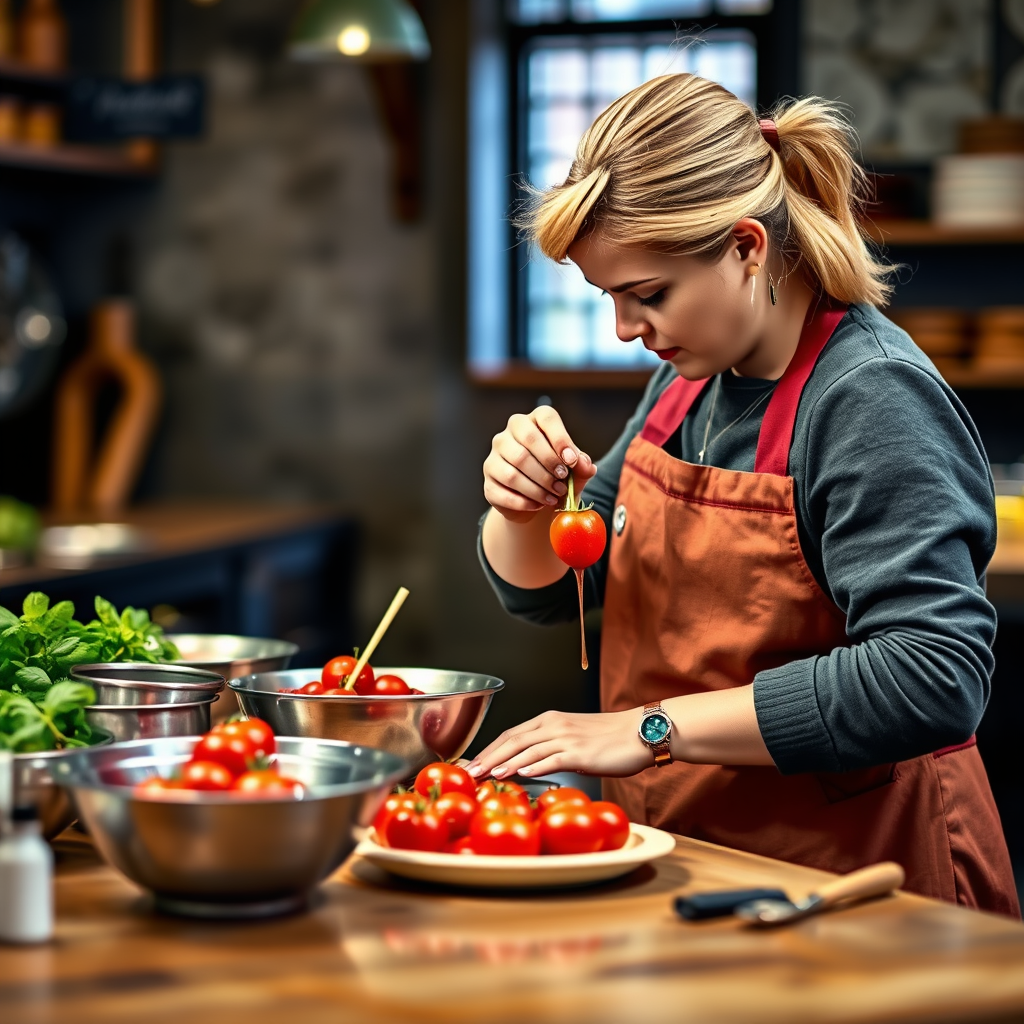
This guide offers a thorough, step-by-step protocol for safely making tomato jam, complete with precise measurements, effective canning techniques, and essential safety tips to guarantee a successful outcome. However, it does not address general canning principles applicable to other fruits or jams, nor does it explore alternative preservation methods such as freezing or drying. Designed for home cooks with moderate kitchen experience, this guide focuses specifically on transforming seasonal tomatoes into a shelf-stable product. Readers seeking advanced canning techniques or insights into commercial-scale production should consult specialized resources or industry experts.
Who Should Read This
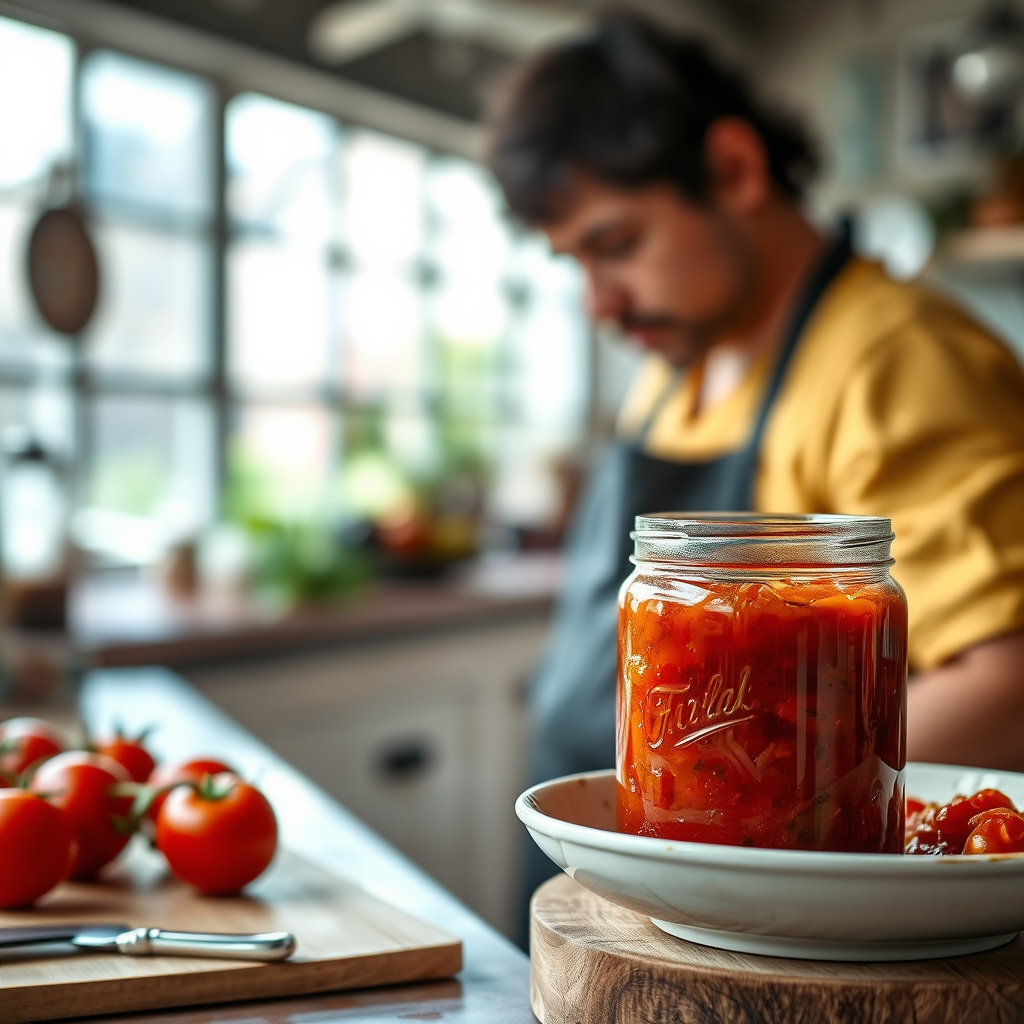
This guide is crafted for home cooks who possess some familiarity with basic cooking and canning but may not fully understand the nuances of preserving tomato-based products. Individuals looking to create homemade gifts or preserve their homegrown tomatoes for year-round enjoyment will find this guide both practical and beneficial. Additionally, anyone interested in grasping the significance of acidity in canning and mastering proper sterilization methods will encounter detailed explanations and actionable steps. While beginners in canning may find the guide useful as a starting point, it is recommended that they have a basic understanding of kitchen safety and hygiene practices before diving in.
The Step-by-Step Protocol
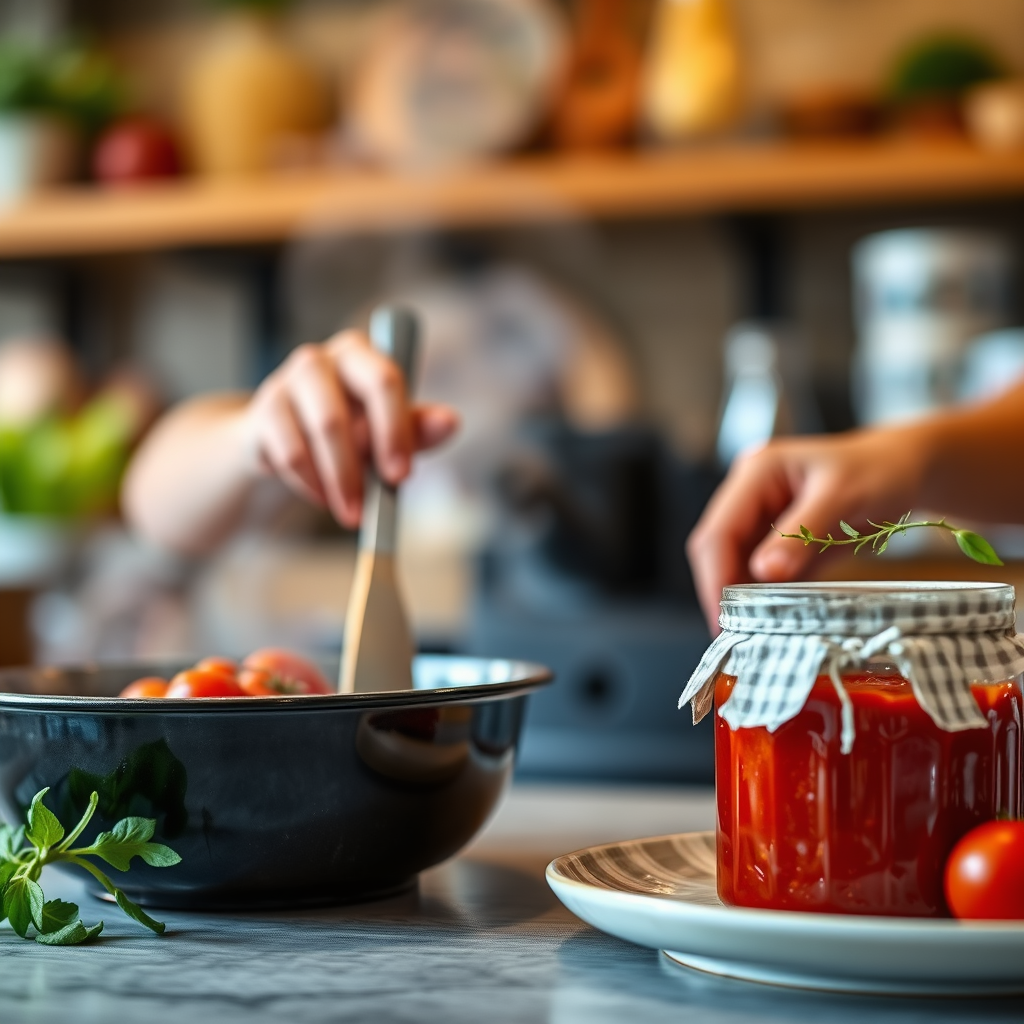
1. Prepare Ingredients: Gather 2 pounds of ripe tomatoes, 1 cup of granulated sugar, 1/4 cup of apple cider vinegar, 1 teaspoon of salt, and 1/2 teaspoon of ground cinnamon. Ensure all equipment, including jars and lids, is sterilized by running them through a hot dishwasher cycle or boiling them in water for 10 minutes.
2. Cook the Tomatoes: Score the tomatoes with an “X” on the bottom and blanch them in boiling water for 30 seconds. This process loosens the skin. Remove them and place them in ice water to halt the cooking process. Once cooled, peel and chop the tomatoes into small pieces, discarding any tough or bruised sections.
3. Combine Ingredients: In a large, heavy-bottomed pot, combine the chopped tomatoes, sugar, vinegar, salt, and cinnamon. Stir well to ensure the sugar dissolves, then bring the mixture to a boil over medium heat. Stir frequently to prevent burning and sticking to the bottom of the pot.
4. Cook to Desired Consistency: Reduce the heat to a simmer and allow the mixture to cook for approximately 45 minutes to 1 hour. Stir occasionally, watching for the mixture to thicken to a jam-like consistency. A good test is to place a spoonful on a plate and let it cool; it should hold its shape without running.
5. Can the Jam: While the jam is still hot, pour it into the sterilized jars, leaving about 1/4 inch of headspace. Wipe the rims of the jars with a clean cloth to remove any residue. Seal with sterilized lids, then process in a boiling water bath for 15 minutes. Ensure the water covers the jars by at least an inch, and adjust processing time if at high altitude.
Tomato Varieties for Jam Making
| # | Tomato Variety | Acidity Level | Flavor Profile | Best For Jam |
|---|---|---|---|---|
| 1 | Roma | Moderate | Sweet & Tangy | Yes |
| 2 | San Marzano | High | Rich & Savory | Yes |
| 3 | Brandywine | Moderate | Sweet & Earthy | No |
| 4 | Early Girl | Moderate | Bright & Juicy | Yes |
| 5 | Cherokee Purple | Moderate | Rich & Smoky | No |
| 6 | Yellow Pear | Low | Mild & Sweet | No |
| 7 | Green Zebra | Moderate | Tangy & Unique | Yes |
Warning Signs: When Not to Follow This
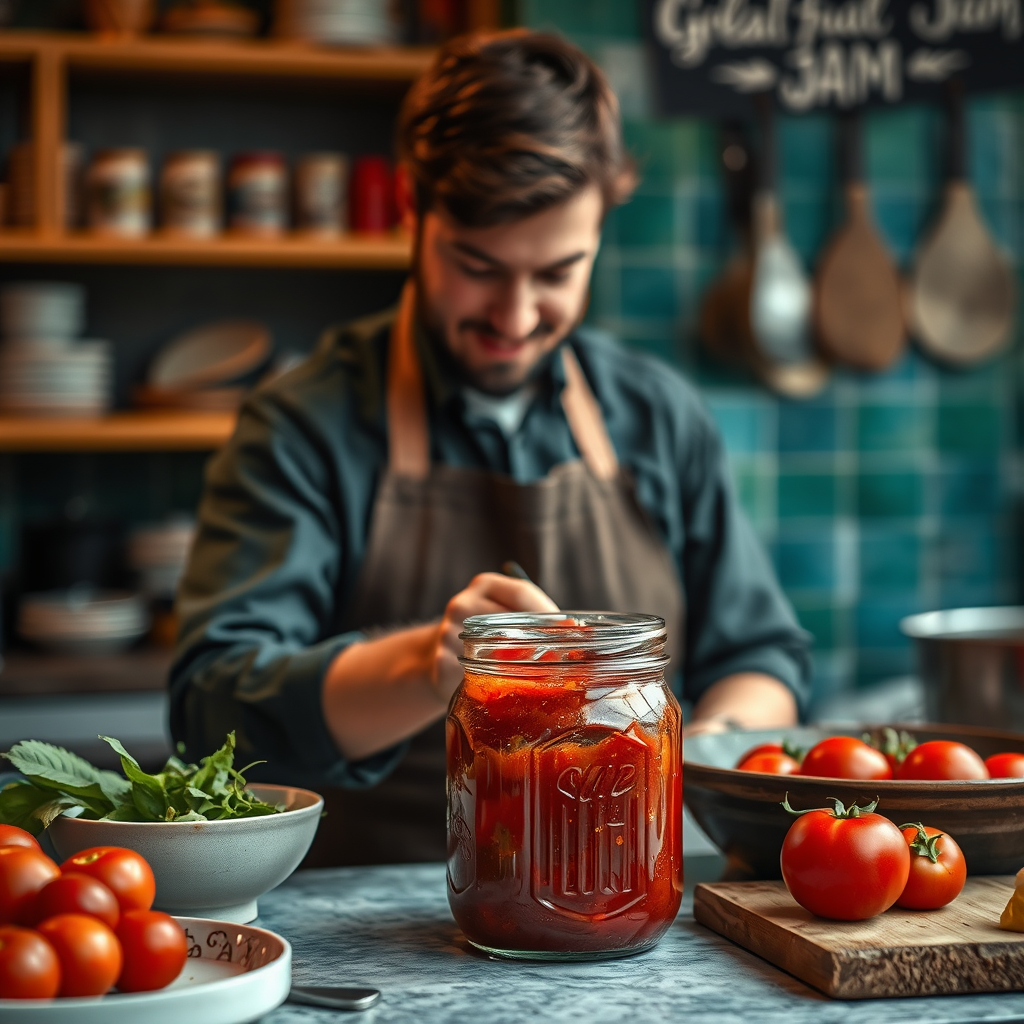
Avoid attempting this recipe if your tomatoes show signs of spoilage, such as mold, significant bruising, or an off odor, as these factors can compromise safety. Additionally, refrain from making tomato jam in a kitchen environment that lacks proper sanitation; clean countertops and sterilized jars are essential to prevent contamination. If you are unsure about canning safety practices, particularly regarding acidity levels, do not proceed without seeking further guidance to avoid foodborne illnesses. It’s crucial to avoid using non-acidic tomatoes without adjusting the recipe, as neglecting this may lead to unsafe pH levels that can encourage bacterial growth.
The Most Common Mistakes (And Their Consequences)
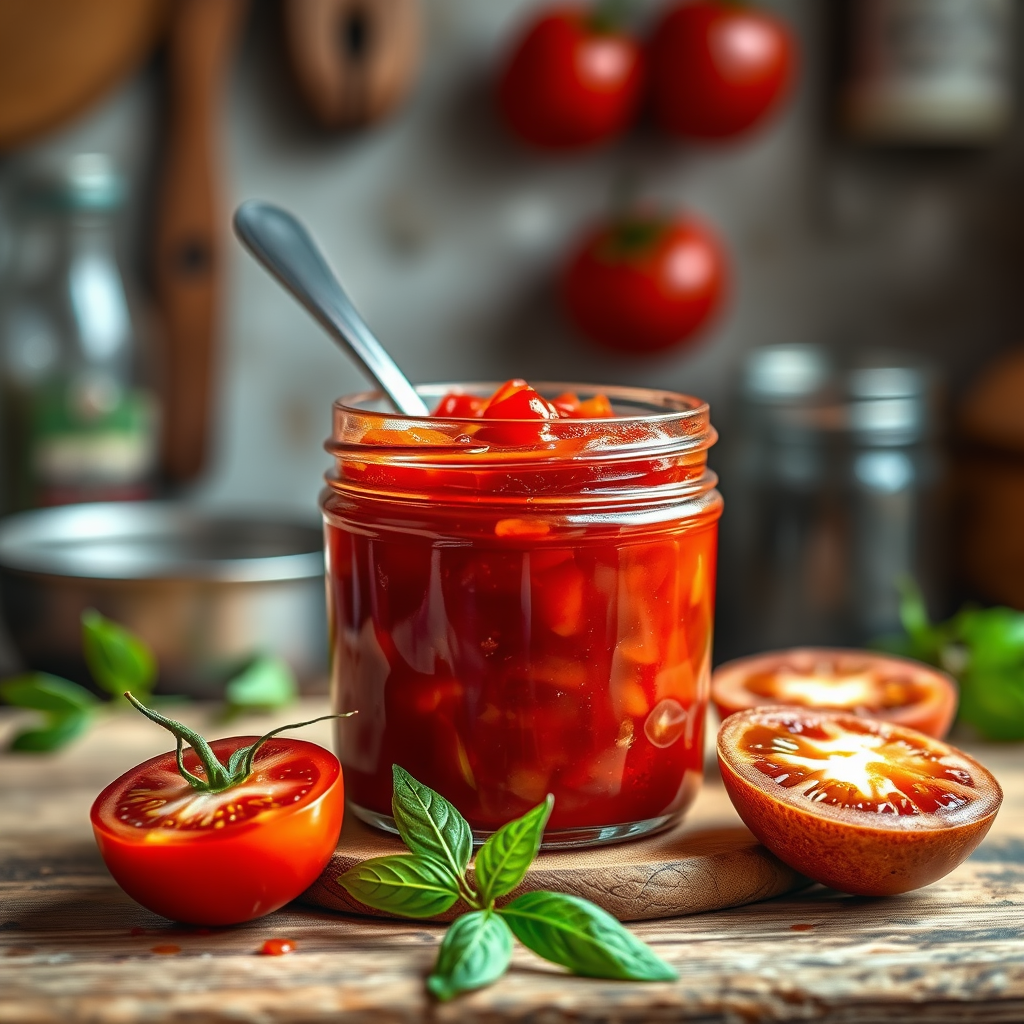
One prevalent mistake is neglecting to use ripe, high-acid tomatoes, which can result in a jam that is overly sweet or fails to set properly, ultimately compromising flavor and texture. Overcooking the jam can lead to a burnt taste and an undesirable sticky texture, making it essential to monitor cooking times vigilantly. Improper sealing of jars can cause spoilage; if the lids do not pop after processing, the jam must be refrigerated and consumed within a week. Furthermore, failing to allow the jam to cool adequately before storage can result in condensation forming inside the jars, which promotes mold growth and spoilage.
Special Cases That Need a Different Approach
When using heirloom tomato varieties, which may possess lower acidity, consider adding 1 tablespoon of lemon juice to ensure the jam remains safe for canning. For those with dietary restrictions, alternative sweeteners like agave syrup or stevia can be employed, but adjustments in quantity and cooking time may be necessary. If you are canning at high altitudes (above 1,000 feet), increase the processing time by 5 minutes to ensure effective preservation due to lower boiling temperatures. Additionally, individuals with allergies should exercise caution with spices like cinnamon; consider omitting or substituting with allergen-free options to prevent adverse reactions.
When You Need a Professional
If you experience any symptoms of foodborne illness after consuming homemade tomato jam, seek medical attention promptly and report the incident to local health authorities. If you are uncertain about whether your jars sealed properly after canning, reach out to a local extension service or food safety expert for guidance on safe consumption and potential reprocessing. In cases where botulism is suspected due to improper canning practices, immediate professional consultation is critical, as this can be life-threatening. If your recipe diverges significantly from recommended canning methods—such as altering acidity levels without proper guidance—seek expert advice before proceeding.
Sources and Further Reading
– USDA Complete Guide to Home Canning: An authoritative source on safe canning practices, including tomato jam.
– National Center for Home Food Preservation: Provides guidelines on safe food preservation, particularly for acidic foods like tomatoes.
– Ball Canning’s Blue Book Guide to Preserving: A widely recognized resource for recipes and techniques for canning and preserving various foods.
– Local Cooperative Extension Services: Offer workshops and resources for home canning, including troubleshooting tips and safety standards.
This guide delivers a clear and authoritative approach to making tomato jam, empowering both novice and experienced home cooks to succeed in their preservation efforts. With the right techniques and knowledge, you can transform seasonal tomatoes into a delectable treat that lasts throughout the year.
Frequently Asked Questions
What are the essential ingredients for a basic tomato jam recipe?
A basic tomato jam recipe typically includes fresh ripe tomatoes, sugar, lemon juice, and spices such as cinnamon or allspice. Using high-quality, in-season tomatoes enhances the flavor, while the sugar helps to balance the acidity and create that characteristic jam texture.
How do I make tomato jam from scratch?
To make tomato jam from scratch, start by chopping fresh tomatoes and cooking them down in a pot with sugar and lemon juice until they thicken, usually about 30-45 minutes. Stir regularly to prevent sticking, and add spices according to your taste. Once the mixture reaches a jam-like consistency, jar it up and process for preservation if desired.
Why is my tomato jam too runny, and how can I thicken it?
If your tomato jam is too runny, it may be due to using overly watery tomatoes or not cooking it long enough. To thicken it, return the jam to the heat and simmer it longer, allowing excess liquid to evaporate. You can also add a small amount of pectin to help achieve the desired thickness.
What are some creative flavor variations for tomato jam?
There are many creative flavor variations for tomato jam, including adding ingredients like garlic, herbs (such as basil or rosemary), or even chili peppers for a spicy kick. Experimenting with different spices and citrus zest can also enhance the depth of flavor, making your tomato jam unique and versatile for various dishes.
Which types of tomatoes are best for making tomato jam?
The best types of tomatoes for making tomato jam are those that are sweet and meaty, such as Roma or San Marzano tomatoes. These varieties have lower water content and higher sugar levels, resulting in a richer flavor and better texture for your jam. Avoid using overly watery or bland tomatoes for the best results.
References
- Fruit preserves
https://en.wikipedia.org/wiki/Jam - https://pubmed.ncbi.nlm.nih.gov/28167925/
https://pubmed.ncbi.nlm.nih.gov/28167925/ - Google Scholar Google Scholar
https://scholar.google.com/scholar?q=recipe+for+tomato+jam - https://www.sciencedirect.com/topics/agricultural-and-biological-sciences/tomato-jam
https://www.sciencedirect.com/topics/agricultural-and-biological-sciences/tomato-jam - https://www.ncbi.nlm.nih.gov/pmc/articles/PMC5232207/
https://www.ncbi.nlm.nih.gov/pmc/articles/PMC5232207/ - https://www.bbc.co.uk/food/recipes/tomato_jam_47911
https://www.bbc.co.uk/food/recipes/tomato_jam_47911 - Google Scholar Google Scholar
https://scholar.google.com/scholar?q=tomato+jam+health+benefits - https://www.theguardian.com/food/2020/jul/30/how-to-make-tomato-jam-recipe
https://www.theguardian.com/food/2020/jul/30/how-to-make-tomato-jam-recipe - https://www.nytimes.com/2021/08/25/dining/tomato-jam-recipe.html
https://www.nytimes.com/2021/08/25/dining/tomato-jam-recipe.html - Jam | food | Britannica
https://www.britannica.com/topic/jam-food