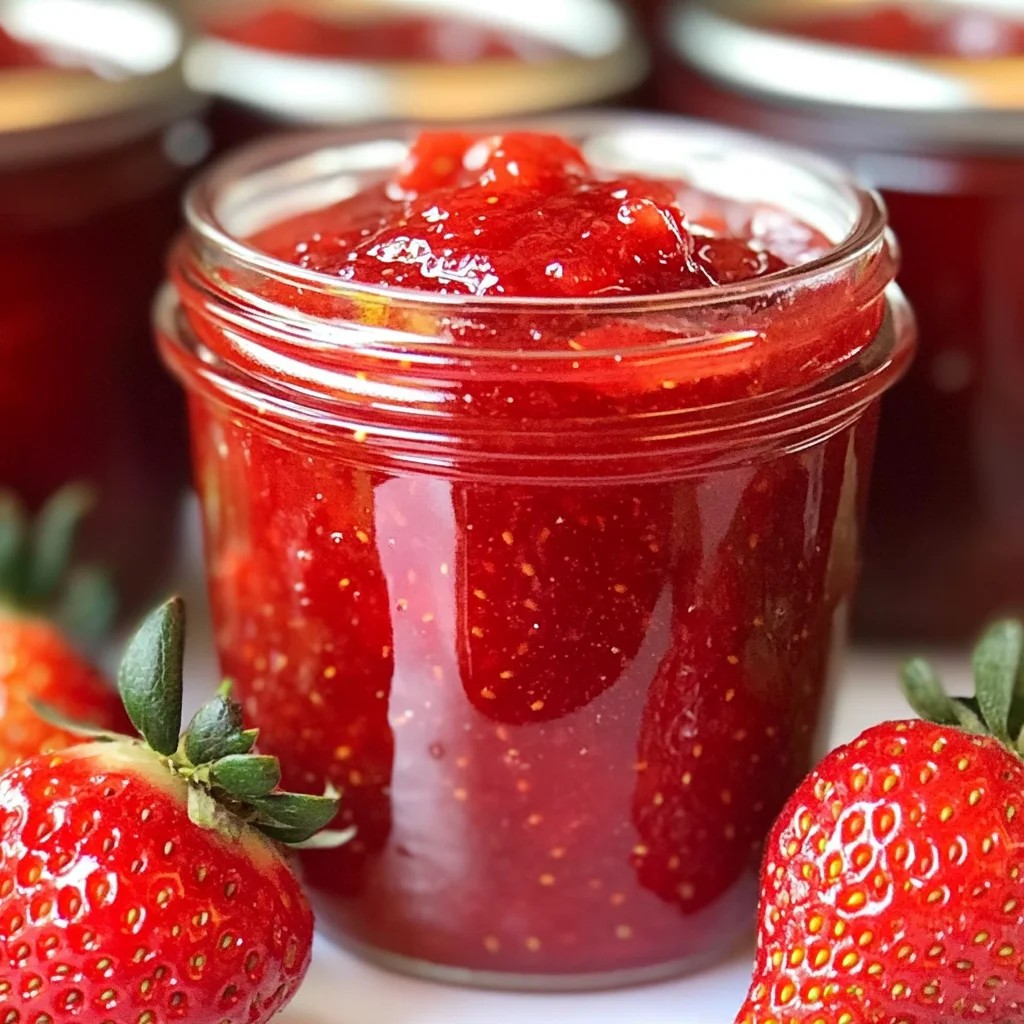
Master the art of making freezer strawberry jam with this expert guide, designed for home cooks who seek a delicious and safe preservation method. This comprehensive resource covers essential techniques, ingredient choices, and food safety protocols to ensure your jam is not only flavorful but also shelf-stable. Following the right steps is crucial for maintaining quality and preventing spoilage, making this guide an invaluable tool for anyone passionate about food preservation.
What This Guide Covers (And What It Doesn’t)

This guide delivers a thorough, step-by-step process for making freezer strawberry jam, prioritizing safety, ingredient ratios, and techniques tailored to this preservation method. It details the required tools, ingredient choices, and storage recommendations to ensure a successful jam-making experience, focusing exclusively on strawberries. However, it does not delve into traditional canning methods, alternative fruit jams, or any unrelated techniques that fall outside the realm of freezer strawberry jam.
Who Should Read This
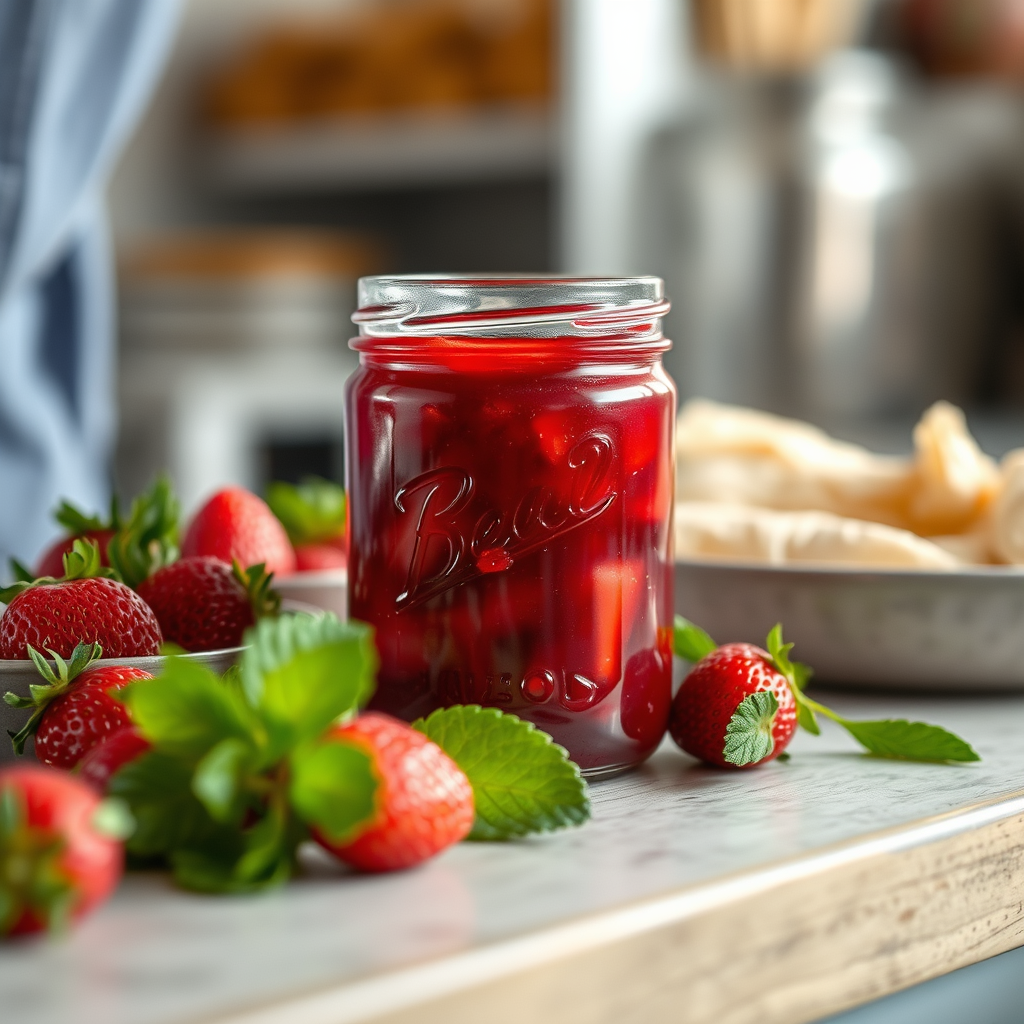
This guide is crafted for home cooks eager to preserve strawberries easily and efficiently, bypassing the complexities of traditional canning. It’s especially beneficial for beginners with limited experience in food preservation who wish to create delicious, homemade freezer strawberry jam. Readers looking for quick and safe ways to utilize surplus strawberries or aiming to make jam without extensive equipment will find this guide invaluable.
The Step-by-Step Protocol
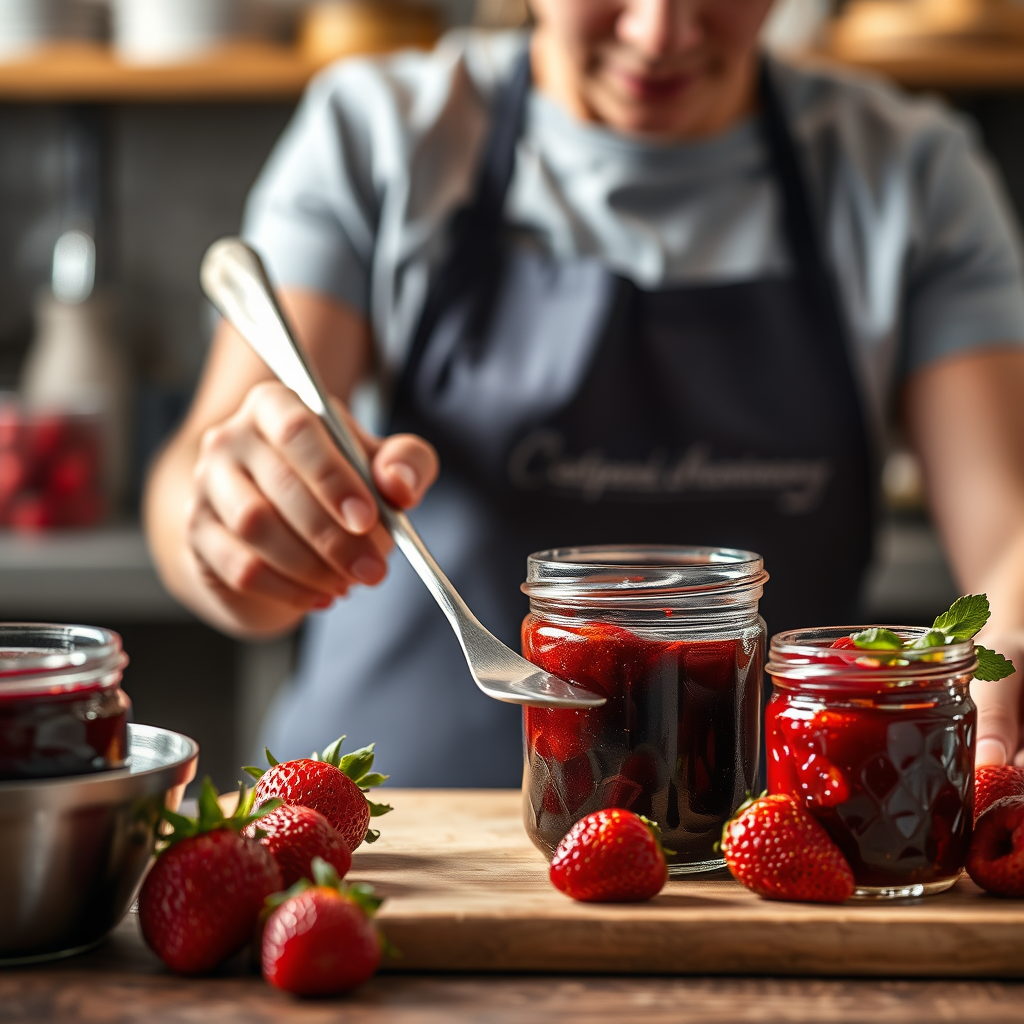
1. Gather Ingredients and Tools: Start by collecting 2 pounds of fresh strawberries, 2 cups of granulated sugar, and 1/4 cup of fruit pectin. Ensure you have clean, airtight freezer-safe containers or jars ready, as proper sealing is essential to prevent freezer burn.
2. Prepare the Strawberries: Rinse the strawberries under cold water, remove the stems, and mash them in a bowl with a potato masher until you achieve a chunky consistency. Aim for about 2 cups of mashed strawberries, which is roughly equivalent to 2 pounds whole.
3. Mix Sugar and Pectin: In a separate bowl, combine the sugar and pectin. Gradually stir this dry mixture into the mashed strawberries, mixing thoroughly for about 2-3 minutes until well combined. This step is vital, as the sugar helps extract the juice from the strawberries, enhancing the flavor.
4. Fill Containers: Spoon the mixture into your prepared freezer-safe containers, leaving about 1/2 inch of headspace for expansion during freezing. Seal the containers tightly with lids, ensuring no air is trapped inside to avoid freezer burn.
5. Freeze: Place the containers in the freezer, ensuring they sit on a flat surface. Allow the jam to freeze completely, which typically takes about 24 hours. Once frozen, the jam can be stored for up to one year without significant loss of quality.
Nutritional Comparison of Freezer Strawberry Jam (Per 1 Tablespoon)
| # | Nutrient | Amount | % Daily Value |
|---|---|---|---|
| 1 | Calories | 50 | 2% |
| 2 | Total Carbohydrates | 13g | 4% |
| 3 | Sugars | 10g | N/A |
| 4 | Protein | 0g | 0% |
| 5 | Fat | 0g | 0% |
| 6 | Vitamin C | 1mg | 2% |
| 7 | Calcium | 1mg | 0% |
Warning Signs: When Not to Follow This

Do not proceed with this recipe if your strawberries exhibit any signs of mold, spoilage, or excessive bruising, as these can compromise the safety of your jam. It’s also essential to maintain a consistent freezing temperature of 0°F (-18°C) or lower; failing to do so can affect both the quality and safety of the jam. Additionally, if you have allergies to any of the ingredients, such as strawberries or pectin, it’s crucial to avoid this protocol to prevent adverse health reactions.
The Most Common Mistakes (And Their Consequences)
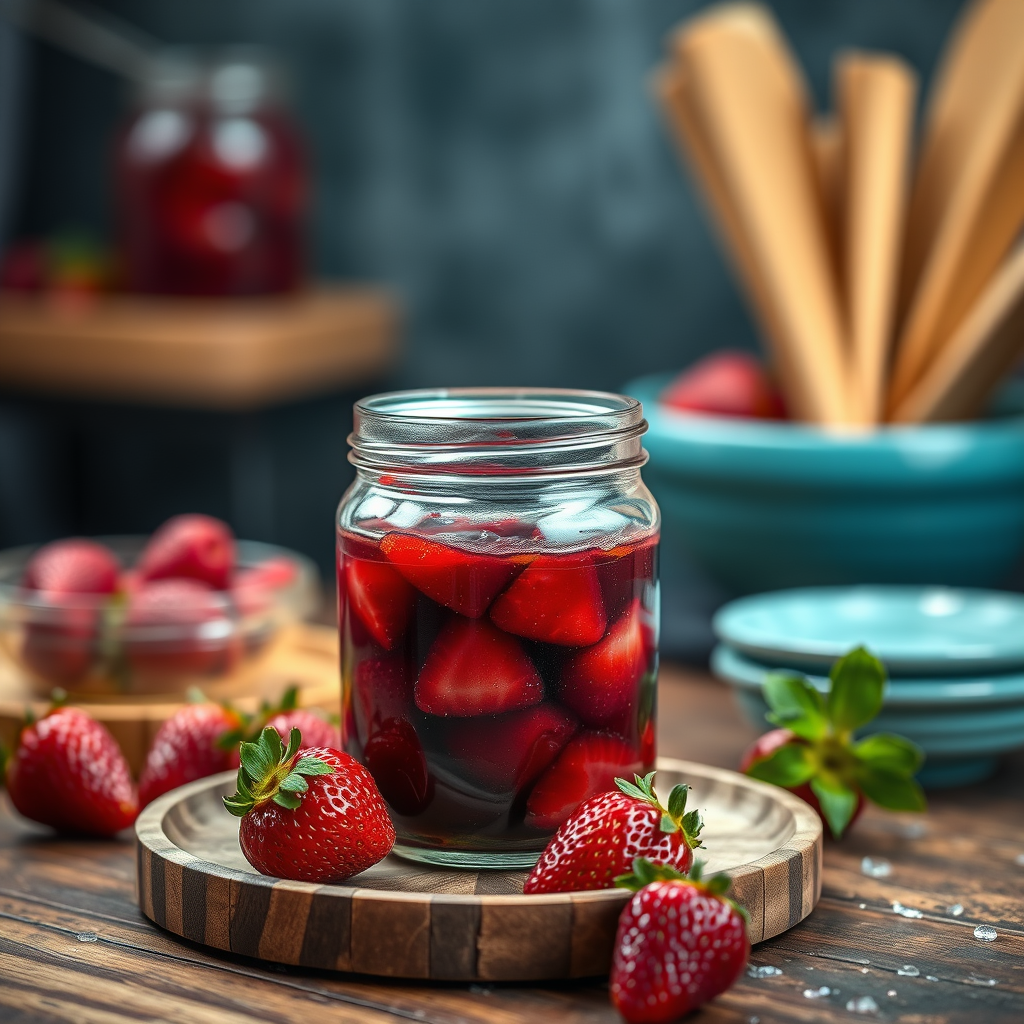
One of the most frequent errors is skipping the pectin or using an incorrect type, resulting in a runny jam that fails to set properly and has an unappetizing watery texture. Failing to let the jam sit for the recommended time before freezing can lead to poor flavor integration and uneven sweetness. Moreover, overfilling containers can cause spills during freezing, compromising the integrity of the jam and potentially leading to freezer burn.
Special Cases That Need a Different Approach
When using frozen strawberries instead of fresh, ensure they are completely thawed and drained of excess moisture to prevent flavor dilution in the jam. For those preferring a lower-sugar option, consider reducing the sugar to 1.5 cups, but be mindful that this may affect the jam’s setting properties due to the lesser sugar interacting with the pectin. If dietary restrictions prevent the use of traditional pectin, low-sugar or no-sugar pectin alternatives are available, though adjustments in sugar ratios may be required.
When You Need a Professional
If you experience any adverse reactions or foodborne illness after consuming homemade freezer strawberry jam, seek medical attention immediately and report the incident to local food safety authorities. If you have doubts about the safety of your ingredients or questions regarding proper food preservation techniques, consulting a food safety expert or a registered dietitian is advisable. For large-scale production or sales of freezer strawberry jam, consulting with food safety professionals is essential to ensure compliance with local food safety regulations and guidelines.
Sources and Further Reading
– USDA Complete Guide to Home Canning: Comprehensive resources on safe canning practices, applicable to freezer methods.
– National Center for Home Food Preservation: Offers detailed information on fruit preservation and recipes, including freezer jam techniques.
– “The Joy of Cooking” (2019 edition): A classic resource that includes sections on fruit preserves and freezer methods, providing a trusted reference for home cooks.
By following this guide, you can confidently create delicious, homemade freezer strawberry jam while ensuring safety and quality. Enjoy the sweet rewards of your efforts!
Frequently Asked Questions
What ingredients do I need for a recipe for freezer strawberry jam?
To make a simple and delicious freezer strawberry jam, you’ll need fresh strawberries, granulated sugar, and fruit pectin. The typical ratio is about 2 cups of crushed strawberries, 2 to 3 cups of sugar (depending on your sweetness preference), and 1 pouch of pectin, which helps the jam set properly without cooking.
How do I prepare strawberries for freezer jam?
To prepare strawberries for freezer jam, start by washing and hulling the strawberries. Then, mash them using a fork or potato masher to achieve a chunky or smooth consistency, depending on your preference. Measure out the crushed strawberries according to your recipe, ensuring you have the right amount for a successful jam.
Why is freezer strawberry jam a better choice than traditional canned jam?
Freezer strawberry jam is often considered a better choice than traditional canned jam because it retains more of the fresh fruit flavor and vibrant color without the cooking process. This no-cook method also allows for a quicker preparation time, making it a convenient option for busy individuals looking to enjoy homemade jam.
What is the best way to store freezer strawberry jam?
The best way to store freezer strawberry jam is in clean, airtight containers or freezer-safe jars, leaving some space at the top for expansion as it freezes. Ensure the jam is completely cool before placing it in the freezer, and label each container with the date for easy tracking. Properly stored, it can last up to one year in the freezer.
Which pectin is best for making freezer strawberry jam?
For making freezer strawberry jam, instant or low-sugar pectin is often recommended, as it allows the jam to set quickly without long cooking times. Brands like Sure-Jell or Ball offer pectins specifically designed for freezer jams, ensuring optimal results without losing the fresh taste of strawberries. Always follow package instructions for the best outcome.
References
- Fruit preserves
https://en.wikipedia.org/wiki/Jam - https://www.nal.usda.gov/legacy/legacy/food-preservation-jams-jellies-and-preserves
https://www.nal.usda.gov/legacy/legacy/food-preservation-jams-jellies-and-preserves - https://www.cdc.gov/foodsafety/food-safety-education-week/preservation.html
https://www.cdc.gov/foodsafety/food-safety-education-week/preservation.html - https://www.nutrition.gov/topics/food-safety/preserving-foods
https://www.nutrition.gov/topics/food-safety/preserving-foods - https://pubmed.ncbi.nlm.nih.gov/30071927/
https://pubmed.ncbi.nlm.nih.gov/30071927/ - https://www.ncbi.nlm.nih.gov/pmc/articles/PMC5968886/
https://www.ncbi.nlm.nih.gov/pmc/articles/PMC5968886/ - Google Scholar Google Scholar
https://scholar.google.com/scholar?q=freezer+strawberry+jam - Google Scholar Google Scholar
https://scholar.google.com/scholar?q=strawberry+jam+preservation - Google Scholar Google Scholar
https://scholar.google.com/scholar?q=recipe+freezer+jam - https://www.extension.iastate.edu/foodpreservation/preservation-jams-jellies.html
https://www.extension.iastate.edu/foodpreservation/preservation-jams-jellies.html