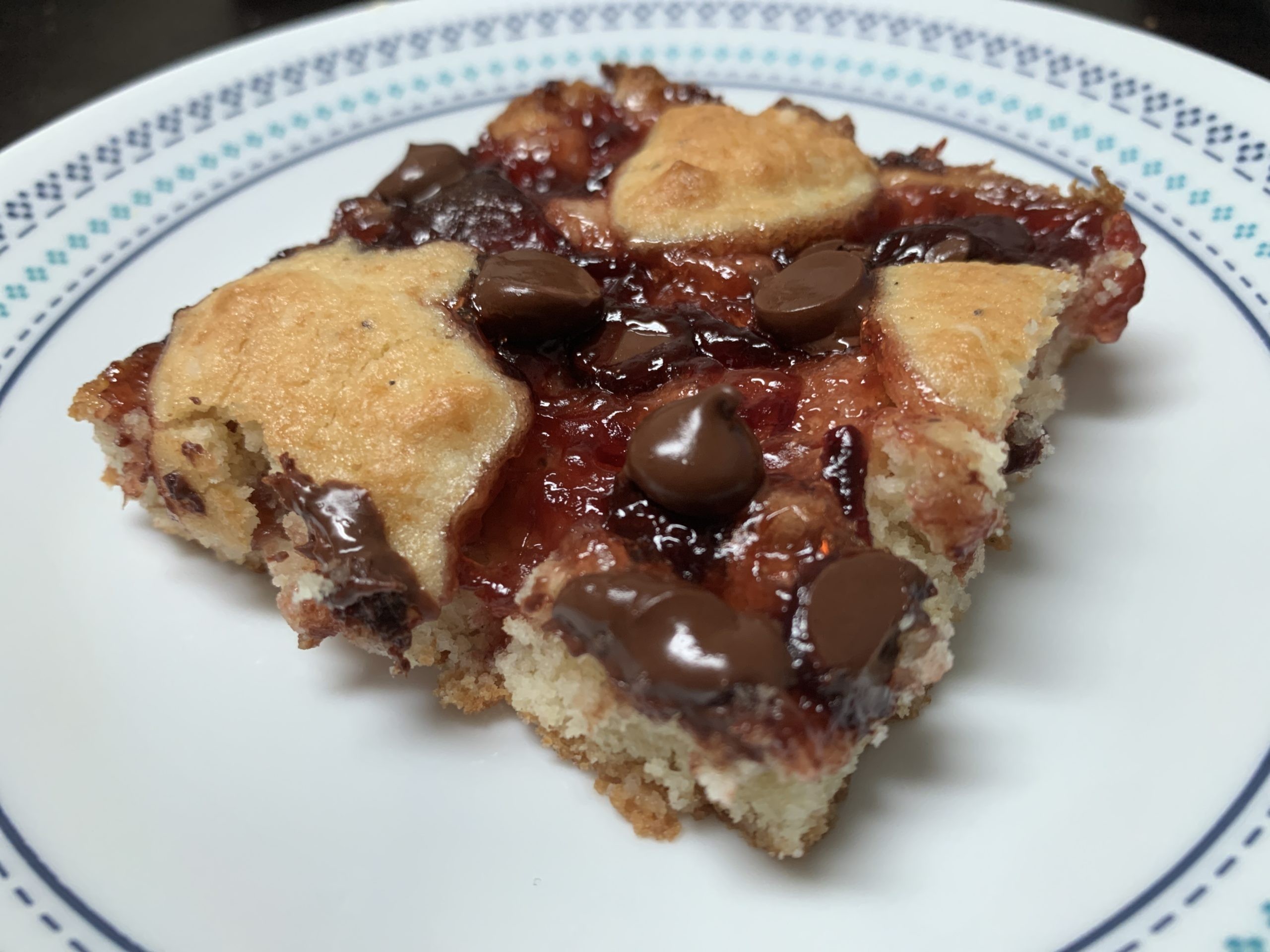
Mastering the art of making jam bars at home requires a precise approach to ensure safety and flavor. This expert guide delves into essential techniques, ingredient selection, and step-by-step protocols that guarantee delicious results while adhering to food safety standards. Whether you’re a novice baker or a seasoned pro, following these guidelines will elevate your jam bar creations and keep your kitchen safe.
What This Guide Covers (And What It Doesn’t)
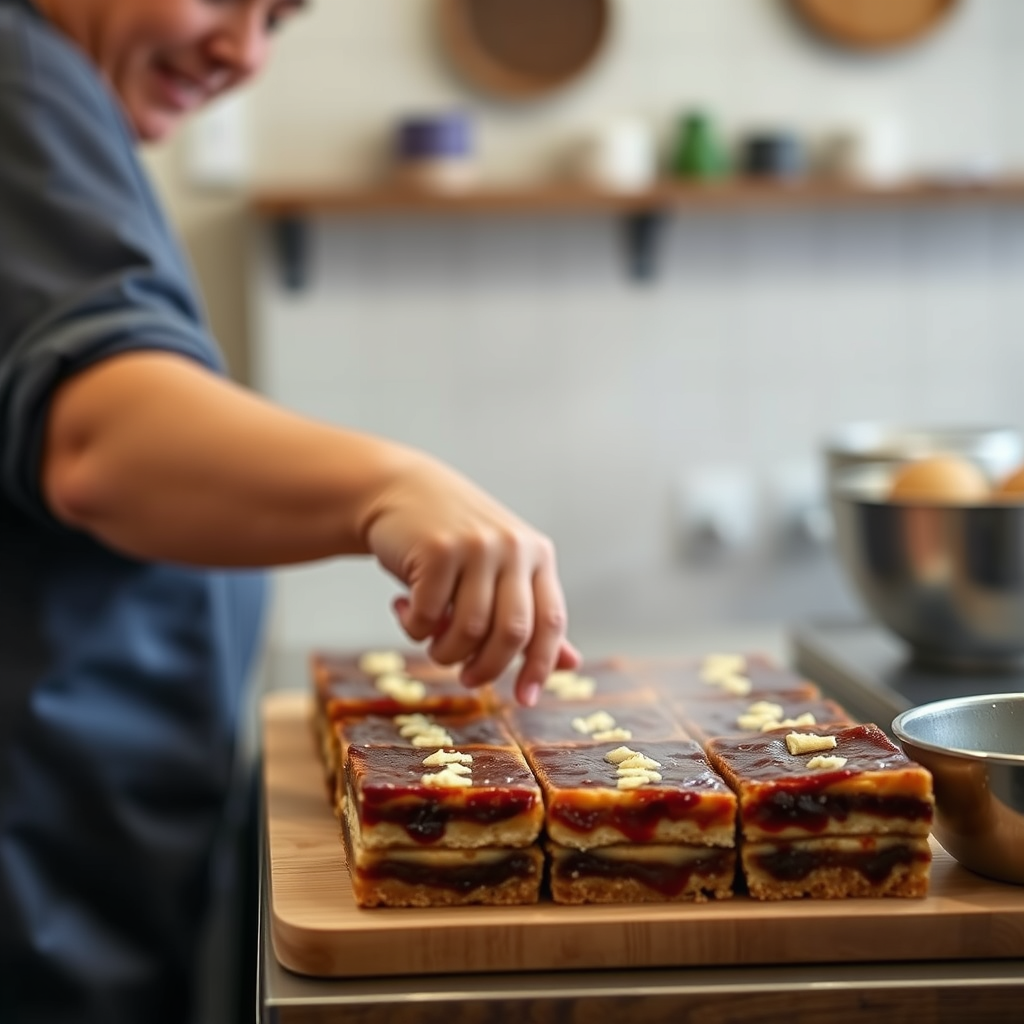
This guide provides a detailed, step-by-step recipe for crafting jam bars, complete with ingredient lists, preparation techniques, and baking instructions. Emphasizing essential kitchen safety practices—such as hygiene and proper food handling—this guide ensures that you can prepare jam and baked goods safely. However, it does not include recipes for alternative desserts or variations on jam bars that stray from traditional jam preparation.
Who Should Read This
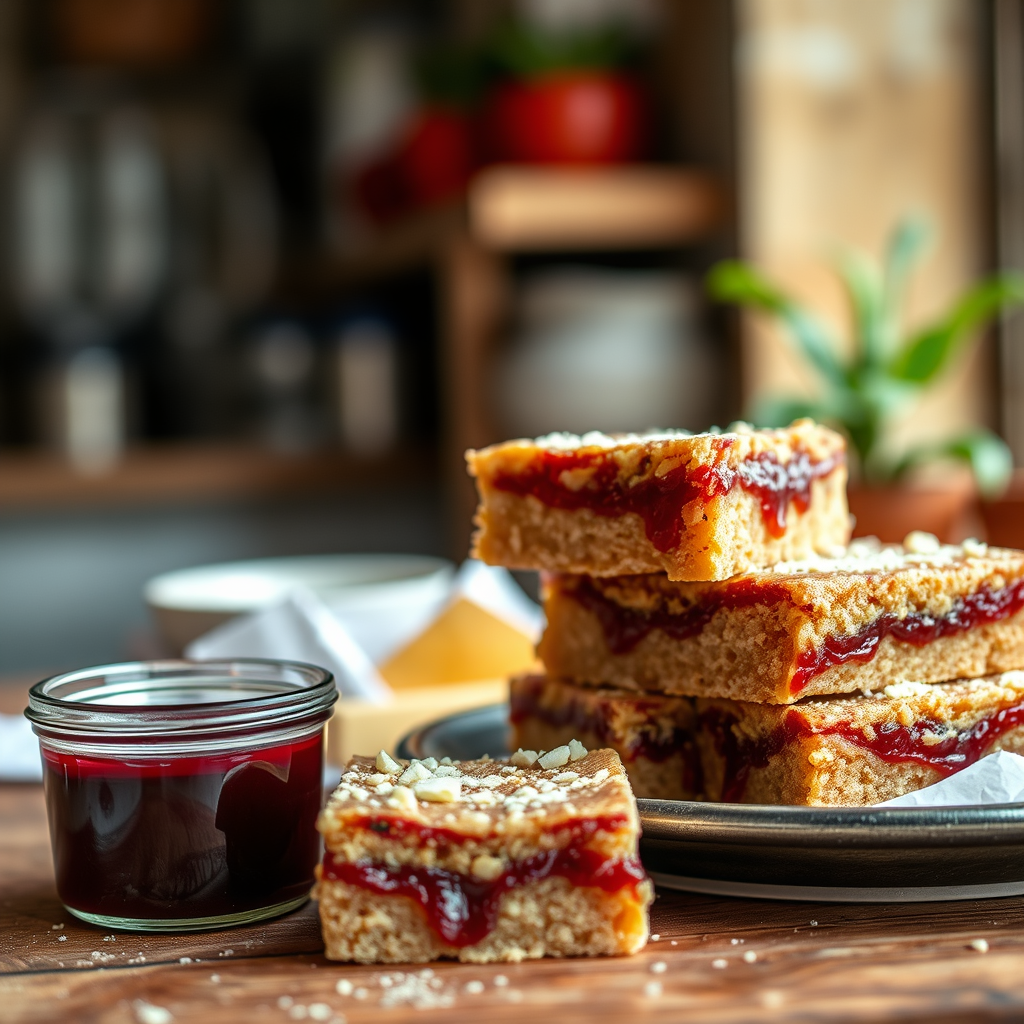
This guide is perfect for home bakers with a fundamental understanding of baking techniques who wish to expand their repertoire with a delightful jam bars recipe. It caters to those seeking a straightforward dessert that utilizes either homemade or store-bought jam, focusing on ease of preparation. Readers with dietary restrictions or specific ingredient preferences should consult alternative resources, as this guide is centered on classic jam bar ingredients.
The Step-by-Step Protocol
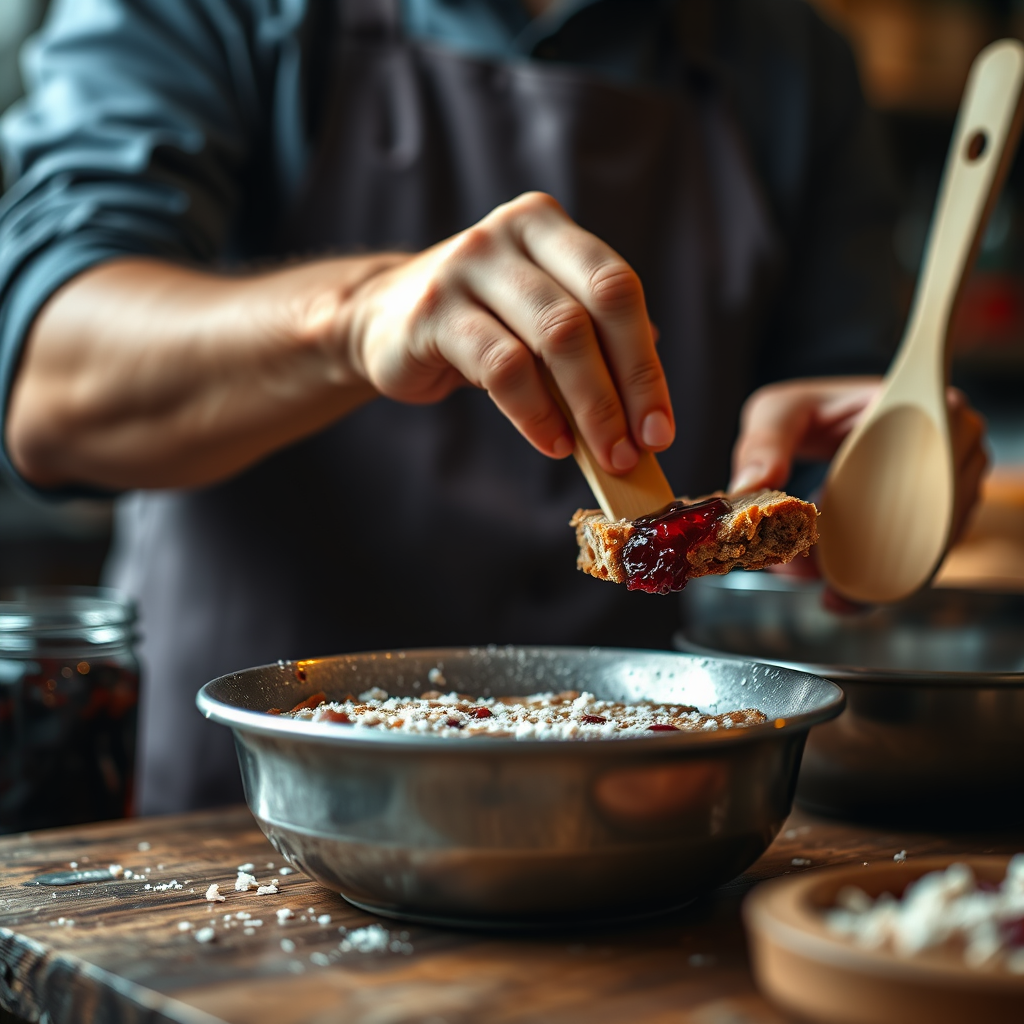
1. Gather all ingredients: You will need 2 cups of all-purpose flour, 1 cup of rolled oats, 1 cup of brown sugar, 1/2 cup of unsalted butter (softened), 1/2 teaspoon of salt, and 1 cup of your favorite jam. Choose a jam that complements the flavor profile you desire, such as raspberry, strawberry, or apricot.
2. Preheat your oven: Set your oven to 350°F (175°C) and prepare a 9×9-inch baking pan by lining it with parchment paper. This will make it easy to remove the jam bars once they are baked.
3. Mix the dry ingredients: In a mixing bowl, thoroughly combine the flour, oats, brown sugar, and salt. Make sure there are no clumps before proceeding. This step is crucial for achieving a uniform texture in your jam bars.
4. Incorporate the butter: Add the softened butter to the dry mixture. Use a pastry cutter or your hands to blend until the mixture resembles coarse crumbs. This creates the base for your jam bars, providing both structure and flavor.
5. Assemble the jam bars: Press half of the dough mixture firmly into the bottom of the prepared pan to create a crust. Spread an even layer of jam over the crust, ensuring that it reaches the edges. Crumble the remaining dough mixture over the jam layer, covering it evenly.
6. Bake: Place the pan in the preheated oven and bake for 30-35 minutes. The top should turn golden brown, indicating that the bars are ready.
7. Cool and slice: Once baked, remove the pan from the oven and allow it to cool completely on a wire rack. This cooling period is essential to ensure that the bars hold their shape when sliced.
Top Jam Varieties for Baking Jam Bars
| # | Jam Type | Flavor Profile | Best For | Sweetness Level |
|---|---|---|---|---|
| 1 | Raspberry Jam | Tart and Sweet | Classic Jam Bars | Moderate |
| 2 | Strawberry Jam | Sweet and Fruity | Family Favorites | High |
| 3 | Blueberry Jam | Rich and Sweet | Gourmet Treats | Moderate |
| 4 | Apricot Jam | Sweet and Tangy | Elegant Desserts | Moderate |
| 5 | Peach Jam | Fruity and Sweet | Unique Flavors | High |
| 6 | Cherry Jam | Tart and Sweet | Classic Pairing | Moderate |
| 7 | Blackberry Jam | Deep and Fruity | Gourmet Bars | Low |
Warning Signs: When Not to Follow This
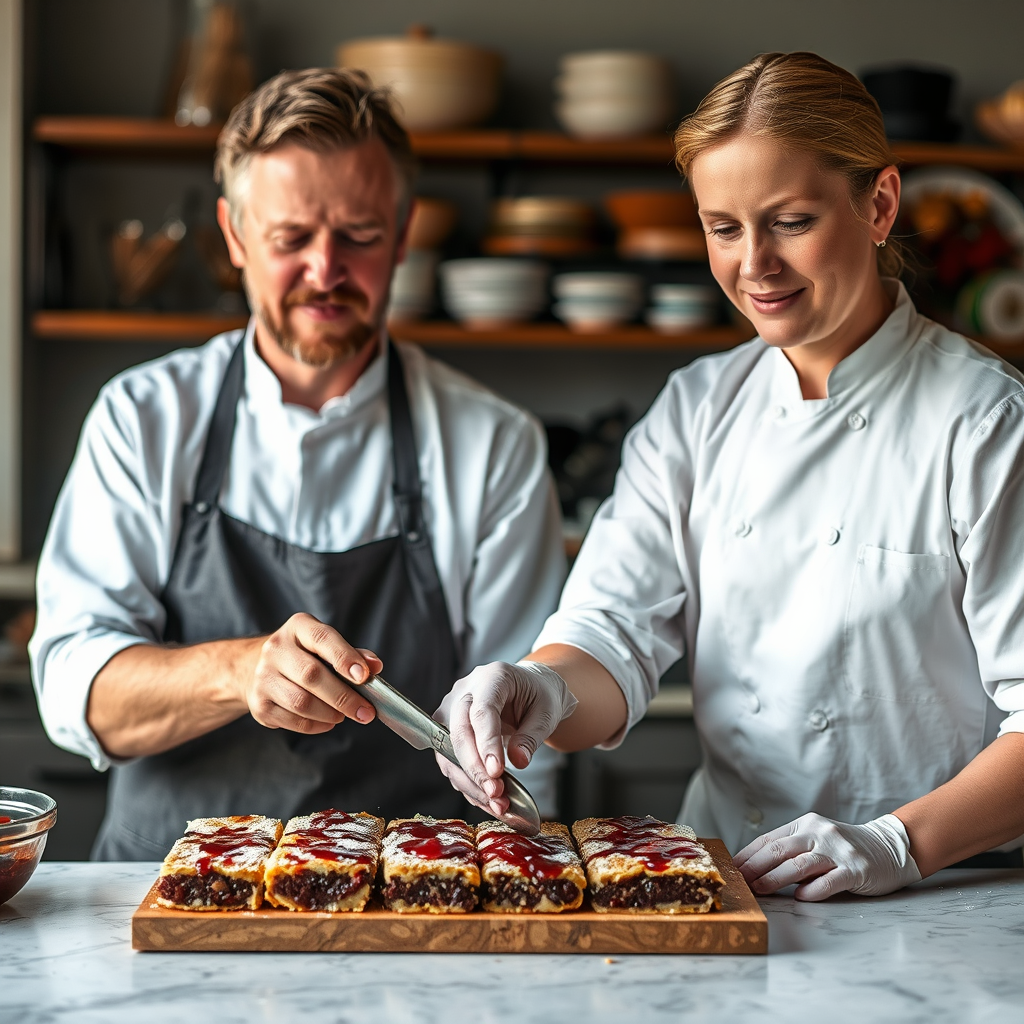
– If you or anyone consuming the jam bars has a known allergy to any of the ingredients (e.g., gluten or dairy), do not proceed with this recipe. Always consult ingredient labels for potential allergens.
– Avoid making jam bars if your kitchen environment is not properly sanitized. An unclean kitchen can lead to foodborne illnesses, especially when handling perishable items.
– Do not attempt this recipe if your oven is malfunctioning or not reaching the required temperature. An improperly heated oven can result in poorly baked bars, affecting both taste and texture.
The Most Common Mistakes (And Their Consequences)

– Inaccurate Measurements: Failing to measure ingredients accurately can lead to a crumbly texture or overly dense jam bars. For best results, use a kitchen scale, particularly for flour and butter.
– Improper Cooling: Not allowing the jam bars to cool completely before slicing can cause them to crumble and lose their shape. This creates a messy presentation and diminishes the overall appeal of your dessert.
– Unlined Pans: Using a pan that is not lined with parchment paper can make it difficult to remove the bars, leading to breakage and frustration during serving. Always use parchment paper or grease the pan thoroughly.
Special Cases That Need a Different Approach
– Gluten-Free Jam Bars: For those needing gluten-free options, substitute regular all-purpose flour with a 1:1 gluten-free baking flour blend. Ensure that the jam used is also gluten-free.
– Using Fresh Fruit: If you opt to use fresh fruit instead of jam, create a fruit compote by cooking down the fruit with sugar and a thickening agent, such as cornstarch, before using it in the recipe. This will help achieve a similar consistency to jam.
– Vegan Version: To make vegan jam bars, replace the butter with coconut oil or a plant-based butter alternative. If the recipe calls for an egg (not needed in this particular recipe), use a flaxseed meal mixture as a substitute.
When You Need a Professional
– If you have severe allergies or intolerances, consult with a healthcare provider to ensure that the ingredients used in the jam bars are safe for you. This is particularly important if you are unsure about cross-contamination in your kitchen.
– When experimenting with canning homemade jams to use in the recipe, it is vital to follow FDA guidelines to prevent food safety issues. Consider seeking advice from a food safety expert to ensure proper canning techniques.
– If you are unsure about the safety of your kitchen equipment, such as oven calibration or kitchen sanitation practices, contact a qualified professional to assess your cooking environment before proceeding.
Sources and Further Reading
– FDA guidelines on food safety: [FDA Food Safety](https://www.fda.gov/food/food-safety-modernization-act-fsma)
– For a deeper understanding of baking techniques, refer to “The Baking Bible” by Rose Levy Beranbaum.
– Explore variations and tips on jam preparation from “Preserving with Pomona’s Pectin” by Allison Carroll Duffy, which offers insights on homemade jam that can elevate your jam bars.
By following this guide, you will not only create delicious jam bars but also ensure a safe and enjoyable baking experience. Happy baking!
Frequently Asked Questions
What ingredients do I need for a classic jam bars recipe?
To make classic jam bars, you will need all-purpose flour, oats, brown sugar, butter, baking powder, salt, and your choice of fruit jam. Popular jam options include raspberry, apricot, or strawberry, which add sweetness and flavor to the bars. Ensure you have a good quality jam for the best taste.
How do I make sure my jam bars don’t fall apart?
To prevent your jam bars from falling apart, it’s essential to properly balance the dry and wet ingredients. Make sure to use enough butter to bind the oats and flour together, and allow the bars to cool completely before cutting them. Additionally, pressing the mixture firmly into the baking dish can help them hold their shape.
Why are my jam bars too crumbly?
If your jam bars are too crumbly, it may be due to insufficient binding from butter or too much flour in your mixture. Ensure you’re measuring your ingredients accurately and consider adding a bit more butter or a touch of honey to enhance the moisture. Also, chilling the mixture before baking can help improve texture.
What is the best way to store homemade jam bars?
The best way to store homemade jam bars is to keep them in an airtight container at room temperature for up to a week. For longer storage, you can refrigerate them for up to two weeks or freeze them for up to three months. If freezing, wrap individual bars in plastic wrap before placing them in a freezer-safe container.
Which fruit jam works best for jam bars?
The best fruit jam for jam bars depends on your personal preference, but popular choices include raspberry, strawberry, and apricot due to their vibrant flavors. Each jam brings a unique taste and adds moisture to the bars, so feel free to experiment with different flavors to find your favorite combination.
References
- Fruit preserves
https://en.wikipedia.org/wiki/Jam - https://www.seriouseats.com/jam-bars-recipe-5114703
https://www.seriouseats.com/jam-bars-recipe-5114703 - https://www.foodnetwork.com/recipes/food-network-kitchen/jam-bars-recipe-2119495
https://www.foodnetwork.com/recipes/food-network-kitchen/jam-bars-recipe-2119495 - NYT Cooking – Recipes and Cooking Guides From The New York Times
https://www.nytimes.com/recipes/1019825-jam-bars - Google Scholar Google Scholar
https://scholar.google.com/scholar?q=jam+bars+recipe - Google Scholar Google Scholar
https://scholar.google.com/scholar?q=jam+bars+baking - Google Scholar Google Scholar
https://scholar.google.com/scholar?q=fruit+preserves+in+baking - https://www.verywellfit.com/jam-bar-recipes-5181267
https://www.verywellfit.com/jam-bar-recipes-5181267 - jam bars recipe – Search results
https://en.wikipedia.org/wiki/Special:Search?search=jam+bars+recipe - https://www.ncbi.nlm.nih.gov/search/research-articles/?term=jam+bars+recipe
https://www.ncbi.nlm.nih.gov/search/research-articles/?term=jam+bars+recipe