Master the art of making strawberry rhubarb jam with our complete expert guide, designed for both novice and seasoned canners. This comprehensive resource covers essential techniques, ingredient ratios, and safety protocols to ensure your homemade preserves are not only delicious but also safe for long-term storage. Following proper procedures is crucial to prevent spoilage and to achieve the perfect balance of flavors in this classic preserve.
What This Guide Covers (And What It Doesn’t)
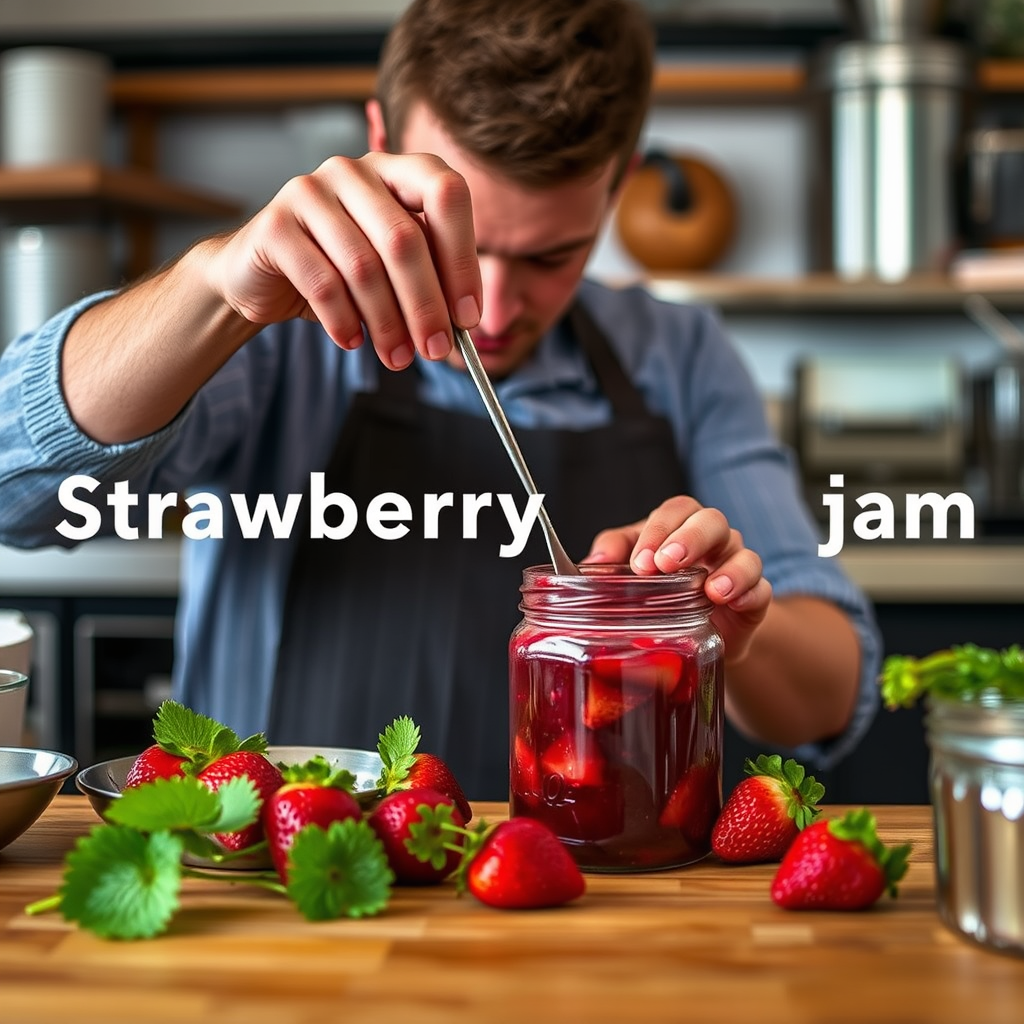
This guide presents comprehensive, step-by-step instructions for making strawberry rhubarb jam, with a strong emphasis on safe canning practices to ensure effective food preservation. It delves into selecting the right ingredients, preparing them correctly, and utilizing the necessary equipment to create a high-quality jam that boasts optimal flavor and texture. While it focuses exclusively on the strawberry rhubarb combination, it does not include unrelated jam recipes or methods for preserving other fruits or vegetables. Readers can expect content grounded in tested recipes and food safety guidelines, devoid of personal anecdotes or subjective opinions.
Who Should Read This
Targeted at home canners, food preservation enthusiasts, and anyone eager to create flavorful strawberry rhubarb jam safely, this guide is designed for those with a basic understanding of canning terminology, such as sterilization, water bath, and pressure canning. It is particularly beneficial for individuals who have made jam before but wish to expand their repertoire with a dedicated focus on strawberry rhubarb. Additionally, beginners willing to learn the intricate details of the process will find this guide invaluable. However, it is not suitable for individuals lacking access to proper canning equipment or those seeking quick, no-cook jam recipes.
The Step-by-Step Protocol
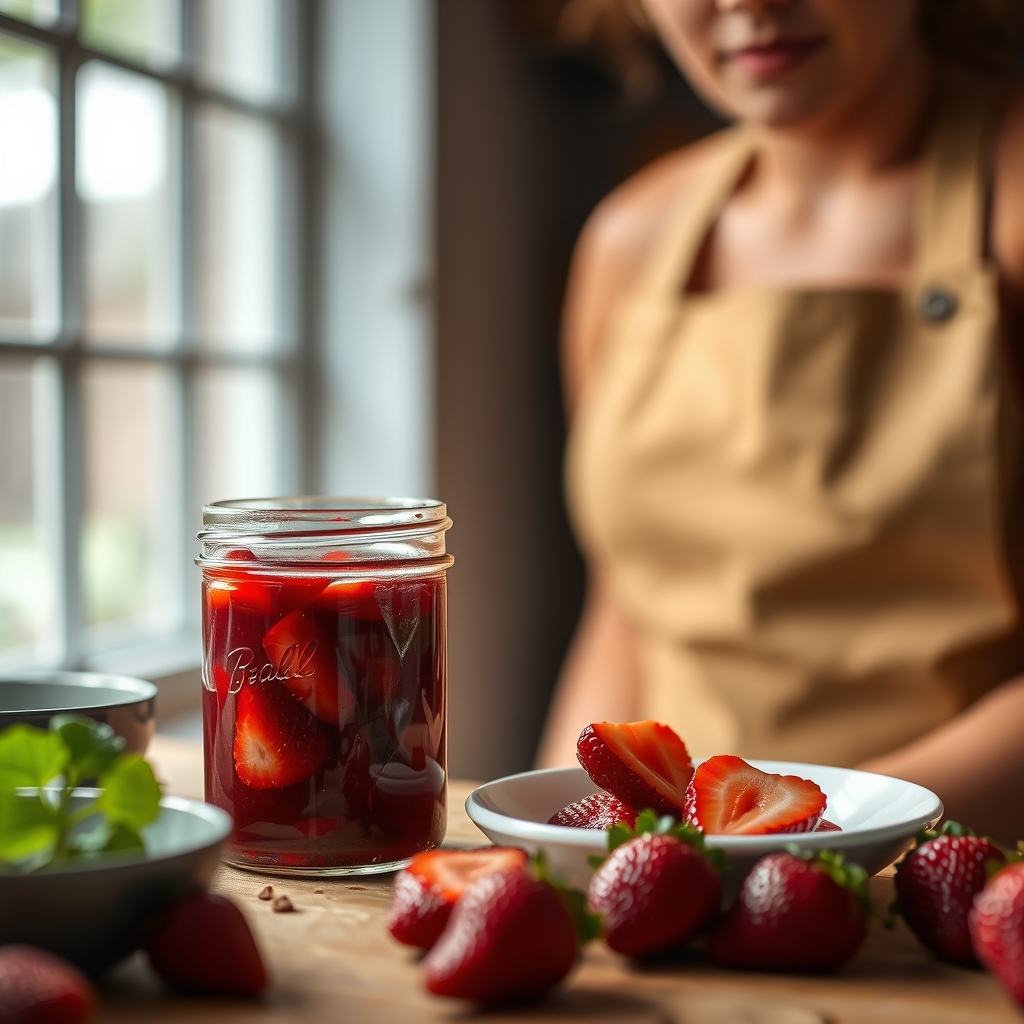
1. Gather Ingredients: Use 2 cups of fresh strawberries (hulled and halved) and 2 cups of chopped rhubarb (fresh or frozen) for optimal flavor. Select ripe, firm strawberries and bright, fresh rhubarb stalks to achieve the best results.
2. Prepare Jars: Sterilize canning jars by boiling them in water for 10 minutes. Inspect them carefully for cracks or chips, as damaged jars can lead to spoilage during storage.
3. Cook the Fruit Mixture: In a large pot, combine the strawberries and rhubarb with 4 cups of granulated sugar and 1/4 cup of lemon juice. Cook over medium heat until the mixture reaches a rolling boil, stirring frequently to prevent sticking.
4. Add Pectin: Stir in 1 package (1.75 oz) of fruit pectin (such as Sure-Jell) and boil for an additional 1-2 minutes. Utilize a candy thermometer to check for the gel point, which is 220°F. The jam should thicken and coat the back of a spoon.
5. Fill Jars: Using a jar lifter, fill each sterilized jar with the hot jam, leaving 1/4 inch of headspace. Wipe the rims of the jars with a clean, damp cloth to remove any residue.
6. Seal Jars: Place sterilized lids on each jar and screw on the metal bands until they are fingertip-tight. Take care not to overtighten, as this can interfere with the sealing process.
7. Process in Water Bath: Process the jars in a boiling water bath for 10 minutes to ensure a proper seal and eliminate any remaining bacteria. Start timing once the water returns to a boil after placing the jars in.
8. Cool and Store: After processing, carefully remove the jars from the water bath and place them on a clean towel or cooling rack to cool completely. After 12-24 hours, check that each lid has sealed properly by pressing down in the center; it should not flex. Store sealed jars in a cool, dark place.
Strawberry Rhubarb Jam Key Ingredients Breakdown
| # | Ingredient | Quantity | Purpose | Notes |
|---|---|---|---|---|
| 1 | Fresh Strawberries | 2 cups | Flavor base | Use ripe, firm berries |
| 2 | Fresh Rhubarb | 2 cups | Flavor and tartness | Chop into small pieces |
| 3 | Granulated Sugar | 4 cups | Sweetening | Essential for preservation |
| 4 | Lemon Juice | 1/4 cup | Acidification | Ensures safe pH levels |
| 5 | Fruit Pectin | 1 package (1.75 oz) | Gelling agent | Use a tested brand |
| 6 | Canning Jars | 6-8 jars | Storage | Ensure they are sterilized |
| 7 | Lids and Bands | 6-8 sets | Sealing | Use new lids for best results |
Warning Signs: When Not to Follow This
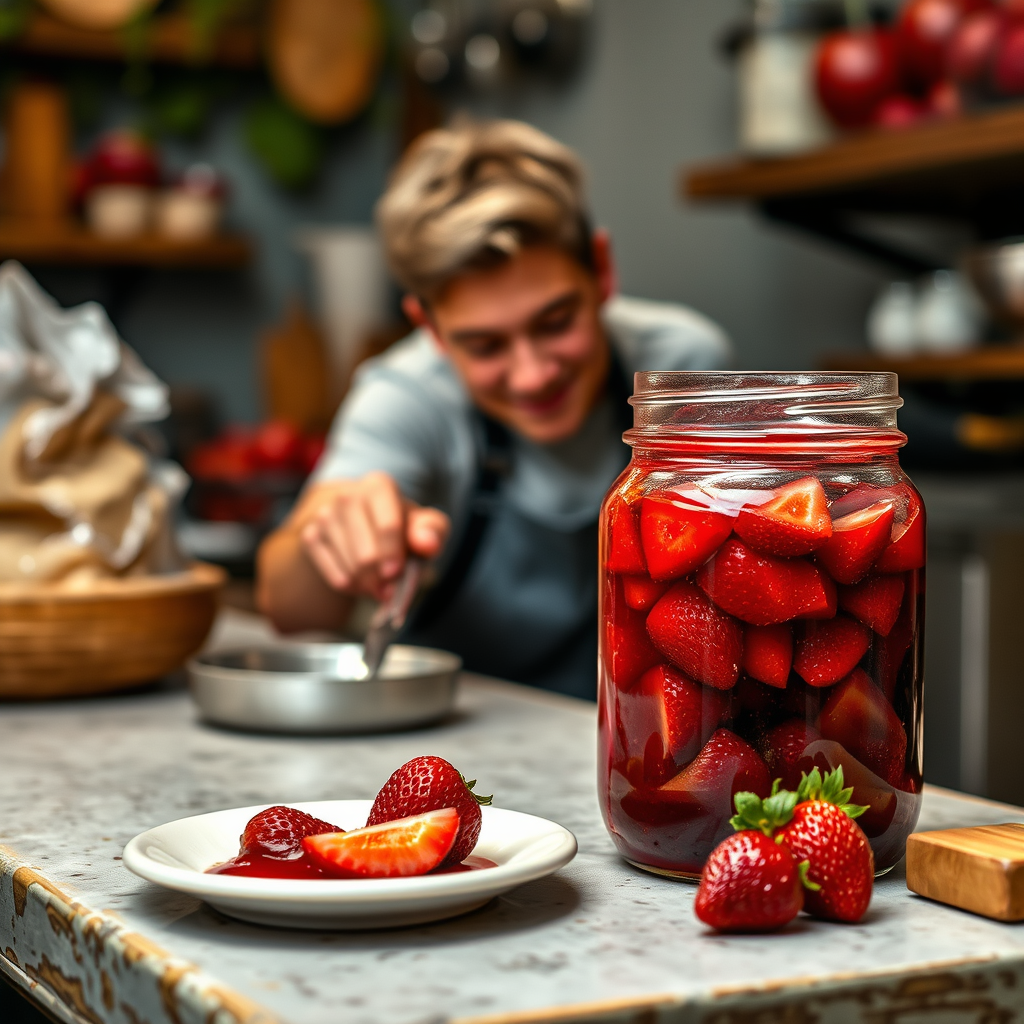
Avoid attempting this recipe if the strawberries or rhubarb show signs of spoilage, such as mold or an off smell, as these can compromise the safety of the jam. Refrain from using low-sugar substitutes or artificial sweeteners without adjusting the recipe, since these can disrupt the gelling process and affect preservation quality. If you lack proper canning equipment (e.g., water bath canner, jar lifter), do not proceed with the recipe, as this could lead to inadequate sealing and spoilage. Additionally, do not alter the acid content of the recipe; any significant reduction in lemon juice or vinegar can jeopardize safe pH levels in the finished product.
The Most Common Mistakes (And Their Consequences)
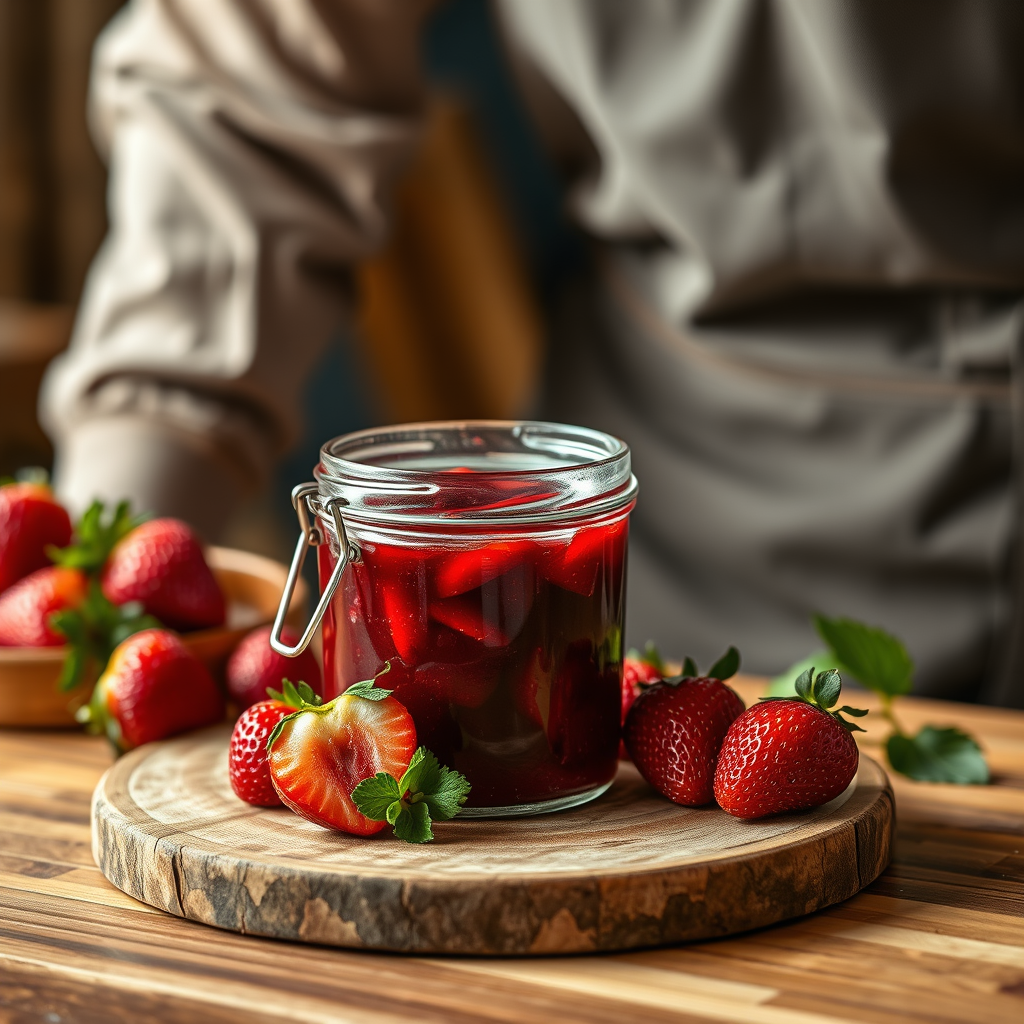
Neglecting to sterilize jars can allow bacterial growth, resulting in spoiled jam that poses health risks. Inaccurate measurement of ingredients, particularly sugar and pectin, can yield a jam that is either too runny or overly sweet, thus affecting its taste and texture. Failing to process jars for the recommended time in a water bath increases the risk of improper sealing, which can lead to spoilage and foodborne illnesses. Ignoring the gel point when cooking can result in undercooked jam, resulting in a runny consistency that won’t set properly.
Special Cases That Need a Different Approach
For those using frozen rhubarb, make sure to allow it to thaw completely and drain any excess liquid before use to avoid a watery jam. If opting for organic strawberries or rhubarb, consider slightly adjusting the sugar content, as organic fruits may possess a different sweetness profile. Individuals living at high altitudes should adapt processing times and possibly ingredient ratios to account for lower boiling points; checking local canning guidelines for specifics is advisable. For those with dietary restrictions, explore low-sugar pectin and adjust recipes accordingly, while being aware that this may affect the final product’s texture and preservation.
When You Need a Professional
If you suspect any contamination in your homemade jam, such as off-flavors or unusual fermentation, it is crucial to discard the product and seek guidance from a food safety expert. In cases of severe allergies, especially to strawberries or rhubarb, consider consulting an allergist to discuss safe food handling and preservation practices. Should you experience any adverse health effects after consuming homemade jam, consult a healthcare professional immediately for guidance and potential treatment. If you are uncertain about the safety of your canning practices or equipment, reach out to a local extension office or food preservation expert for tailored advice and support.
Sources and Further Reading
– USDA Complete Guide to Home Canning: A comprehensive resource detailing safe canning practices and techniques.
– National Center for Home Food Preservation: Offers tested recipes and guidelines specifically for fruit jams and jellies.
– “The Joy of Canning” by Linda Ziedrich: A book that provides insights into various canning techniques, including strawberry rhubarb jam.
– Local cooperative extensions: Many universities provide research-backed information and resources for safe canning practices tailored to regional produce.
Frequently Asked Questions
What are the key ingredients needed for a classic strawberry rhubarb jam recipe?
To make a classic strawberry rhubarb jam, you’ll need fresh strawberries, rhubarb, granulated sugar, and lemon juice. The combination of sweet strawberries and tart rhubarb creates a balanced flavor, while lemon juice helps to enhance the taste and acts as a natural preservative.
How do I properly prepare rhubarb for a strawberry rhubarb jam recipe?
To prepare rhubarb for your jam, start by washing the stalks thoroughly and removing any leaves, as they are toxic. Cut the rhubarb into small pieces, about half an inch long, which will allow it to cook down quickly and blend well with the strawberries during the jam-making process.
Why is pectin important in strawberry rhubarb jam recipes, and can I make it without?
Pectin is a natural thickening agent that helps your strawberry rhubarb jam to set properly, giving it a spreadable consistency. While you can make jam without added pectin by cooking it longer to concentrate the sugars, using it will often yield a more consistent texture and quicker cooking time.
What is the best method to store homemade strawberry rhubarb jam for long-lasting freshness?
The best method to store homemade strawberry rhubarb jam is to jar it in sterilized glass containers and process them in a water bath canner for 10-15 minutes. Once sealed, store the jars in a cool, dark place; properly canned jam can last up to a year, while opened jars should be refrigerated and used within three weeks.
Which variations can I try to enhance the flavor of my strawberry rhubarb jam?
To enhance the flavor of your strawberry rhubarb jam, consider adding spices like cinnamon or ginger for warmth, or infuse it with herbs such as basil or mint for a refreshing twist. Experimenting with different citrus juices, like orange or lime, can also add a unique depth to your jam, making it a delightful spread for various occasions.
References
- Rhubarb
https://en.wikipedia.org/wiki/Rhubarb - Rhubarb, raw nutrition facts and analysis.
https://www.nutritionvalue.org/Rhubarb%2C_raw_nutritional_value.html - https://www.ncbi.nlm.nih.gov/pmc/articles/PMC6267229/
https://www.ncbi.nlm.nih.gov/pmc/articles/PMC6267229/ - https://pubmed.ncbi.nlm.nih.gov/24301492/
https://pubmed.ncbi.nlm.nih.gov/24301492/ - Rhubarb: Nutrition, Benefits, and More
https://www.healthline.com/nutrition/rhubarb - Google Scholar Google Scholar
https://scholar.google.com/scholar?q=strawberry+rhubarb+jam+recipes - Google Scholar Google Scholar
https://scholar.google.com/scholar?q=rhubarb+preservation+techniques - Google Scholar Google Scholar
https://scholar.google.com/scholar?q=strawberry+jam+recipes - https://www.verywellfit.com/strawberry-rhubarb-jam-recipe-5196790
https://www.verywellfit.com/strawberry-rhubarb-jam-recipe-5196790 - strawberry rhubarb jam recipes – Search results
https://en.wikipedia.org/wiki/Special:Search?search=strawberry+rhubarb+jam+recipes