Mastering James Hoffman’s French Press recipe is essential for anyone serious about brewing exceptional coffee at home. This expert guide delves into Hoffman’s precise methodology, from grind size to steeping time, ensuring you extract the fullest flavor from your beans. Following these detailed protocols not only elevates your coffee experience but also enhances your brewing skills, making every cup a testament to quality.
What This Guide Covers (And What It Doesn’t)
This guide offers an in-depth exploration of James Hoffman’s method for brewing coffee with a French press. It delves into essential details such as ingredient ratios, water temperatures, and precise timing. By focusing on the unique techniques of Hoffman’s recipe—like grind size and steeping methods—it ensures an accurate representation of his approach. However, it does not address alternative French press methods or other coffee brewing techniques, providing clarity and precision for those looking to master this specific recipe. This guide is tailored for coffee enthusiasts eager to refine a particular brewing method rather than those seeking general coffee advice.
Who Should Read This
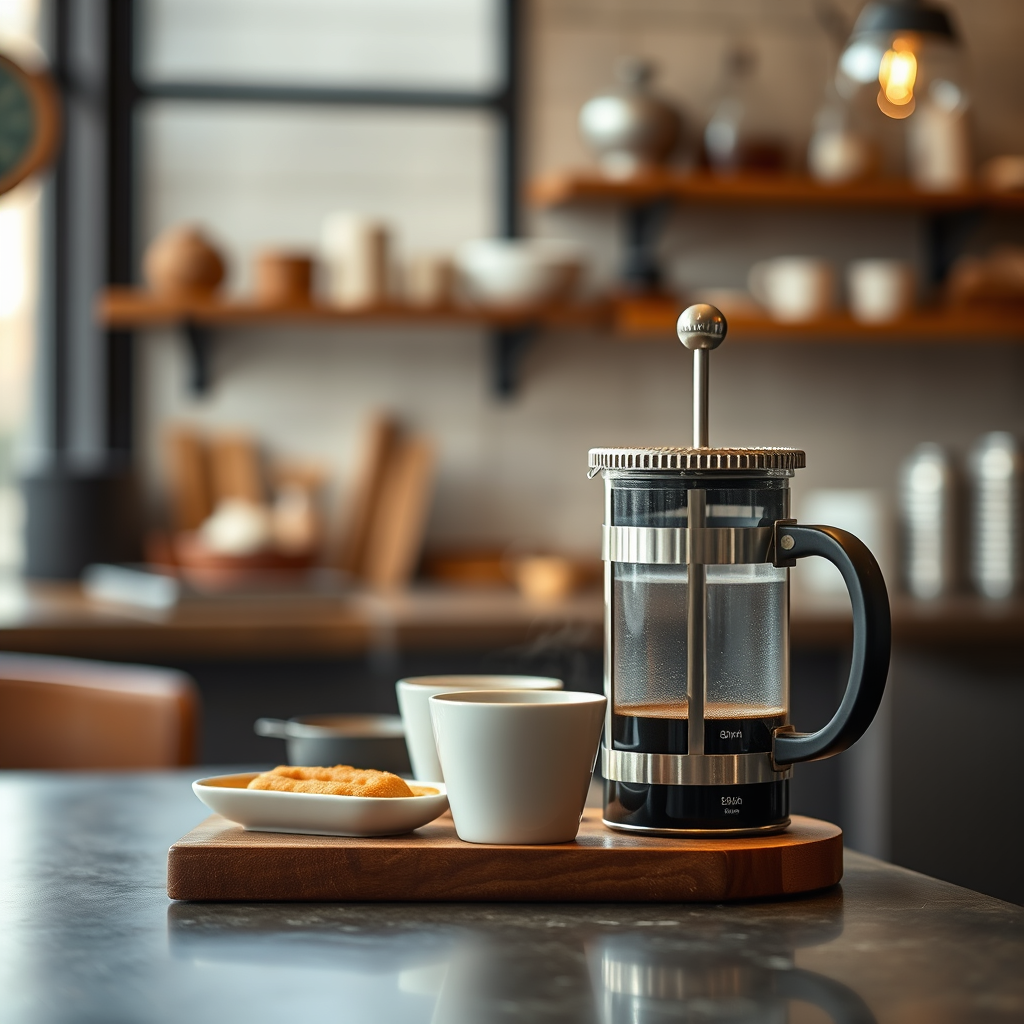
This guide is designed for home baristas and coffee aficionados who possess a foundational understanding of coffee brewing equipment and wish to enhance their skills with the French press. Readers should ideally be familiar with coffee terminology, including grind size, extraction time, and water-to-coffee ratios, to fully appreciate the details presented here. Specialty coffee drinkers who value the nuances of brewing and aim to elevate their home coffee experience will find this guide especially valuable. Beginners with little to no experience in coffee brewing may want to start with basic French press instructions before tackling this advanced technique.
The Step-by-Step Protocol
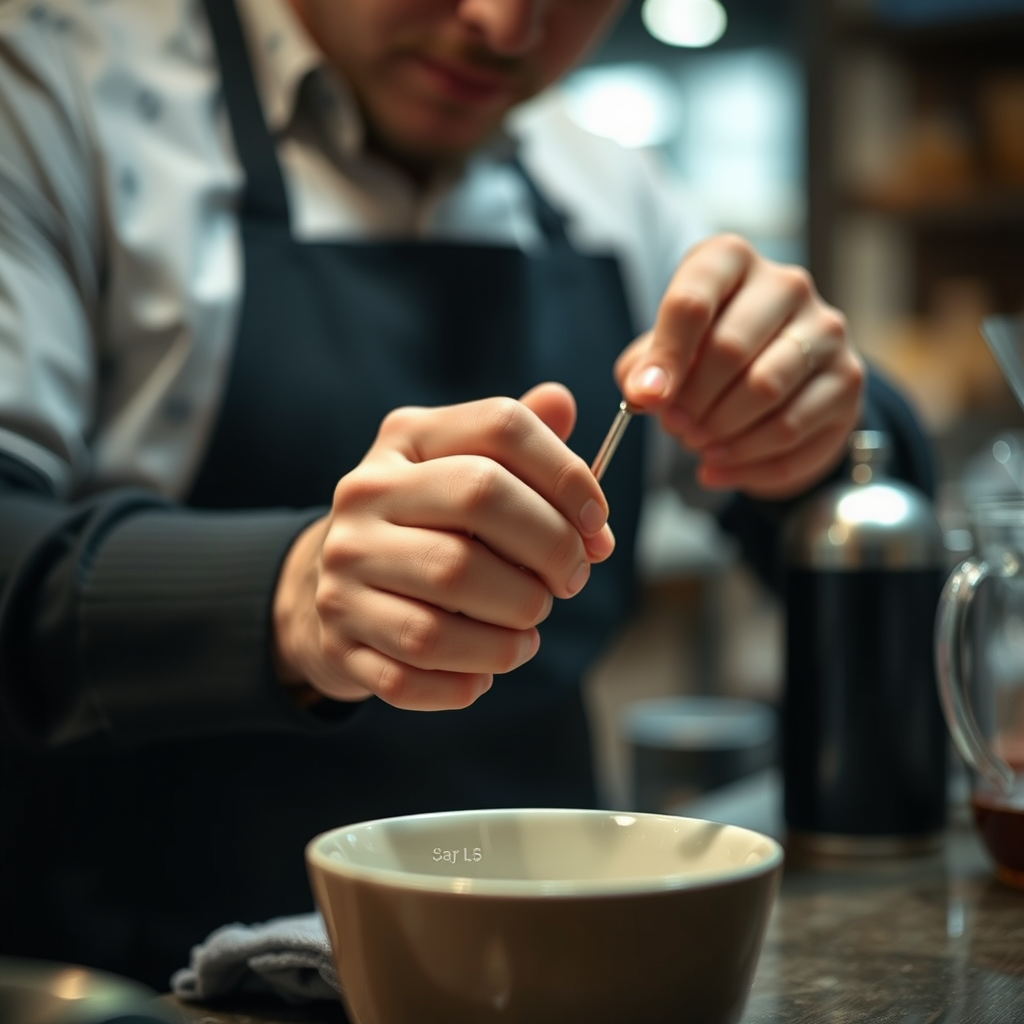
1. Measure Coffee and Water: Begin by measuring out 60 grams of coarsely ground coffee for every liter (1000 ml) of water you plan to use. This ratio is crucial for achieving an ideal strength and flavor profile in your brew.
2. Heat Water: Bring your water to a boil, then remove it from heat and let it cool for about 30 seconds. Aim for a water temperature between 93-96°C (200-205°F). This temperature range is essential for optimal extraction, ensuring that the flavors are fully developed without scorching the coffee.
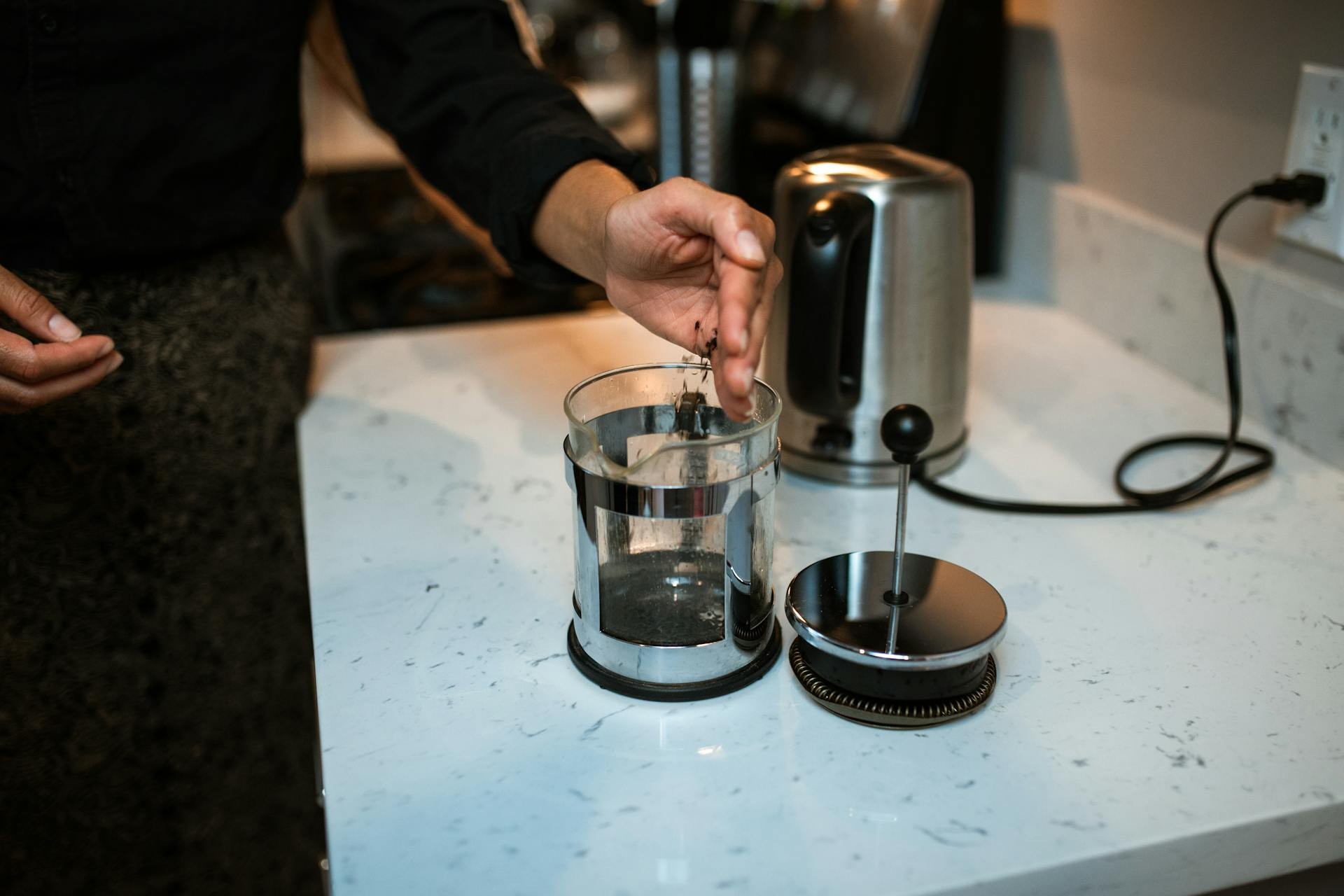
3. Combine Coffee and Water: In your French press, pour the hot water over the coffee grounds, ensuring that all grounds are saturated evenly. Stir gently with a spoon to mix the coffee and water thoroughly, ensuring that each coffee particle is immersed.
4. Steep Time: Allow the coffee to steep for exactly 4 minutes. This duration is critical for balanced flavor extraction; shorter steeping times may yield a weak brew, while longer times can lead to over-extraction and bitterness.
5. Press and Pour: After the 4-minute steep, slowly press the plunger down. Do this gently to separate the grounds from the brewed coffee without agitating the sediment too much. Serve immediately to avoid over-extraction, which can occur if the coffee sits with the grounds for too long.
Warning Signs: When Not to Follow This
– Avoid using this recipe if you prefer a significantly stronger or weaker coffee, as the ratios and steeping time are specifically tailored to Hoffman’s flavor profile.
– If you are using pre-ground coffee that is not coarsely ground, the extraction may be uneven, leading to undesirable flavors. The grind size is a critical factor in the brewing process.
– Do not follow this protocol if your brewing water has an unusual taste or odor, as this can negatively impact the final cup quality. Always use clean, filtered water for the best results.
– If you are in a rush and cannot allow for the full 4-minute steep, it’s better to postpone brewing rather than risk a poorly extracted cup. Rushing the process can compromise flavor and quality.
The Most Common Mistakes (And Their Consequences)
– Incorrect Grind Size: Using a finer grind than recommended can lead to over-extraction, resulting in a bitter taste and muddy texture. Always aim for a coarse grind, similar to breadcrumbs, to facilitate proper extraction.
– Inaccurate Water Temperature: Brewing with water that is too hot can scorch the coffee, while water that is too cool may under-extract, resulting in a sour taste. Use a thermometer to ensure precision.
– Skipping the Stirring Step: Failing to stir the coffee and water mixture can lead to uneven extraction. Some grounds may become over-extracted while others remain under-extracted, resulting in a muddled flavor profile.
– Ignoring Brew Time: Deviating from the 4-minute steeping time can create a cup that is either too weak or overly bitter. Precision in timing is essential to achieve the intended flavor balance.
Special Cases That Need a Different Approach
– If using flavored or decaffeinated coffee, adjustments in the coffee-to-water ratio may be necessary. These beans can behave differently during extraction, so experimenting with a slightly higher coffee dose may yield better results.
– For those living at high altitudes, the boiling point of water is lower, which may require slight adjustments in water temperature for optimal extraction. Consider using water that is just off the boil to compensate for this difference.
– If using a different water source, such as distilled water, you may experience minimal flavor. Experimentation might be necessary to find the right balance that works for your specific water quality.
– When brewing for a larger group, the recipe can be scaled up without changing the coffee-to-water ratio. However, ensure that you maintain the same measurement per liter to preserve the integrity of the flavors.
When You Need a Professional
– If you continue to have issues with your coffee not tasting right after following this recipe, consider consulting a barista or coffee expert for personalized guidance. They can help diagnose any potential brewing flaws.
– If you’re experimenting with advanced brewing techniques or equipment (like a temperature-controlled kettle) and find it overwhelming, seek advice from a coffee professional. They can provide insights into equipment calibration and technique refinement.
– When facing chronic brewing issues related to water quality, such as high mineral content or contaminants, it may be necessary to consult a water quality expert. They can recommend suitable filtration or treatment methods.
– If you’re sensitive to caffeine or have dietary restrictions related to coffee, it’s advisable to speak with a nutritionist or healthcare provider before altering your consumption based on brewing methods.
Sources and Further Reading
– “The World Atlas of Coffee” by James Hoffmann — an in-depth resource on coffee brewing techniques and flavor profiles that can enhance your understanding of the craft.
– Specialty Coffee Association (SCA) guidelines on brewing methods and standards to ensure best practices in coffee preparation.
– James Hoffmann’s YouTube channel, which provides visual demonstrations of his brewing methods and practical tips for perfecting the French press technique.
– Research papers on coffee extraction and brewing temperature from various coffee science journals, providing a deeper understanding of the chemistry involved in brewing coffee.
By following this guide thoroughly, you will not only replicate James Hoffman’s French press recipe but also gain an appreciation for the intricacies that create a truly exceptional cup of coffee. Enjoy your brewing journey!
Frequently Asked Questions
What is the James Hoffman French press recipe for brewing the perfect cup of coffee?
The James Hoffman French press recipe recommends using a coffee-to-water ratio of 1:15. For example, if you use 30 grams of coarsely ground coffee, you should add 450 grams of water. This method emphasizes a brewing time of about 4 minutes for optimal flavor extraction.
How do I properly grind coffee for the James Hoffman French press method?
For the James Hoffman French press method, you should use a coarse grind, similar to sea salt. A consistent grind size is crucial to prevent over-extraction and bitterness, ensuring a smooth and balanced flavor in your coffee. Using a burr grinder can help achieve this uniformity.
Why should I choose the James Hoffman French press recipe over other brewing methods?
The James Hoffman French press recipe stands out due to its precise ratios and brewing times, which enhance the coffee’s natural flavors. This method also allows for full immersion of coffee grounds, resulting in a rich and bold cup. If you’re looking for a simple yet effective way to elevate your coffee experience, this recipe is highly recommended.
What is the best water temperature to use in the James Hoffman French press recipe?
The ideal water temperature for the James Hoffman French press recipe is around 93-96°C (200-205°F). Using water at this temperature helps to extract the coffee’s essential oils and flavors without scalding the grounds, leading to a better-tasting brew.
Which type of coffee beans works best for the James Hoffman French press recipe?
For the James Hoffman French press recipe, medium to dark roasted coffee beans are often recommended, as they provide a rich and balanced flavor profile. However, you can also experiment with single-origin beans to explore different taste notes. Freshly roasted beans will always yield the best results, so make sure to choose high-quality coffee.
References
- French press
https://en.wikipedia.org/wiki/French_press - https://www.bbc.com/food/articles/how_to_use_a_french_press
https://www.bbc.com/food/articles/how_to_use_a_french_press - https://www.nytimes.com/wirecutter/blog/french-press-coffee-guide/
https://www.nytimes.com/wirecutter/blog/french-press-coffee-guide/ - https://www.sciencedirect.com/topics/agricultural-and-biological-sciences/french-press
https://www.sciencedirect.com/topics/agricultural-and-biological-sciences/french-press - French press | coffee pot | Britannica
https://www.britannica.com/topic/French-press - Google Scholar Google Scholar
https://scholar.google.com/scholar?q=james+hoffmann+french+press+recipe - Google Scholar Google Scholar
https://scholar.google.com/scholar?q=french+press+coffee+techniques - Google Scholar Google Scholar
https://scholar.google.com/scholar?q=coffee+brewing+methods+french+press - Google Scholar Google Scholar
https://scholar.google.com/scholar?q=james+hoffman+french+press+recipe - james hoffman french press recipe – Search results
https://en.wikipedia.org/wiki/Special:Search?search=james+hoffman+french+press+recipe