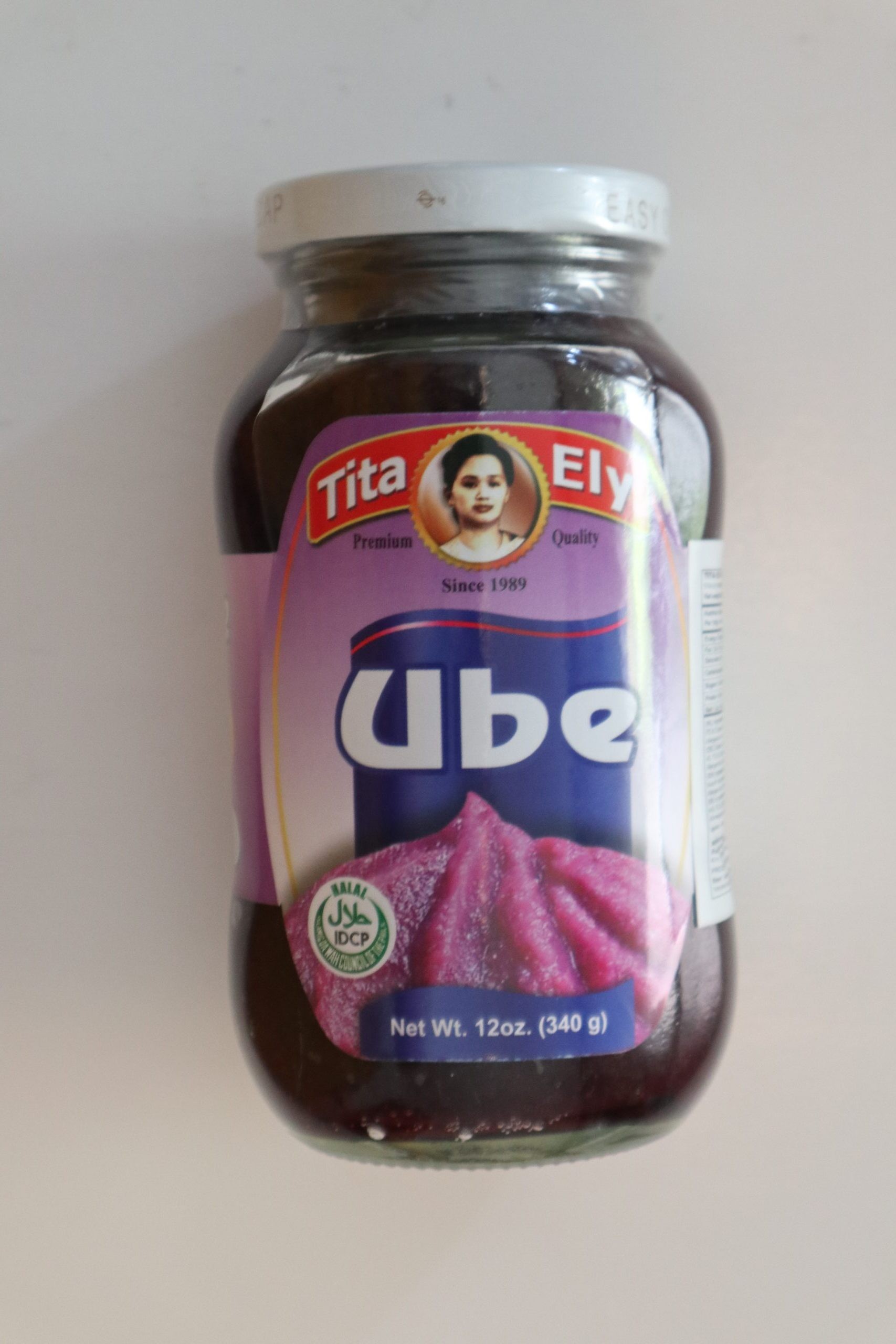
Master the art of making ube jam with this comprehensive guide, tailored for both novice and experienced cooks. This expert protocol covers every step, from selecting the finest purple yams to achieving the perfect consistency, ensuring your homemade jam is both delicious and visually stunning. Following these precise techniques not only elevates your culinary skills but also guarantees a successful and authentic ube jam that will impress anyone who tastes it.
What This Guide Covers (And What It Doesn’t)

This guide offers a thorough, step-by-step protocol for crafting traditional ube jam, also known as halaya, from scratch. It explores the nuances of ingredient selection, preparation techniques, and cooking methods that are essential for achieving delightful results. You will discover the ideal ratios of ube to sugar and coconut milk, as well as the exact cooking times necessary to create the perfect texture and flavor profile.
However, this guide deliberately excludes variations of ube jam that incorporate additional ingredients, such as other fruits or flavorings. It also does not address commercial ube jam products or pre-packaged options.
Who Should Read This
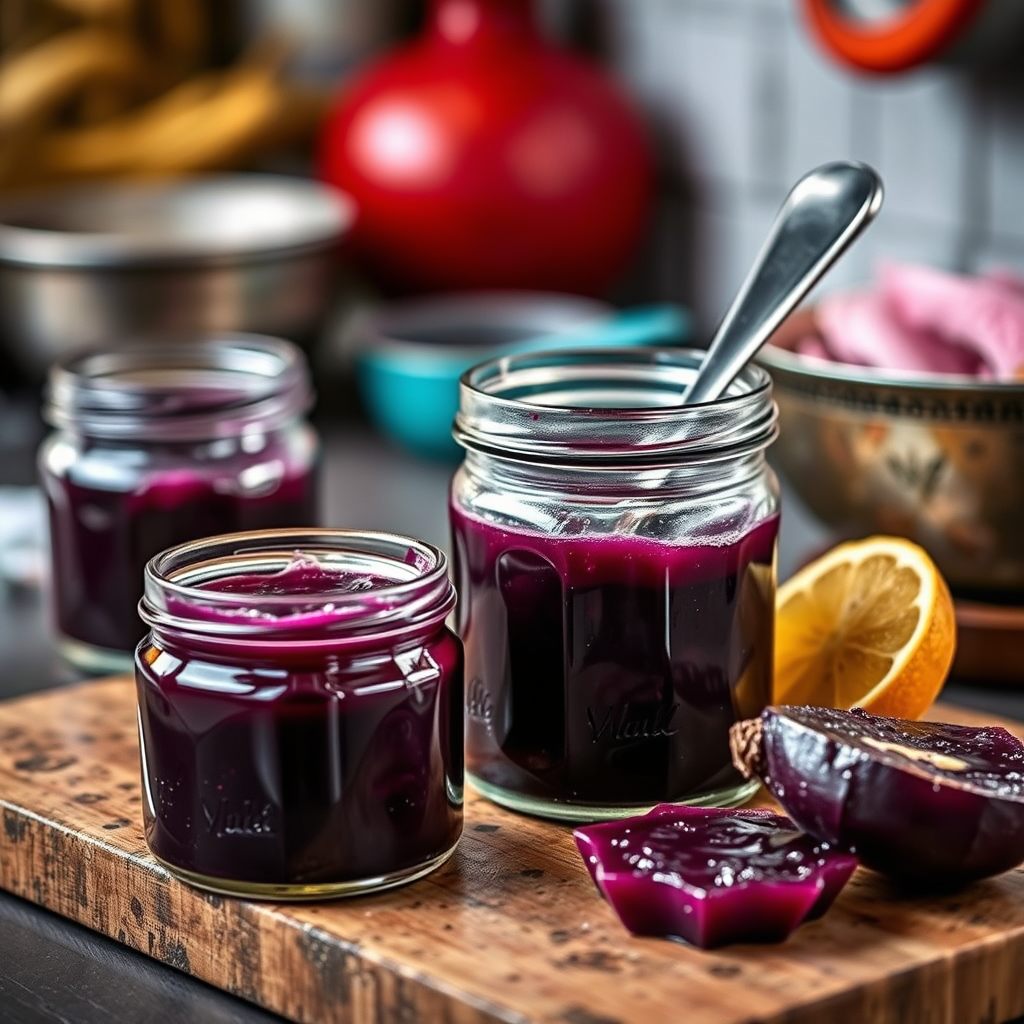
This guide is tailored for home cooks who possess basic culinary skills and have an interest in Filipino cuisine, particularly those eager to create authentic ube jam. Readers should have a foundational understanding of essential cooking techniques, including boiling, mashing, and simmering, as these skills are crucial for successfully executing the recipe.
This guide may not be suitable for individuals with dietary restrictions that exclude sugar or coconut products, nor for those seeking quick, no-cook alternatives.
The Step-by-Step Protocol
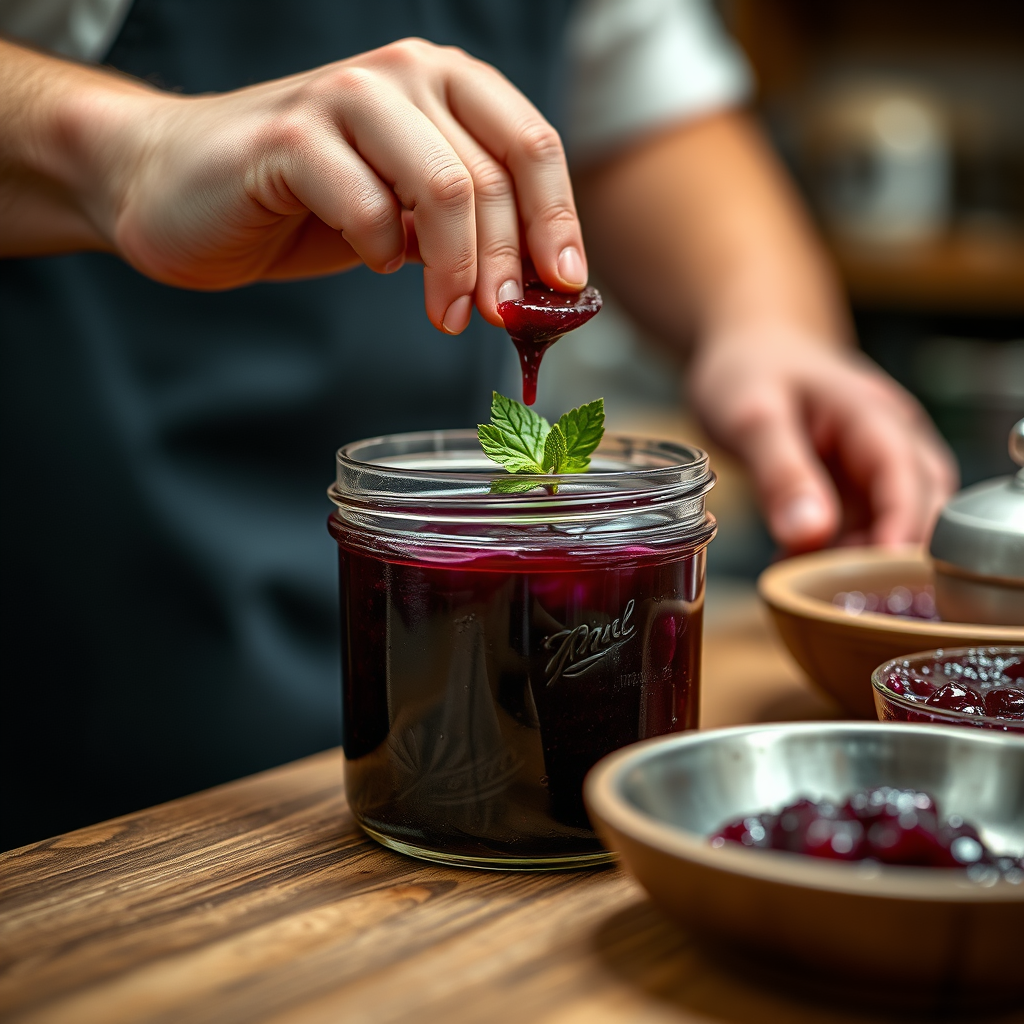
1. Gather Ingredients: Start by collecting 500 grams of fresh ube (purple yam), 1 cup of coconut milk, 1 cup of granulated sugar, and a pinch of salt. Ensure that your ube is firm and vibrant; these qualities will significantly impact the flavor and color of your jam.
2. Prepare the Ube: Peel the ube using a sharp knife to remove the skin. Chop the peeled ube into small cubes, approximately 1 inch in size. Place the cubed ube in a pot, cover it with water, and bring it to a boil. Once boiling, reduce the heat and simmer for 30-40 minutes, or until the ube is fork-tender. Drain the ube and allow it to cool slightly before proceeding to the next step.
3. Mash the Ube: In a mixing bowl, use a potato masher to mash the cooked ube until it reaches a smooth consistency. Aim for a texture similar to that of mashed potatoes, as this will help ensure even cooking in the subsequent steps.
4. Cook the Mixture: In a heavy-bottomed non-stick pan, combine the mashed ube, coconut milk, sugar, and salt. Place the pan over medium heat. Stir the mixture continuously for 20-25 minutes, allowing it to thicken and cook down. The final texture should be thick enough to pull away from the sides of the pan without sticking.
5. Cool and Store: Once the mixture reaches the desired consistency, remove it from the heat and allow it to cool to room temperature. Transfer the ube jam to sterilized jars or airtight containers. Store in the refrigerator for up to two weeks, or freeze for longer shelf life.
Warning Signs: When Not to Follow This
– Avoid making this ube jam recipe if you have allergies to any of the core ingredients, particularly coconut or sugar, which can lead to severe allergic reactions.
– Do not attempt this recipe if you lack the necessary kitchen equipment, such as a heavy-bottomed pan, as inadequate cookware may result in burning or uneven cooking, compromising the final product.
– If fresh ube is unavailable and you are considering using ube extract or powder, this guide is not suitable for you, as it focuses strictly on traditional preparation methods.
The Most Common Mistakes (And Their Consequences)
– Undercooking the Ube: One of the most frequent errors is not boiling the ube long enough. Undercooked ube can lead to a gritty texture in the final jam, making it unappealing and difficult to spread.
– Adding Sugar Too Early: A common mistake is adding sugar at the beginning of the cooking process. If sugar is added too early, it can cause the mixture to burn, resulting in an unpleasant flavor and texture that can ruin the entire batch.
– Inadequate Stirring: Failing to stir the jam continuously can lead to scorched bits forming at the bottom of the pan. These burnt bits can impart a bitter flavor to the entire mixture, drastically affecting the final taste of your ube jam.
Special Cases That Need a Different Approach
– Using Frozen or Pre-Packaged Ube: If you choose to use frozen or pre-packaged ube, you’ll need to adjust the cooking time. Typically, boiling time can be reduced to about 15-20 minutes to ensure the ube is fully defrosted and heated through.
– High-Altitude Cooking: For those living in high-altitude regions, keep in mind that the boiling point of water is lower. This may necessitate a longer boiling time for the ube to ensure it is cooked thoroughly.
– Creamier Texture Preference: If you prefer a creamier texture for your jam, consider adding an additional 1/2 cup of coconut milk during the cooking process. However, be prepared for an extended cooking time due to the increased liquid content; this may take an additional 5-10 minutes to achieve the desired thickness.
When You Need a Professional
– Consult a licensed dietitian if you have specific dietary needs or medical conditions that may be impacted by consuming high-sugar or high-fat foods like ube jam. They can offer tailored advice based on your individual health profile.
– If you are unfamiliar with proper kitchen safety practices, such as handling hot ingredients or preventing burns while cooking, seek guidance from a culinary professional before attempting this recipe. Proper training is crucial to avoid accidents in the kitchen.
– Should you experience any adverse reactions while preparing or consuming the jam, including allergic symptoms or digestive issues, it is advisable to seek medical advice immediately. Prompt attention to health concerns is essential.
Sources and Further Reading
For those interested in deepening their knowledge of Filipino cuisine and cooking techniques, “The Filipino Cookbook: 85 Homestyle Recipes to Delight Your Family and Friends” by Miki Garcia offers valuable insights, including traditional recipes featuring ube.
You may also explore the U.S. Department of Agriculture (USDA) guidelines on safe food handling and cooking techniques for a more comprehensive understanding of ingredient preparation.
Finally, for additional tips on ube and its nutritional benefits, the “Nutrition and Health Aspects of Ube” publication from the Philippine Council for Agriculture and Fisheries serves as a credible resource for further reading.
Frequently Asked Questions
What ingredients do I need for a traditional ube jam recipe?
To make traditional ube jam, you’ll need 1 kilogram of fresh or frozen ube (purple yam), 1 can of coconut milk, 1 cup of sugar, and a pinch of salt. Optionally, you can add butter or evaporated milk for a richer flavor, enhancing the creaminess of your ube jam.
How do I properly prepare ube for making jam?
Start by peeling the ube and cutting it into chunks before boiling it until tender, which usually takes about 30-40 minutes. Once cooked, drain and mash the ube until smooth, ensuring there are no lumps, as this will help achieve a creamy texture in your ube jam.
Why is my ube jam too watery, and how can I fix it?
If your ube jam turns out too watery, it may be due to excess coconut milk or not cooking it long enough to thicken. To fix this, return the jam to the heat and simmer it uncovered for a few minutes, stirring frequently until the desired consistency is achieved.
What is the best way to store homemade ube jam?
The best way to store homemade ube jam is in an airtight container in the refrigerator, where it can last for up to two weeks. For longer storage, consider freezing the jam in small portions, which can be kept for up to three months, making it easy to enjoy later.
Which recipes can I use ube jam in besides spreading on bread?
Ube jam is versatile and can be used in various recipes, including as a filling for pastries like ube pandesal, in cakes, or as a topping for ice cream and pancakes. You can also swirl it into yogurt or oatmeal for a delightful flavor boost.
References
- UBE
https://en.wikipedia.org/wiki/Ube - https://www.ncbi.nlm.nih.gov/pmc/articles/PMC7327329/
https://www.ncbi.nlm.nih.gov/pmc/articles/PMC7327329/ - https://journals.sagepub.com/doi/full/10.1177/21582440211039075
https://journals.sagepub.com/doi/full/10.1177/21582440211039075 - https://www.sciencedirect.com/topics/agricultural-and-biological-sciences/ube
https://www.sciencedirect.com/topics/agricultural-and-biological-sciences/ube - Ube | Purple Yam, Yam Desserts & Japanese City | Britannica
https://www.britannica.com/topic/ube - Google Search
https://www.google.com/search?q=ube+jam+recipe&hl=en - Google Scholar Google Scholar
https://scholar.google.com/scholar?q=ube+jam+recipe - Google Scholar Google Scholar
https://scholar.google.com/scholar?q=ube+dessert+recipes - https://www.cdc.gov/healthyweight/assessing/bmi/adult_bmi/english_bmi_calculator/bmi_calculator.html
https://www.cdc.gov/healthyweight/assessing/bmi/adult_bmi/english_bmi_calculator/bmi_calculator.html - https://pubmed.ncbi.nlm.nih.gov/29113488/
https://pubmed.ncbi.nlm.nih.gov/29113488/