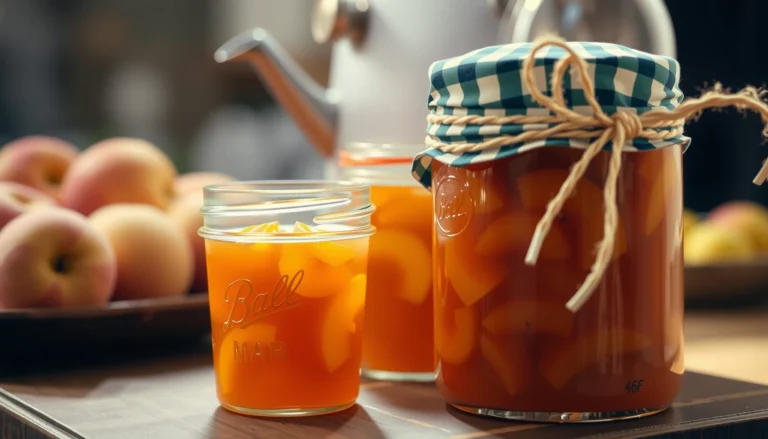
Master the art of making peach jam with this expert guide that details every step for safe and delicious results. This comprehensive resource covers essential techniques, from selecting the ripest peaches to proper canning methods, ensuring your homemade jam is both flavorful and safe to enjoy. Following these protocols is crucial not only for taste but also for preventing spoilage and ensuring food safety.
What This Guide Covers (And What It Doesn’t)
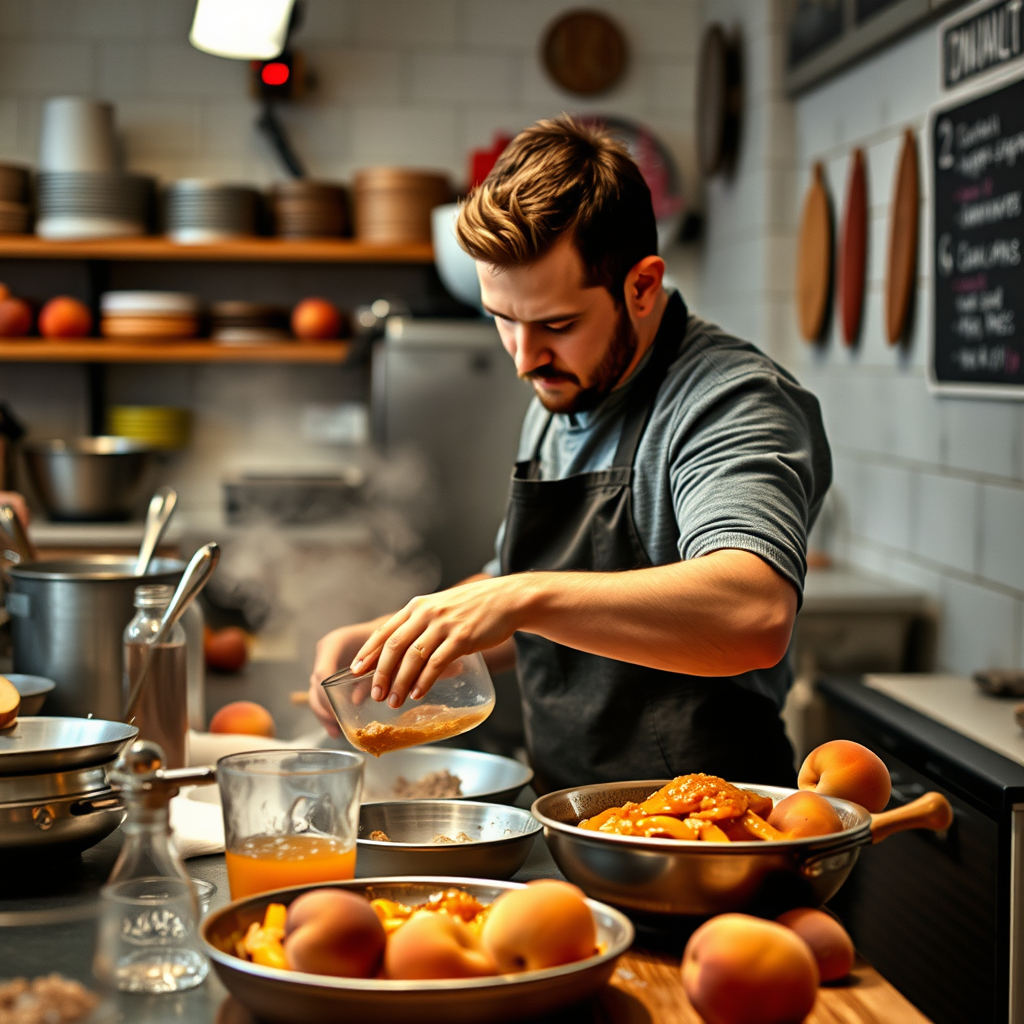
This guide offers a detailed, step-by-step approach to safely making peach jam, emphasizing precise measurements and techniques to ensure optimal flavor and proper preservation. You’ll find information on essential ingredients, necessary equipment, and crucial safety protocols related to canning and food preservation. While the focus is solely on peach jam, it delves into the science behind the process, explaining the roles of pectin, sugar, and acidity in achieving the ideal consistency and flavor balance.
Who Should Read This
This guide is tailored for home cooks with basic to intermediate cooking skills eager to master the art of jam-making, particularly those who have access to fresh peaches. It caters to individuals interested in preserving seasonal fruits while enhancing their culinary repertoire and ensuring food safety in their homemade products. Furthermore, it serves as a reliable resource for anyone seeking a tested peach jam recipe that minimizes spoilage risks and maximizes flavor, including those who have previously attempted canning but wish to refine their technique.
The Step-by-Step Protocol
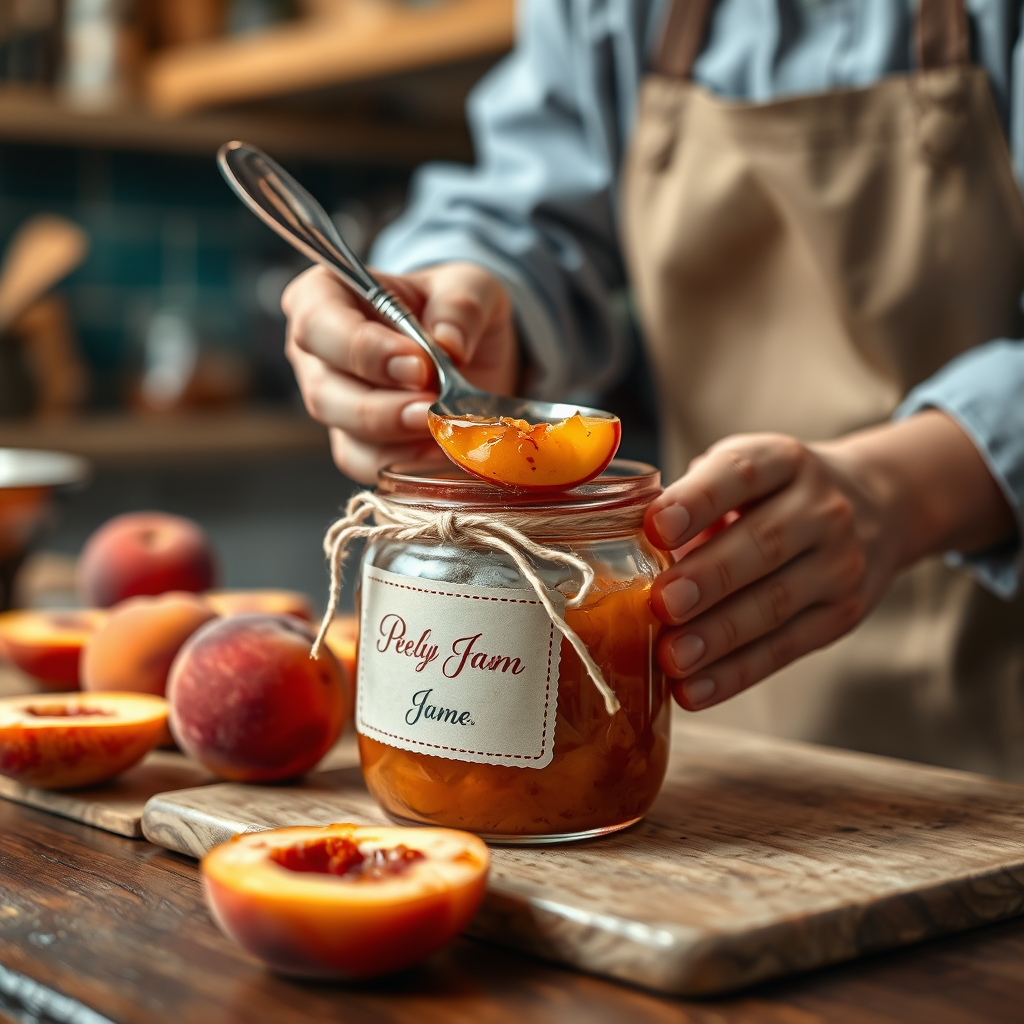
1. Select and Prepare Peaches: Gather 4 cups of ripe peaches, ensuring they are free from bruises or blemishes for the best flavor. Peel and dice the peaches, discarding any pits.
2. Measure Lemon Juice: Measure 1/4 cup of freshly squeezed lemon juice. This ingredient is crucial as it enhances acidity and balances sweetness in the jam, vital for proper preservation.
3. Combine Ingredients: In a large, heavy-bottomed pot, combine the diced peaches with 5 cups of granulated sugar. Let the mixture sit for 30 minutes. This resting period allows the fruit to release its natural juices, helping dissolve the sugar and create a syrup.
4. Add Pectin and Boil: After the fruit has rested, add 1 box (1.75 ounces) of fruit pectin (such as Sure-Jell) to the mixture. Stir well to ensure the pectin is evenly distributed. Bring the mixture to a rolling boil over medium-high heat, stirring constantly. Allow it to boil for 1-2 minutes until the mixture thickens noticeably.
5. Test Consistency: Test the jam’s consistency using the spoon test: dip a spoon into the jam and let it drip off. If it leaves a thick coating on the back of the spoon, it’s ready. Alternatively, perform the freezer test: place a spoonful of jam on a cold plate and freeze for a minute. Run your finger through the jam; if it holds its shape, it’s ready for canning.
6. Fill and Process Jars: Ladle the hot jam into sterilized jars, leaving 1/4 inch of headspace at the top. Wipe the rims of the jars with a clean cloth to ensure a proper seal. Place sterilized lids on the jars and screw on the metal bands until they are fingertip-tight. Process the jars in a boiling water bath for 10-15 minutes, adjusting the time based on your altitude (add 1 additional minute for every 1,000 feet above sea level).
Warning Signs: When Not to Follow This
– Avoid making peach jam if your peaches show signs of spoilage, such as soft spots or mold, as this can affect both flavor and safety.
– Do not attempt this recipe if you lack the necessary equipment, such as a large pot, canning jars, or a boiling water bath canner, as improper tools can lead to unsafe preservation.
– If you have allergies to any of the ingredients (peaches, sugar, or pectin), refrain from following this guide or consider substituting ingredients only after thorough research.
The Most Common Mistakes (And Their Consequences)
– Improper Jar Sterilization: Failing to properly sterilize jars before filling can lead to bacterial growth, resulting in spoilage and potential foodborne illness. Always sterilize jars in boiling water for at least 10 minutes prior to filling.
– Using Inappropriate Fruit Quality: Using under-ripe or overripe peaches can compromise the jam’s flavor and texture. Under-ripe peaches may not provide enough natural pectin, leading to a runny consistency, while overripe ones may introduce off-flavors, making the jam less palatable.
– Ignoring Boiling Time: Neglecting the recommended boiling time during the water bath process can result in jars that do not seal properly, increasing the risk of spoilage and contamination. Ensure that you adhere strictly to the processing time based on your altitude.
Special Cases That Need a Different Approach
– Low-Sugar Pectin: If you opt for low-sugar pectin, adjust the sugar content according to the specific instructions provided on the pectin packaging. This adjustment is crucial as it can significantly affect the jam’s consistency and preservation.
– Adding Flavorings: If you wish to incorporate additional flavorings, such as vanilla or spices (e.g., cinnamon or ginger), do so sparingly and test small batches first to avoid overpowering the peach flavor. Start with 1/2 teaspoon and adjust based on your taste preference.
– High Juice Content: If the peaches are particularly juicy, consider adjusting the amount of pectin to prevent the jam from being overly runny. You may need to increase the pectin by 1/2 to 1 full box, depending on the moisture content of your peaches.
When You Need a Professional
– If you are uncertain about your canning process or experience issues such as jars not sealing properly after multiple attempts, consult a food preservation expert or local extension office for guidance.
– In cases where you have health concerns or conditions affected by high sugar intake, seek advice from a registered dietitian before proceeding with the recipe. This is particularly important for those managing diabetes or other metabolic conditions.
– If you encounter any signs of spoilage, such as bulging lids or off odors after the jam has been made, discard the product immediately and consult a food safety professional for further advice.
Sources and Further Reading
– National Center for Home Food Preservation: Offers guidelines for canning and preserving fruits, including peach jam recipes and safety tips.
– USDA Complete Guide to Home Canning: A detailed resource that includes tested recipes and safety standards for home canning practices.
– Ball Home Canning Book: A reputable source for a variety of canning recipes and methods, including techniques specific to making fruit jams and jellies.
By following the steps and precautions outlined in this guide, you are well-equipped to create delicious and safe peach jam that captures the essence of summer peaches for enjoyment all year round. Embrace the joy of preserving your harvest, and treat yourself and others to the delightful taste of homemade peach jam.
Frequently Asked Questions
What ingredients do I need for a basic peach jam recipe?
To make a basic peach jam, you will need fresh ripe peaches, granulated sugar, lemon juice, and pectin. Start with about 2 pounds of peaches, 4 cups of sugar, 1/4 cup of lemon juice, and one packet of fruit pectin for best results in creating a delicious, sweet spread.
How do I properly prepare peaches for making jam?
To prepare peaches for your jam, wash them thoroughly, then peel and pit the fruit. You can either chop the peaches into small pieces or mash them with a potato masher, depending on your desired jam consistency. Ensuring the peaches are ripe will enhance the flavor of your peach jam.
Why is pectin important in a peach jam recipe?
Pectin is a natural thickening agent that helps your peach jam set properly, giving it the right texture and consistency. Without pectin, your jam may end up runny and not spreadable. Using the right amount of pectin is crucial to achieving that perfect jam quality.
What is the best method for canning peach jam to ensure it stays fresh?
The best method for canning peach jam is the water bath canning process, which involves filling sterilized jars with hot jam, sealing them with lids, and processing them in boiling water for about 10-15 minutes. This method helps kill any bacteria and creates a vacuum seal, ensuring your peach jam remains fresh for up to a year when stored in a cool, dark place.
Which types of peaches are best for making jam?
For the best peach jam, choose freestone peaches, as they are easier to pit and have a sweeter flavor. Varieties like Clingstone or Yellow peaches can also work, but freestone peaches tend to provide a smoother texture and richer taste in your jam. Always select ripe peaches to achieve optimal flavor and sweetness.
References
- Fruit preserves
https://en.wikipedia.org/wiki/Jam - https://www.uga.edu/
https://www.uga.edu/ - https://www.nal.usda.gov/legacy/fnic/peach-jam-recipe
https://www.nal.usda.gov/legacy/fnic/peach-jam-recipe - https://www.ncbi.nlm.nih.gov/pmc/articles/PMC4354516/
https://www.ncbi.nlm.nih.gov/pmc/articles/PMC4354516/ - https://www.ars.usda.gov/oc/br/2007/peach-jam/
https://www.ars.usda.gov/oc/br/2007/peach-jam/ - Google Scholar Google Scholar
https://scholar.google.com/scholar?q=peach+jam+recipe - Google Scholar Google Scholar
https://scholar.google.com/scholar?q=peach+jams+preservation - Google Scholar Google Scholar
https://scholar.google.com/scholar?q=peach+preserves+nutritional+value - https://www.extension.purdue.edu/extmedia/FS/FS-19-W.pdf
https://www.extension.purdue.edu/extmedia/FS/FS-19-W.pdf - Page not found
https://www.clemson.edu/extension/food_safety/food_preservation/jams_jellies.html