Making donuts at home is a rewarding and delicious endeavor that anyone can enjoy. This easy donut recipe will guide you through the steps to create fluffy, sweet treats right in your kitchen. You’ll learn about the ingredients, preparation methods, and how to customize your donuts to your taste.
Essential Ingredients for Perfect Donuts

The foundation of any great donut lies in its ingredients. To create a classic donut, you need a few essential components: flour, sugar, and yeast. These ingredients work together to create a light and fluffy texture that is characteristic of traditional donuts.
– Flour: All-purpose flour is typically used for its balance of protein content, which helps create structure in the donuts.
– Sugar: Granulated sugar adds sweetness and helps with the caramelization during frying or baking.
– Yeast: Active dry yeast is crucial for creating the rise in the dough, making the donuts light and airy.
In addition to these primary components, flavorings play an important role in elevating the taste of your donuts. Common flavorings include:
– Vanilla Extract: This staple adds a warm, sweet flavor that complements the dough beautifully.
– Nutmeg: A pinch of nutmeg can enhance the aroma and introduce a subtle spiciness that makes the donuts even more delightful.
Preparing the Dough

The preparation of the dough is a critical step that requires attention to detail, particularly in activating the yeast. Start by gently warming milk and adding a bit of sugar, which feeds the yeast and initiates the fermentation process.
1. Activating the Yeast: Combine 1 cup of warm milk (about 110°F or 43°C) with 2 tablespoons of sugar and 2 teaspoons of active dry yeast in a bowl. Let this mixture sit for about 5-10 minutes until it becomes frothy.
2. Mixing Ingredients: In a large mixing bowl, combine 4 cups of all-purpose flour, 1/2 teaspoon of salt, and any additional dry spices (such as nutmeg). Once the yeast mixture is ready, add it to the flour along with 2 eggs and 1/4 cup of melted butter. Mix until a smooth dough forms.
3. Kneading the Dough: Transfer the dough onto a floured surface and knead for about 5-7 minutes until it becomes elastic and smooth. Then, place it in a greased bowl, cover with a clean towel, and let it rise in a warm place until it doubles in size, typically 1-2 hours.
Shaping Your Donuts
Once the dough has risen, it’s time to shape your donuts. This is where you can get creative with sizes and styles.
1. Rolling Out the Dough: On a floured surface, roll out the dough to about 1/2 inch thick. This thickness is ideal for achieving a fluffy donut once cooked.
2. Cutting the Donuts: Use a donut cutter or two round cutters (one larger and one smaller) to cut out your donuts. Be sure to cut straight down without twisting to ensure an even rise.
3. Rising Again: Place the cut donuts on a floured baking sheet, cover them, and allow them to rise for an additional 30 minutes.
Top 7 Donut Styles and Their Popularity
| # | Donut Style | Popularity (%) | Calories |
|---|---|---|---|
| 1 | Glazed | 35% | 200 |
| 2 | Chocolate Frosted | 25% | 250 |
| 3 | Jelly-filled | 15% | 300 |
| 4 | Boston Cream | 10% | 270 |
| 5 | Maple Bar | 8% | 320 |
| 6 | Old-fashioned | 6% | 220 |
| 7 | Powdered Sugar | 1% | 180 |
Frying vs. Baking: Which is Better?
The method you choose for cooking your donuts can greatly affect their taste and texture.
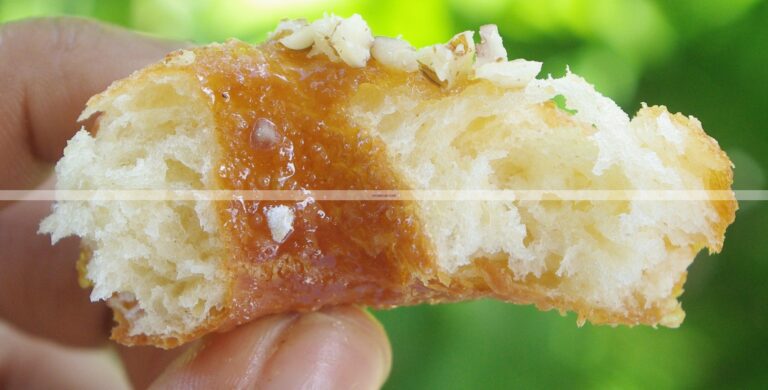
– Frying: This traditional method involves cooking the donuts in hot oil, resulting in a crispy exterior with a soft, fluffy interior. While frying provides the classic donut experience, it can be messy and requires careful temperature control to avoid burning. Moreover, fried donuts tend to absorb oil, which can make them higher in calories.
– Baking: Baking offers a healthier alternative that can still produce delicious results. Baked donuts are typically lighter and less greasy, making them a great option for those who want to indulge without the excess fat. While they may lack the crispy exterior of fried donuts, they can be just as enjoyable, especially when topped with flavorful glazes.
Ultimately, the choice between frying and baking comes down to personal preference and dietary considerations.
Toppings and Glazes
Toppings and glazes can elevate your donuts from simple to spectacular. Classic options include:
– Powdered Sugar: A light dusting that adds sweetness without overwhelming the flavor.
– Chocolate Glaze: A rich, decadent option that appeals to chocolate lovers.
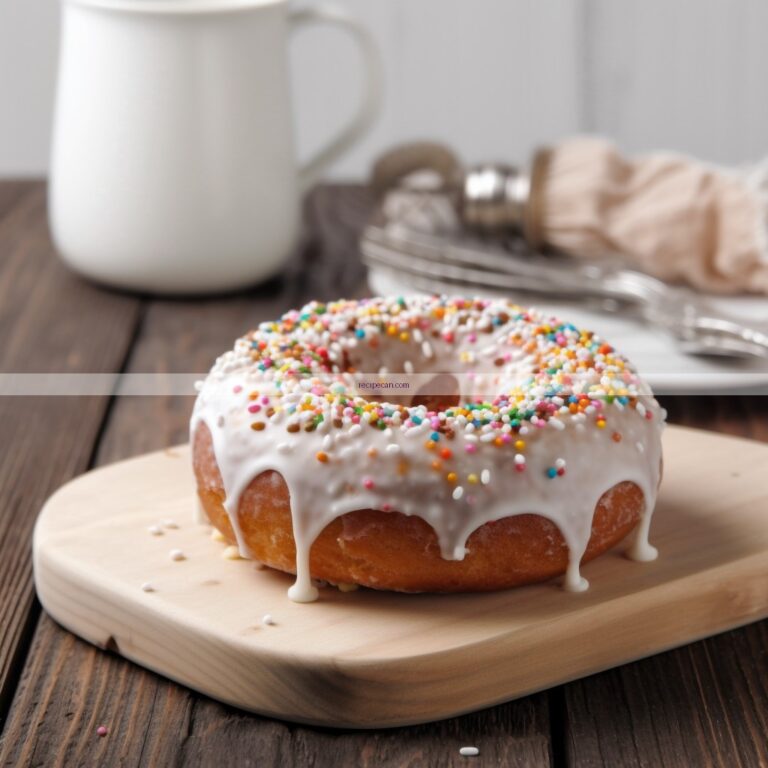
– Sprinkles: Colorful sprinkles can add a festive touch to any donut.
For those looking to experiment, consider these variations:
– Maple Glaze: Made with maple syrup, this glaze adds a unique sweetness.
– Cinnamon Sugar: Toss your donuts in a mixture of sugar and cinnamon for a comforting flavor.
– Fruit Glaze: Puree fruits like strawberries or raspberries for a fresh, fruity topping.
Storing and Serving Your Donuts
Donuts are best enjoyed fresh out of the fryer or oven, but if you need to store them, follow these tips:
– Storage: Place your donuts in an airtight container to keep them fresh for up to two days. If you want to extend their shelf life, consider freezing them. Wrap each donut individually in plastic wrap and place them in a freezer-safe bag. They can be stored for up to three months.
– Serving Suggestions: Donuts are delightful when served warm or at room temperature. Pair them with a cup of coffee or a glass of milk for a satisfying treat. Consider serving them with a side of fruit or whipped cream for an added touch of sweetness.
Troubleshooting Common Issues
While making donuts can be straightforward, some common issues may arise:
– Dense Donuts: If your donuts turn out dense, it could be due to inactive yeast. Always make sure your yeast is fresh and properly activated before mixing it into the dough.
– Over-frying: Monitor the color of your donuts as they fry. A golden-brown color indicates they are ready to be removed from the oil. Over-frying can lead to burnt donuts that lack flavor.
– Sticky Dough: If your dough is too sticky, add a little more flour during kneading. However, be cautious not to overdo it, as adding too much flour can lead to tough donuts.
Making your own donuts can be a fun and fulfilling activity that results in delicious, homemade treats. Whether you choose to fry or bake, experiment with flavors, and enjoy your creations with family and friends. Try this recipe today, and treat yourself to the joy of fresh donuts!
Frequently Asked Questions
What are the essential ingredients for a basic donut recipe?
A basic donut recipe typically requires all-purpose flour, sugar, baking powder, salt, milk, eggs, and butter. These ingredients come together to create a soft, fluffy texture that’s characteristic of homemade donuts. For a richer flavor, consider adding vanilla extract or nutmeg to the mix.
How do I properly fry donuts at home without them becoming greasy?
To fry donuts at home without them getting greasy, ensure your oil is heated to 350°F (175°C) before adding the donuts. Fry them in small batches to maintain the oil temperature, and avoid overcrowding the pan. Drain the fried donuts on paper towels immediately after cooking to absorb any excess oil.
Why do my homemade donuts come out dense instead of light and fluffy?
Dense homemade donuts often result from overmixing the batter or not using enough leavening agents like baking powder. It’s essential to mix the ingredients just until combined and allow the dough to rest for a few minutes before frying or baking. Additionally, make sure your ingredients are fresh and at room temperature for the best results.
What is the best way to glaze homemade donuts?
The best way to glaze homemade donuts is to prepare a simple glaze using powdered sugar and milk or water, mixing until smooth. Dip the warm donuts into the glaze for an even coating, allowing any excess glaze to drip off. For added flavor, consider incorporating vanilla or chocolate into the glaze for a delicious finish.
Which type of donut is easier to make: yeast or cake donuts?
Cake donuts are generally easier to make than yeast donuts because they don’t require proofing time or yeast activation. This means you can mix the batter, shape the donuts, and fry them all in one go. Yeast donuts, while delicious, require more time and technique to achieve that light and airy texture.
References
- Doughnut
https://en.wikipedia.org/wiki/Donut - Doughnut | Definition, History, Types, & Origins | Britannica
https://www.britannica.com/topic/doughnut - https://www.ncbi.nlm.nih.gov/pmc/articles/PMC7151888/
https://www.ncbi.nlm.nih.gov/pmc/articles/PMC7151888/ - Google Scholar Google Scholar
https://scholar.google.com/scholar?q=recipe+donut - Google Scholar Google Scholar
https://scholar.google.com/scholar?q=doughnut+recipe - https://www.sciencedirect.com/topics/food-science/doughnut
https://www.sciencedirect.com/topics/food-science/doughnut - https://www.cdc.gov/nutrition/index.html
https://www.cdc.gov/nutrition/index.html - https://www.nytimes.com/2020/06/22/dining/doughnut-recipes.html
https://www.nytimes.com/2020/06/22/dining/doughnut-recipes.html - Doughnuts recipes – BBC Food
https://www.bbc.com/food/doughnuts - https://www.nature.com/articles/s41598-021-87667-4
https://www.nature.com/articles/s41598-021-87667-4