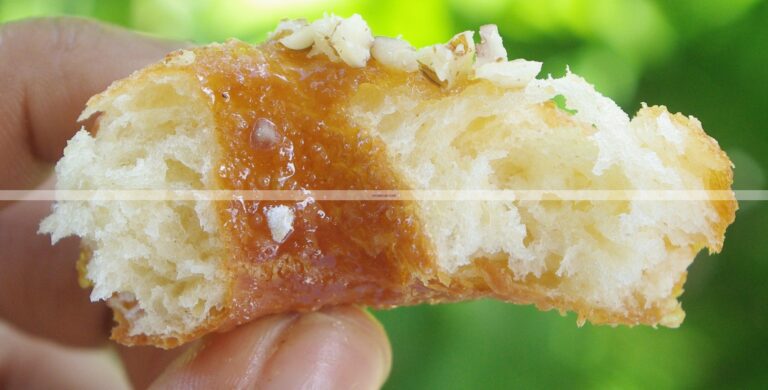
Creating a prismatic donut garden is a delightful fusion of baking and gardening, enabling you to cultivate vibrant edible plants that enhance your culinary creations. This innovative approach not only beautifies your outdoor space but also provides fresh ingredients for unique donut recipes. In this article, you’ll discover how to design and maintain a colorful garden filled with edible flowers and herbs that will elevate both your gardening experience and your baking skills.
Choosing the Right Plants

When selecting plants for your prismatic donut garden, focus on those that offer both beauty and edibility.
– Colorful Edible Flowers: Incorporate vibrant flowers such as pansies, nasturtiums, and calendula. These flowers not only add a pop of color but also have unique flavors that can complement your donuts. For instance, nasturtiums have a peppery taste that can enhance the flavor profile of sweet treats.
– Flavorful Herbs: Grow a variety of herbs like basil, mint, and lavender. Basil can infuse your donuts with a sweet and aromatic flavor, while mint adds a refreshing note. Lavender can be used for its floral hints, perfect for unique glazes. These herbs can be used fresh or dried in your recipes, providing versatility and freshness.
By selecting these plants, you create a garden that is not only visually appealing but also functional for your baking endeavors.
Designing Your Garden Layout
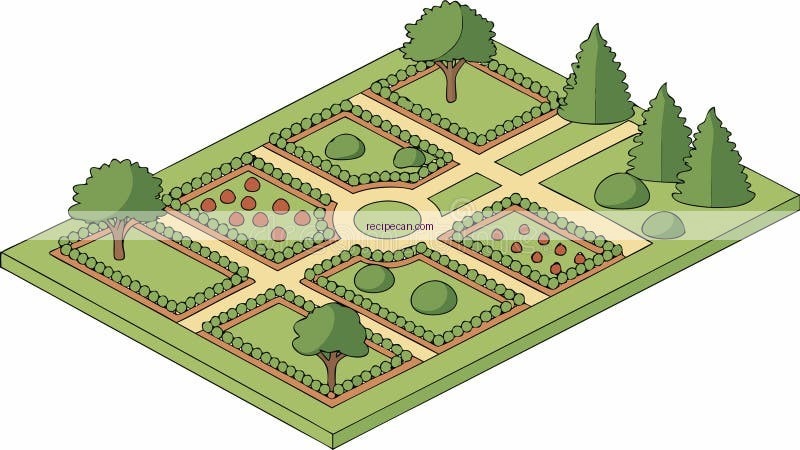
The layout of your garden is crucial for both aesthetics and practicality.
– Circular Beds: To mimic the shape of donuts, create circular garden beds. This design allows for easy access while also providing an eye-catching visual. You can use stones or wooden borders to outline these circular beds.
– Varying Heights: Plan your garden with an assortment of plant heights. Taller plants, such as sunflowers or hollyhocks, can be placed at the back or center, while shorter herbs and flowers can be positioned at the front. This tiered approach creates depth and a prismatic effect that draws the eye.
By thoughtfully designing your garden layout, you will enhance its beauty and functionality, making it a perfect addition to your outdoor space.
Soil Preparation and Planting
Proper soil preparation is essential for the success of your prismatic donut garden.
– Nutrient-Rich Soil: Use a well-draining, nutrient-rich soil blend to promote healthy growth. A mixture of compost, peat moss, and perlite is ideal. This combination will ensure that your plants receive the necessary nutrients and moisture retention they need to thrive.
– Planting Schedule: Timing is everything in gardening. Plan your planting schedule according to the growing seasons of your chosen plants. For instance, many herbs can be sown in early spring, while flowers may be best planted after the last frost. Stagger your planting to ensure continuous blooms, providing a steady supply of fresh ingredients for your baking.
Top 7 Edible Plants for Your Prismatic Donut Garden
| # | Plant | Flavor Profile | Color | Best For |
|---|---|---|---|---|
| 1 | Nasturtium | Peppery | Orange, Yellow | Garnish |
| 2 | Basil | Sweet | Green | Flavoring |
| 3 | Mint | Refreshing | Green | Garnish |
| 4 | Lavender | Floral | Purple | Flavoring |
| 5 | Pansy | Sweet | Multi-colored | Garnish |
| 6 | Calendula | Slightly Bitter | Orange, Yellow | Garnish |
| 7 | Chives | Onion-like | Green | Flavoring |
Caring for Your Garden
Once your garden is planted, care is essential to ensure healthy growth and vibrant blooms.
– Watering Schedule: Establish a regular watering schedule, aiming to keep the soil consistently moist but not waterlogged. During particularly dry spells, increase the frequency of watering to prevent stress on your plants.
– Organic Pest Control: Protect your plants using organic methods such as neem oil or insecticidal soap. These solutions are effective against common pests while being safe for edible plants. Regularly inspect your garden for signs of infestations and take action promptly.
By maintaining a consistent care routine, you can enjoy a flourishing garden that yields beautiful and flavorful ingredients.
Harvesting and Using Your Produce
Knowing when and how to harvest your edible plants is crucial for maximizing flavor and color.
– Harvesting Timing: Different plants have specific optimal harvesting times. For example, basil is best harvested just before flowering for maximum flavor, while edible flowers like pansies can be picked once they are fully opened. Regular harvesting encourages plants to produce more blooms.
– Incorporating into Recipes: Use your garden’s bounty to create unique prismatic donuts. Incorporate fresh herbs into your batter or use edible flowers as decoration. A lavender-infused glaze, for instance, can transform a simple donut into an aromatic treat.
Baking Your Prismatic Donuts
Creating prismatic donuts is the ultimate way to showcase your garden’s produce.
– Basic Donut Recipe: Start with a simple donut recipe. Use high-quality ingredients and consider adding complementary flavors from your garden. For example, a lemon basil donut pairs beautifully with a basil-infused glaze.
– Glazing Options: Experiment with colorful glazing options to enhance the visual appeal. Consider using natural food colorings from fruits or flowers to create vibrant icings. Edible glitter can also add an eye-catching sparkle to your creations.
Prismatic Donut Flavor Combinations
By implementing these ideas, your prismatic donuts will not only taste amazing but also look stunning, making them perfect for any occasion.
In summary, creating a prismatic donut garden is a fulfilling project that merges the joys of gardening and baking. By choosing the right plants, designing a thoughtful layout, providing proper care, and harvesting effectively, you can grow your own edible landscape that enhances your culinary creations. Start your garden today and experience the pleasure of combining fresh ingredients with your baking passion. Your prismatic donuts will be a feast for the eyes and the palate!
Frequently Asked Questions
What are the essential ingredients for a prismatic donut recipe?
A prismatic donut recipe typically requires all-purpose flour, sugar, baking powder, milk, eggs, and vanilla extract. To achieve the vibrant colors, you’ll also need food coloring. These ingredients create a fluffy donut base that can be decorated with colorful icing for a visually appealing treat.
How can I grow a garden to source fresh ingredients for my prismatic donuts?
To grow a garden for fresh ingredients, start by selecting a sunny spot and preparing the soil. Plant herbs like mint or basil, along with fruits such as strawberries, which can be used to flavor your prismatic donuts. Regular watering and using organic fertilizers will help ensure a bountiful harvest.
Why is using fresh ingredients important for making prismatic donuts?
Using fresh ingredients in your prismatic donuts enhances the flavor and overall quality of the baked goods. Fresh herbs and fruits can add unique taste profiles and vibrant colors, elevating both the aesthetic and the taste. This approach also promotes healthier eating habits by incorporating garden-grown produce.
What are the best toppings for decorating prismatic donuts?
The best toppings for prismatic donuts include colorful sprinkles, edible glitter, and various flavored glazes. You can also use fresh fruits from your garden, like berries or citrus slices, to add a pop of color and flavor. Combining these toppings will create a visually stunning and delicious treat.
Which gardening tips can help beginners successfully grow ingredients for prismatic donuts?
Beginners should start with easy-to-grow plants such as herbs and strawberries, ensuring they have well-drained soil and adequate sunlight. Regularly check for pests and diseases, and consider companion planting to promote a healthy garden environment. Utilizing raised beds or containers can also make gardening more manageable for newcomers.
References
- Doughnut
https://en.wikipedia.org/wiki/Donut - Google Scholar Google Scholar
https://scholar.google.com/scholar?q=prismatic+donut+recipe - https://www.bbc.com/food/recipes/doughnut_16793
https://www.bbc.com/food/recipes/doughnut_16793 - Google Scholar Google Scholar
https://scholar.google.com/scholar?q=growing+a+garden - https://www.ars.usda.gov/oc/br/2009/july/gardening-tips/
https://www.ars.usda.gov/oc/br/2009/july/gardening-tips/ - https://www.nature.com/articles/s41598-020-69560-2
https://www.nature.com/articles/s41598-020-69560-2 - https://pubmed.ncbi.nlm.nih.gov/30285523/
https://pubmed.ncbi.nlm.nih.gov/30285523/ - https://www.cdc.gov/healthyplaces/healthtopics/foodaccess/gardening.htm
https://www.cdc.gov/healthyplaces/healthtopics/foodaccess/gardening.htm - https://www.mayoclinic.org/healthy-lifestyle/nutrition-and-healthy-eating/in-depth/gardening/art-20044500
https://www.mayoclinic.org/healthy-lifestyle/nutrition-and-healthy-eating/in-depth/gardening/art-20044500 - Google Scholar Google Scholar
https://scholar.google.com/scholar?q=prismatic+donut+recipe+grow+a+garden