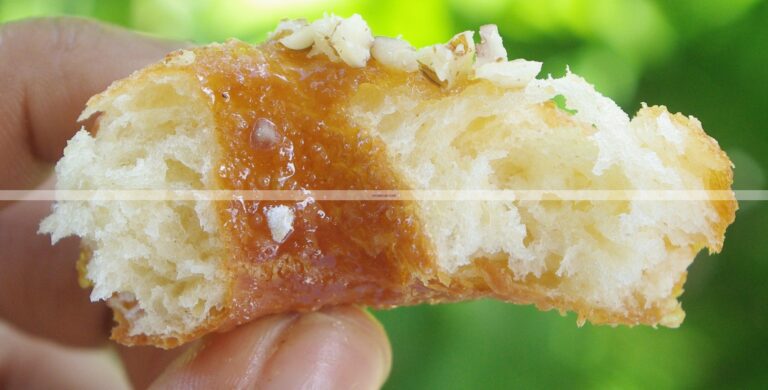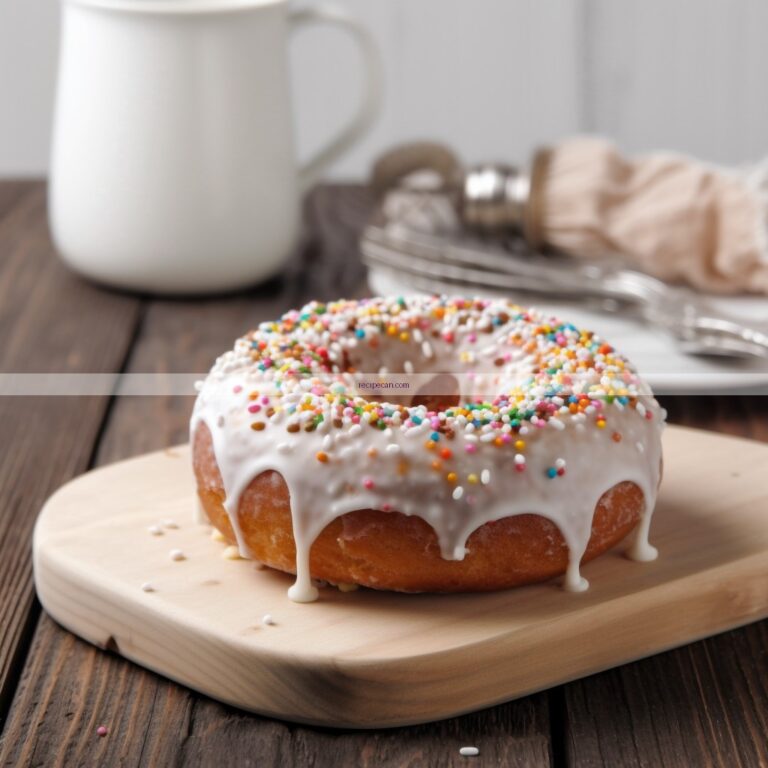
Making jelly donuts at home is simpler than you might think, and with this easy recipe, you can enjoy warm, fluffy treats filled with your favorite jelly. In just a few steps, you’ll learn how to create perfectly golden donuts that are sure to impress your family and friends. Homemade jelly donuts not only allow you to customize the filling to your taste but also provide a delightful baking experience that can be shared with loved ones.
Ingredients You’ll Need

To create the perfect jelly donuts, you’ll need the following ingredients:
– All-purpose flour: This is the primary ingredient that provides the structure for your donuts. It’s essential for achieving the right texture.
– Active dry yeast: A crucial ingredient for leavening, active dry yeast allows your donuts to rise and become light and fluffy.
– Sugar: Not only does sugar add sweetness, but it also helps to activate the yeast during the dough preparation.
– Salt: A pinch of salt will enhance the overall flavor of your donuts.
– Milk: Warm milk helps to activate the yeast and provides moisture to the dough.
– Eggs: Eggs contribute richness and stability to the dough.
– Butter: Melted butter adds flavor and tenderness to the donuts.
– Jelly filling: Choose your favorite flavor, such as raspberry, strawberry, or even a unique option like blueberry or apricot.
Preparing the Dough

Creating the dough for your jelly donuts is a straightforward process.
– Mix the dry ingredients: In a large mixing bowl, combine the all-purpose flour, sugar, salt, and active dry yeast. Ensure the yeast is mixed thoroughly with the flour to evenly distribute it.
– Add wet ingredients: Make a well in the center of the dry ingredients and add in the warm milk, eggs, and melted butter. Mix until the ingredients start to come together, forming a shaggy dough.
– Knead the dough: Transfer the dough to a lightly floured surface and knead it with your hands for about 5-10 minutes. You’re aiming for a smooth and elastic dough. The dough should spring back when poked and shouldn’t stick to your hands.
Letting the Dough Rise
The rising process is essential for developing the texture of your donuts.
– First rise: Place the kneaded dough in a lightly greased bowl and cover it with a damp cloth or plastic wrap. Let it rise in a warm, draft-free area for about 1 hour, or until it has doubled in size. This step is critical, as it allows the yeast to ferment and produce carbon dioxide, which makes the dough rise.
– Punch down: After the dough has risen, gently deflate it by pressing down on it with your fists. This action removes excess air, which helps in achieving a denser donut.
Shaping the Donuts
Once your dough has risen, it’s time to shape your donuts.
– Forming the donuts: Roll out the dough on a floured surface to about ½ inch thick. Use a donut cutter or a glass to cut out circular shapes. You should aim for uniform sizes to ensure even cooking.
– Proofing the donuts: Place the cut donuts on a parchment-lined baking sheet. Allow them to rest for another 30 minutes. This second rise helps the donuts become light and fluffy.
Frying the Donuts
Frying is the final step that gives your donuts their delicious golden exterior.
– Heat the oil: In a deep pot or fryer, heat oil to 350°F (175°C). It’s crucial to maintain the temperature during frying, as too low of a temperature can result in greasy donuts.
– Frying method: Carefully place the donuts into the hot oil, a few at a time, ensuring not to overcrowd the pot. Fry each donut for about 1-2 minutes per side, or until golden brown. Use a slotted spoon to turn them, and ensure even cooking.
Filling the Donuts
After frying, it’s time to add the jelly filling.
– Cool slightly: Once fried, transfer the donuts to a plate lined with paper towels to absorb excess oil. Allow them to cool for a few minutes before filling.
– Inject jelly: Using a piping bag fitted with a round tip or a syringe, gently inject your chosen jelly flavor into the center of each donut. Be generous but cautious not to overfill, which can cause the donuts to burst.
Serving Suggestions
Your homemade jelly donuts are now ready to be enjoyed!
– Topping options: For an extra touch of sweetness, dust the donuts with powdered sugar or dip them in a simple glaze made from powdered sugar and milk.
– Enjoy fresh: Serve your jelly donuts warm for the best taste experience. They make for a delightful breakfast treat or a sweet dessert option that pairs well with coffee or tea.
Popular Jelly Flavors for Donuts (2024)
| # | Flavor | Popularity (%) | Customer Rating (out of 5) |
|---|---|---|---|
| 1 | Raspberry | 45% | 4.8 |
| 2 | Strawberry | 35% | 4.5 |
| 3 | Apricot | 10% | 4.2 |
| 4 | Blueberry | 8% | 4.1 |
| 5 | Peach | 2% | 3.8 |
| 6 | Cherry | 5% | 3.5 |
Popularity of Jelly Flavors for Donuts (2024)
Homemade jelly donuts are a delightful treat that brings both joy and satisfaction. With this easy-to-follow recipe, you can transform simple ingredients into delicious, fluffy donuts that can be enjoyed fresh from the fryer. Whether you’re making them for a special occasion or simply to enjoy a sweet treat at home, these jelly donuts will surely become a favorite. Gather your ingredients, follow the steps, and indulge in your homemade delights today!
Frequently Asked Questions
What are the key ingredients in a jelly donut recipe?
The key ingredients in a classic jelly donut recipe include all-purpose flour, sugar, yeast, milk, eggs, butter, and your choice of fruit jelly for filling. These ingredients create a rich, soft dough that is perfect for frying and will yield deliciously sweet and fluffy donuts.
How do I ensure my jelly donuts are light and fluffy?
To achieve light and fluffy jelly donuts, it’s essential to properly activate your yeast by using warm milk, not hot, which can kill the yeast. Additionally, allow the dough to rise in a warm environment until it doubles in size, and avoid over-kneading, which can make the donuts dense.
Why do my jelly donuts absorb too much oil when frying?
If your jelly donuts absorb too much oil while frying, it may be due to the oil temperature being too low. Make sure to heat the oil to around 350°F (175°C) before frying, as this helps create a crisp outer layer that prevents excessive oil absorption.
What is the best jelly to use for filling my donuts?
The best jelly for filling jelly donuts is typically a fruit preserve or jelly that has a smooth texture and a strong flavor, such as raspberry, strawberry, or grape. These flavors complement the sweetness of the donut while adding a delightful fruity burst in every bite.
Which techniques can I use to prevent my jelly donuts from leaking filling?
To prevent your jelly donuts from leaking filling, ensure you fill them with jelly only after they have cooled completely, as hot donuts can cause the filling to become runny. Additionally, use a piping bag with a small tip to insert the jelly into the center without creating large holes, sealing them tightly after filling.
References
- Jelly doughnut
https://en.wikipedia.org/wiki/Jelly_doughnut - https://www.bbc.co.uk/food/recipes/jelly_doughnuts_14601
https://www.bbc.co.uk/food/recipes/jelly_doughnuts_14601 - Lemon Curd Recipe
https://www.nytimes.com/recipes/1019737/jelly-doughnuts.html - https://www.sciencedirect.com/topics/food-science/doughnut
https://www.sciencedirect.com/topics/food-science/doughnut - Doughnut | Definition, History, Types, & Origins | Britannica
https://www.britannica.com/topic/doughnut - Google Scholar Google Scholar
https://scholar.google.com/scholar?q=jelly+donut+recipe - Google Scholar Google Scholar
https://scholar.google.com/scholar?q=jelly+doughnut+history - Google Scholar Google Scholar
https://scholar.google.com/scholar?q=traditional+jelly+donut+recipe - https://www.nal.usda.gov/fnic/food-safety-and-research/jelly-doughnut-safety
https://www.nal.usda.gov/fnic/food-safety-and-research/jelly-doughnut-safety - jelly donut recipe – Search results
https://en.wikipedia.org/wiki/Special:Search?search=jelly+donut+recipe