Cream of tartar is a versatile ingredient that can enhance your cooking and baking significantly. This powerful white powder, often overlooked in the kitchen, plays a crucial role as a stabilizer and thickening agent. In this article, you’ll discover simple recipes that utilize cream of tartar, along with tips on how to incorporate it effectively in your culinary creations.
What is Cream of Tartar?
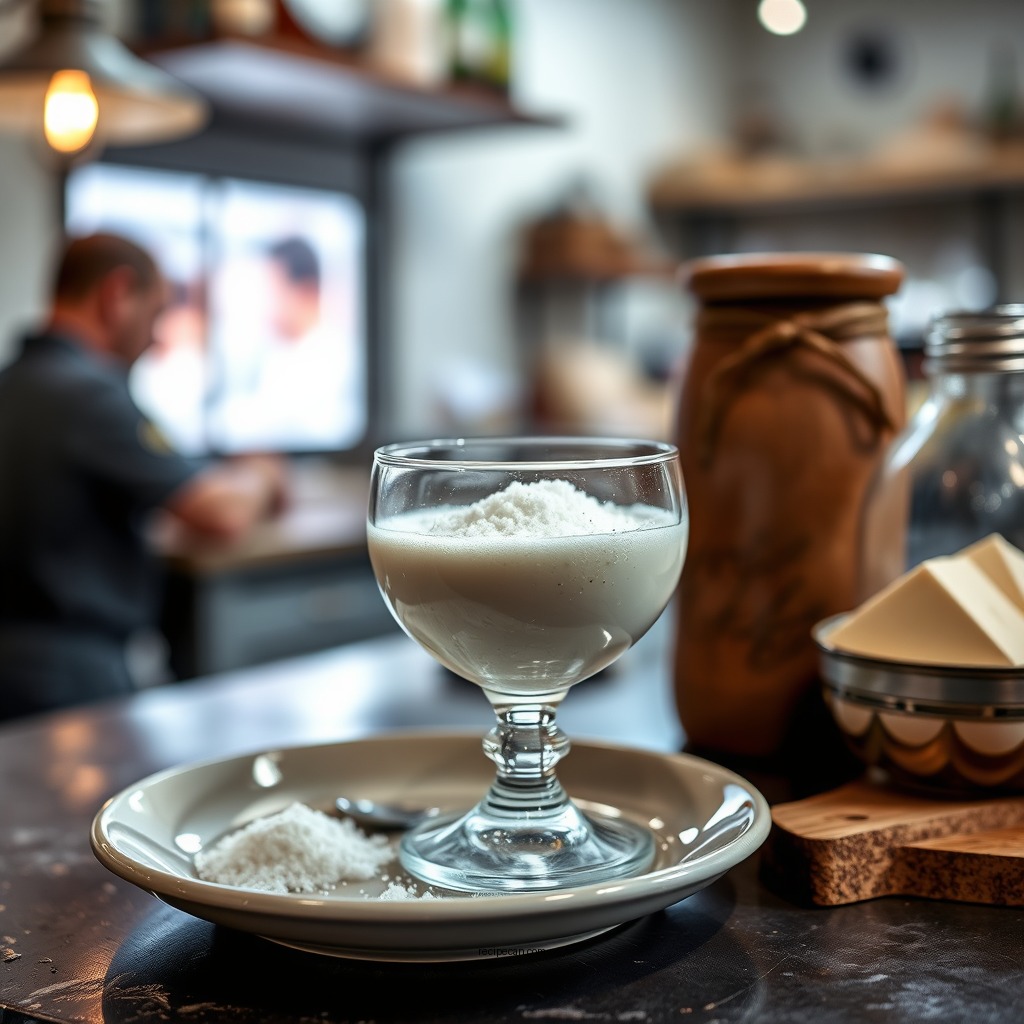
Cream of tartar, or potassium bitartrate, is a byproduct of winemaking, specifically the sediment left in wine barrels after fermentation. This natural substance is widely recognized for its role in culinary applications, particularly in baking. It acts as a stabilizer for egg whites, ensuring that they maintain their structure when whipped, which is essential for recipes like meringues and soufflés. Additionally, cream of tartar helps prevent sugar crystallization, making it a valuable ingredient in candy-making and frostings. Its ability to stabilize mixtures and enhance textures makes it a must-have in any well-equipped kitchen.
Basic Cream of Tartar Recipe
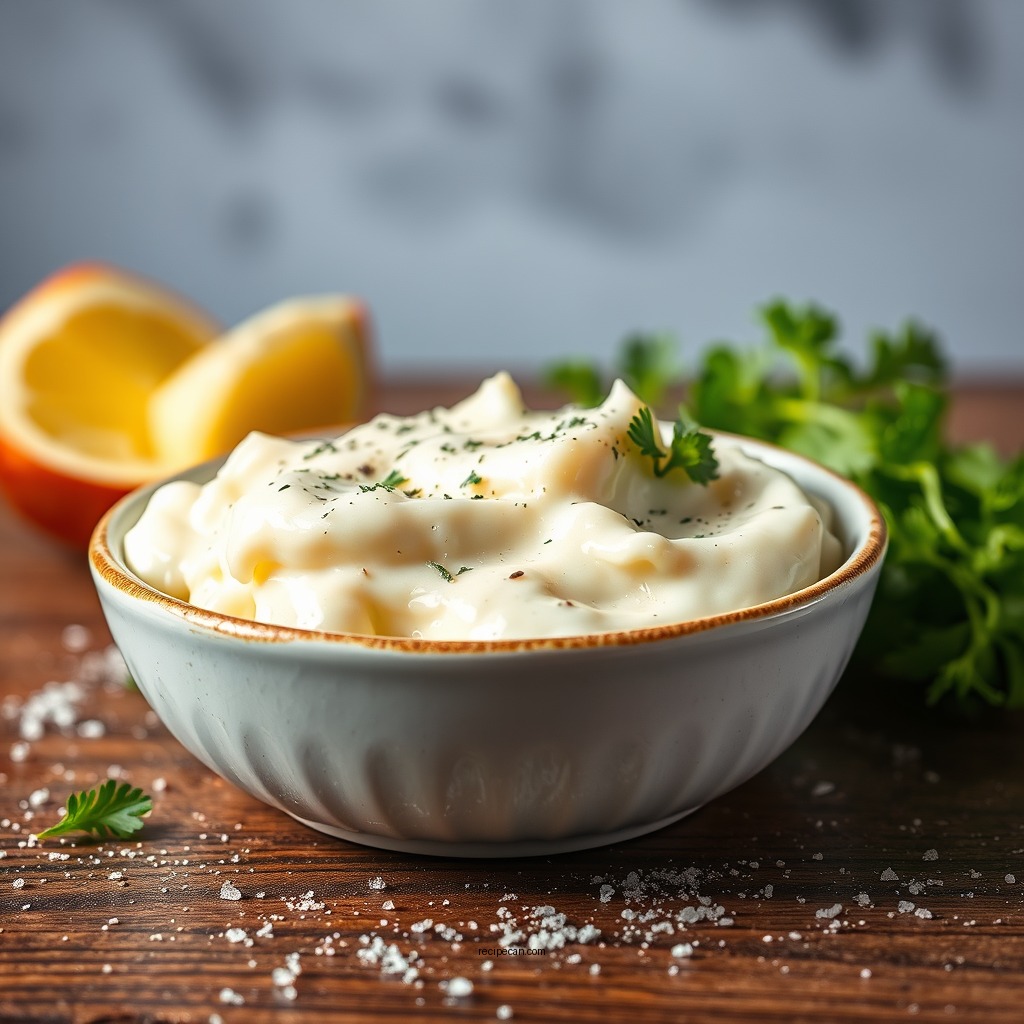
Creating delicious treats with cream of tartar is remarkably simple. One of the most straightforward applications is to make homemade frosting. Combine 1 teaspoon of cream of tartar with 1 cup of powdered sugar to achieve a smooth, stable frosting that’s perfect for cakes and cupcakes.
For those who enjoy whipped cream, adding cream of tartar can significantly improve its quality. By including just 1/4 teaspoon of cream of tartar per cup of heavy cream, you can stabilize the whipped cream, allowing it to hold its shape longer – an essential technique for topping desserts or creating layered cakes.
Baking with Cream of Tartar
In the realm of baking, cream of tartar is indispensable. It can be combined with baking soda to create a homemade baking powder substitute. The general rule of thumb is to mix 1/2 teaspoon of cream of tartar with 1/4 teaspoon of baking soda. This mixture will help baked goods rise beautifully, providing a light and fluffy texture that is particularly desirable in cakes and cookies.
Moreover, cream of tartar enhances the overall texture of baked items. It strengthens the protein structure in doughs, contributing to the ideal rise and crumb structure. For cakes, it ensures a moist texture; for cookies, it promotes a chewy bite.
📋 DATA
Top 7 Uses of Cream of Tartar in Cooking & Baking
| # | Application | Usage Amount | Key Benefit |
|---|---|---|---|
| 1 | Homemade Frosting | 1 tsp | Stabilizes texture |
| 2 | Stabilized Whipped Cream | 1/4 tsp | Holds shape longer |
| 3 | Baking Powder Substitute | 1/2 tsp + 1/4 tsp baking soda | Leavening agent |
| 4 | Meringues | 1/8 tsp per egg white | Increases volume |
| 5 | Cookies | 1/2 tsp | Enhances chewiness |
| 6 | Sauces | 1/2 tsp | Adds tanginess |
| 7 | Soups | 1/4 tsp | Maintains color |
Cream of Tartar in Cooking
Beyond baking, cream of tartar can be a secret weapon in your cooking arsenal. When added to sauces and soups, it introduces a subtle tanginess that can enhance the overall flavor profile of your dish. For instance, adding a pinch to tomato sauce can brighten the flavors and reduce acidity.
Moreover, cream of tartar serves a practical purpose in cooking vegetables. When boiling, adding a small amount can help maintain their vibrant color, particularly for green vegetables like broccoli and spinach. This not only makes your dishes more visually appealing but also preserves their nutritional value.
📈 CHART
Common Uses of Cream of Tartar (%)
Homemade Cleaning Solutions
Cream of tartar is not only a culinary component but also an effective cleaning agent. When mixed with vinegar or lemon juice, it forms a natural cleaning paste that can tackle tough stains on various surfaces. This combination is particularly useful for removing tarnish from stainless steel and polishing surfaces to restore their shine.
To create this cleaning paste, simply mix equal parts cream of tartar and vinegar until you achieve a paste-like consistency. Apply it to the stained area, let it sit for a few minutes, and then scrub gently before rinsing. This method is eco-friendly and avoids the harsh chemicals found in many commercial cleaning products.
Tips for Storing Cream of Tartar
To maintain the effectiveness of cream of tartar, proper storage is essential. Store it in an airtight container in a cool, dry place, away from moisture and heat sources. This will help preserve its potency and ensure it remains effective for your baking and cooking needs.
It’s also advisable to check for freshness before use. Cream of tartar can lose its effectiveness over time, particularly if it has been exposed to moisture. A simple way to test its potency is to mix a small amount with water; if it fizzes, it is still good to use.
Creative Uses Beyond Cooking
Beyond its culinary applications, cream of tartar can serve various purposes in DIY crafts and skincare. For instance, it can be used to make homemade playdough or slime, providing a fun activity for children. The inclusion of cream of tartar gives these crafts a smooth texture and helps them hold their shape better.
In skincare, cream of tartar can be incorporated into homemade face masks or scrubs. Its natural properties can help exfoliate the skin and enhance its appearance. A simple recipe could include mixing cream of tartar with honey and a splash of lemon juice for a revitalizing mask.
In conclusion, cream of tartar is a multifaceted ingredient that can significantly enhance your cooking, baking, and even cleaning endeavors. From stabilizing whipped cream to serving as a cleaning agent, its versatility is unmatched. By incorporating these recipes and tips into your routine, you can make the most of this often-overlooked pantry staple. Whether you are a seasoned chef or a beginner, don’t hesitate to experiment and discover new ways to utilize cream of tartar in your kitchen.
Frequently Asked Questions
What is cream of tartar and how is it used in recipes?
Cream of tartar, or potassium bitartrate, is a white powder derived from the residue of fermented grapes. In recipes, it serves multiple purposes, such as stabilizing egg whites for meringues, preventing sugar crystallization in syrups, and acting as a leavening agent when combined with baking soda.
How can I substitute cream of tartar in baking recipes?
If you don’t have cream of tartar on hand, you can substitute it with an equal amount of lemon juice or white vinegar, which will provide the necessary acidity. Alternatively, for every teaspoon of cream of tartar, you can use two teaspoons of baking powder, as it contains both an acid and a base.
Why do some recipes specifically call for cream of tartar?
Recipes call for cream of tartar because it enhances the texture and stability of baked goods. Its ability to stabilize whipped egg whites is crucial for achieving the desired fluffiness in meringues and soufflés, while its role in preventing sugar crystallization helps create smooth, glossy frostings and candies.
What are the best recipes to use cream of tartar in?
Some of the best recipes to use cream of tartar in include meringue cookies, angel food cake, and certain types of frosting. Its unique properties help create light, airy textures and prevent sugar from crystallizing, making it an essential ingredient in these delicious treats.
Which baking powders contain cream of tartar?
Many baking powders are made with cream of tartar as the acidic component, such as double-acting baking powder. This type is commonly found in grocery stores and is ideal for recipes that require a consistent rise, as it reacts both with moisture and heat to produce carbon dioxide gas.
References
- Potassium bitartrate
https://en.wikipedia.org/wiki/Cream_of_tartar - https://www.ncbi.nlm.nih.gov/pmc/articles/PMC6345788/
https://www.ncbi.nlm.nih.gov/pmc/articles/PMC6345788/ - Cream of tartar | chemical compound | Britannica
https://www.britannica.com/science/cream-of-tartar - https://www.sciencedirect.com/topics/agricultural-and-biological-sciences/cream-of-tartar
https://www.sciencedirect.com/topics/agricultural-and-biological-sciences/cream-of-tartar - https://www.healthline.com/nutrition/cream-of-tartar
https://www.healthline.com/nutrition/cream-of-tartar - Google Scholar Google Scholar
https://scholar.google.com/scholar?q=cream+of+tartar+recipe - Google Scholar Google Scholar
https://scholar.google.com/scholar?q=culinary+uses+of+cream+of+tartar - Google Scholar Google Scholar
https://scholar.google.com/scholar?q=cream+of+tartar+health+benefits - https://www.cdc.gov/nutrition/food-safety/food-safety.html
https://www.cdc.gov/nutrition/food-safety/food-safety.html - https://www.nytimes.com/2020/05/06/dining/cream-of-tartar.html
https://www.nytimes.com/2020/05/06/dining/cream-of-tartar.html