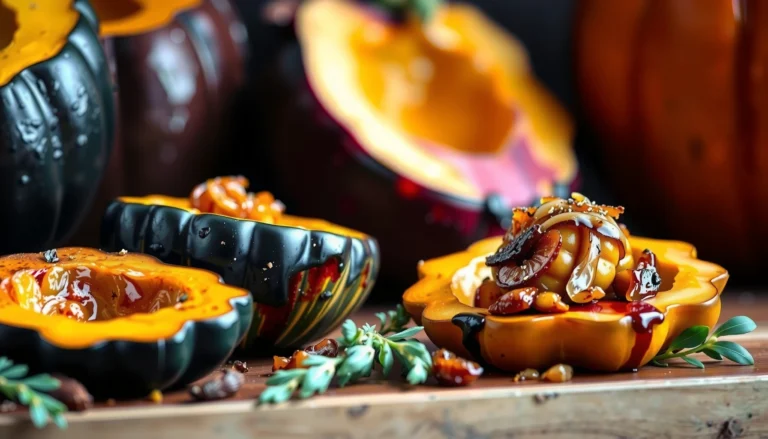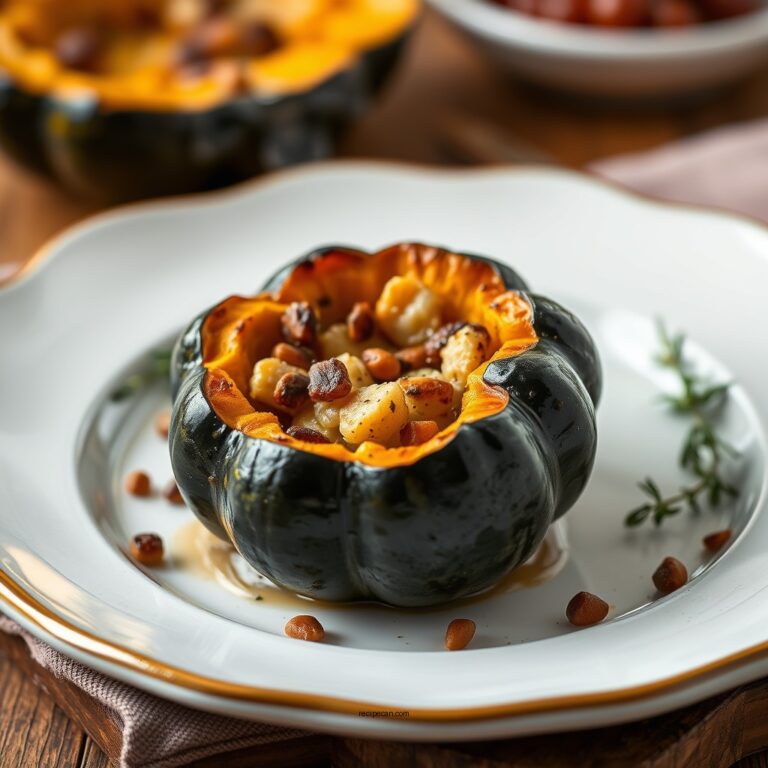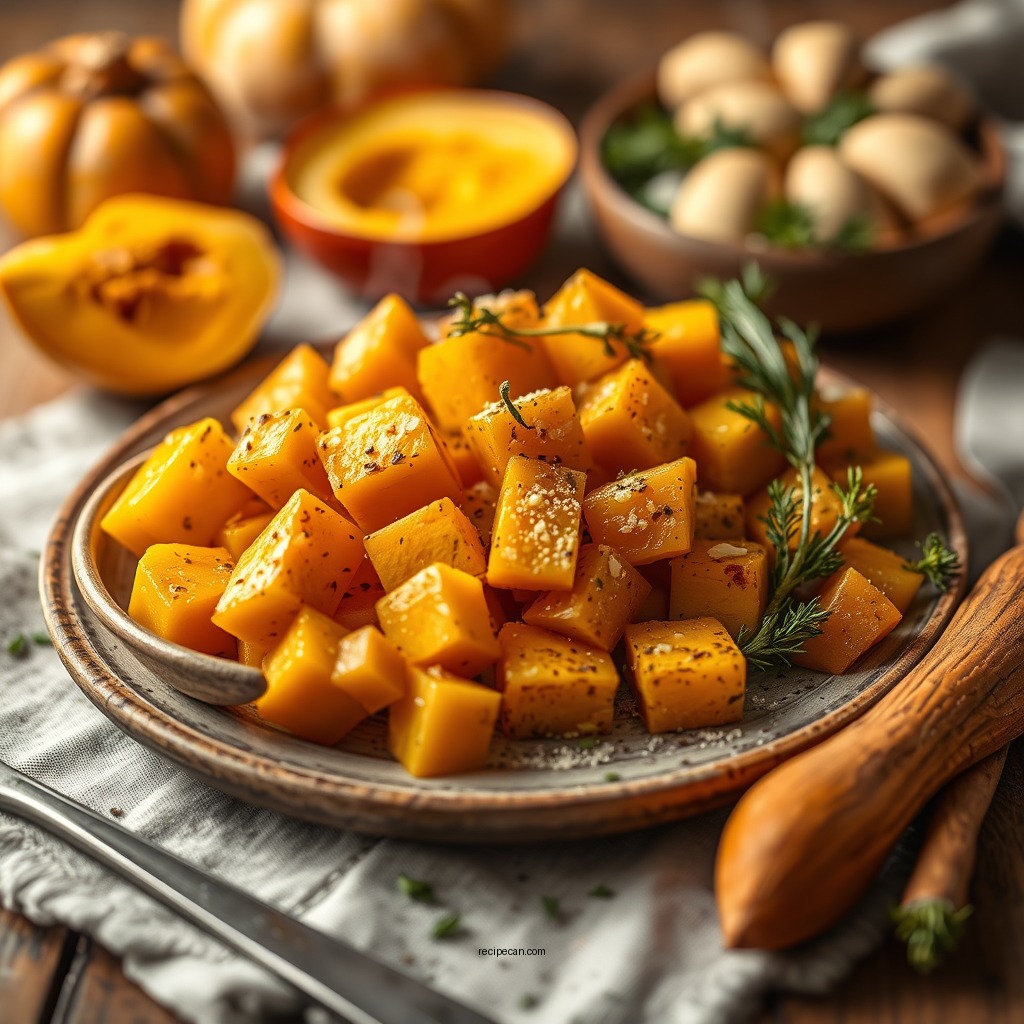
Butternut squash cubes are a versatile ingredient that can elevate any dish. Whether you’re planning a holiday feast, a casual family dinner, or a nutritious addition to your salad, this simple yet flavorful method of preparing cubed butternut squash will help you unlock its natural sweetness and nutty flavor. Packed with vitamins and minerals, butternut squash is not just delicious; it’s also a healthful choice for any occasion.
Choosing the Right Butternut Squash
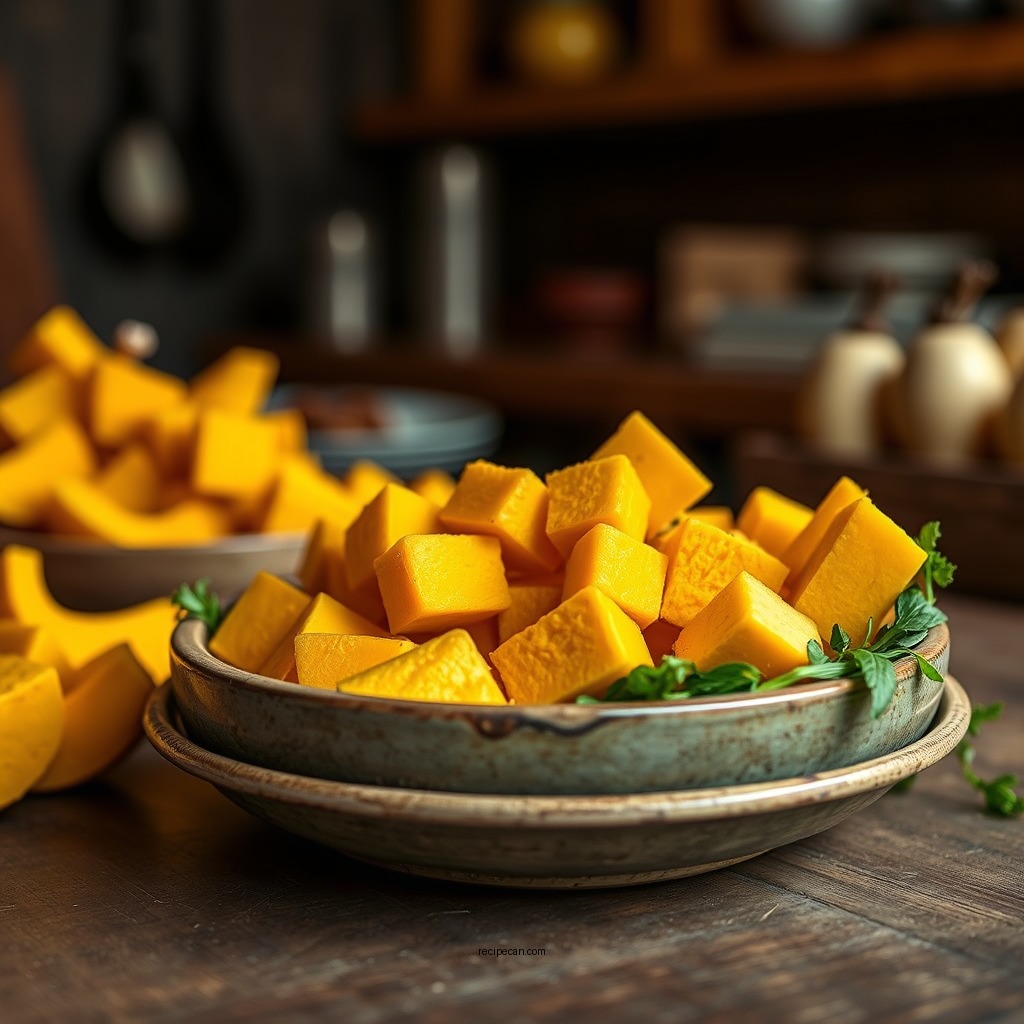
When selecting butternut squash, it’s essential to choose the best quality to ensure optimal flavor and texture. Look for squash with a smooth, firm skin and a deep, uniform color. The ideal butternut squash should feel heavy for its size, indicating that it is ripe and full of moisture. Avoid any squash that has soft spots, blemishes, or signs of mold, as these can indicate that the squash is past its prime and may have compromised flavor or texture. A great tip is to gently press the skin; it should be hard and unyielding.
Preparing the Butternut Squash
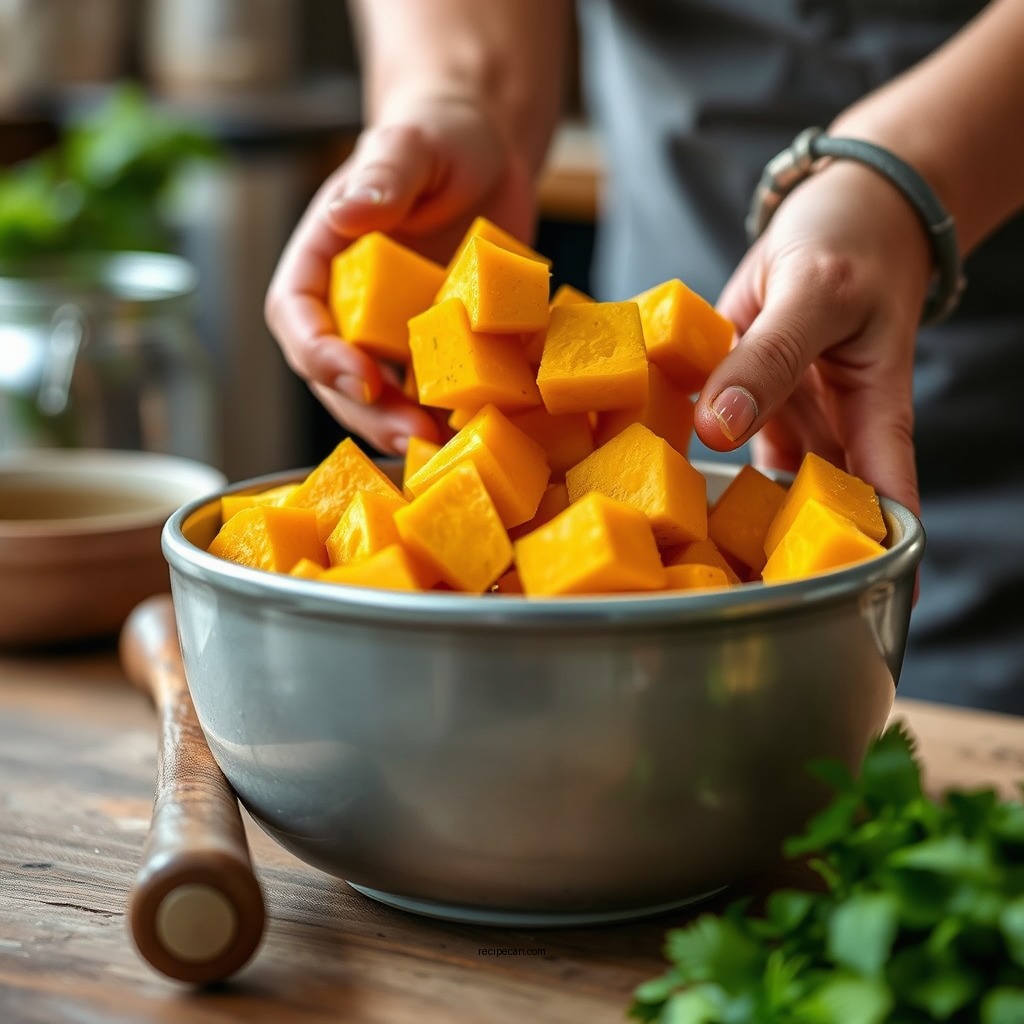
Preparing butternut squash may seem intimidating due to its tough skin, but with the right technique, it becomes simple. Start by cutting off both ends of the squash to create a stable base. This ensures that the squash will not roll while you peel it. Use a vegetable peeler, or for those who prefer a more robust method, a sharp knife to remove the skin. Once peeled, cut the squash in half lengthwise to remove the seeds. Then, cube the flesh into uniform pieces, about 1-inch in size. This uniformity will help ensure even cooking and enhance the overall presentation of your dish.
Seasoning Options
The beauty of butternut squash lies in its ability to adapt to various flavor profiles. For a classic approach, toss the cubed squash with olive oil, salt, and black pepper before cooking. This simple seasoning allows the natural flavors of the squash to shine through. If you want to elevate the dish further, consider experimenting with spices such as cinnamon, nutmeg, or smoked paprika. These spices can enhance the sweetness of the squash and add a warm, aromatic element to your meal. A hint of garlic powder or fresh herbs like rosemary or thyme can also complement the nutty flavor beautifully.
Nutritional Breakdown of Butternut Squash (per 100g)
| # | Nutrient | Amount | % Daily Value |
|---|---|---|---|
| 1 | Calories | 45 | 2% |
| 2 | Carbohydrates | 12g | 4% |
| 3 | Fiber | 2g | 8% |
| 4 | Sugars | 2g | 2% |
| 5 | Vitamin A | 106% DV | 106% |
| 6 | Vitamin C | 25% DV | 25% |
| 7 | Potassium | 10% DV | 10% |
Cooking Methods
Once your butternut squash is prepared and seasoned, the next step is to decide on a cooking method. Two popular methods are roasting and sautéing, each offering distinct textures and flavors.
– Roasting: This is one of the most popular methods for cooking butternut squash. Preheat your oven to 400°F (200°C), spread the cubed squash on a baking sheet in a single layer, and roast for about 25-30 minutes. Stir the cubes halfway through to ensure even cooking. Roasting brings out the natural sweetness of the squash and results in slightly caramelized edges.
– Sautéing: For a quicker option, sauté the cubes in a skillet over medium heat with a bit of olive oil or butter. Cook for approximately 15-20 minutes, stirring frequently until they are tender and lightly browned. This method provides a delightful texture and flavor, making the squash a fantastic addition to stir-fries or grain bowls.
Cooking Methods for Butternut Squash
Serving Suggestions
Cubed butternut squash is incredibly versatile and can be served in various ways. Here are some suggestions to inspire your culinary creations:
– As a Side Dish: Serve roasted or sautéed butternut squash alongside roasted meats or fish for a colorful and nutritious addition to your plate. Pair it with a drizzle of balsamic reduction or a sprinkle of feta cheese for an extra flavor boost.
– In Salads: Add cubed butternut squash to salads for a pop of color and nutrition. It pairs wonderfully with leafy greens, nuts, and a tangy vinaigrette. Consider mixing it with arugula, walnuts, and cranberries for a delightful autumn salad.
– In Soups: Blend cooked butternut squash with vegetable or chicken broth for a creamy and comforting soup. Adding spices such as ginger or curry powder can provide an exciting twist to the traditional flavors.
– In Grain Bowls: Combine butternut squash with quinoa or farro, along with roasted vegetables and a tahini dressing for a hearty and healthful meal option.
Storing Leftovers
If you have any leftover cubed butternut squash, proper storage is key to maintaining its flavor and texture. Store any leftovers in an airtight container in the refrigerator for up to three days. When you’re ready to enjoy them again, you can reheat the squash in the oven or microwave. If you find that the cubes have dried out, consider adding a splash of olive oil or a sprinkle of seasoning to refresh their flavor.
In conclusion, this delicious cubed butternut squash recipe showcases the versatility of this nutritious vegetable, making it a fantastic addition to any meal. Whether you choose to roast, sauté, or incorporate it into salads, you’ll enjoy the rich flavors and health benefits that butternut squash has to offer. Experiment with different seasonings and cooking methods to discover your favorite way to enjoy this fall favorite. So, roll up your sleeves and get ready to savor the delightful taste of butternut squash!
Frequently Asked Questions
What is the best way to prepare cubed butternut squash for roasting?
The best way to prepare cubed butternut squash for roasting is to first peel the squash, then cut it into even cubes of about 1-inch size to ensure uniform cooking. Toss the cubes in olive oil, salt, and your choice of spices, like cinnamon or paprika, before spreading them out on a baking sheet. This method enhances flavor and promotes even roasting, resulting in tender, caramelized pieces.
How long should I roast cubed butternut squash in the oven?
To achieve perfectly roasted cubed butternut squash, preheat your oven to 400°F (200°C) and roast the cubes for about 25 to 30 minutes. Make sure to stir them halfway through the cooking process to promote even browning. The squash is done when it becomes tender and slightly caramelized at the edges.
Why is my cubed butternut squash mushy after cooking?
If your cubed butternut squash turns out mushy after cooking, it may be due to overcooking or using overly ripe squash. To avoid this, ensure you cut the squash into uniform pieces and check for doneness around the recommended cooking time, removing it from the heat as soon as it is tender but still holds its shape.
What are some delicious seasonings for cubed butternut squash?
Some delicious seasonings for cubed butternut squash include garlic powder, thyme, rosemary, and cumin, which complement its natural sweetness. You can also try adding a splash of balsamic vinegar or maple syrup for a sweet and tangy flavor profile. Experimenting with different herbs and spices can elevate your dish and cater to your taste preferences.
Which dishes can I make using cubed butternut squash?
Cubed butternut squash can be used in a variety of dishes, such as soups, stews, salads, and grain bowls. You can also incorporate it into pasta dishes or as a hearty side dish. Its versatility makes it a fantastic ingredient for both savory and sweet recipes, perfect for any meal of the day.
References
- https://www.healthline.com/nutrition/butternut-squash-recipes
https://www.healthline.com/nutrition/butternut-squash-recipes - https://www.nutrition.gov/topics/whats-in-food/vegetables/butternut-squash
https://www.nutrition.gov/topics/whats-in-food/vegetables/butternut-squash - https://www.cdc.gov/nutrition/foodbasics/vegetables.html
https://www.cdc.gov/nutrition/foodbasics/vegetables.html - https://www.sciencedirect.com/topics/food-science/butternut-squash
https://www.sciencedirect.com/topics/food-science/butternut-squash - https://www.ncbi.nlm.nih.gov/pmc/articles/PMC4542340/
https://www.ncbi.nlm.nih.gov/pmc/articles/PMC4542340/ - https://pubmed.ncbi.nlm.nih.gov/29526523/
https://pubmed.ncbi.nlm.nih.gov/29526523/ - Healthy diet
https://www.who.int/news-room/fact-sheets/detail/healthy-diet - Google Scholar Google Scholar
https://scholar.google.com/scholar?q=cubed+butternut+squash+recipe - Google Scholar Google Scholar
https://scholar.google.com/scholar?q=butternut+squash+nutritional+value - Google Scholar Google Scholar
https://scholar.google.com/scholar?q=butternut+squash+cooking+methods