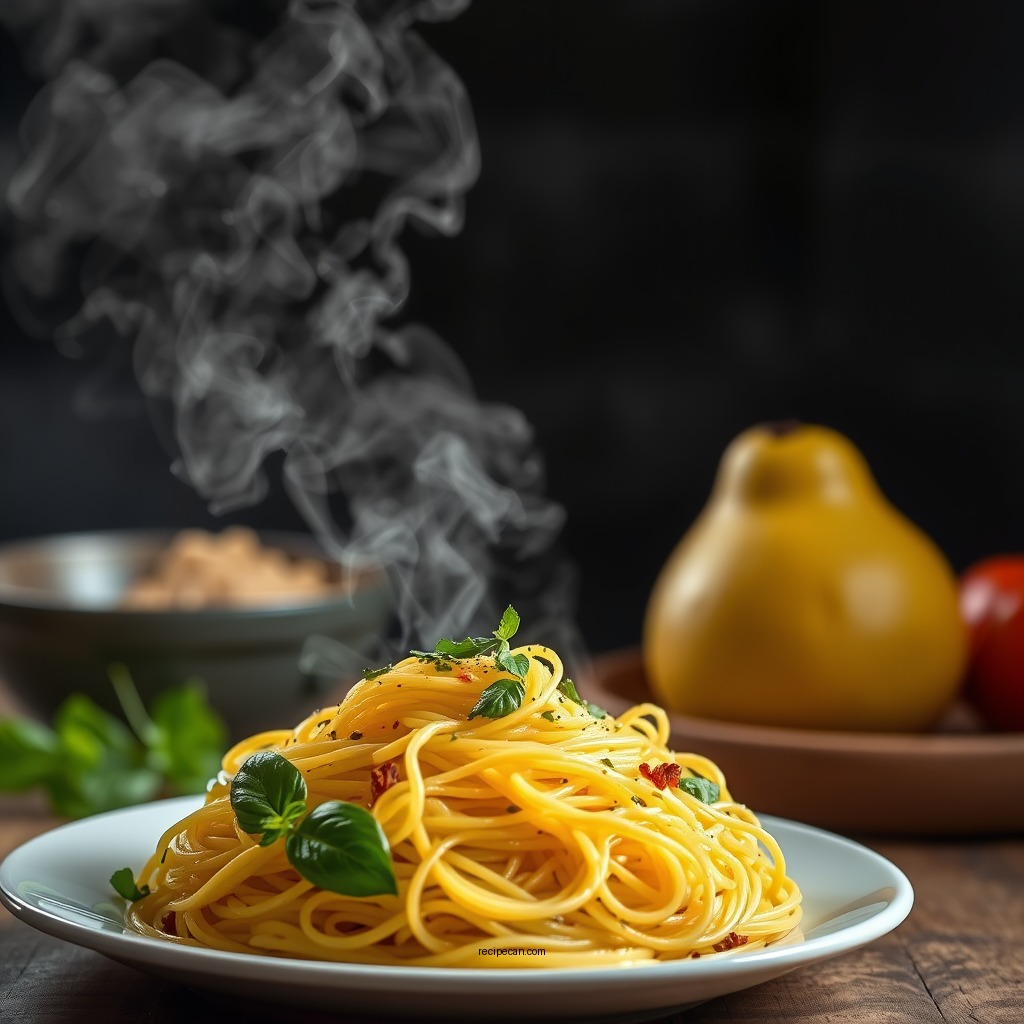
Spaghetti squash is an excellent, nutritious alternative to traditional pasta that allows you to enjoy a hearty meal without the extra carbohydrates. Its unique texture and mild flavor make it a versatile ingredient for a variety of dishes. In this article, you’ll learn how to prepare spaghetti squash in just a few simple steps, along with delicious serving suggestions that will enhance your meal and impress your guests.
Choosing the Right Spaghetti Squash
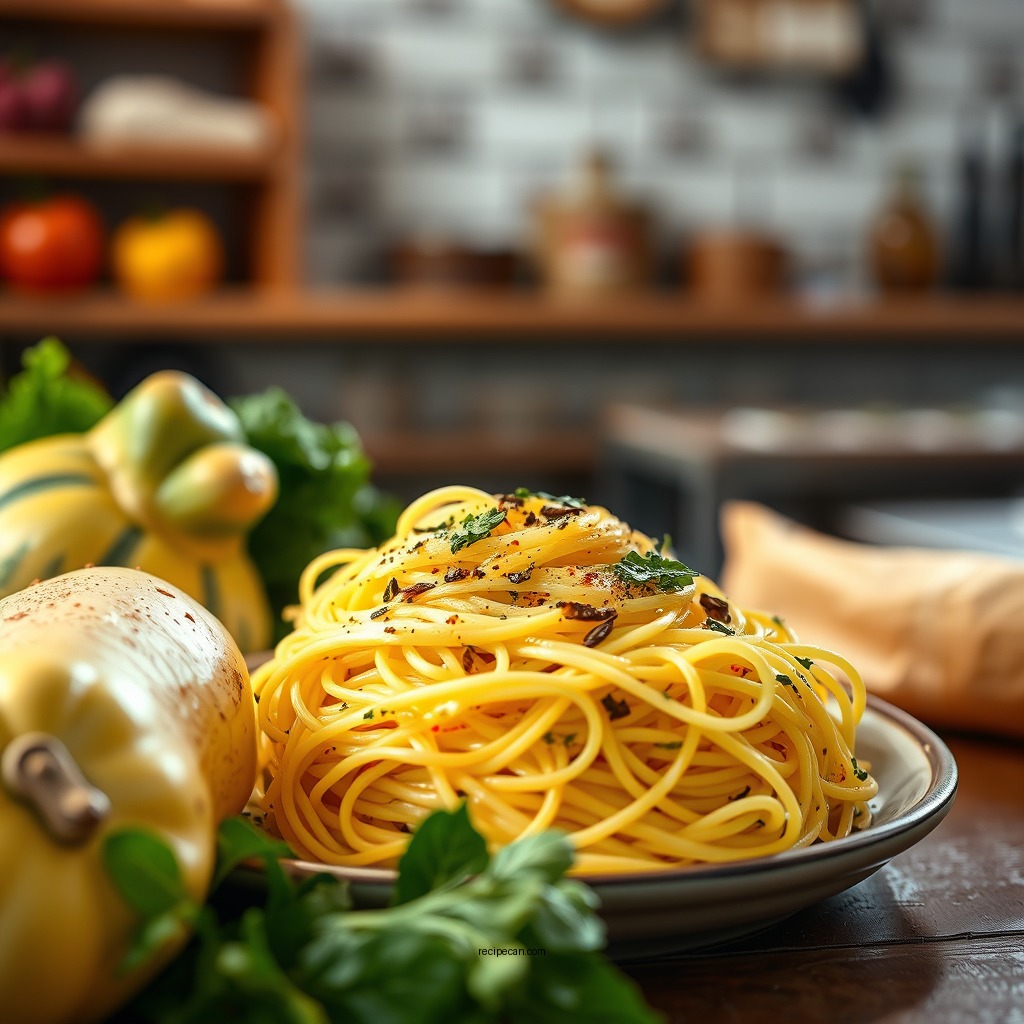
When selecting spaghetti squash, there are several factors to consider to ensure you pick the best one. Firstly, look for a squash that is firm to the touch with a smooth, yellow-orange skin. Any blemishes or soft spots can be indicators of spoilage. Additionally, the size of the squash matters; medium-sized squashes, typically weighing between 3 to 4 pounds, yield the best texture and flavor. They are easier to handle and cook evenly compared to larger varieties.
Another important tip is to check for a uniform shape. Squashes that are more oval in shape tend to have a better flesh-to-seed ratio, providing more of the delicious strands you’re looking for. By focusing on these characteristics, you can ensure a successful cooking experience with your spaghetti squash.
Preparing the Spaghetti Squash
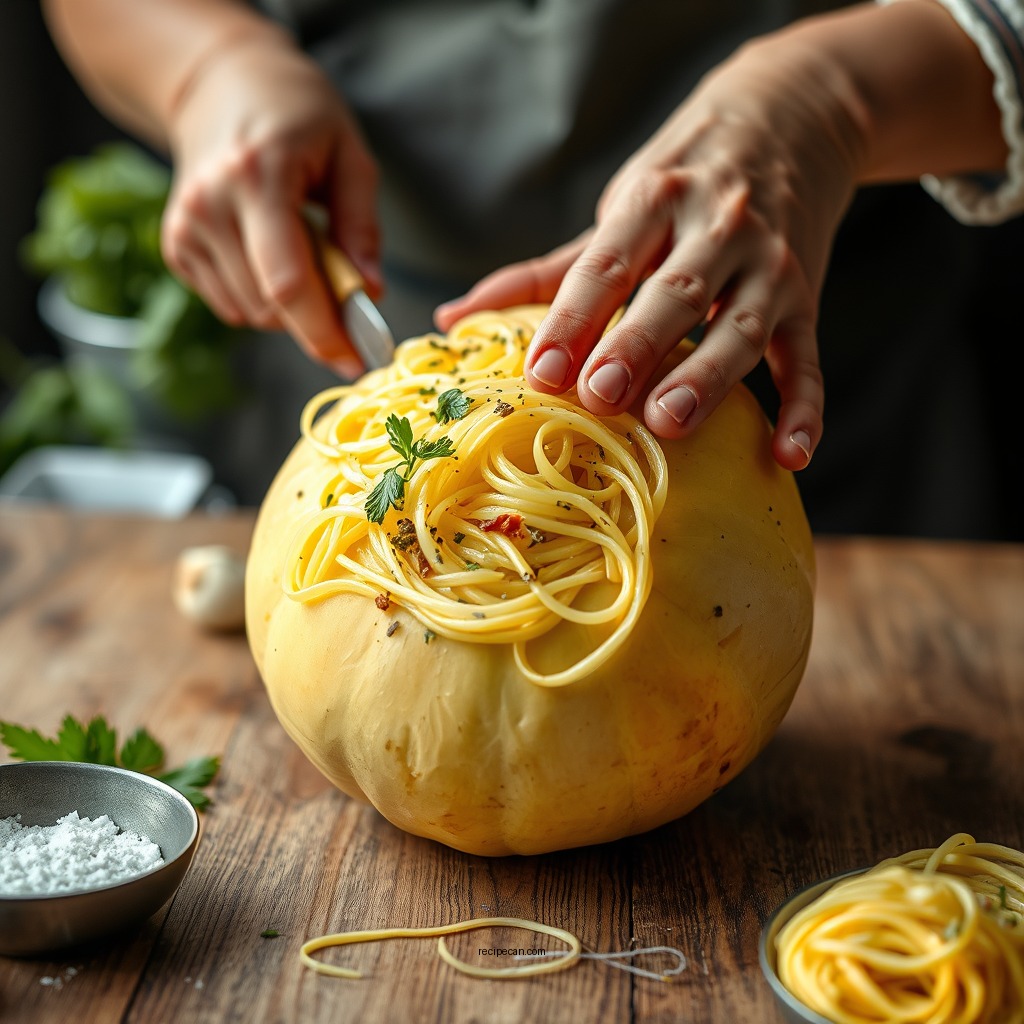
To start cooking your spaghetti squash, preheat your oven to 400°F (200°C). This temperature is ideal for roasting, allowing the squash to soften properly and develop a slightly caramelized flavor.
Next, using a sharp knife, carefully cut the squash in half lengthwise. This step is crucial as it allows heat to penetrate the squash evenly during cooking. After cutting it, scoop out the seeds with a spoon; you can save these for roasting later if you wish.
For an added flavor boost, consider brushing the inside of each half with olive oil and sprinkling a pinch of salt and pepper before cooking. This simple step enhances the natural sweetness of the squash and complements various sauces you may use later.
Cooking Methods for Spaghetti Squash
There are several methods to cook spaghetti squash, each with its advantages:
– Roasting: This is the most popular method. Take your prepared halves and place them cut side down on a baking sheet lined with parchment paper. Roast in the preheated oven for about 30-40 minutes, depending on the size of the squash. You’ll know it’s ready when the flesh is tender and easily pierced with a fork.
– Microwave: If you’re short on time, microwaving is a quick alternative. Place one half of the squash in a microwave-safe dish with a couple of tablespoons of water. Cover the dish with plastic wrap or a microwave-safe lid and microwave on high for about 10-12 minutes. Check for doneness and microwave in additional 1-minute increments if needed.
Cooking Methods Comparison
Cooking Methods for Spaghetti Squash
| # | Method | Time Required | Texture | Flavor |
|---|---|---|---|---|
| 1 | Roasting | 30-40 min | Tender | Sweet |
| 2 | Microwave | 10-12 min | Soft | Mild |
Fluffing the Squash
After cooking, it’s time to reveal the spaghetti-like strands that give this squash its name. Allow the halves to cool slightly before handling. Using a fork, gently scrape the flesh from the inside of the squash, pulling it away from the skin. Be gentle to avoid mashing the strands; the goal is to achieve a light, fluffy texture that resembles traditional spaghetti.
This step is crucial as it not only enhances the presentation of your dish but also ensures that the squash retains its unique texture. If you prefer a slightly firmer texture, you can reduce the cooking time by a few minutes.
Flavoring Your Spaghetti Squash
The beauty of spaghetti squash lies in its adaptability to various flavors. For a simple yet delicious side dish, toss the strands with high-quality olive oil, minced garlic, and fresh herbs such as basil or parsley. This combination enhances the natural sweetness of the squash and creates a vibrant dish.
For those looking for a heartier meal, consider pairing your spaghetti squash with a variety of sauces. Classic marinara, rich pesto, or creamy alfredo can all complement the squash beautifully. You can also add sautéed vegetables, grilled chicken, or shrimp to create a complete meal.
Flavor Pairing Suggestions
Popular Flavor Pairings for Spaghetti Squash
- Garlic and Olive Oil: A classic that enhances the natural flavors.
- Marinara Sauce: A staple for a comforting pasta-like experience.
- Pesto: Adds a fresh, herby flavor that complements the sweetness.
- Alfredo Sauce: For a rich, creamy texture that elevates your dish.
- Grilled Chicken: Adds protein and pairs well with light sauces.
- Roasted Vegetables: A great way to incorporate more nutrients and flavor.
Serving Suggestions
Spaghetti squash can be served in a variety of delicious ways that cater to different dietary needs and preferences.
– Protein Boost: Pair the strands with grilled chicken, shrimp, or even a plant-based protein for a balanced meal. This combination not only increases the nutritional value but also enhances the flavor profile of your dish.
– Vegetable Base: Use spaghetti squash as a base for roasted vegetables. The mild flavor of the squash complements a range of roasted vegetables, such as bell peppers, zucchini, and cherry tomatoes. This creates a vibrant and colorful dish that is as pleasing to the eye as it is to the palate.
– Salad Component: For a lighter option, consider incorporating spaghetti squash into a salad. Toss it with fresh greens, a squeeze of lemon, and a light vinaigrette for a refreshing side dish or a main course.
Storage and Reheating Tips
If you find yourself with leftover cooked spaghetti squash, proper storage is key to maintaining freshness. Store your leftover squash in an airtight container in the refrigerator for up to five days. Be sure to cool the squash completely before sealing it to prevent condensation.
When it comes to reheating, avoid using high heat, as this can lead to a mushy texture. Instead, reheat in the microwave or a preheated oven at a low setting. Adding a splash of water can help keep the squash moist and prevent it from drying out during the reheating process.
By following these easy steps, you can create a delicious spaghetti squash dish that fits perfectly into any meal plan. Don’t hesitate to try out different flavors and combinations to make it your own! Embrace the versatility of this remarkable vegetable, and enjoy all the culinary possibilities it has to offer.
Frequently Asked Questions
What is the best way to cook spaghetti squash for a recipe?
The best way to cook spaghetti squash is by roasting it in the oven. Preheat your oven to 400°F (200°C), cut the squash in half lengthwise, scoop out the seeds, and place it cut-side down on a baking sheet. Roast for about 30-40 minutes until the flesh is tender and easily shredded with a fork.
How can I enhance the flavor of my spaghetti squash dish?
To enhance the flavor of your spaghetti squash dish, try adding a variety of herbs and spices such as garlic, rosemary, or Italian seasoning. You can also toss the strands with olive oil, salt, and pepper, or mix in your favorite sauces like marinara or pesto to elevate the taste and make it more satisfying.
Why is spaghetti squash a healthy alternative to traditional pasta?
Spaghetti squash is a healthy alternative to traditional pasta because it is low in calories and carbohydrates while being high in fiber and vitamins. This makes it a great choice for those looking to reduce their carb intake or increase their vegetable consumption, promoting better digestion and overall health.
What are some easy spaghetti squash recipes for beginners?
Some easy spaghetti squash recipes for beginners include spaghetti squash with marinara sauce, a simple garlic and olive oil sauté, or a savory casserole with cheese and vegetables. These recipes require minimal ingredients and preparation, making them perfect for those new to cooking with spaghetti squash.
Which kitchen tools do I need to prepare spaghetti squash effectively?
To prepare spaghetti squash effectively, you will need a sharp chef’s knife to cut the squash in half, a spoon to scoop out the seeds, and a baking sheet for roasting. A fork is also essential for shredding the cooked squash into strands that resemble traditional pasta, allowing for a delightful texture in your dishes.
References
- Spaghetti squash
https://en.wikipedia.org/wiki/Spaghetti_squash - https://www.ncbi.nlm.nih.gov/pmc/articles/PMC6313440/
https://www.ncbi.nlm.nih.gov/pmc/articles/PMC6313440/ - https://www.mayoclinic.org/healthy-lifestyle/nutrition-and-healthy-eating/in-depth/squash/art-20045590
https://www.mayoclinic.org/healthy-lifestyle/nutrition-and-healthy-eating/in-depth/squash/art-20045590 - https://www.health.harvard.edu/staying-healthy/squash-what-you-need-to-know
https://www.health.harvard.edu/staying-healthy/squash-what-you-need-to-know - https://www.foodnetwork.com/topics/spaghetti-squash
https://www.foodnetwork.com/topics/spaghetti-squash - Google Scholar Google Scholar
https://scholar.google.com/scholar?q=spaghetti+squash+recipe - https://scholar.google.com/scholar?q=spaghetti+squash+nutrition Google Scholar
https://scholar.google.com/scholar?q=spaghetti+squash+nutrition - Google Scholar Google Scholar
https://scholar.google.com/scholar?q=spaghetti+squash+cooking+methods - https://pubmed.ncbi.nlm.nih.gov/?term=spaghetti+squash+recipe
https://pubmed.ncbi.nlm.nih.gov/?term=spaghetti+squash+recipe - Google Scholar Google Scholar
https://scholar.google.com/scholar?q=spagetti+squash+recipe