Squash casserole is a versatile and comforting dish that can easily become a favorite in your home. Whether you’re looking for a side dish for a family gathering or a hearty vegetarian meal, this article provides mouthwatering recipes that highlight the deliciousness of squash. You’ll discover various ways to prepare squash casserole, making it perfect for any occasion.
Classic Squash Casserole
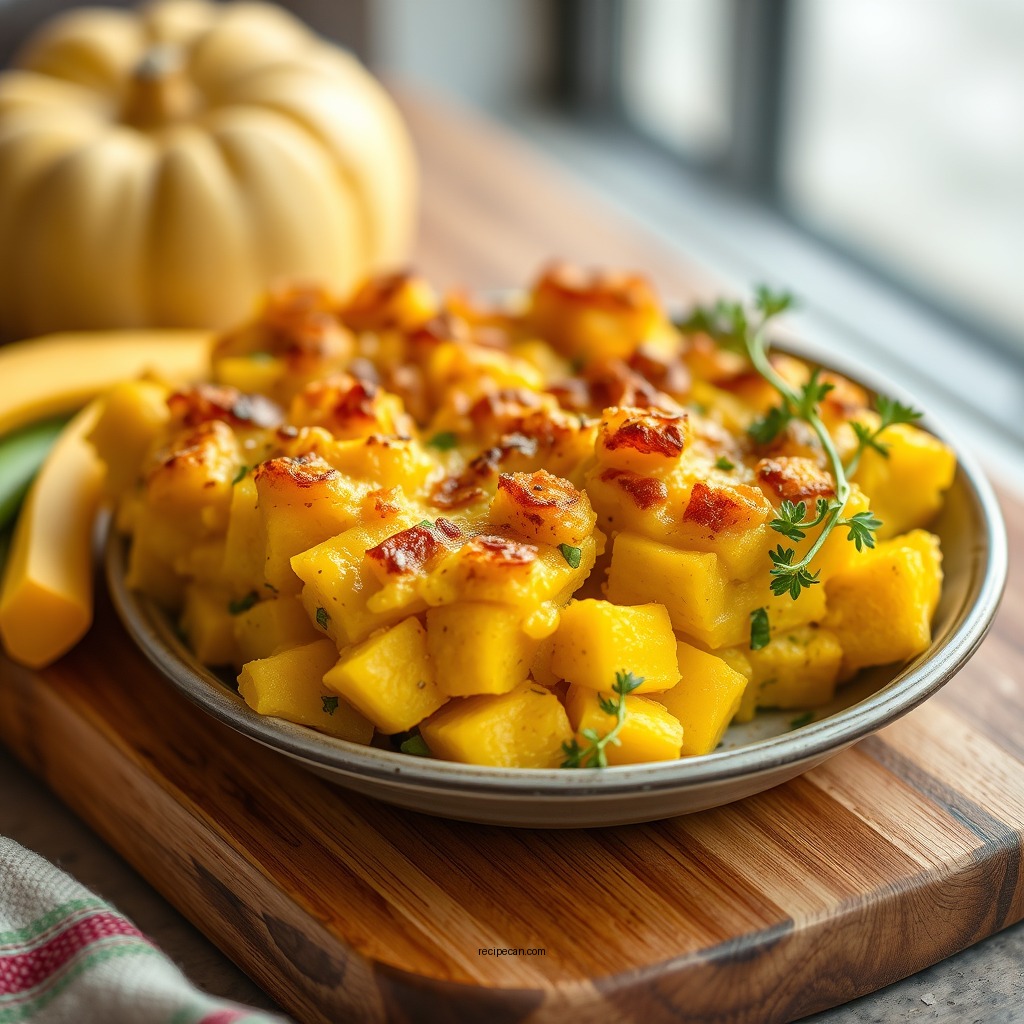
The classic squash casserole is a staple in many households, renowned for its simplicity and rich flavors. The primary ingredients typically include yellow squash, onions, and a blend of cheeses, which create a creamy, mouthwatering dish.
Ingredients
To prepare a traditional squash casserole, you will need:
– 4 medium yellow squashes, sliced
– 1 medium onion, diced
– 2 cups shredded cheddar cheese
– 1 cup sour cream
– 1 cup crushed buttery crackers
– 2 tablespoons butter
– Salt and pepper to taste
Preparation
1. Preheat the Oven: Start by preheating your oven to 350°F (175°C).
2. Sauté the Onions: In a skillet, melt the butter over medium heat and sauté the diced onions until they become translucent.
3. Combine Ingredients: In a large mixing bowl, combine the sliced yellow squash, sautéed onions, sour cream, and half of the cheddar cheese. Season with salt and pepper.
4. Layer the Casserole: In a greased baking dish, layer the squash mixture. Top with the remaining cheddar cheese and sprinkle crushed crackers on top for a crunchy finish.
5. Bake: Cover the dish with aluminum foil and bake for 30 minutes. Remove the foil and bake for an additional 15 minutes until the top is golden brown.
This classic version of squash casserole is a delightful blend of creaminess and crunch that will leave your guests asking for seconds.
Cheesy Squash Casserole Variations

Cheese plays a pivotal role in enhancing the flavor of squash casserole, and experimenting with different types can yield delightful results.
Different Cheeses
– Fontina: This cheese melts beautifully and adds a robust flavor.
– Parmesan: Adding grated Parmesan can introduce a nutty depth to your dish.
– Cream Cheese: For a richer texture, try mixing in some cream cheese.
Add-ins
You can also incorporate unique ingredients to elevate your casserole:
– Bacon: Adding cooked and crumbled bacon can introduce a smoky flavor.
– Herbs: Fresh herbs like thyme or basil can brighten the dish and add freshness.
These variations not only enhance the taste but also allow you to customize the casserole to suit your guests’ preferences.
Healthy Squash Casserole Options
For health-conscious eaters, adapting the traditional squash casserole recipe is simple and rewarding.
Low-Calorie Ingredients
Substituting some key ingredients can significantly reduce calories:
– Greek Yogurt: Substitute sour cream with Greek yogurt for a protein boost and lower fat content.
– Whole-Grain Breadcrumbs: Use whole-grain breadcrumbs instead of regular ones for added fiber.
Vegetable Substitutes
To make the casserole even more nutritious, consider adding:
– Spinach: Incorporate fresh spinach for added vitamins and minerals.
– Bell Peppers: Diced bell peppers can add color and sweetness.
These healthy options ensure that you can enjoy a comforting casserole without the guilt.
Vegan Squash Casserole
Creating a vegan squash casserole is a delicious way to enjoy this dish while adhering to plant-based diets.
Plant-Based Ingredients
Key substitutes for a vegan version include:
– Nutritional Yeast: This ingredient provides a cheesy flavor without dairy.
– Almond Milk: Use unsweetened almond milk in place of sour cream or regular milk.
Flavor Enhancements
To ensure your vegan casserole is bursting with flavor, consider:
– Spices: Add garlic powder, onion powder, or smoked paprika for added depth.
– Herbs: Fresh herbs like parsley or dill can enhance the overall flavor profile.
This vegan option is not only satisfying but also accessible to a wider range of dietary preferences.
Squash Casserole for Special Diets
For those with dietary restrictions, squash casserole can be easily modified to accommodate various needs.
Gluten-Free Recipes
To create a gluten-free version, use:
– Gluten-Free Breadcrumbs: Replace standard breadcrumbs with gluten-free options.
– Alternative Binding Agents: Consider using eggs or flaxseed meal as a binder instead of traditional flour.
Allergen-Friendly Tips
For those with allergies, consider:
– Nut-Free: Ensure all ingredients, including any added cheeses or toppings, are nut-free.
– Soy-Free Options: Check labels on processed ingredients to avoid soy-derived products.
These adaptations allow everyone to enjoy the comforting flavors of squash casserole without concern.
Tips for Perfecting Your Squash Casserole
Perfecting your squash casserole requires attention to cooking techniques and proper storage methods.
Cooking Techniques
– Blanching Squash: Briefly blanching the squash before baking helps to reduce water content and enhance the flavor.
– Even Layering: Ensure even layering of your ingredients in the dish for consistent cooking.
Storage Tips
– Leftover Storage: Store leftovers in an airtight container in the refrigerator for up to three days.
– Reheating: Reheat in the oven instead of the microwave to maintain texture and flavor.
These tips will help you create a casserole that not only tastes great but also lasts longer.
Serving Suggestions for Squash Casserole
Enhancing the dining experience goes beyond just the casserole itself.
Pairing Ideas
Consider serving your squash casserole alongside:
– Salads: A fresh green salad can provide a nice contrast to the richness of the casserole.
– Grilled Proteins: Chicken or fish can complement the flavors beautifully.
Presentation Tips
To impress your guests, consider:
– Garnishing: Fresh herbs or a sprinkle of cheese on top can elevate the presentation.
– Serving in Individual Dishes: Portioning the casserole into individual ramekins can add a touch of elegance.
These presentation and pairing suggestions will ensure that your squash casserole is the star of the meal.
Top 7 Ingredients for Squash Casserole (Popularity)
| # | Ingredient | Popularity (%) | Nutritional Value (per serving) |
|---|---|---|---|
| 1 | Yellow Squash | 85% | Low-cal, rich in vitamins |
| 2 | Cheddar Cheese | 70% | High in calcium |
| 3 | Sour Cream | 60% | Adds creaminess |
| 4 | Onions | 55% | Rich in antioxidants |
| 5 | Breadcrumbs | 50% | Provides crunch |
| 6 | Cream Cheese | 45% | Rich and creamy |
| 7 | Bacon | 30% | Adds flavor |
Most Popular Squash Casserole Variations
Squash casserole recipes offer a delightful way to enjoy this nutritious vegetable while accommodating various dietary preferences. With the right ingredients and techniques, you can create a dish that suits any occasion. Try out these recipes and tips today to bring a flavorful squash casserole to your table!
Frequently Asked Questions
What are the key ingredients needed for a basic squash casserole recipe?
A basic squash casserole recipe typically includes yellow squash, zucchini, onions, cheese, breadcrumbs, and a binding agent like eggs or cream. You can also enhance the flavor with seasonings such as garlic, salt, and pepper. These ingredients work together to create a creamy and flavorful dish that’s perfect for any occasion.
How do I prepare squash for a casserole?
To prepare squash for a casserole, start by washing and slicing the squash into thin, even pieces for even cooking. You can also sauté the squash with onions to enhance their flavor before adding them to your casserole. This step helps to reduce moisture, ensuring your squash casserole doesn’t turn out watery.
Why is my squash casserole watery, and how can I prevent this?
A watery squash casserole can result from using too much moisture in the squash or not cooking the squash beforehand. To prevent this, consider salting the sliced squash and letting it sit for about 30 minutes to draw out excess moisture. You can also pre-cook the squash by sautéing or roasting it before mixing it into the casserole.
What is the best cheese to use in a squash casserole?
The best cheese for a squash casserole is often sharp cheddar due to its strong flavor that complements the mild taste of the squash. Other great options include mozzarella for a gooey texture or Parmesan for a nutty flavor. You can also combine different cheeses for a more complex taste.
Which herbs and spices work best in a squash casserole?
Common herbs and spices that enhance the flavor of squash casserole include thyme, rosemary, and basil. Additionally, garlic powder, onion powder, and black pepper can add depth to the dish. Feel free to experiment with fresh herbs or even a pinch of cayenne for a subtle kick, making your casserole uniquely flavorful.
References
- https://en.wikipedia.org/wiki/Squash_casserole
https://en.wikipedia.org/wiki/Squash_casserole - https://www.ncbi.nlm.nih.gov/pmc/articles/PMC4939230/
https://www.ncbi.nlm.nih.gov/pmc/articles/PMC4939230/ - https://www.sciencedirect.com/topics/agricultural-and-biological-sciences/squash
https://www.sciencedirect.com/topics/agricultural-and-biological-sciences/squash - https://www.britannica.com/topic/squash-vegetable
https://www.britannica.com/topic/squash-vegetable - https://www.cdc.gov/nutrition/resources-publications/healthier-choices/squash.html
https://www.cdc.gov/nutrition/resources-publications/healthier-choices/squash.html - Google Scholar Google Scholar
https://scholar.google.com/scholar?q=squash+casserole+recipes - Google Scholar Google Scholar
https://scholar.google.com/scholar?q=squash+casserole+nutrition - Google Scholar Google Scholar
https://scholar.google.com/scholar?q=health+benefits+of+squash - Healthy diet
https://www.who.int/news-room/fact-sheets/detail/healthy-diet - https://www.mayoclinic.org/healthy-lifestyle/nutrition-and-healthy-eating/in-depth/vegetables/art-20045540
https://www.mayoclinic.org/healthy-lifestyle/nutrition-and-healthy-eating/in-depth/vegetables/art-20045540