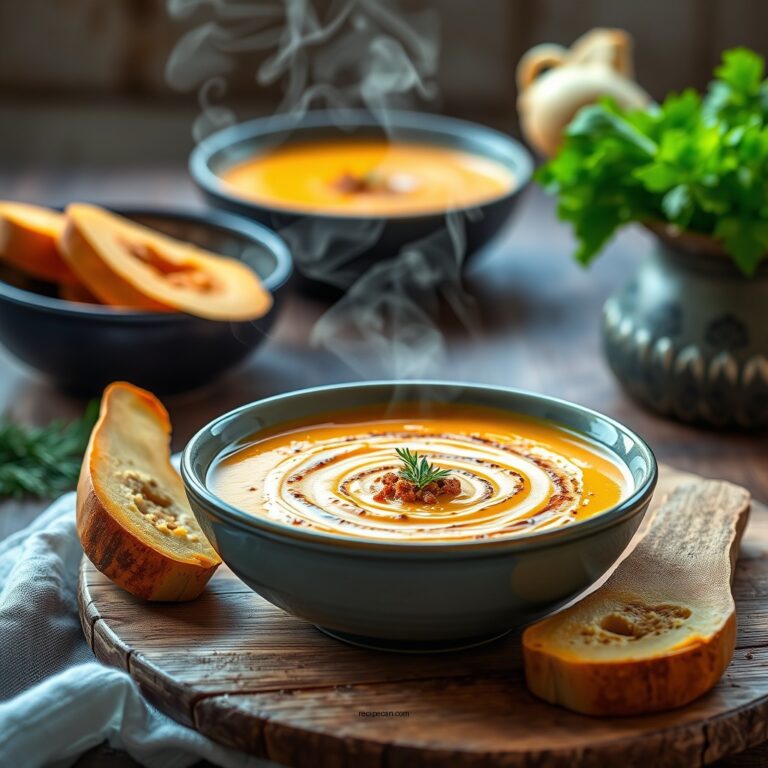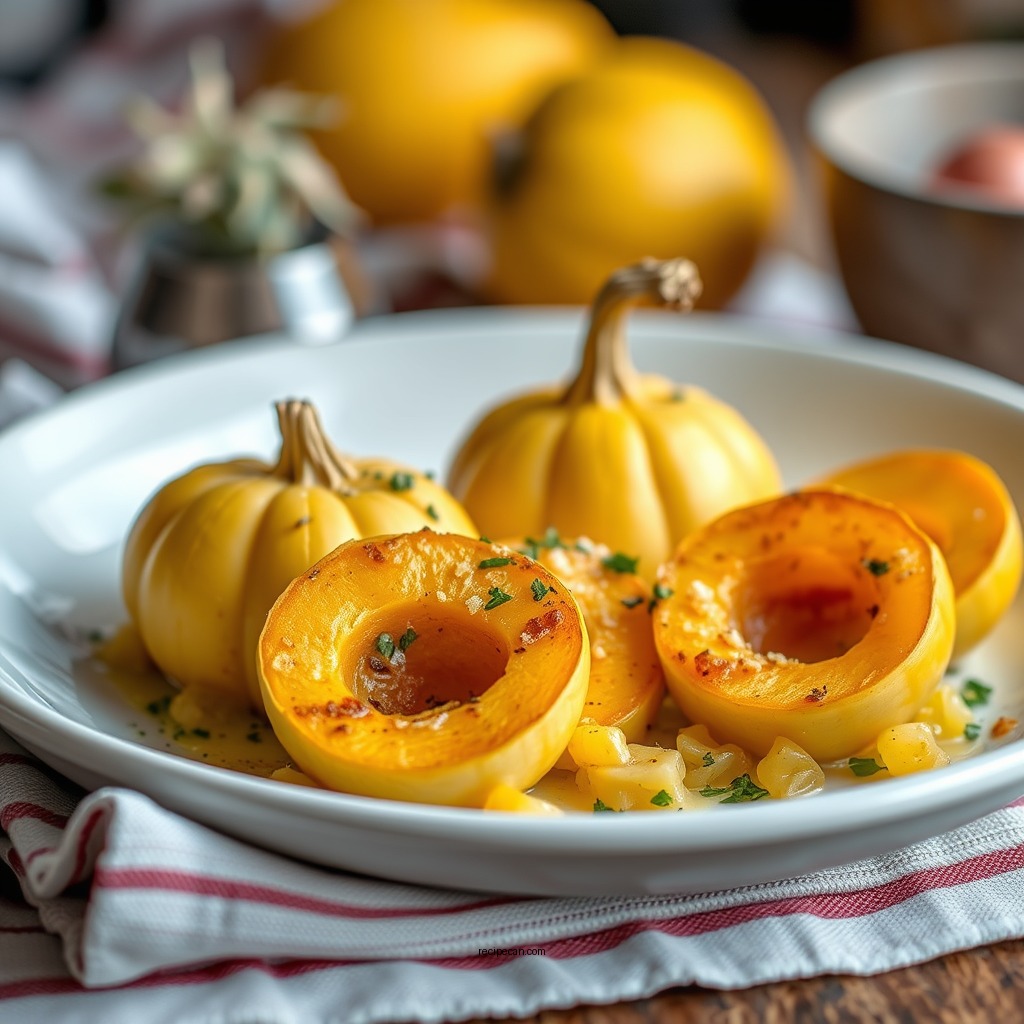
If you’re looking for the best squash recipe, you’re in the right place! This versatile vegetable can be transformed into a delightful dish that pleases everyone at the table. Squash, celebrated for its natural sweetness and diverse culinary applications, can be prepared in various ways—roasted, sautéed, or even pureed. In this article, we’ll guide you through a simple yet flavorful squash recipe that highlights its unique qualities and complements any meal.
Choosing the Right Squash
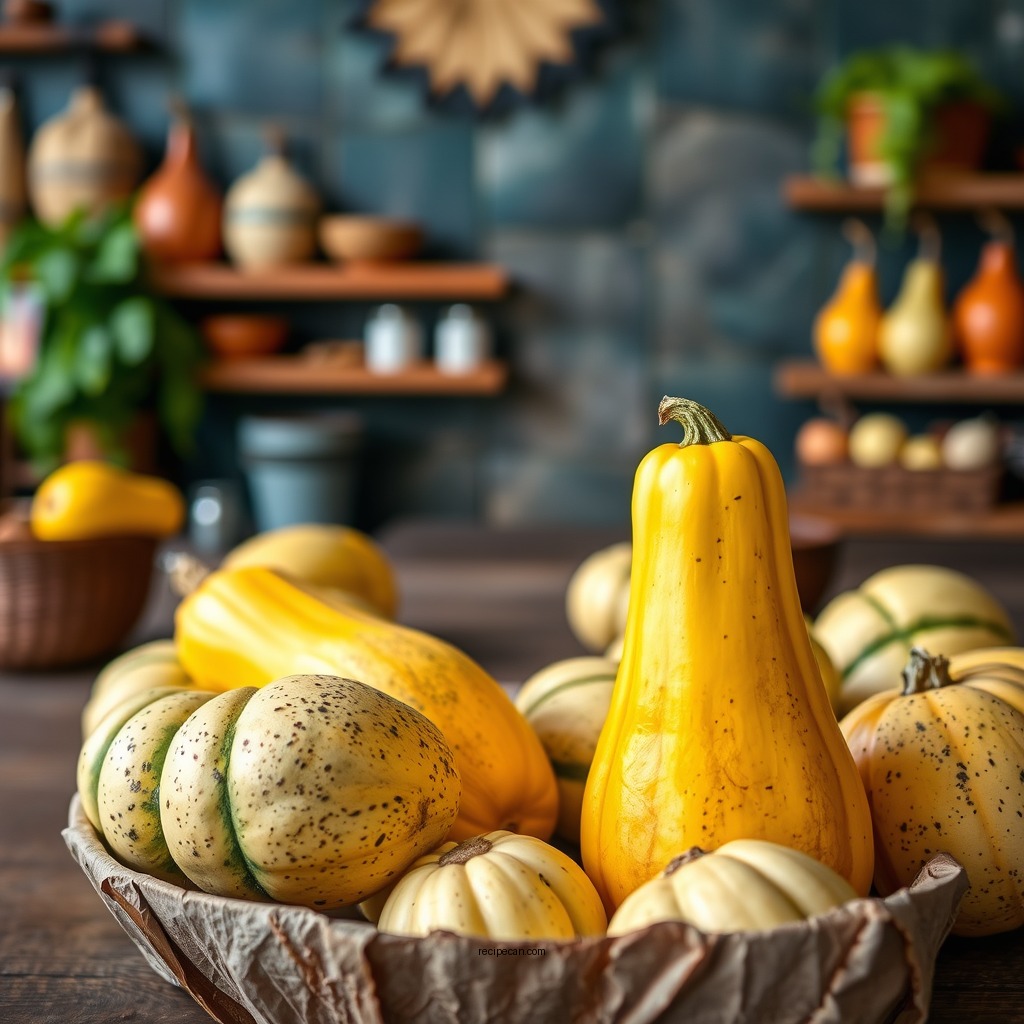
When selecting squash, it’s essential to understand the different varieties available and their unique flavor profiles. The three most popular types are butternut, acorn, and zucchini, each offering distinctive tastes and textures.
– Butternut Squash: Known for its sweet, nutty flavor and smooth texture, butternut squash is perfect for soups, purees, and roasting. Its vibrant orange flesh indicates a high beta-carotene content, making it a nutritious choice.
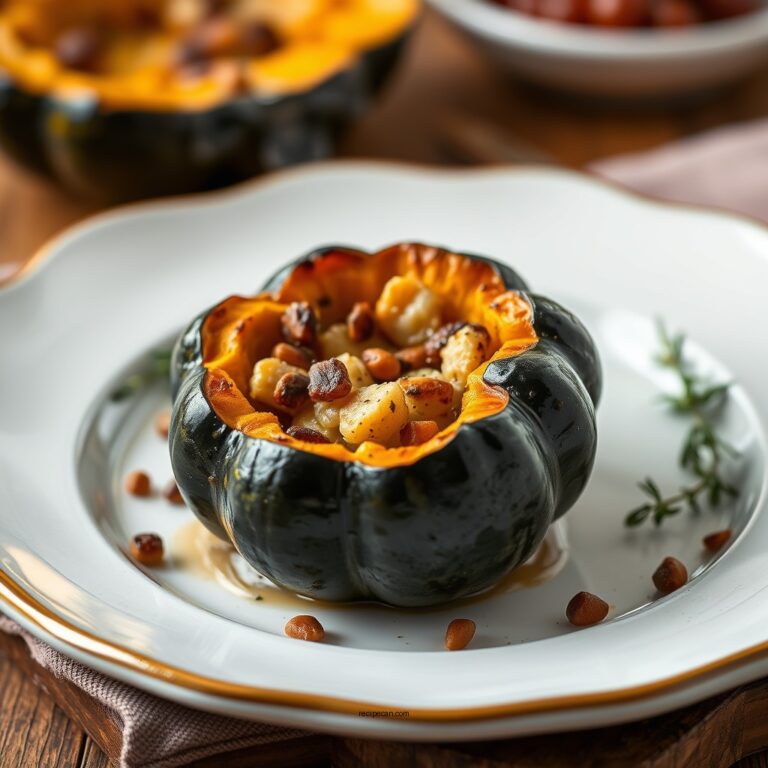
– Acorn Squash: This variety has a slightly sweet, mild flavor with a tender texture. Acorn squash is often baked or stuffed, making it an excellent option for side dishes or main courses. Its green or yellow skin adds an appealing visual element to any plate.
– Zucchini: Zucchini is a versatile summer squash that can be eaten raw, sautéed, or grilled. It has a mild flavor that pairs well with various herbs and spices, making it a staple in salads and Mediterranean dishes.
Understanding these varieties allows you to choose the right squash for your recipe, ensuring a delicious outcome.
Preparing the Squash
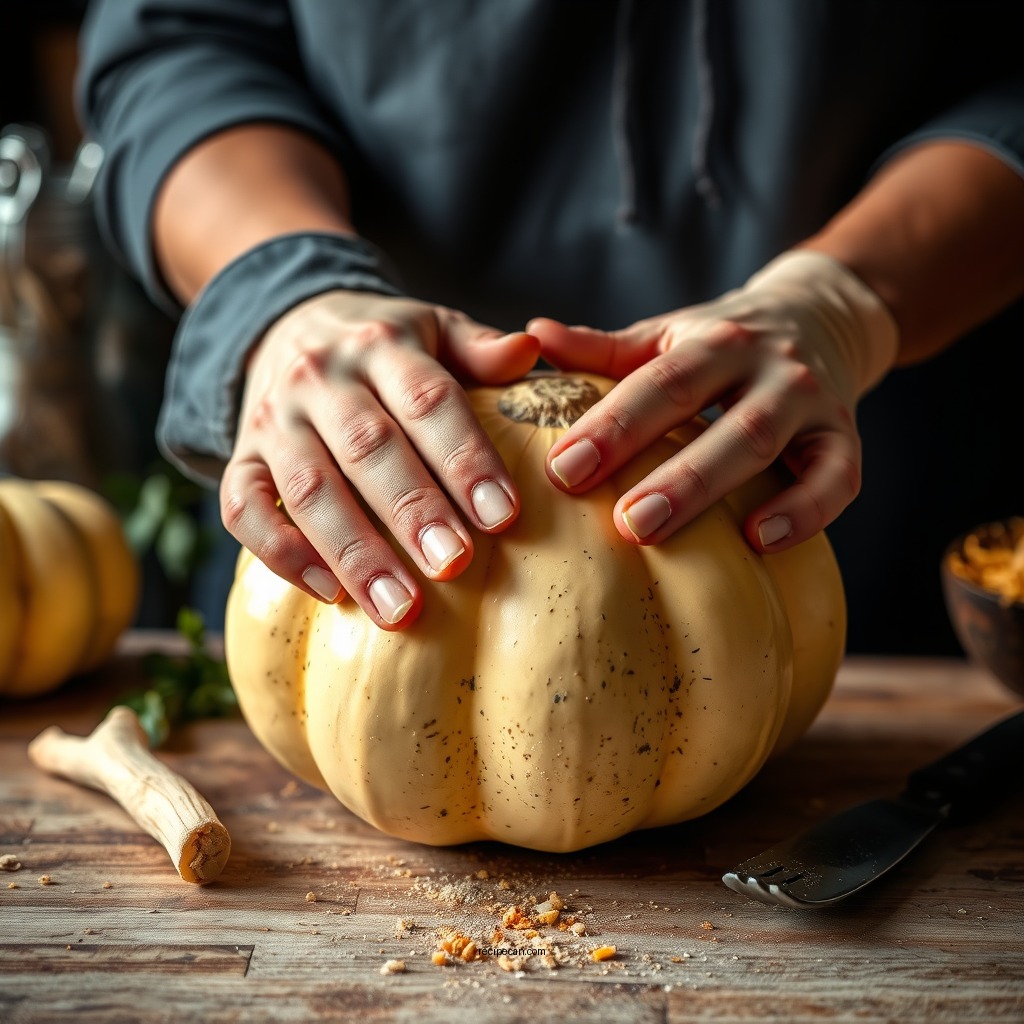
Preparation is key to achieving the best flavor and texture. Here’s how to properly wash, peel, and cut squash:
1. Washing: Begin by rinsing the squash under cold water to remove any dirt or contaminants. Use a vegetable brush for stubborn spots.
2. Peeling: For butternut and acorn squash, a vegetable peeler works best. Zucchini can typically be left unpeeled, depending on your preference.
3. Cutting: Use a sharp knife to slice the squash. For butternut squash, cut off both ends, slice it in half lengthwise, and scoop out the seeds. Acorn squash can be halved and seeded similarly. Zucchini should be sliced into rounds or strips, depending on your recipe.
Utilizing a sturdy cutting board and a sharp knife will make this process safer and more efficient.
The Best Squash Recipe Ingredients
To create a delicious roasted squash dish, you’ll need the following essential ingredients:
– 1 medium butternut squash, peeled, seeded, and cut into cubes
– 2 tablespoons olive oil
– 1 teaspoon salt
– 1/2 teaspoon black pepper
– 1 teaspoon garlic powder
– 1 teaspoon dried thyme (or fresh thyme if available)
– Optional: 1 tablespoon maple syrup for added sweetness, and 1/4 cup grated Parmesan cheese for a savory touch.
These ingredients work together beautifully to enhance the natural sweetness of the squash while providing a balanced flavor profile.
Nutritional Comparison of Popular Squash Varieties (per 100g)
| # | Squash Type | Calories | Carbs (g) | Fiber (g) | Vitamin A (% DV) |
|---|---|---|---|---|---|
| 1 | Butternut Squash | 45 | 12 | 2 | 100% |
| 2 | Acorn Squash | 56 | 15 | 3 | 10% |
| 3 | Zucchini | 17 | 3 | 1 | 2% |
| 4 | Spaghetti Squash | 31 | 7 | 1 | 1% |
| 5 | Pumpkin | 26 | 7 | 1 | 3% |
| 6 | Yellow Squash | 20 | 4 | 1 | 1% |
| 7 | Delicata Squash | 40 | 10 | 2 | 4% |
Step-by-Step Cooking Instructions
Now that you have your ingredients ready, follow these simple steps to create a delicious roasted butternut squash dish:
1. Preheat the Oven: Preheat your oven to 400°F (200°C). This temperature allows for even roasting and caramelization of the squash.
2. Prepare the Squash: In a large bowl, combine the cubed butternut squash with olive oil, salt, black pepper, garlic powder, and thyme. If using maple syrup, add it now. Toss until the squash is evenly coated.
3. Arrange on a Baking Sheet: Spread the seasoned squash in a single layer on a baking sheet lined with parchment paper. This helps with cleanup and prevents sticking.
4. Roast the Squash: Place the baking sheet in the preheated oven and roast for about 25-30 minutes, or until the squash is tender and lightly browned. Halfway through, stir the squash to ensure even cooking.
5. Optional Topping: If you opted for Parmesan cheese, sprinkle it over the squash in the last five minutes of roasting for a deliciously crispy finish.
6. Serve: Once done, remove the squash from the oven and let it cool slightly. Serve warm as a side dish or incorporate it into salads or grain bowls.
This method not only enhances the squash’s flavor but also retains its nutritional benefits, making it a wholesome addition to your meals.
Roasted Squash Cooking Times by Type
Serving Suggestions
Once you have prepared your squash dish, consider these serving suggestions to enhance your meal:
– Pair with Protein: Roasted squash complements proteins like grilled chicken, fish, or legumes. The sweetness of the squash provides a delightful contrast to savory meats.
– Incorporate into Salads: Toss the roasted squash into fresh salads with greens, nuts, and a light vinaigrette for a nutritious and visually appealing dish.
– Grain Bowls: Create a hearty grain bowl with quinoa, farro, or brown rice as a base. Top it with your roasted squash, fresh herbs, and a drizzle of tahini or yogurt dressing.
– Presentation Tips: Arrange the roasted squash on a platter, garnished with fresh herbs like parsley or cilantro. This not only adds color but also enhances the dish’s aromatic appeal.
Variations and Tips
To customize your squash recipe, consider the following variations:
– Herb Variations: Experiment with different herbs such as rosemary, sage, or oregano to create unique flavor profiles.
– Spice It Up: For a kick, add cayenne pepper or smoked paprika to your seasoning mix.
– Dietary Modifications: If you’re following a vegan or gluten-free diet, this recipe is naturally adaptable. Use plant-based oils and skip the cheese if desired.
– Common Mistakes: Avoid overcrowding the baking sheet, which can lead to steaming rather than roasting. Ensure the squash is cut into uniform pieces for even cooking.
By incorporating these tips and variations, you can make this squash recipe your own, ensuring it fits your taste preferences and dietary needs.
In conclusion, this simple yet flavorful squash recipe is a fantastic way to showcase the vegetable’s versatility and natural sweetness. By choosing the right type of squash, preparing it correctly, and following the cooking instructions, you can create a dish that delights both the palate and the eye. Don’t hesitate to experiment with variations and serving ideas to make this recipe a staple in your meal rotation. Happy cooking!
Frequently Asked Questions
What is the best way to prepare squash for cooking?
The best way to prepare squash is to first wash it thoroughly to remove any dirt. Then, you can choose to peel it, especially for varieties like butternut squash, or leave the skin on for types like zucchini. Cut the squash into uniform pieces to ensure even cooking, whether you plan to roast, sauté, or steam it.
How can I make a healthy squash recipe that my family will love?
To create a healthy squash recipe that appeals to the whole family, consider roasting butternut squash with olive oil, salt, and pepper, then adding a sprinkle of cinnamon for a sweet twist. You can also incorporate it into pasta dishes or soups, blending it with other flavors like garlic and herbs to enhance the taste while keeping it nutritious.
Why is squash a good choice for a healthy diet?
Squash is a great choice for a healthy diet because it is low in calories and high in essential nutrients like vitamins A and C, fiber, and antioxidants. These nutrients support immune function and promote digestive health, making squash an excellent addition to balanced meals, whether eaten roasted, in salads, or blended into smoothies.
What are some of the best squash recipes for fall?
Some of the best squash recipes for fall include creamy butternut squash soup, roasted acorn squash with maple syrup, and stuffed spaghetti squash with ground turkey and vegetables. These recipes highlight the seasonal flavors of fall and are perfect for cozy dinners, offering both comfort and nutrition during the cooler months.
Which types of squash are best for baking and why?
The best types of squash for baking are butternut, acorn, and spaghetti squash due to their sweet flavor and creamy texture when cooked. Butternut squash is particularly popular for pies and breads because of its natural sweetness, while spaghetti squash is ideal for creating low-carb pasta alternatives, making it both versatile and satisfying in baked dishes.
References
- https://en.wikipedia.org/wiki/Squash_(plant
https://en.wikipedia.org/wiki/Squash_(plant - https://www.mayoclinic.org/healthy-lifestyle/nutrition-and-healthy-eating/in-depth/squash/art-20046259
https://www.mayoclinic.org/healthy-lifestyle/nutrition-and-healthy-eating/in-depth/squash/art-20046259 - https://www.ncbi.nlm.nih.gov/pmc/articles/PMC5610654/
https://www.ncbi.nlm.nih.gov/pmc/articles/PMC5610654/ - https://www.verywellfit.com/nutrition-benefits-of-squash-5190387
https://www.verywellfit.com/nutrition-benefits-of-squash-5190387 - https://www.theguardian.com/food/2020/oct/15/squash-recipes-for-autumn
https://www.theguardian.com/food/2020/oct/15/squash-recipes-for-autumn - https://www.sciencedirect.com/topics/agricultural-and-biological-sciences/squash
https://www.sciencedirect.com/topics/agricultural-and-biological-sciences/squash - Google Scholar Google Scholar
https://scholar.google.com/scholar?q=squash+recipes - Google Scholar Google Scholar
https://scholar.google.com/scholar?q=squash+nutrition - Google Scholar Google Scholar
https://scholar.google.com/scholar?q=health+benefits+of+squash - Google Scholar Google Scholar
https://scholar.google.com/scholar?q=best+squash+recipe