Roasting squash is a straightforward and flavorful method to enjoy this versatile vegetable. With just a few simple steps, you can transform squash into a delicious side dish or a hearty main course. This article will guide you through the process of preparing and roasting squash to perfection, offering essential tips and variations that will elevate your dish. Whether you are an experienced cook or just starting in the kitchen, this roast squash recipe is sure to impress your family or guests.
Choosing the Right Squash
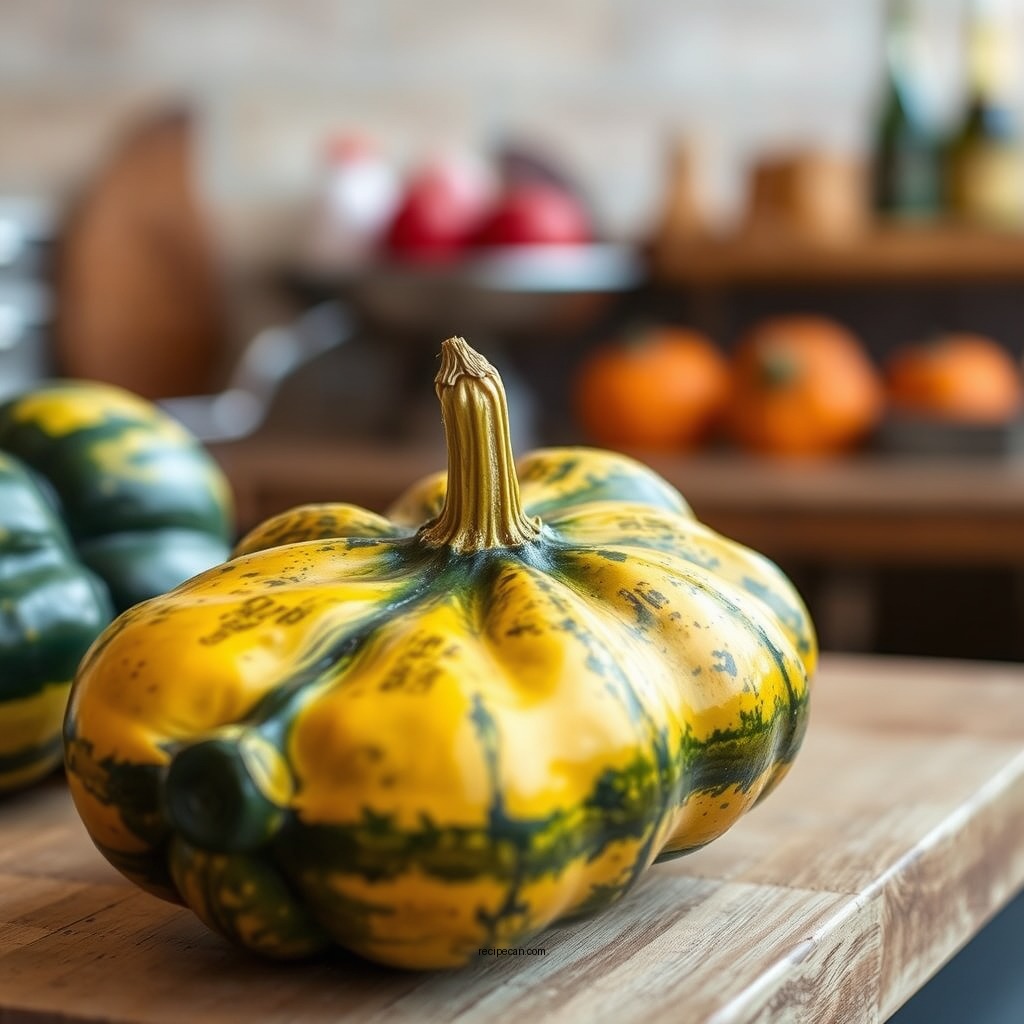
When selecting squash for roasting, it’s important to consider the type and flavor profile of each variety. The most popular types of squash include butternut, acorn, and spaghetti squash, each offering unique textures and tastes.
– Butternut Squash: Known for its sweet, nutty flavor and smooth texture, butternut squash is perfect for roasting. Its dense flesh caramelizes beautifully, making it a favorite for many.
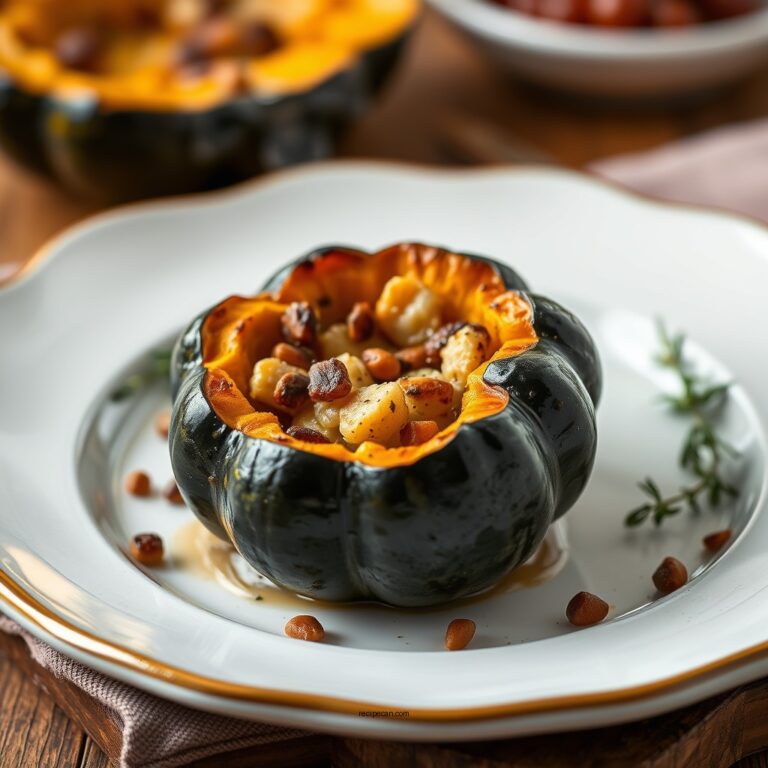
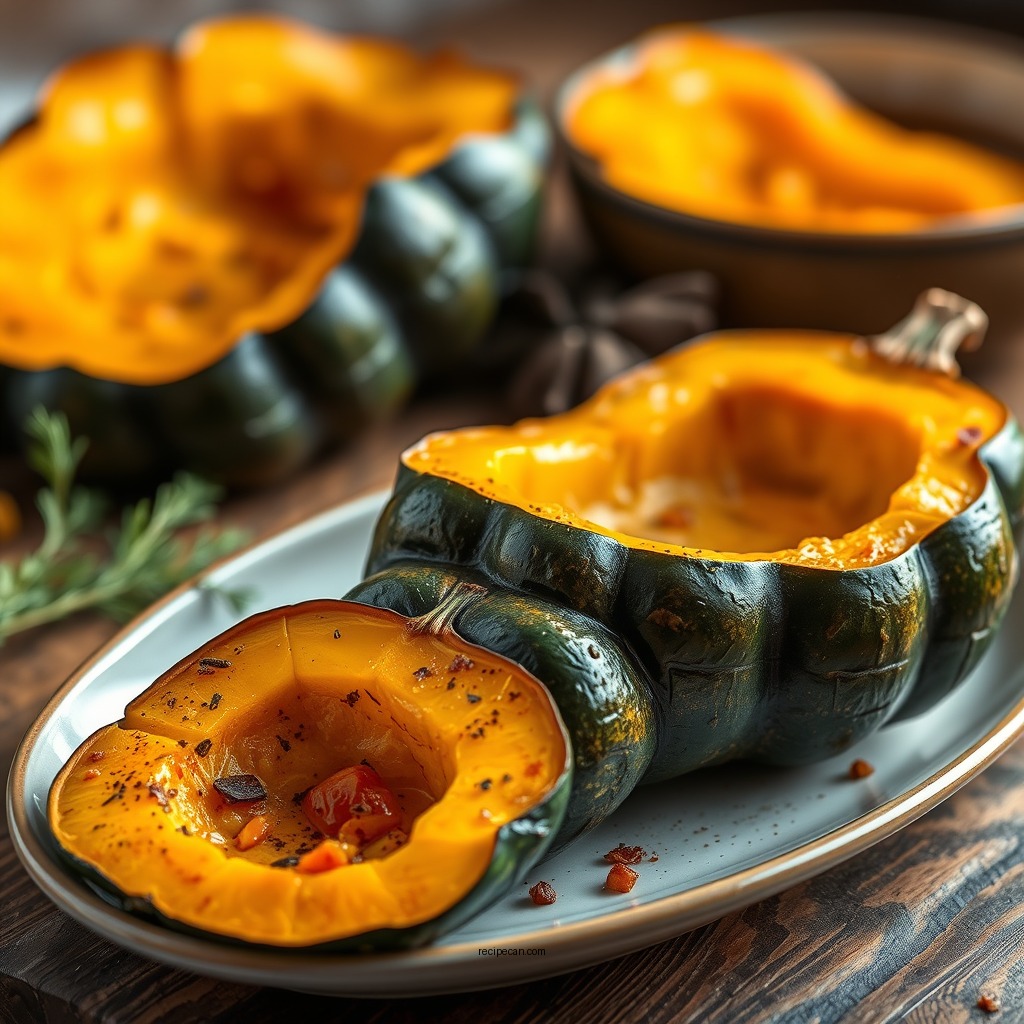
– Acorn Squash: This variety has a slightly less sweet taste than butternut and a unique, ridged exterior. When roasted, acorn squash becomes tender and can be filled with grains, nuts, or other ingredients for a creative presentation.
– Spaghetti Squash: With its stringy flesh that resembles spaghetti when cooked, this squash offers a mild flavor and can serve as a low-carb substitute for pasta. Roasting enhances its sweetness and makes it easy to shred into strands.
Understanding the differences in flavor and texture among these varieties will help you select the best squash for your recipe.
Preparing the Squash
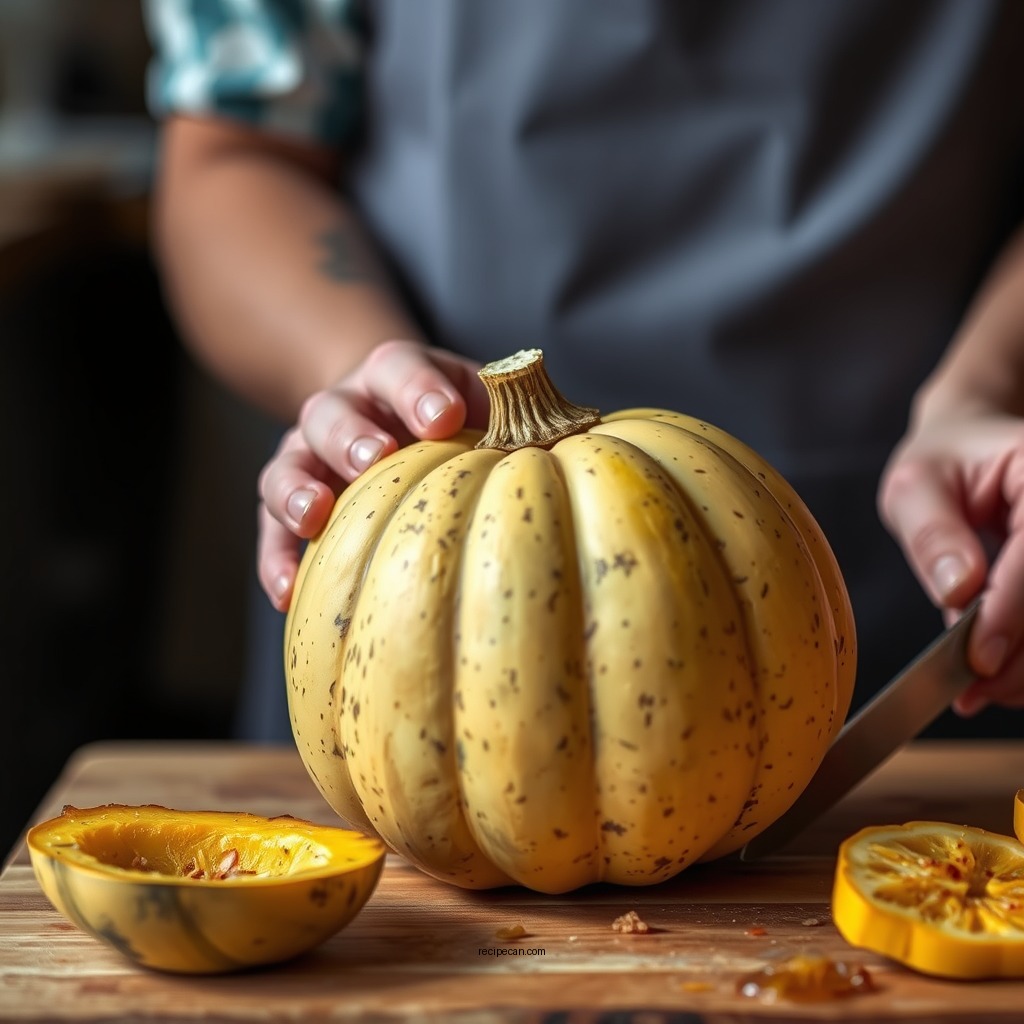
1. Washing: Begin by thoroughly washing the squash under running water to remove any dirt or pesticides. This step is especially important if you’re using organic squash.
2. Peeling: Use a sharp vegetable peeler to remove the skin of butternut and acorn squash. Spaghetti squash, on the other hand, can be roasted whole or cut in half and seeded, as the skin is edible.
3. Cutting: For even cooking, cut the squash into uniform pieces. Aim for 1-inch cubes or slices, depending on your preference. This size allows the squash to roast evenly while ensuring a good caramelization that adds flavor.
By following these preparation steps, you’ll set the foundation for a delightful roasted squash dish.
Seasoning Options
The seasoning can dramatically enhance the flavor of your roast squash. Here are some classic and creative options to consider:
– Basic Seasoning: Start with essential ingredients like salt, pepper, and olive oil. This combination allows the natural sweetness of the squash to shine through.
– Herbs and Spices: Elevate your dish by adding fresh herbs such as rosemary or thyme, which pair wonderfully with squash. For a hint of warmth, consider spices like cinnamon or nutmeg, which complement the sweetness of the squash beautifully.
– Sweet Variants: If you’re leaning towards a sweeter profile, drizzle the roasted squash with honey or maple syrup before serving. This addition enhances the caramelization process and adds depth to the flavor.
By experimenting with different seasonings, you can personalize your roast squash to suit your taste preferences.
Nutritional Comparison of Popular Squash Varieties (per 100g)
| # | Squash Type | Calories | Carbohydrates (g) | Fiber (g) | Vitamin A (% DV) |
|---|---|---|---|---|---|
| 1 | Butternut | 45 | 11 | 2 | 106% |
| 2 | Acorn | 56 | 15 | 3 | 10% |
| 3 | Spaghetti | 31 | 7 | 1.5 | 1% |
| 4 | Kabocha | 49 | 11 | 2.9 | 6% |
| 5 | Delicata | 48 | 12 | 3 | 5% |
| 6 | Pumpkin | 26 | 7 | 0.5 | 5% |
Roasting Techniques
To achieve perfectly roasted squash, proper technique is essential. Here are some key factors to keep in mind:
– Temperature: Preheat your oven to 400°F (200°C). This temperature is ideal for caramelizing the sugars in the squash without burning it.
– Cooking Time: Depending on the size of your squash pieces, roasting typically takes between 25 to 35 minutes. Check for doneness by piercing the squash with a fork; it should be tender and easily pierced.
– Roasting Method: Spread the squash pieces in a single layer on a baking sheet or roasting pan. Avoid overcrowding the pan, as this can lead to steaming instead of roasting. For added flavor, consider tossing the squash with olive oil and seasonings before spreading it out.
By following these roasting techniques, you can ensure that your squash comes out beautifully caramelized and tender.
Roasting Time vs. Squash Size
Serving Suggestions
Roasted squash can be served in various creative ways, enhancing its versatility in the kitchen. Here are some suggestions to get you started:
– As a Side Dish: Serve roasted squash alongside grilled meats or fish. Its sweet flavor complements savory proteins beautifully.
– In Salads: Toss roasted squash cubes into salads for added texture and flavor. Pair with greens, nuts, and a tangy vinaigrette for a well-rounded dish.
– Grain Bowls: Incorporate roasted squash into grain bowls with quinoa, farro, or brown rice. Add your favorite protein, such as chickpeas or grilled chicken, and finish with a drizzle of tahini or balsamic reduction.
– Stuffed Squash: For an impressive presentation, consider stuffing acorn or delicata squash with a mixture of grains, nuts, and dried fruits, then roasting until heated through.
These serving suggestions can help you create a complete meal that showcases the delightful flavors of roasted squash.
Common Mistakes to Avoid
While roasting squash is relatively simple, there are common pitfalls to watch out for to ensure the best results:
– Overcrowding the Pan: When squash pieces are packed too closely together, they steam rather than roast, resulting in a soggy texture. Always leave space between pieces for even cooking.
– Under-Seasoning: A lack of seasoning can lead to bland squash. Be generous with your seasonings, and remember that the roasting process can enhance flavors, so don’t be shy.
– Inconsistent Cutting: If your squash pieces are not uniform in size, some will cook faster than others, leading to uneven doneness. Aim for consistent sizes to ensure even cooking.
– Ignoring Doneness: Keep a close eye on your squash as it roasts. Overcooked squash can become mushy, while undercooked squash can be tough. Use a fork to test for tenderness.
By avoiding these common mistakes, you can achieve perfectly roasted squash every time.
Variations and Add-Ins
To keep your roasted squash dishes exciting, consider these variations and add-ins:
– Nuts and Seeds: Add toasted nuts or seeds for crunch and added nutrition. Walnuts, pecans, or pumpkin seeds can complement the flavor of the squash beautifully.
– Cheese: Crumbled feta, goat cheese, or parmesan can enhance the flavor profile and add creaminess to the dish.
– Dried Fruits: Incorporate dried cranberries, apricots, or raisins for a sweet contrast to the savory squash.
– Seasonal Variations: As seasons change, consider incorporating seasonal ingredients. In fall, add sage or smoked paprika; in winter, try cinnamon or nutmeg; in spring, fresh herbs like basil or mint.
These variations and add-ins can elevate your roast squash dish, making it a new experience each time.
Roasting squash is a straightforward process that can yield delicious results with just a few simple steps. By selecting the right squash, preparing it properly, and experimenting with seasonings and serving methods, you can create a delightful dish that everyone will love. Try out this roast squash recipe today and discover how versatile and satisfying this vegetable can be!
Frequently Asked Questions
What is the best way to roast squash for maximum flavor?
The best way to roast squash for maximum flavor is to cut it into uniform pieces to ensure even cooking. Toss the squash with olive oil, salt, and your choice of herbs or spices, such as cinnamon or paprika, before roasting at 400°F (200°C) for 25-30 minutes. This caramelization process enhances the natural sweetness and richness of the squash.
How long does it take to roast different types of squash?
The roasting time for squash varies by type and size. Generally, small squash like acorn or delicata take about 25-30 minutes, while larger varieties like butternut or pumpkin may require 40-50 minutes at 400°F (200°C). Always check for doneness by piercing with a fork; the flesh should be tender and easily pierced.
Why should I choose to roast squash instead of boiling or steaming it?
Roasting squash enhances its natural sweetness and flavor through caramelization, which boiling or steaming cannot achieve. Roasting also retains more nutrients compared to boiling, where vitamins can leach into the water. The resulting texture is creamy and tender, making it a perfect addition to various dishes.
Which spices pair well with roasted squash?
A variety of spices pair beautifully with roasted squash, including cinnamon, nutmeg, cumin, and chili powder. For a savory twist, try rosemary, thyme, or garlic powder. Experimenting with different spice combinations can elevate your roast squash recipe and complement its natural sweetness.
What are some easy variations of a basic roast squash recipe?
Easy variations of a basic roast squash recipe include adding maple syrup or honey for extra sweetness, incorporating nuts like pecans or walnuts for crunch, or mixing in onions and garlic for added depth. You can also toss in cranberries or feta cheese before serving for a burst of flavor and color that enhances the dish.
References
- https://en.wikipedia.org/wiki/Squash_(plant
https://en.wikipedia.org/wiki/Squash_(plant - NYT Cooking – Recipes and Cooking Guides From The New York Times
https://www.nytimes.com/recipes/1019953/roasted-squash - https://www.foodnetwork.com/recipes/articles/healthy-roasted-squash
https://www.foodnetwork.com/recipes/articles/healthy-roasted-squash - https://www.sciencedirect.com/topics/agricultural-and-biological-sciences/squash
https://www.sciencedirect.com/topics/agricultural-and-biological-sciences/squash - https://www.healthline.com/nutrition/squash-nutrition
https://www.healthline.com/nutrition/squash-nutrition - Google Scholar Google Scholar
https://scholar.google.com/scholar?q=roast+squash+recipe - Google Scholar Google Scholar
https://scholar.google.com/scholar?q=roasted+vegetable+recipes - Google Scholar Google Scholar
https://scholar.google.com/scholar?q=squash+nutritional+benefits - roast squash recipe – Search results
https://en.wikipedia.org/wiki/Special:Search?search=roast+squash+recipe - https://www.ncbi.nlm.nih.gov/search/research-articles/?term=roast+squash+recipe
https://www.ncbi.nlm.nih.gov/search/research-articles/?term=roast+squash+recipe