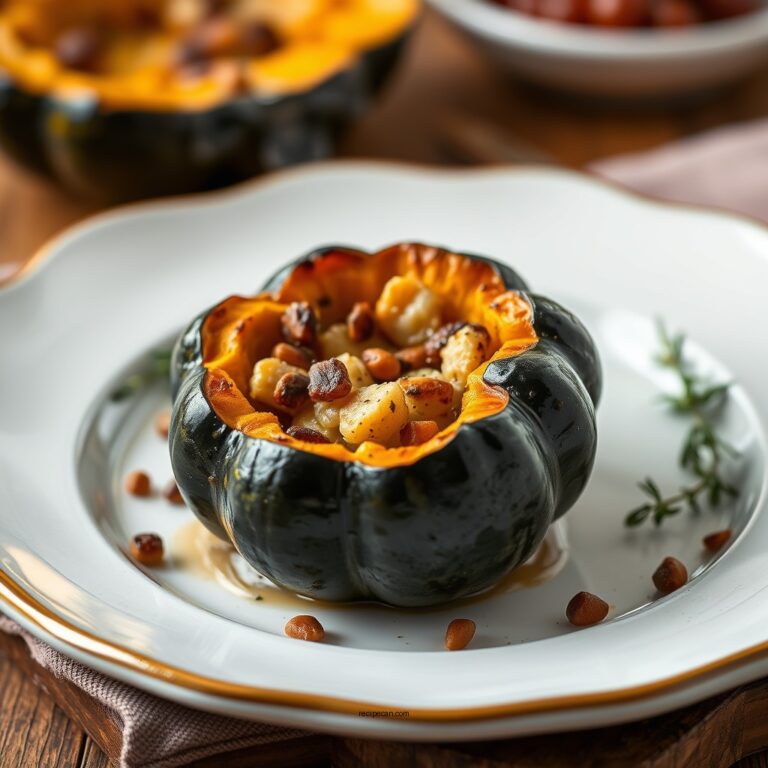
Perfecting risotto with butternut squash is a delightful way to enjoy creamy, comforting flavors while embracing the seasonal ingredient’s natural sweetness. In this article, you’ll learn how to make flavorful risotto dishes that highlight butternut squash, along with variations and tips to enhance your cooking experience.
The Basics of Risotto

Risotto is a classic Italian dish that epitomizes comfort food, primarily due to its creamy texture and rich flavors. The foundation of achieving this consistency lies in the choice of rice, with Arborio rice being the preferred option. Arborio rice is a short-grain variety that is high in amylopectin starch, which releases during cooking and creates a luxurious creaminess.
The basic cooking technique involves a slow and methodical process. It begins with sautéing onions and garlic in olive oil or butter, followed by adding the rice to toast it slightly before slowly incorporating warm broth, one ladle at a time. This gradual addition allows the rice to absorb the liquid and release its starches, resulting in the desired creamy texture. Stirring frequently is essential, as it ensures even cooking and prevents the rice from sticking to the pot.
Classic Butternut Squash Risotto Recipe
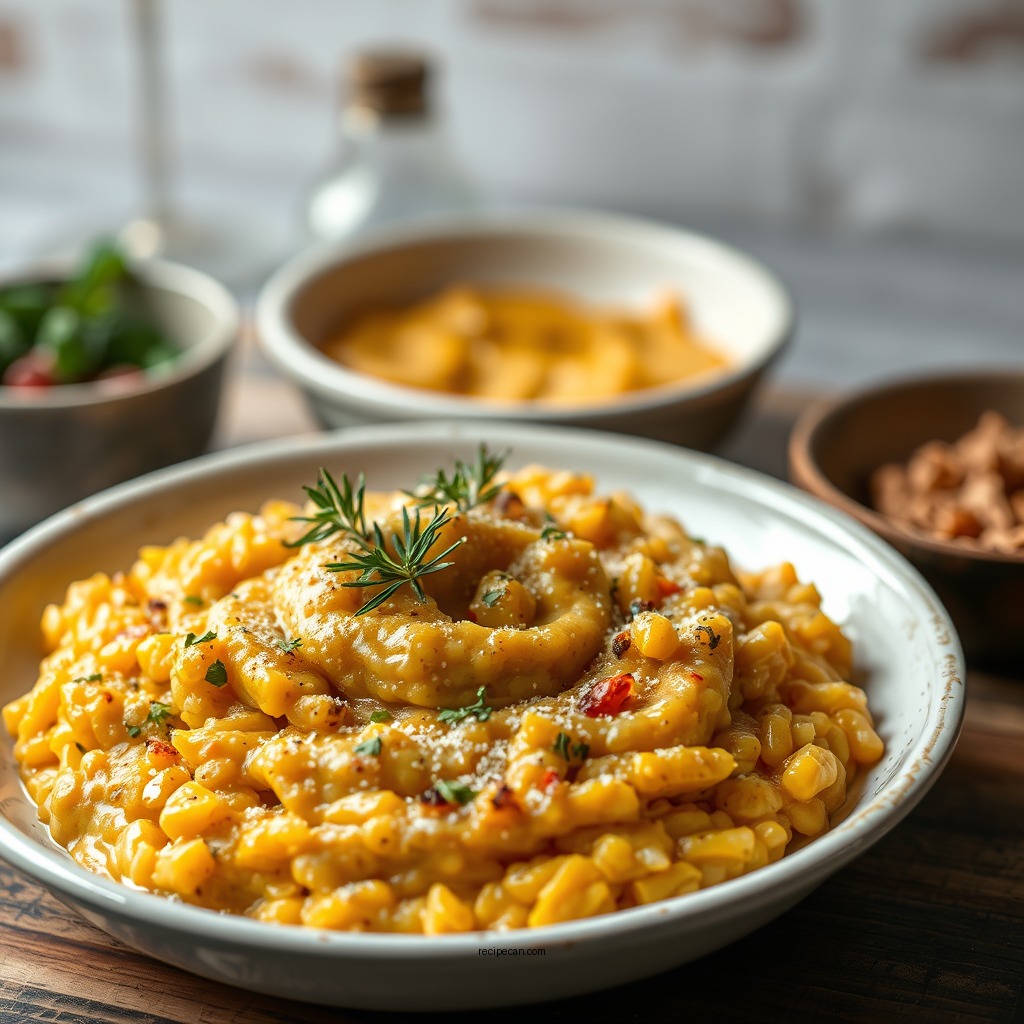
Ingredients
To make a simple yet flavorful butternut squash risotto, you will need the following ingredients:
– 1 medium butternut squash, peeled and diced
– 1 cup Arborio rice
– 4 cups vegetable broth (or chicken broth)
– 1 medium onion, finely chopped
– 2 cloves garlic, minced
– 1/2 cup dry white wine
– 1/2 cup grated Parmesan cheese
– 2 tablespoons olive oil
– Salt and pepper to taste
– Fresh parsley or sage for garnish
Step-by-Step Instructions
1. Prepare the Broth: In a saucepan, heat the vegetable broth and keep it warm over low heat.
2. Sauté Vegetables: In a large skillet, heat olive oil over medium heat. Add the onion and garlic, cooking until soft and translucent.
3. Cook Butternut Squash: Add the diced butternut squash to the skillet and cook for about 5-7 minutes, until slightly tender.
4. Toast the Rice: Stir in the Arborio rice, ensuring it is well-coated with the oil. Cook for 1-2 minutes until the rice is lightly toasted.
5. Add Wine: Pour in the white wine and cook until it is fully absorbed.
6. Incorporate Broth: Begin adding the warm broth one ladle at a time, stirring frequently. Wait until the liquid is almost fully absorbed before adding more. This process should take about 18-20 minutes.
7. Finish the Risotto: Once the rice is al dente and creamy, stir in the grated Parmesan cheese. Season with salt and pepper to taste.
8. Serve: Garnish with fresh parsley or sage before serving.
Variations on Butternut Squash Risotto
One of the joys of cooking risotto is the opportunity to customize it to your taste preferences. Here are some delicious variations to consider:
– Sage Butter Risotto: Add a few fresh sage leaves during the cooking process for a fragrant, earthy flavor that complements the sweetness of the squash.
– Bacon and Cheese: For a heartier version, crisp up some bacon and stir it in at the end, along with the cheese, for a smoky touch.
– Nutty Twist: Incorporate toasted pine nuts or walnuts for added texture and a nutty flavor.
– Seasonal Vegetables: Experiment with other seasonal vegetables such as peas, spinach, or mushrooms. These can be added alongside the butternut squash or stirred in during the last few minutes of cooking.
Flavor Enhancement Table
Top Flavor Enhancements for Butternut Squash Risotto
| # | Ingredient | Flavor Profile | Best For |
|---|---|---|---|
| 1 | Fresh Sage | Earthy | Herbaceous touch |
| 2 | Bacon | Smoky | Hearty meal |
| 3 | Parmesan Cheese | Savory | Creamy finish |
| 4 | Toasted Pine Nuts | Nutty | Crunchy texture |
| 5 | Mushrooms | Umami | Rich flavor |
| 6 | Spinach | Fresh | Colorful addition |
How to Prepare Butternut Squash for Cooking
Preparing butternut squash can seem daunting due to its tough skin and hard flesh, but with the right techniques, it can be a straightforward process.
Peeling and Cutting
1. Peeling: Use a sharp vegetable peeler to remove the skin. Make sure to apply steady pressure and go slowly to avoid injury.
2. Cutting: Cut the squash in half lengthwise to remove the seeds, then slice it into manageable pieces before dicing.
Cooking Methods
– Roasting: This method enhances the natural sweetness of the squash. Toss the diced squash in olive oil, salt, and pepper, then roast in a preheated oven at 400°F (200°C) for 25-30 minutes, or until tender.
– Sautéing: For a quicker method, sauté the diced squash in a skillet over medium heat with olive oil, cooking for about 10-15 minutes until just tender. This method works well for risotto as it allows the squash to integrate seamlessly into the dish.
Tips for Perfecting Your Risotto
Achieving the perfect risotto requires attention to detail and a few key techniques:
– Stirring: Constant stirring is crucial. It helps release starches from the rice, contributing to that signature creamy texture.
– Temperature Control: Keep the heat at a medium simmer. Too high can cause the rice to cook unevenly, while too low can make it take longer to cook.
– Timing Ingredients: Add ingredients like peas or spinach towards the end of cooking to prevent them from overcooking and losing their vibrant color and texture.
Serving Suggestions and Pairings
The rich flavors of butternut squash risotto can be beautifully complemented by various side dishes and wines:
– Side Dishes: A simple arugula salad with lemon vinaigrette can provide a refreshing contrast, while crusty bread or garlic bread adds a satisfying crunch.
– Wine Pairings: A light white wine, such as Pinot Grigio or Sauvignon Blanc, pairs excellently, enhancing the dish’s flavors without overpowering it.
– Garnishes: Consider adding a sprinkle of toasted pumpkin seeds or a drizzle of balsamic glaze for an elegant touch.
Storing and Reheating Leftover Risotto
Leftover risotto can be a convenient meal option if stored and reheated correctly:
– Storing: Place the leftover risotto in an airtight container and refrigerate for up to 3 days. For longer storage, consider freezing it in portions.
– Reheating: To maintain the creamy texture, reheat risotto in a skillet over low heat. Add a splash of broth or water to help restore its creaminess as it warms.
Incorporating butternut squash into your risotto allows you to create a dish that is both flavorful and satisfying. By mastering the classic recipe and experimenting with variations, you can enjoy the warm and comforting flavors of fall all year round. Get cooking and indulge in this delightful culinary experience!
Frequently Asked Questions
What is the best way to cook butternut squash for risotto?
The best way to prepare butternut squash for risotto is to roast it. Start by peeling and cubing the squash, then toss it with olive oil, salt, and pepper. Roast in a preheated oven at 400°F (200°C) for about 25-30 minutes until tender and caramelized, which enhances its natural sweetness and adds depth to your risotto.
How can I make a creamy butternut squash risotto without using cream?
To achieve a creamy butternut squash risotto without cream, focus on the starch released from the Arborio rice during cooking. Cook the rice slowly, adding warm vegetable broth gradually, and stir frequently. Incorporating pureed roasted butternut squash at the end will add creaminess and flavor, while nutritional yeast or a sprinkle of Parmesan can enhance the richness.
Why is my butternut squash risotto too watery?
If your butternut squash risotto is too watery, it may be due to adding too much broth at once or not allowing the rice to absorb the liquid properly. Ensure you add the broth gradually and stir continuously, allowing the rice to absorb most of the liquid before adding more. If it’s already too watery, you can simmer it uncovered for a few minutes to reduce the excess liquid.
What spices pair well with butternut squash risotto?
When making butternut squash risotto, spices such as sage, thyme, and nutmeg pair beautifully with the sweet flavor of the squash. Additionally, a pinch of cinnamon can add warmth, while a dash of cayenne pepper introduces a slight kick. Experimenting with these spices will enhance the overall flavor profile of your risotto.
Which type of rice is best for making risotto with butternut squash?
The best type of rice for making risotto is Arborio rice, known for its high starch content, which creates a creamy texture when cooked. Other suitable options include Carnaroli and Vialone Nano, both of which also yield a rich and creamy risotto. These rice varieties absorb liquid well, making them ideal for incorporating the flavors of butternut squash.
References
- Risotto
https://en.wikipedia.org/wiki/Risotto - NYT Cooking – Recipes and Cooking Guides From The New York Times
https://www.nytimes.com/recipes/1019824/butternut-squash-risotto - https://www.foodnetwork.com/recipes/tyler-florence/butternut-squash-risotto-recipe-1942003
https://www.foodnetwork.com/recipes/tyler-florence/butternut-squash-risotto-recipe-1942003 - https://www.healthline.com/nutrition/butternut-squash-nutrition
https://www.healthline.com/nutrition/butternut-squash-nutrition - Google Scholar Google Scholar
https://scholar.google.com/scholar?q=risotto+and+butternut+squash+recipes - Google Scholar Google Scholar
https://scholar.google.com/scholar?q=butternut+squash+risotto - https://pubmed.ncbi.nlm.nih.gov/?term=risotto+butternut+squash
https://pubmed.ncbi.nlm.nih.gov/?term=risotto+butternut+squash - https://www.sciencedirect.com/topics/agricultural-and-biological-sciences/butternut-squash
https://www.sciencedirect.com/topics/agricultural-and-biological-sciences/butternut-squash - Detox foot pads: Do they really work? – Mayo Clinic
https://www.mayoclinic.org/healthy-lifestyle/nutrition-and-healthy-eating/expert-answers/butternut-squash/faq-20057807 - risotto and butternut squash recipes – Search results
https://en.wikipedia.org/wiki/Special:Search?search=risotto+and+butternut+squash+recipes